AI-Assisted Strabismus Diagnosis Using Eye-Tracking and Machine Learning
Malrey Lee

TL;DR
This paper introduces an AI system that uses eye-tracking and machine learning to objectively diagnose strabismus, improving the accuracy and standardization of the Alternate Cover Test.
Contribution
The novel contribution is an AI-assisted framework for strabismus diagnosis using eye-tracking data and machine learning, achieving high diagnostic accuracy.
Findings
Random Forest achieved 97.56% accuracy in diagnosing strabismus from eye-tracking data.
The model demonstrated perfect sensitivity and NPV, with minimal false negatives in the test set.
Abstract
Background: Strabismus diagnosis via the Alternate Cover Test (ACT) lacks quantitative standardization. This study proposes an AI-assisted framework using eye-tracking and machine learning for objective screening. Methods: Gaze coordinates were captured using a 60 Hz infrared eye tracker during ACT. Of the 291 initially screened individuals considered, 50 participants were ultimately included after quality filtering, yielding 335 valid samples. Seven algorithms were evaluated, with the dataset split into 294 training and 41 testing samples. Performance was measured by accuracy, sensitivity, specificity, PPV, and NPV. Results: Random Forest showed the best performance, achieving 97.56% accuracy (40/41) on the test set. It demonstrated a sensitivity of 1.00, specificity of 0.95, PPV of 0.95, and NPV of 1.00. The confusion matrix confirmed minimal false negatives, ensuring reliable…
Genes, proteins, chemicals, diseases, species, mutations and cell lines named across the full text — each resolved to its canonical identifier and authoritative record.
Click any figure to enlarge with its caption.
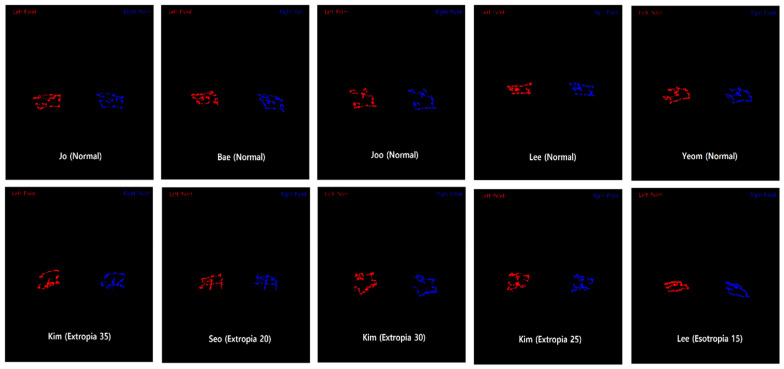 Figure 1
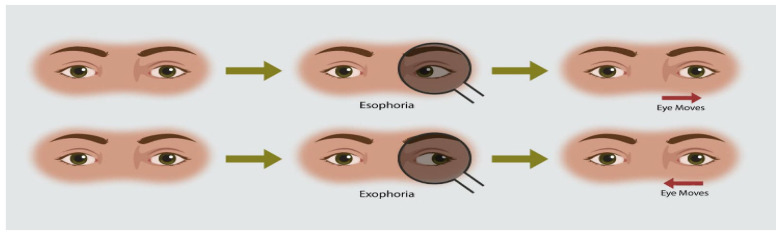 Figure 2
 Figure 3
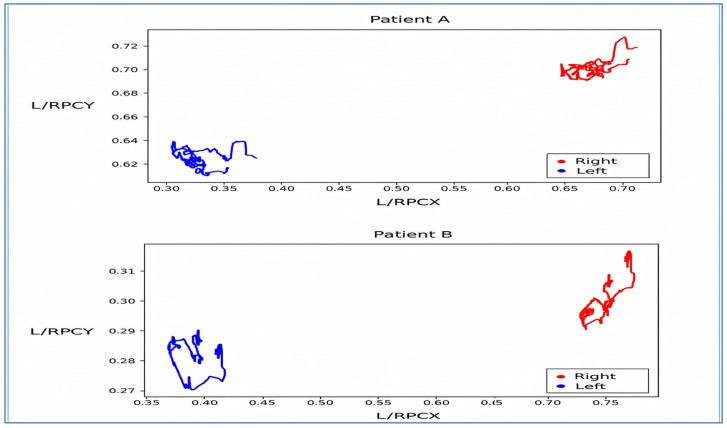 Figure 4
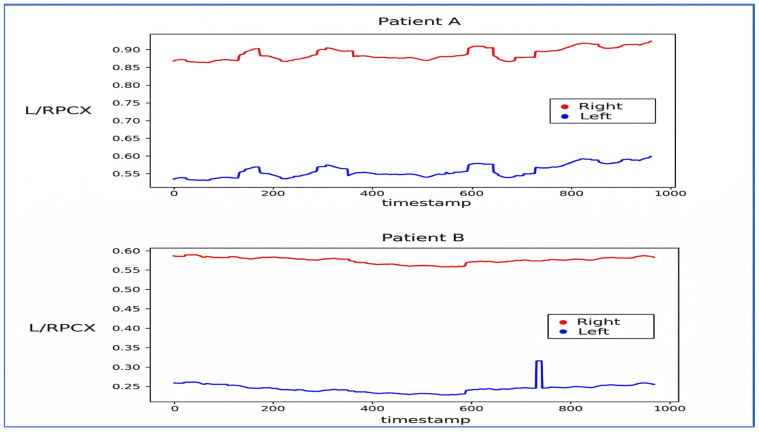 Figure 5
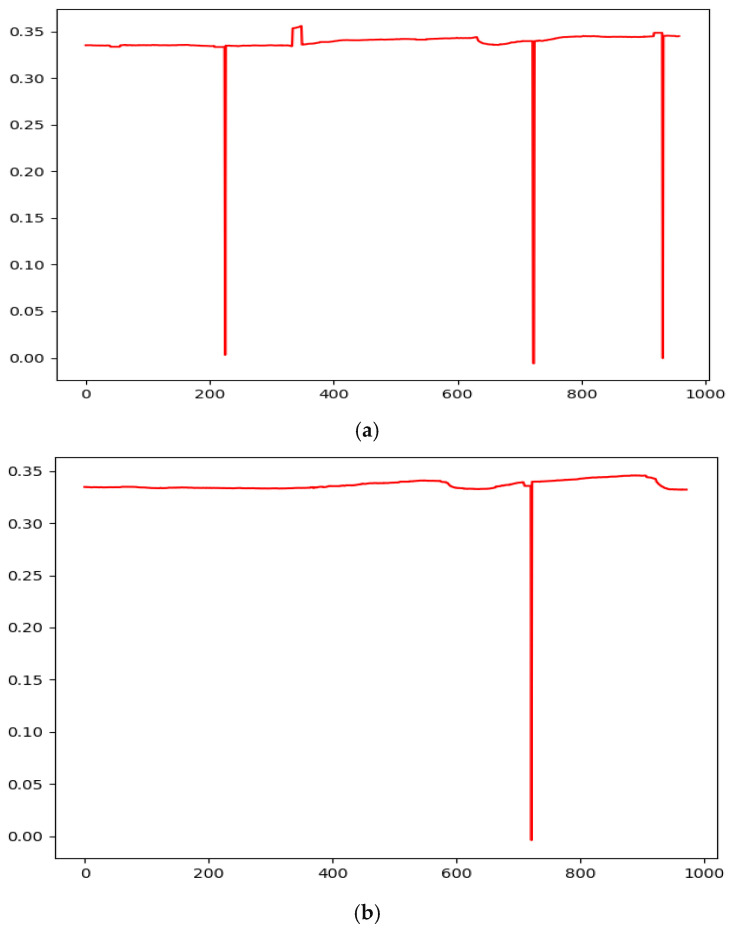 Figure 6
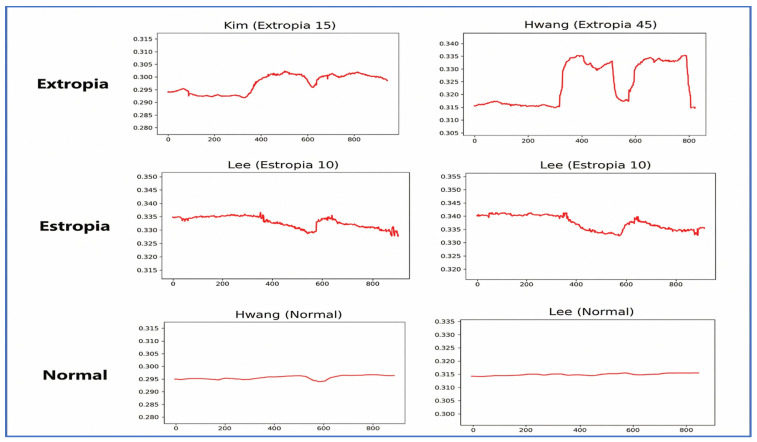 Figure 7
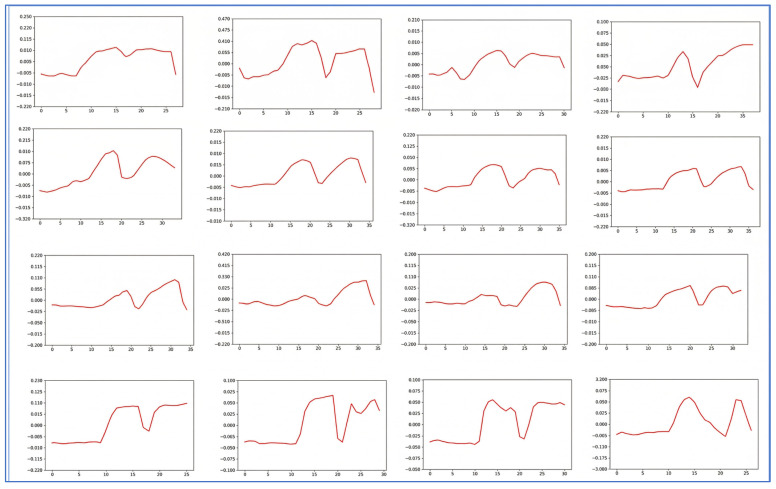 Figure 8
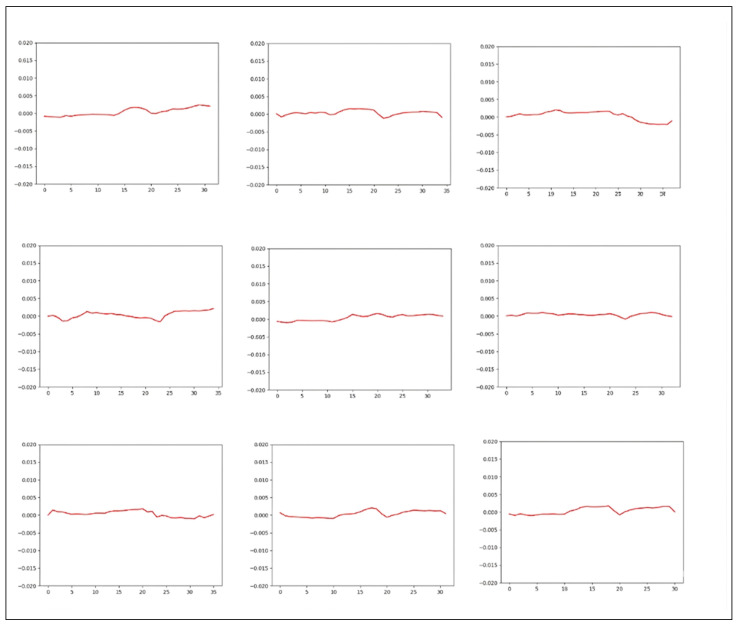 Figure 9
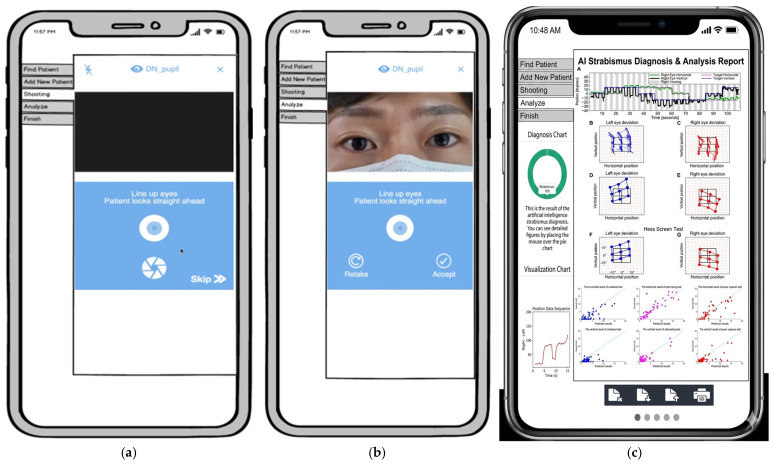 Figure 10
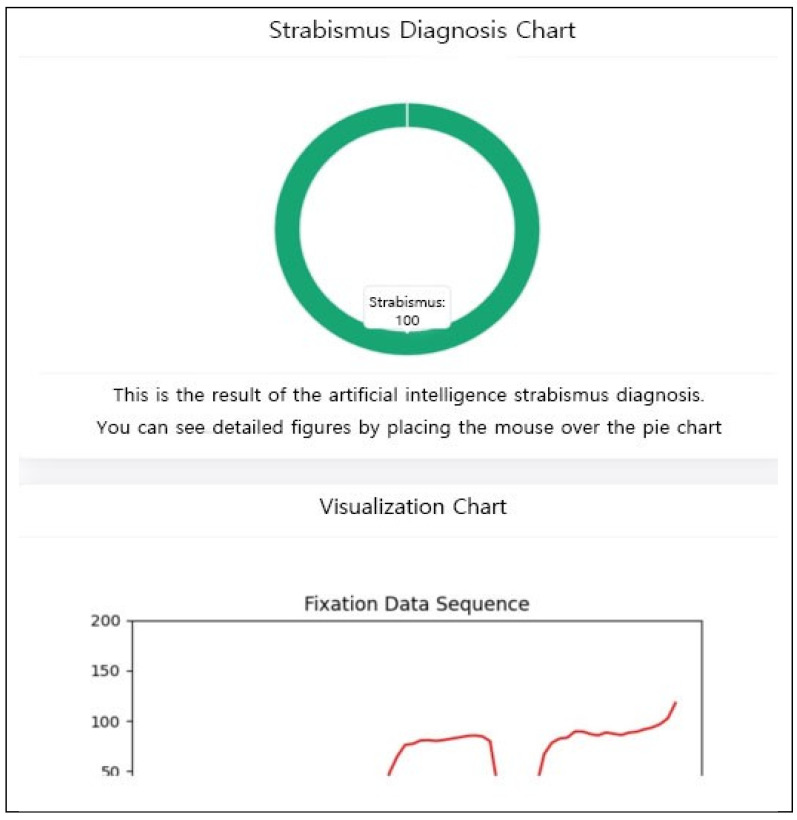 Figure 11
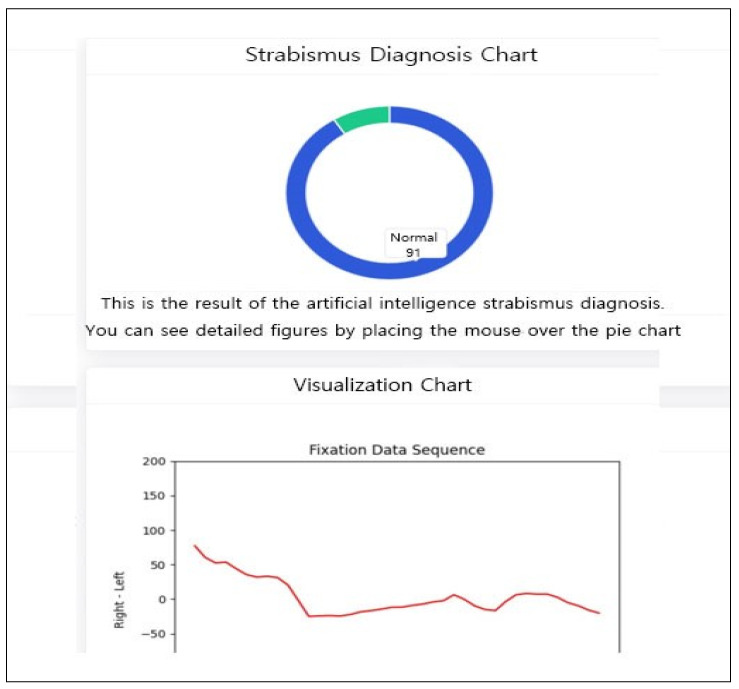 Figure 12
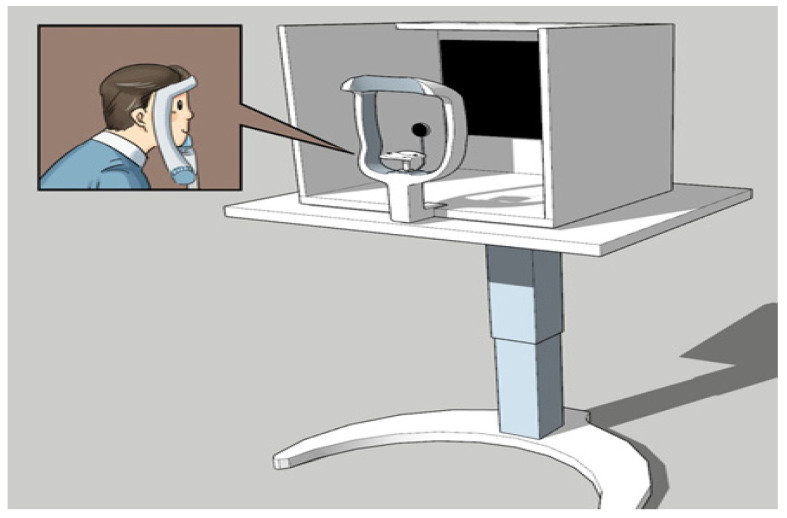 Figure 13
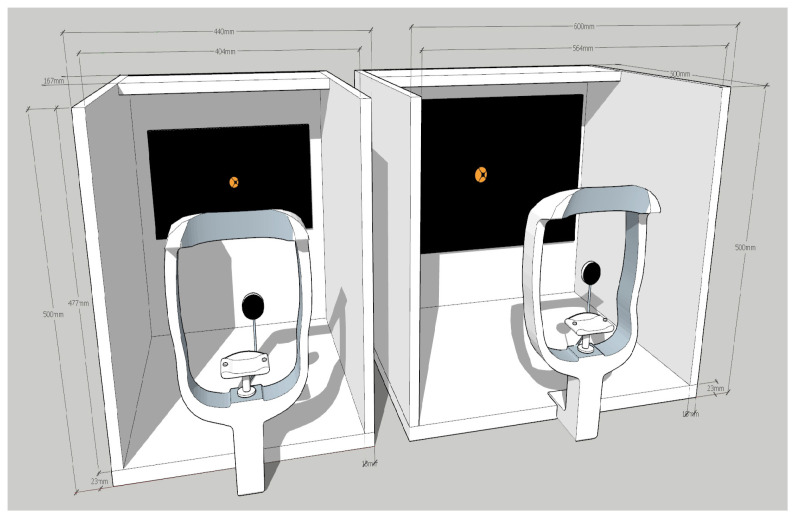 Figure 14
Peer Reviews
No public reviews on file for this paper yet. If you reviewed it on a platform where reviews are public (OpenReview, ICLR, NeurIPS, ICML), you can paste yours below so the community can read it here.
Videos
No videos yet. Explain this paper in a talk, walkthrough, or lecture? Add one.
Taxonomy
TopicsOphthalmology and Eye Disorders · Vestibular and auditory disorders · Gaze Tracking and Assistive Technology