Association of 4% Articaine with Profound Inferior Alveolar Nerve Block Success in Third Molar Surgery Performed by Dental Students: A Three-Anesthetic Observational Study
Thanyaphat Engboonmeskul, Rudjit Tunthasen, Kannika Rungsaeng, Panuwat Rassaiyakarn, Poonnapha Tanyacharoen, Panuwat Earkun, Teerawat Sukpaita

TL;DR
This study found that 4% articaine provided better anesthesia success and less pain during third molar surgery performed by dental students compared to lidocaine and mepivacaine.
Contribution
The study demonstrates that 4% articaine achieves higher profound anesthesia success and lower intraoperative pain in novice dental students performing third molar surgery.
Findings
4% articaine had a significantly higher profound success rate (76.8%) compared to lidocaine (55.7%) and mepivacaine (61.0%).
Articaine provided longer anesthesia duration and lower intraoperative pain scores than the other anesthetics.
Postoperative pain and complication rates were similar across all anesthetic groups.
Abstract
Background/Objectives: An effective inferior alveolar nerve block (IANB) is critical for mandibular third molar surgery, especially for novice student operators who face steep learning curves. This study compared the clinical efficacy and safety of 4% articaine, 2% lidocaine, and 2% mepivacaine in an undergraduate setting. Methods: A prospective observational study was conducted with 189 patients undergoing third molar surgery performed by dental students. Patients received either 4% articaine (n = 69), 2% lidocaine (n = 61), or 2% mepivacaine (n = 59). Anesthetic efficacy was evaluated using a two-stage assessment comprising Vincent’s sign (Stage 1) and profound surgical anesthesia (Stage 2). Intra- and postoperative pain, anesthetic volume, surgical duration, and postoperative complications were recorded and compared among anesthetic groups. Results: Baseline demographics, impaction…
Genes, proteins, chemicals, diseases, species, mutations and cell lines named across the full text — each resolved to its canonical identifier and authoritative record.
Click any figure to enlarge with its caption.
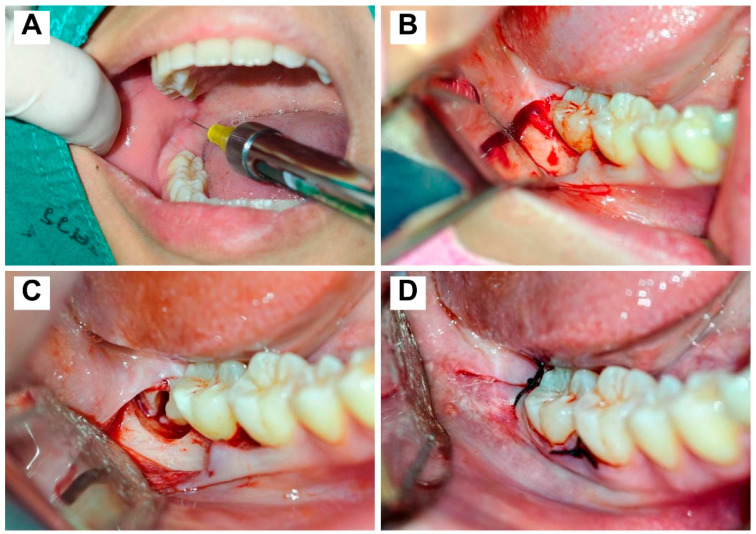 Figure 1
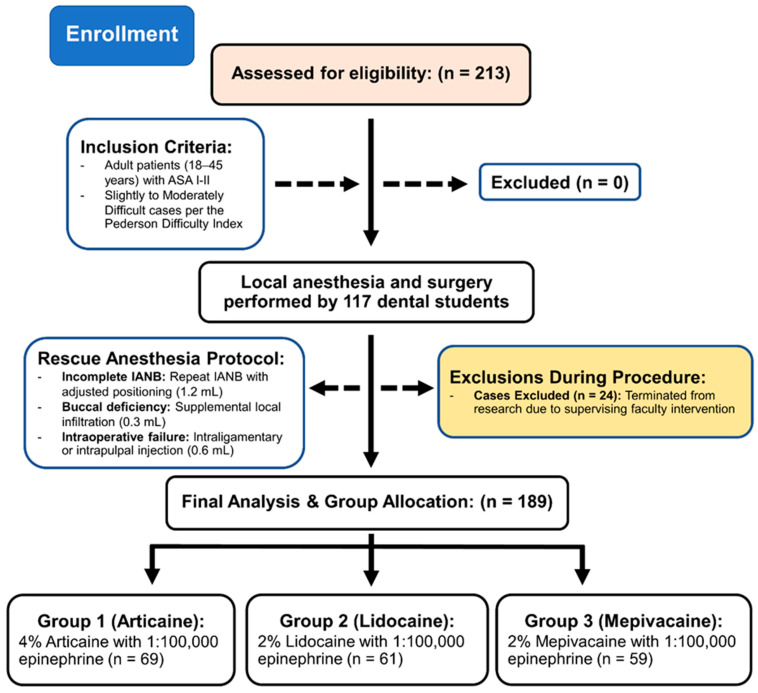 Figure 2
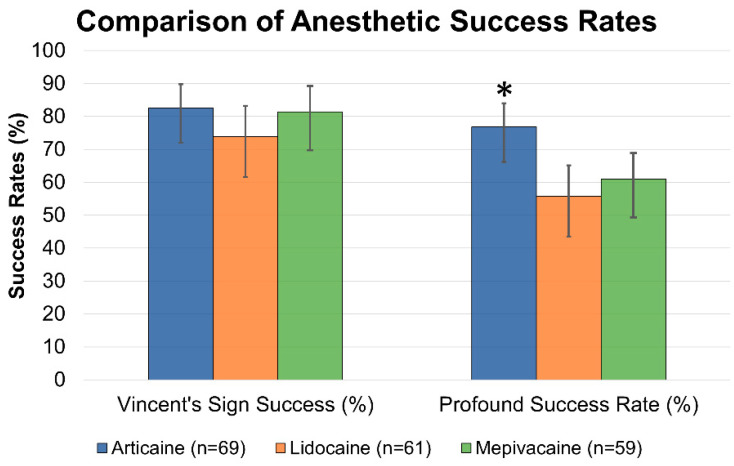 Figure 3
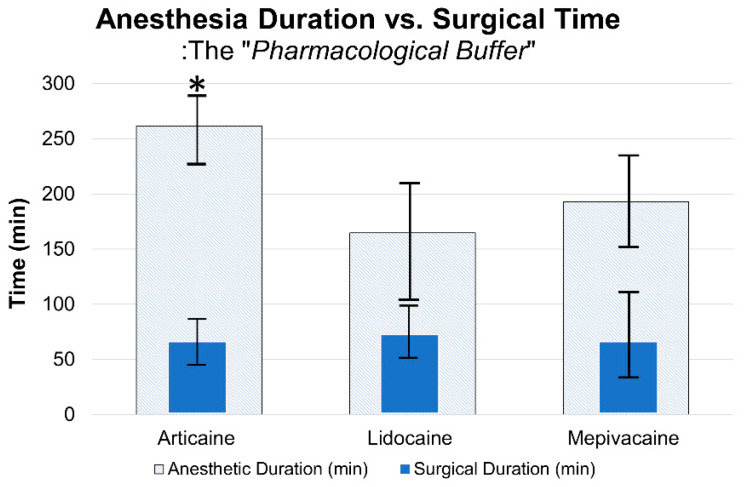 Figure 4
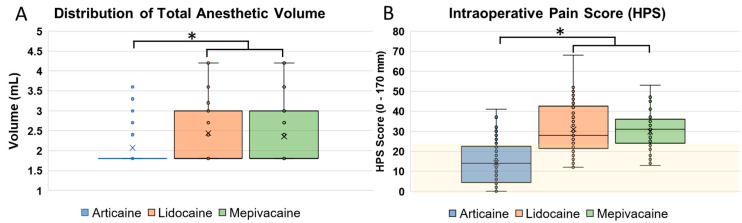 Figure 5
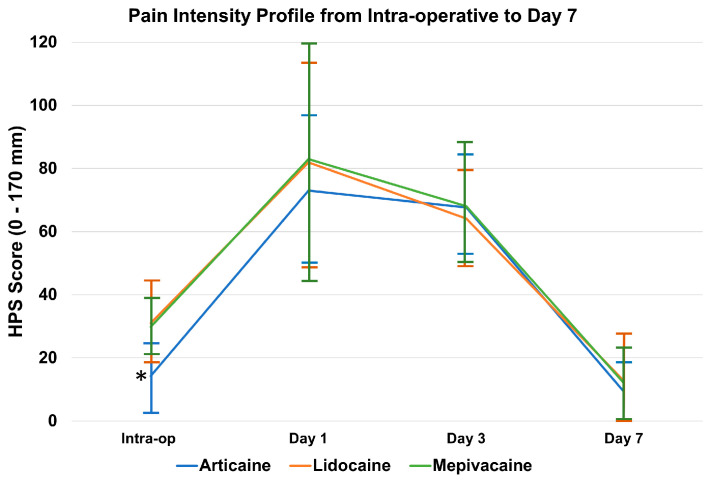 Figure 6
Peer Reviews
No public reviews on file for this paper yet. If you reviewed it on a platform where reviews are public (OpenReview, ICLR, NeurIPS, ICML), you can paste yours below so the community can read it here.
Videos
No videos yet. Explain this paper in a talk, walkthrough, or lecture? Add one.
Taxonomy
TopicsDental Anxiety and Anesthesia Techniques · Dental Radiography and Imaging · Dental Research and COVID-19