Anti-Inflammatory Effects of Lactiplantibacillus plantarum Strain FS4722 Through MAPK and NF-κB Signaling Pathways and Its Lyophilization Optimization
Bista Sunita, Yuxing Liu, Hanwei Zheng, Yue Su, Mingyue Liu, Linfeng Xu, Ikram Alouk, Zhiqing Liu, Wenyong Lou

TL;DR
This study shows that a specific probiotic strain reduces inflammation through key pathways and improves its survival after freeze-drying.
Contribution
The study identifies the anti-inflammatory mechanisms of L. plantarum FS4722 and optimizes its lyophilization for high viability.
Findings
L. plantarum FS4722 suppresses inflammatory cytokines via inhibition of MAPK and NF-κB pathways in macrophages.
The fermented supernatant of FS4722 shows stronger anti-inflammatory effects than the reference probiotic LGG.
Optimized lyoprotectant formulation achieves 82.32% survival rate after lyophilization and maintains activity over 28 days.
Abstract
Probiotics hold considerable promise for treating and preventing inflammatory disease; however, their application is often limited by unclear anti-inflammatory mechanisms and reduced viability following lyophilization. In this study, I thoroughly evaluated the anti-inflammatory potential of Lactiplantibacillus plantarum FS4722 (L. plantarum FS4722) and substantially enhanced strain viability through optimization of the lyoprotectant formulation. Functional assays demonstrated that the fermented supernatant, heat-inactivated bacterial suspension, and cell lysate derived from L. plantarum FS4722 effectively suppressed transcription and expression of inflammatory cytokines in LPS-stimulated RAW 264.7 macrophages. The fermented supernatant exhibited the strongest inhibitory effects, surpassing the reference probiotic Lacticaseibacillus rhamnosus GG (LGG). Mechanistic investigations revealed…
Genes, proteins, chemicals, diseases, species, mutations and cell lines named across the full text — each resolved to its canonical identifier and authoritative record.
Click any figure to enlarge with its caption.
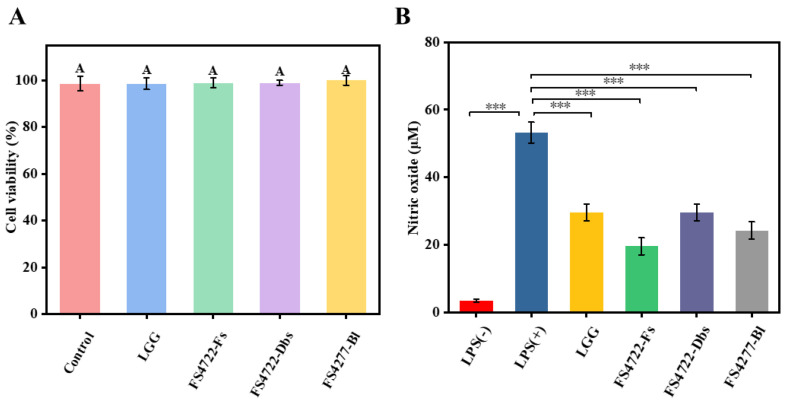 Figure 1
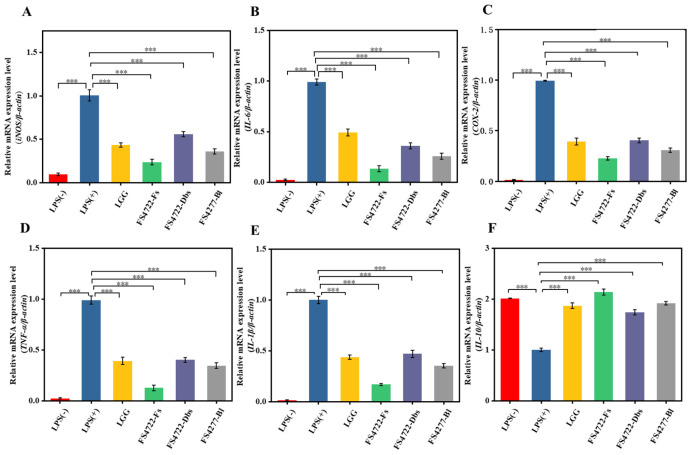 Figure 2
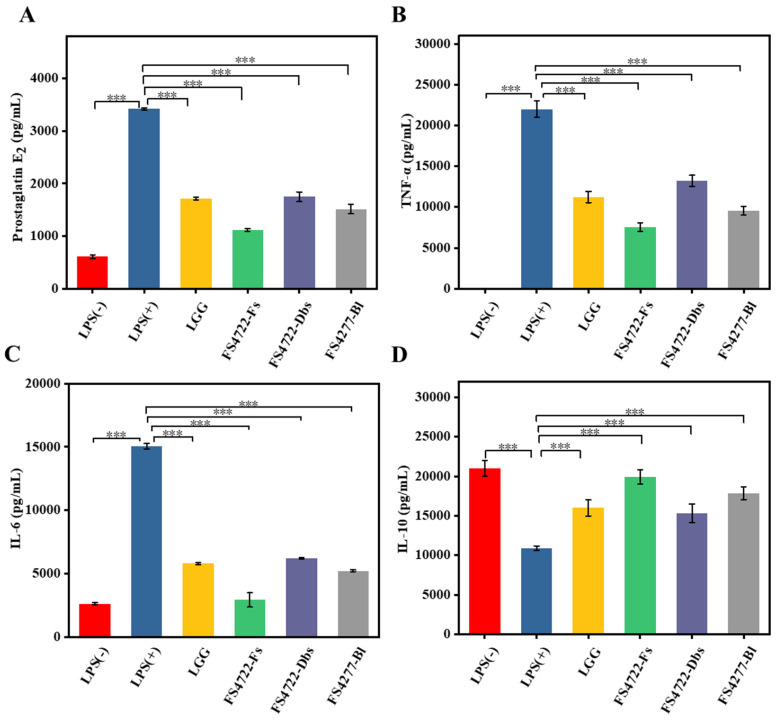 Figure 3
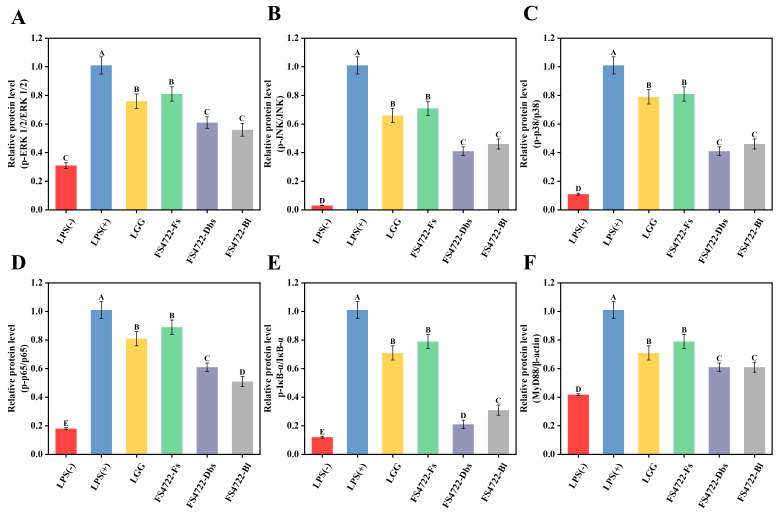 Figure 4
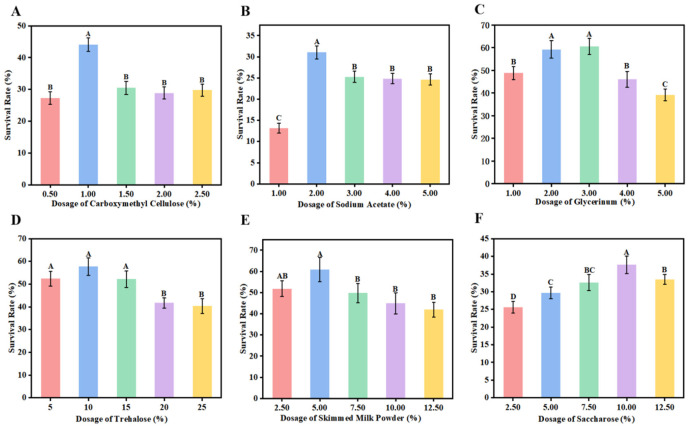 Figure 5
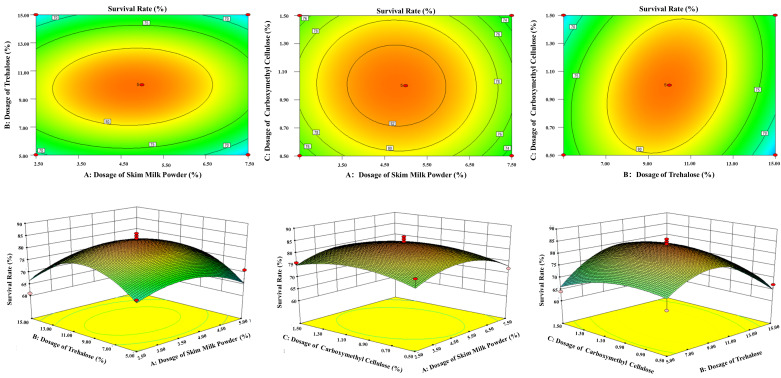 Figure 6
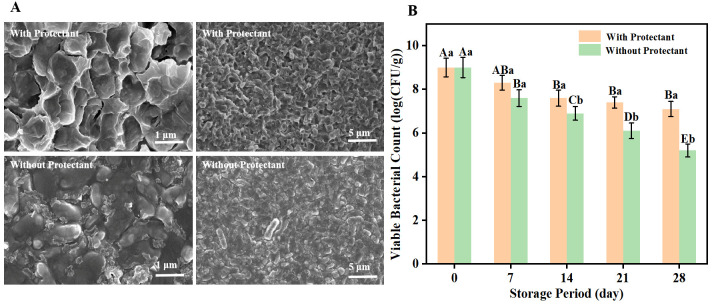 Figure 7
Peer Reviews
No public reviews on file for this paper yet. If you reviewed it on a platform where reviews are public (OpenReview, ICLR, NeurIPS, ICML), you can paste yours below so the community can read it here.
Videos
No videos yet. Explain this paper in a talk, walkthrough, or lecture? Add one.
Taxonomy
TopicsProbiotics and Fermented Foods · Gut microbiota and health · Polysaccharides and Plant Cell Walls