Alkylphenols (4-n-Nonylphenol and 4-n-Octylphenol) in Milk and Dairy Products, Beverages, and Vegetable Oils: Occurrence and Dietary Exposure in Türkiye
Oltan Canlı, Barış Güzel, Burhan Basaran

TL;DR
This study measures alkylphenol levels in various foods in Türkiye and identifies packaging and consumption patterns that increase exposure risks.
Contribution
The study is the first comprehensive assessment of 4-n-NP and 4-n-OP contamination in multiple food categories in Türkiye.
Findings
Vegetable oils had the highest average concentrations of 4-n-NP and 4-n-OP compared to other food categories.
Plastic and metal can containers were linked to higher alkylphenol migration in oily foods and some beverages.
High consumption of highly contaminated products like RTD chilled coffee and ayran significantly increases exposure risk.
Abstract
Alkylphenols, including 4-n-nonylphenol (4-n-NP) and 4-n-octylphenol (4-n-OP), are endocrine-disrupting chemicals that can migrate from the environment and food contact materials into food, posing potential public health risks. A total of 158 food samples were analyzed concerning the levels of these two chemicals, including milk and dairy products (n = 54), beverages (n = 79), and vegetable oils (n = 25). Average 4-n-NP/4-n-OP concentrations followed the order: vegetable oils (0.28 ± 0.24/0.76 ± 0.82 µg/L) > beverages (0.17 ± 0.20/0.24 ± 1.32 µg/L) > milk and dairy products (0.13 ± 0.26/0.23 ± 0.47 µg/L). Olive oil and ready-to-drink (RTD) chilled coffee showed the highest contamination levels within their categories, while UHT milk (4-n-NP) and ayran (4-n-OP) were notable among dairy products. Plastic and metal can containers were associated with higher alkylphenol migration,…
Genes, proteins, chemicals, diseases, species, mutations and cell lines named across the full text — each resolved to its canonical identifier and authoritative record.
Click any figure to enlarge with its caption.
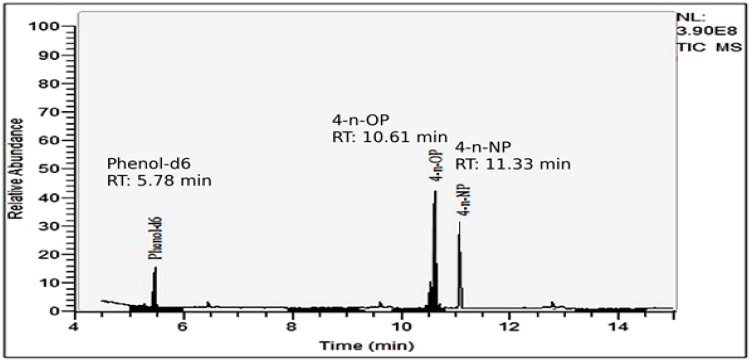 Figure 1
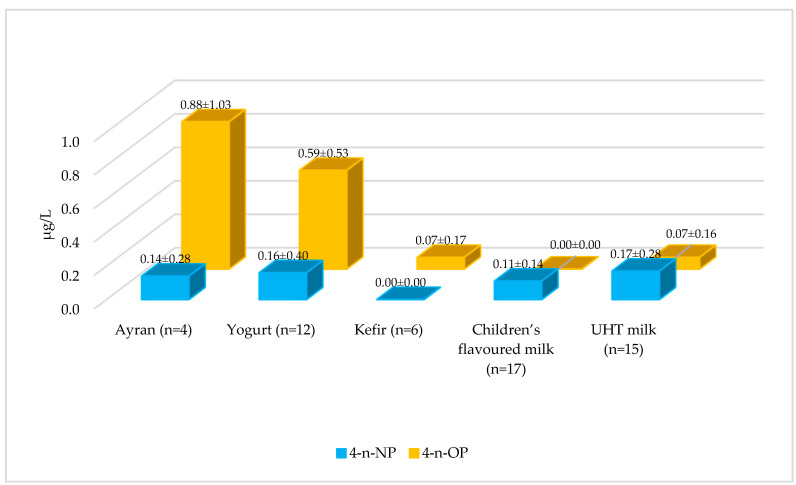 Figure 2
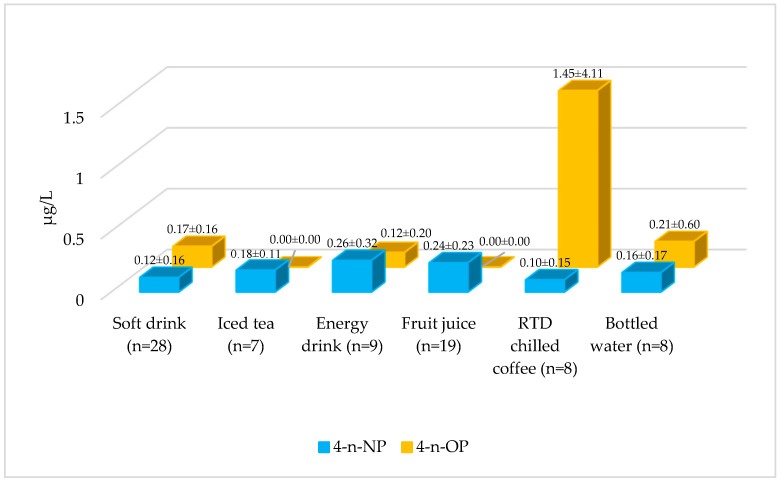 Figure 3
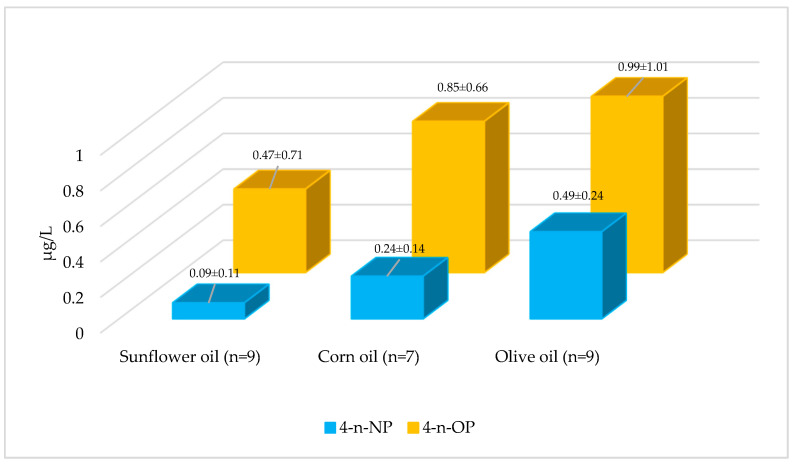 Figure 4
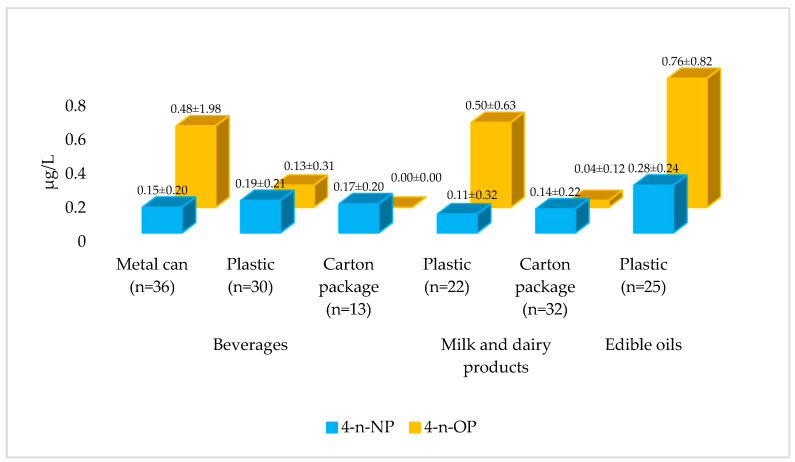 Figure 5
Peer Reviews
No public reviews on file for this paper yet. If you reviewed it on a platform where reviews are public (OpenReview, ICLR, NeurIPS, ICML), you can paste yours below so the community can read it here.
Videos
No videos yet. Explain this paper in a talk, walkthrough, or lecture? Add one.
Taxonomy
TopicsEffects and risks of endocrine disrupting chemicals · Toxic Organic Pollutants Impact · Dye analysis and toxicity