The First Complete Mitochondrial Genome of Corydalis impatiens (Papaveraceae) and Its Phylogenetic Implications
Qi’en Li, Digao Wan, Guixiang Wang, Xiuying Lin, Jiuli Wang, Huan Wang

TL;DR
This study reports the first complete mitochondrial genome of the Tibetan medicinal plant Corydalis impatiens and explores its evolutionary adaptations to high-altitude environments.
Contribution
The first complete mitochondrial genome of an alpine Corydalis species, providing insights into high-altitude adaptation and phylogenetic relationships.
Findings
The mitochondrial genome is 688,959 bp with 74 genes and distinct GC content patterns across gene types.
719 RNA editing sites were identified, particularly in NADH dehydrogenase genes, indicating adaptation to hypoxia.
The genome contains 50 repeats and 67 SSRs, offering markers for authenticating the medicinal plant 'Pa Xia Ga'.
Abstract
Corydalis impatiens (Papaveraceae) is a traditional Tibetan medicinal plant (“Pa Xia Ga”) whose mitochondrial genome evolution remains unexplored, particularly in the context of high-altitude adaptation. This study presents the first complete mitochondrial genome sequence of an alpine Corydalis species to establish a comparative framework with the lowland congener C. pauciovulata for investigating environment-associated mitochondrial evolution. Using Illumina sequencing and reference-guided assembly, we characterized a 688,959 bp circular genome containing 74 genes, with GC content variations reflecting functional compartmentalization—elevated in structural RNA genes (tRNAs: 51.24%; rRNAs: 52.79%) versus protein-coding genes (44.19%). We identified 719 RNA editing sites concentrated in NADH dehydrogenase genes, suggesting post-transcriptional optimization of respiratory complex I under…
Genes, proteins, chemicals, diseases, species, mutations and cell lines named across the full text — each resolved to its canonical identifier and authoritative record.
Click any figure to enlarge with its caption.
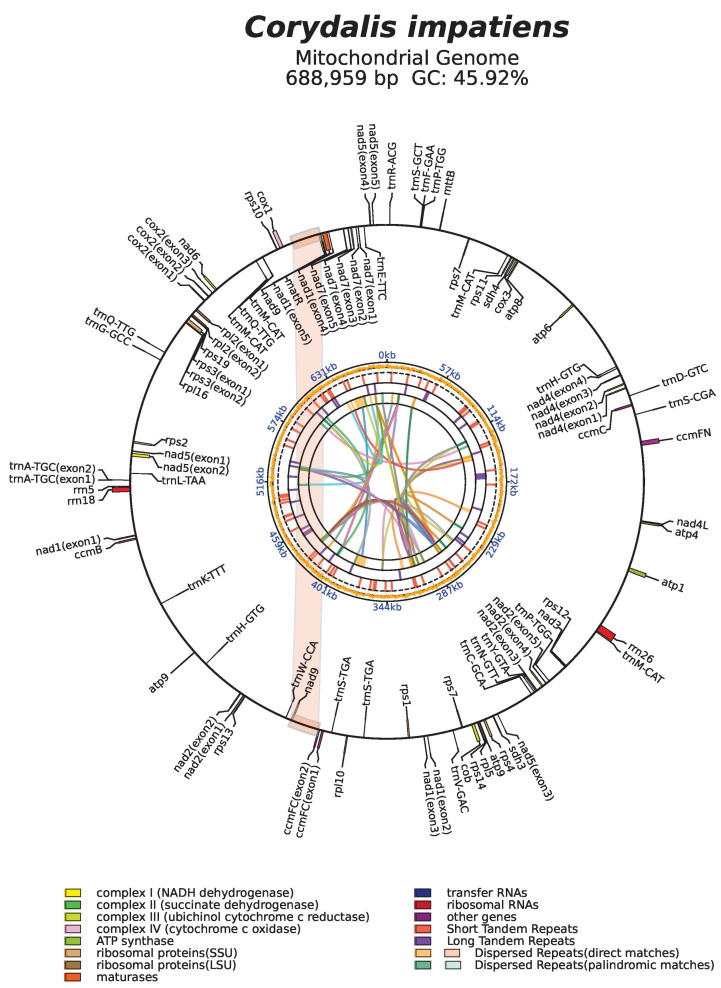 Figure 1
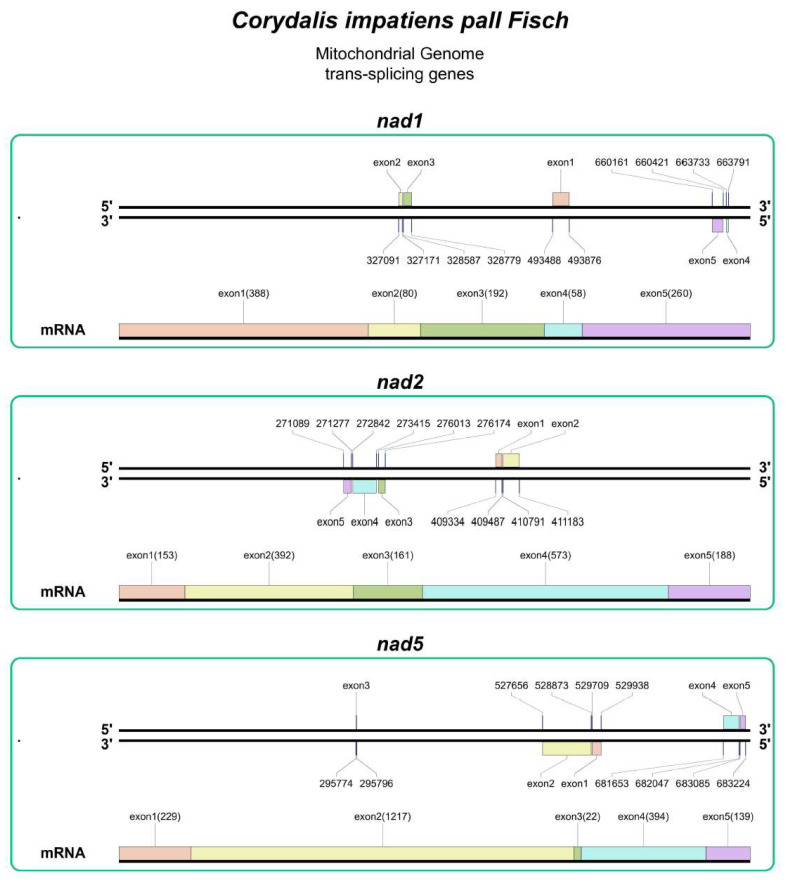 Figure 2
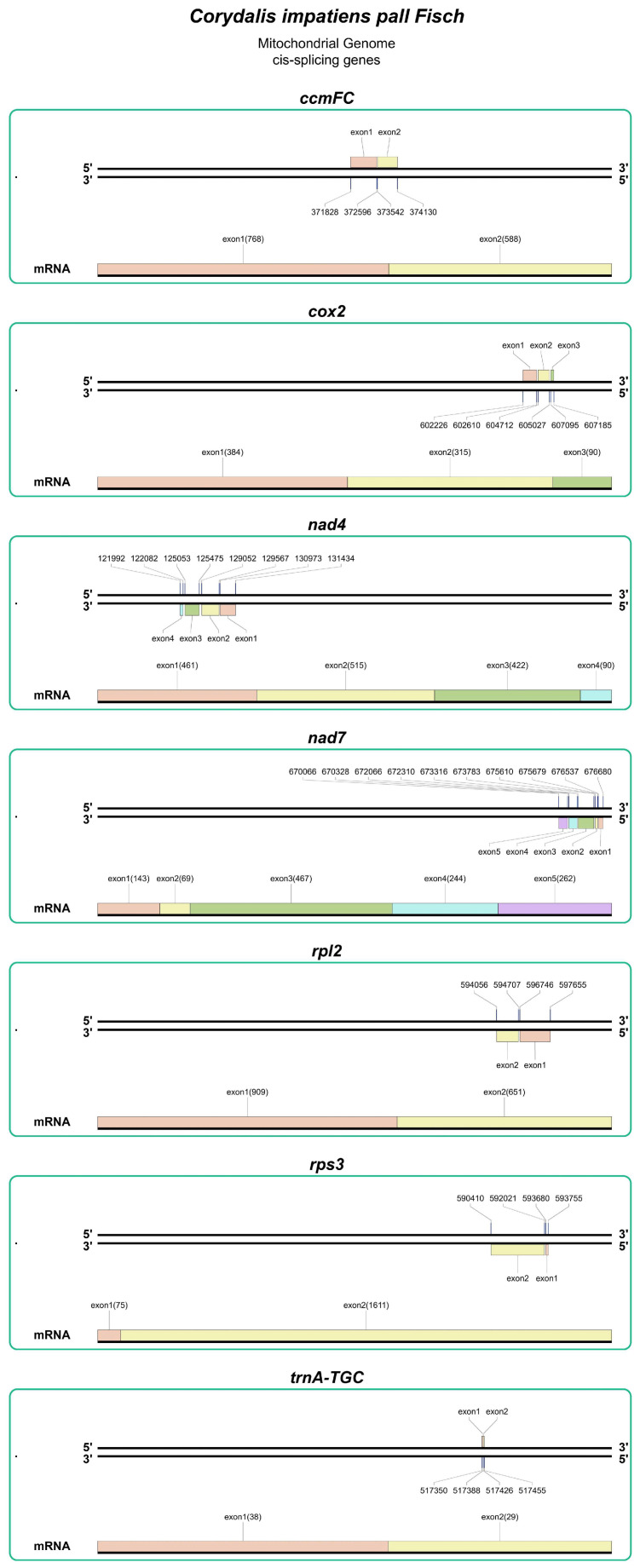 Figure 3
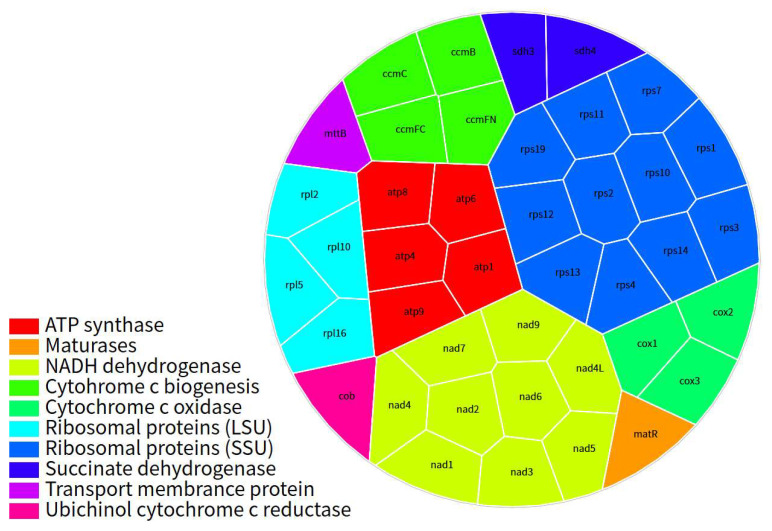 Figure 4
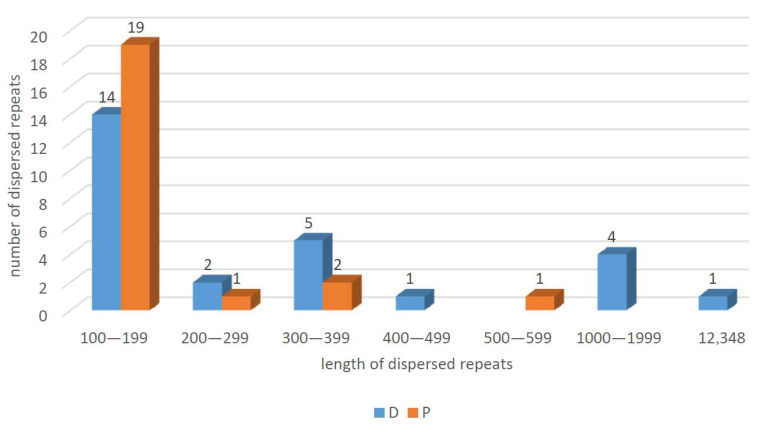 Figure 5
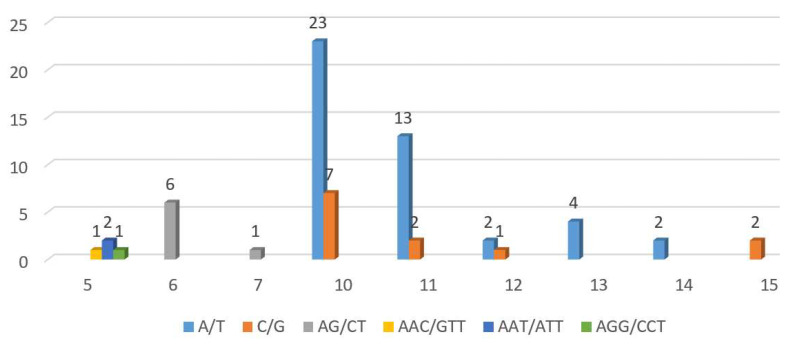 Figure 6
 Figure 7
 Figure 8
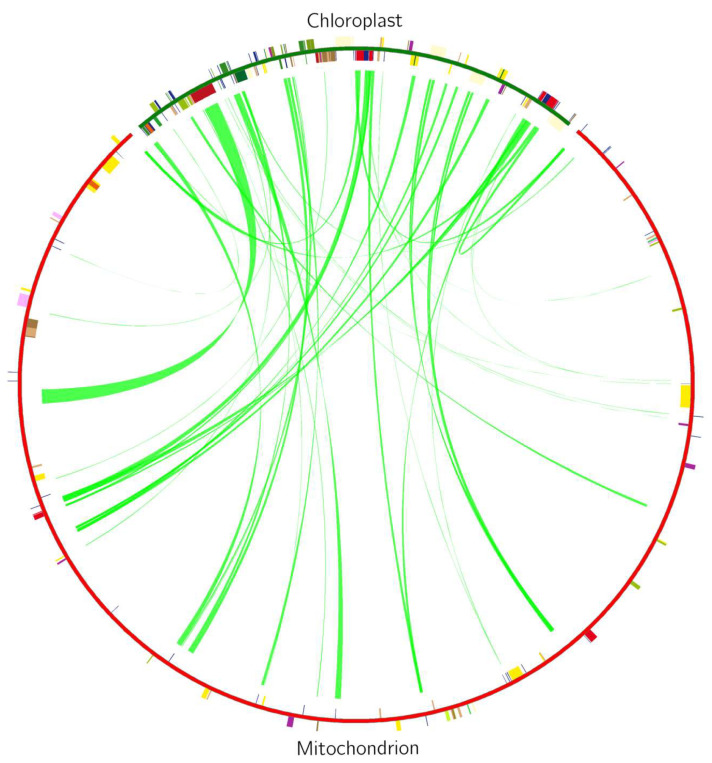 Figure 9
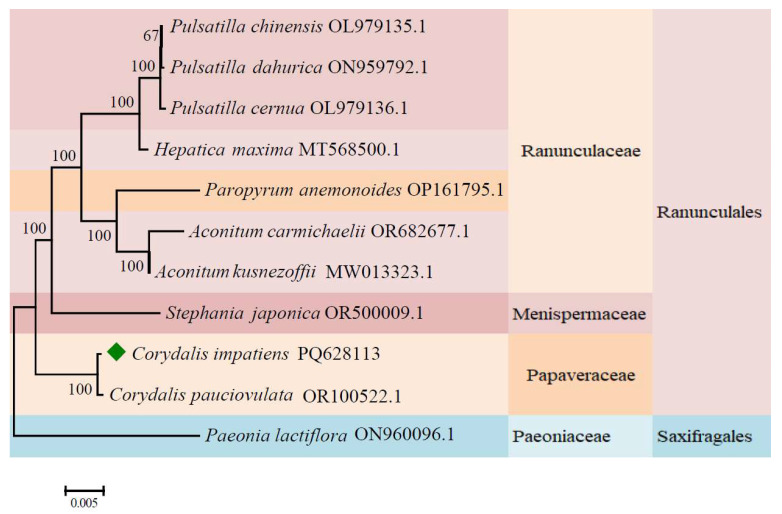 Figure 10
Peer Reviews
No public reviews on file for this paper yet. If you reviewed it on a platform where reviews are public (OpenReview, ICLR, NeurIPS, ICML), you can paste yours below so the community can read it here.
Videos
No videos yet. Explain this paper in a talk, walkthrough, or lecture? Add one.
Taxonomy
TopicsGenomics and Phylogenetic Studies · Berberine and alkaloids research · Metabolomics and Mass Spectrometry Studies