Automated Detection of Quality Deviations in Poultry Processing Using Step-Specific YOLOv12 Models
Daniel Einsiedel, Marco Vita, Florian Kaltenecker, Bertus Dunnewind, Johan Meulendijks, Christian Krupitzer

TL;DR
This paper explores using AI to detect quality issues in poultry processing, finding that pre-trained models can help, but performance depends on data balance and step-specific training.
Contribution
The study introduces step-specific and combined YOLOv12 models for quality control in poultry processing, highlighting the trade-offs between specialization and generalization.
Findings
Step-specific models achieved mAP50–95 scores of 0.50–0.60, with hyperparameter tuning offering minimal gains.
A combined model trained on all steps achieved a higher mAP50–95 of 0.7331 ± 0.0040 but lost some step-specific detection capabilities.
Class imbalance significantly impacted performance, with rare classes being misclassified more often.
Abstract
Artificial intelligence (AI) and computer vision (CV) offer promising avenues for automated quality control in food manufacturing, yet many prior works in that sector focused on agricultural primary production tasks. This study evaluates object detection for in-line quality monitoring on a real production line for ready-to-eat chicken-type products. Overhead cameras captured images at four processing steps: forming, coating, frying, and cooking. For each step, we labeled 2000 images containing multiple products with multiple classes of quality deviations. Separate YOLOv12x models (default and hyperparameter-tuned) were trained per step and evaluated using mAP50–95, F1-curves, and confusion matrices. Step-specific models, i.e., models applicable solely for a specific processing step, achieved similar peak mAP50–95 (0.50–0.60), and hyperparameter tuning did not yield any major gains…
Genes, proteins, chemicals, diseases, species, mutations and cell lines named across the full text — each resolved to its canonical identifier and authoritative record.
Click any figure to enlarge with its caption.
 Figure 1
 Figure 2
 Figure 3
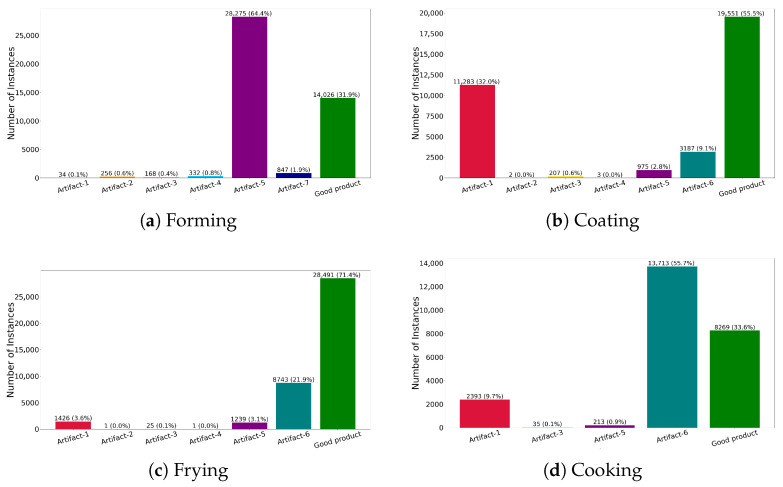 Figure 4
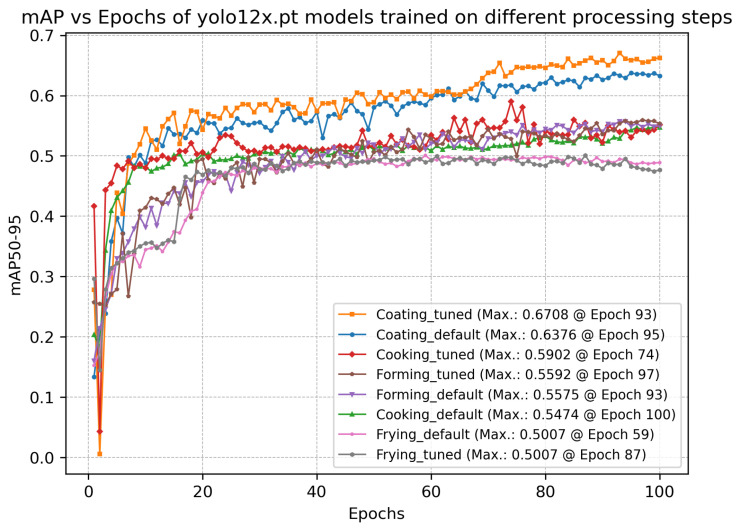 Figure 5
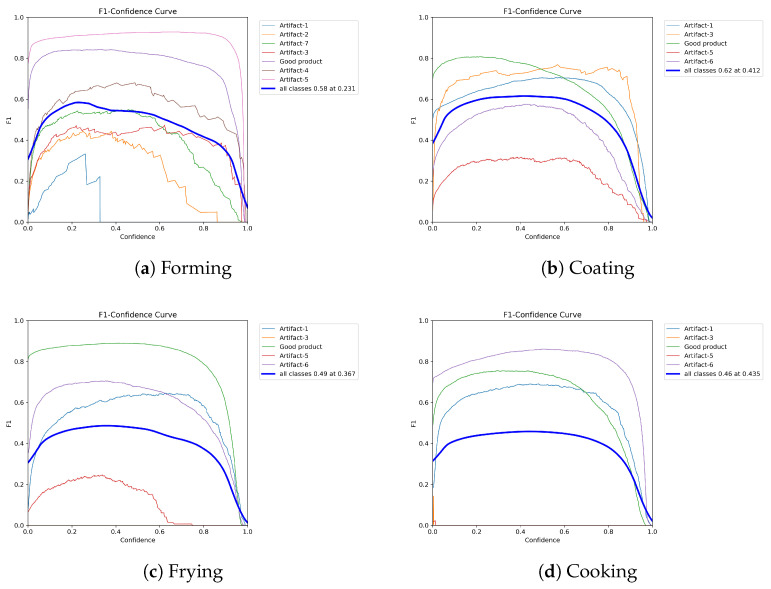 Figure 6
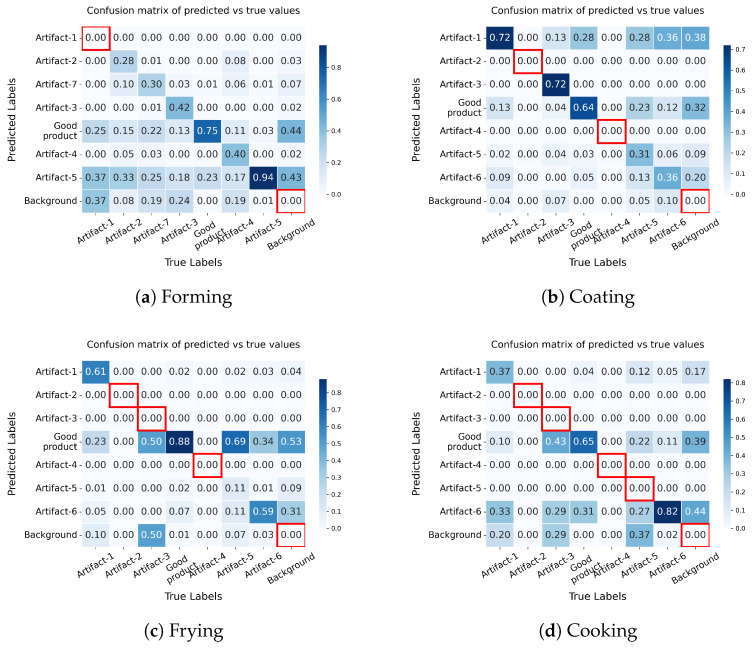 Figure 7
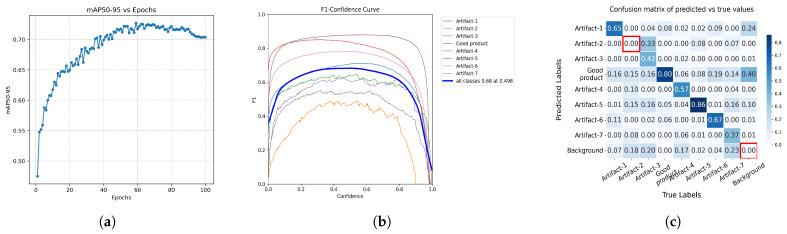 Figure 8
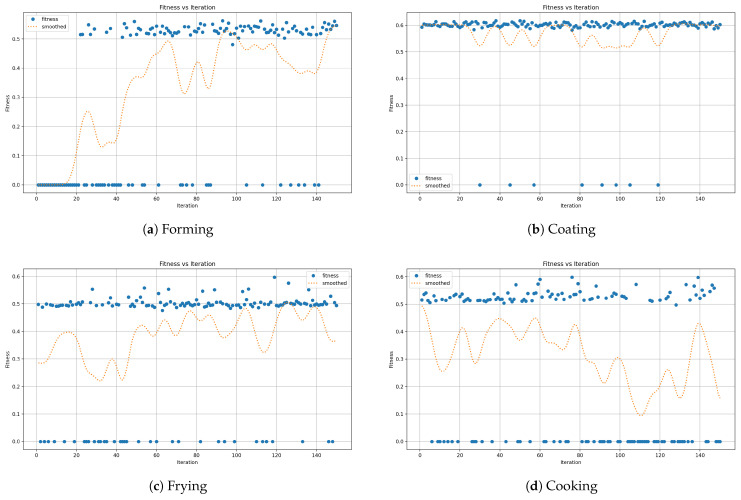 Figure 9
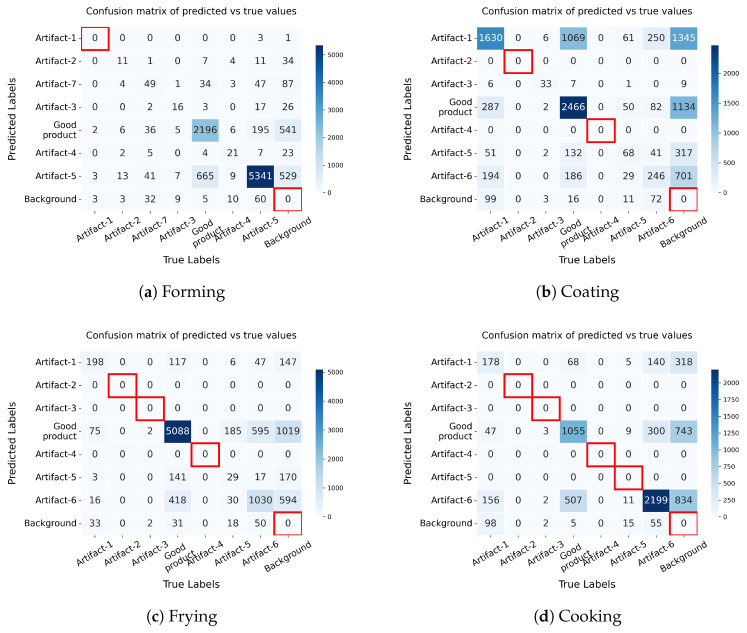 Figure 10
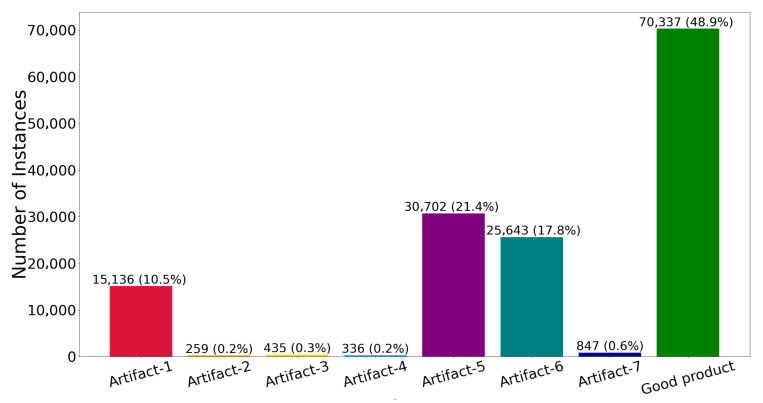 Figure 11
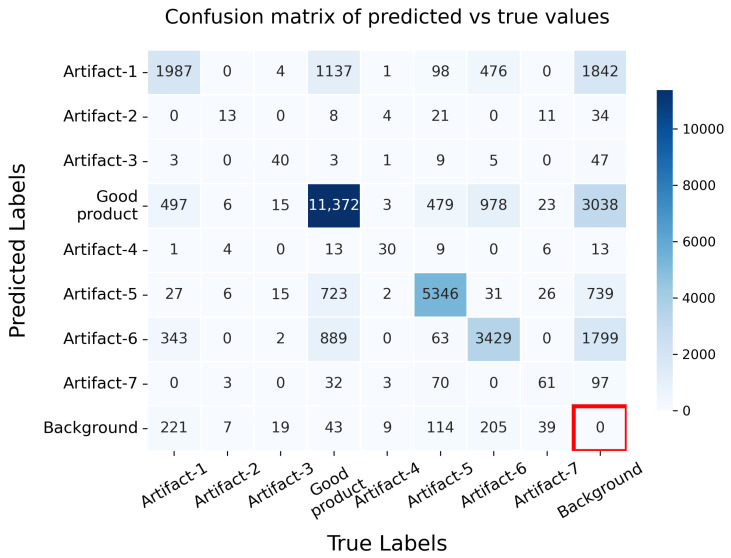 Figure 12
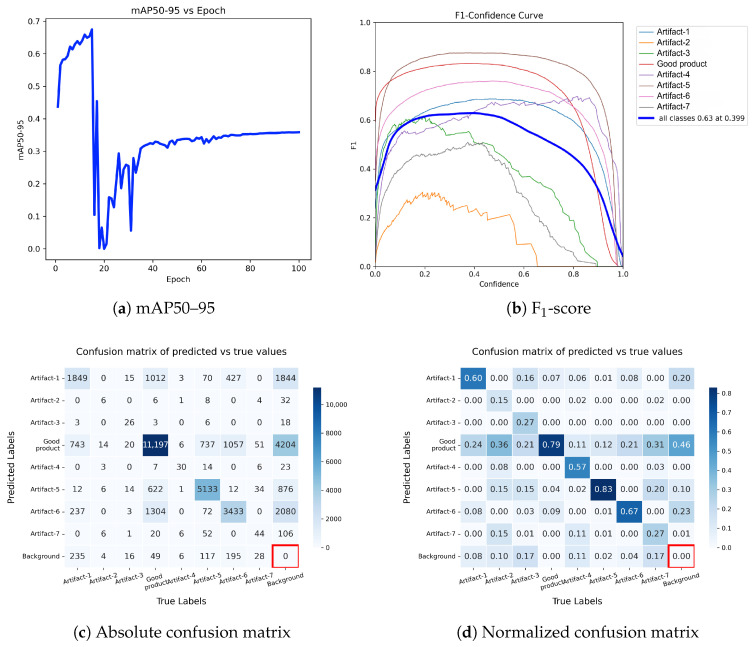 Figure 13
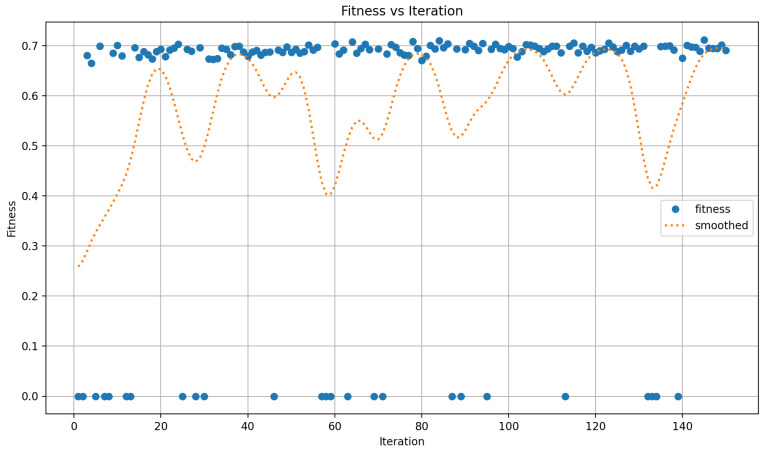 Figure 14
 Figure 15
Peer Reviews
No public reviews on file for this paper yet. If you reviewed it on a platform where reviews are public (OpenReview, ICLR, NeurIPS, ICML), you can paste yours below so the community can read it here.
Videos
No videos yet. Explain this paper in a talk, walkthrough, or lecture? Add one.
Taxonomy
TopicsFood Supply Chain Traceability · Spectroscopy and Chemometric Analyses · Nutritional Studies and Diet