The Complete Mitochondrial Genomes of Two Octopi of the Western Pacific Ocean, Japetella diaphana and Amphitretus pelagicus (Cephalopoda: Amphitretidae), and Their Phylogenetic Position Within Amphitretidae
Michel Murwanashyaka, Lihua Jiang, Liyi Pei, Bilin Liu

TL;DR
This study analyzes the mitochondrial genomes of two octopus species to better understand their evolutionary relationships within the cephalopod family.
Contribution
The paper provides new mitochondrial genome data and phylogenetic insights for two octopus species in the Amphitretidae family.
Findings
Both species show a strong adenine–thymine bias in their mitochondrial genomes.
A. pelagicus has gene rearrangements and two large non-coding regions.
Phylogenetic analysis reveals a sister taxon relationship between Amphitretidae and Tremoctopodidae.
Abstract
Background/Objectives: A comprehensive analysis of the mitochondrial genomes of Japetella diaphana and Amphitretus pelagicus was conducted to investigate their genomic composition, gene size, sequence characteristics, and phylogenetic positioning within the Amphitretidae family. Methods: A rigorous phylogenetic analysis was performed utilizing a dataset comprising 13 protein-coding genes, two ribosomal RNAs, and 22 transfer RNAs derived from 26 cephalopod mitochondrial genomes, representing 25 species across seven families, Vampyroteuthidae, Tremoctopodidae, Octopodidae, Enteroctopodidae, Bolitaenidae, Argonautidae, and Amphitretidae, along with outgroup Nautilus macromphalus. Results: Notably, both focal species demonstrated a pronounced adenine–thymine bias in their mitochondrial genomes, with A. pelagicus exhibiting gene rearrangements and two extensive non-coding regions. The…
Genes, proteins, chemicals, diseases, species, mutations and cell lines named across the full text — each resolved to its canonical identifier and authoritative record.
Click any figure to enlarge with its caption.
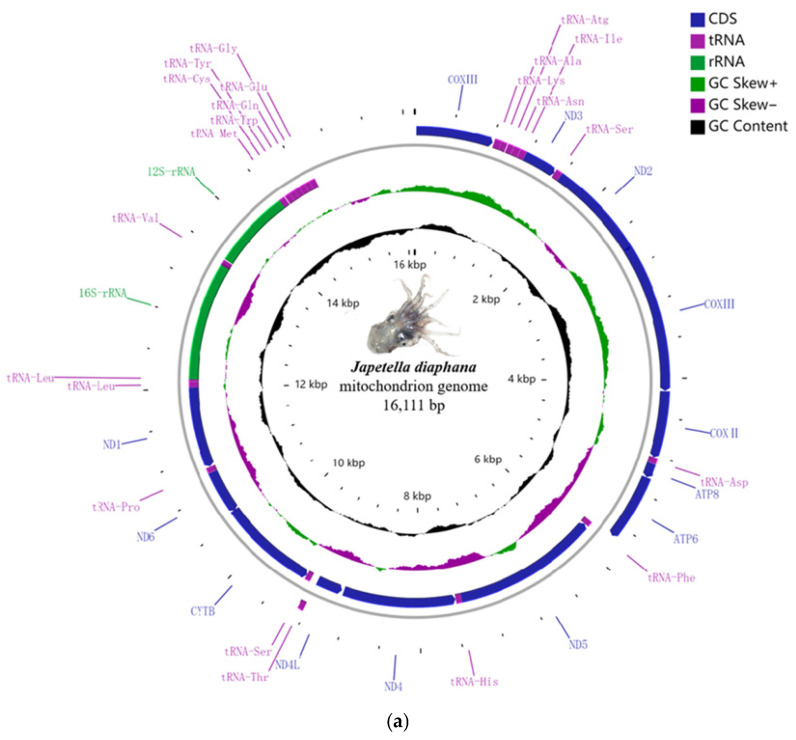 Figure 1
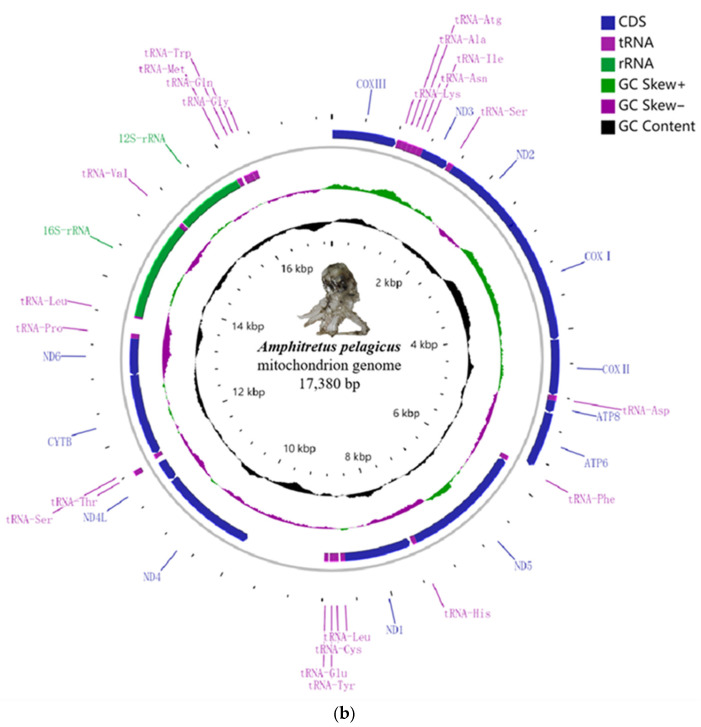 Figure 2
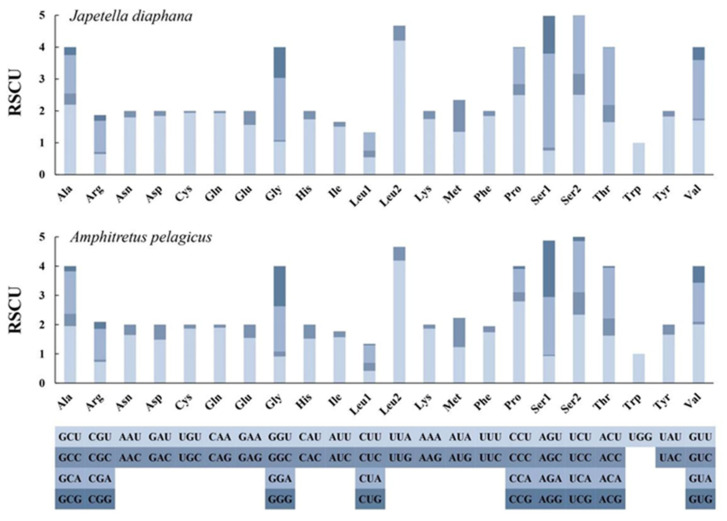 Figure 3
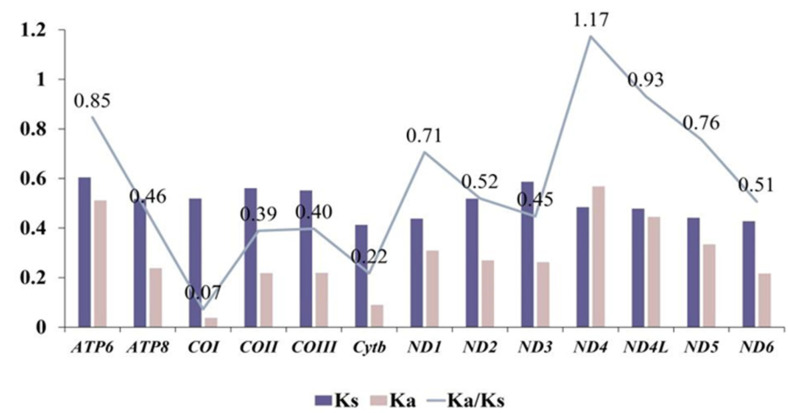 Figure 4
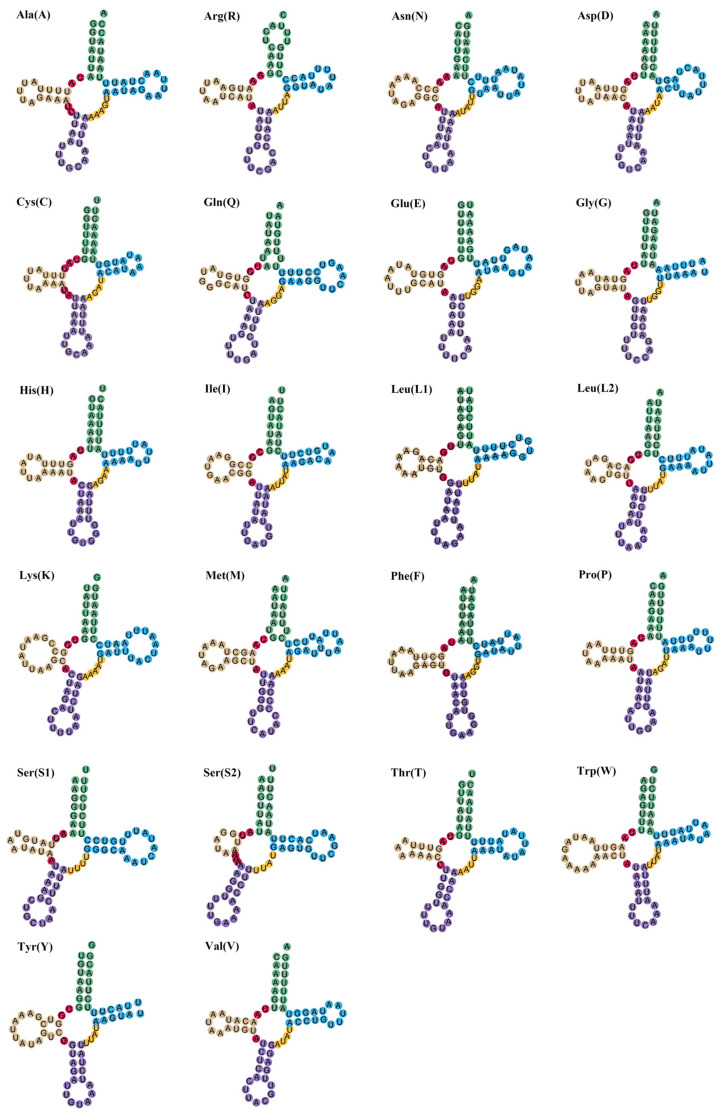 Figure 5
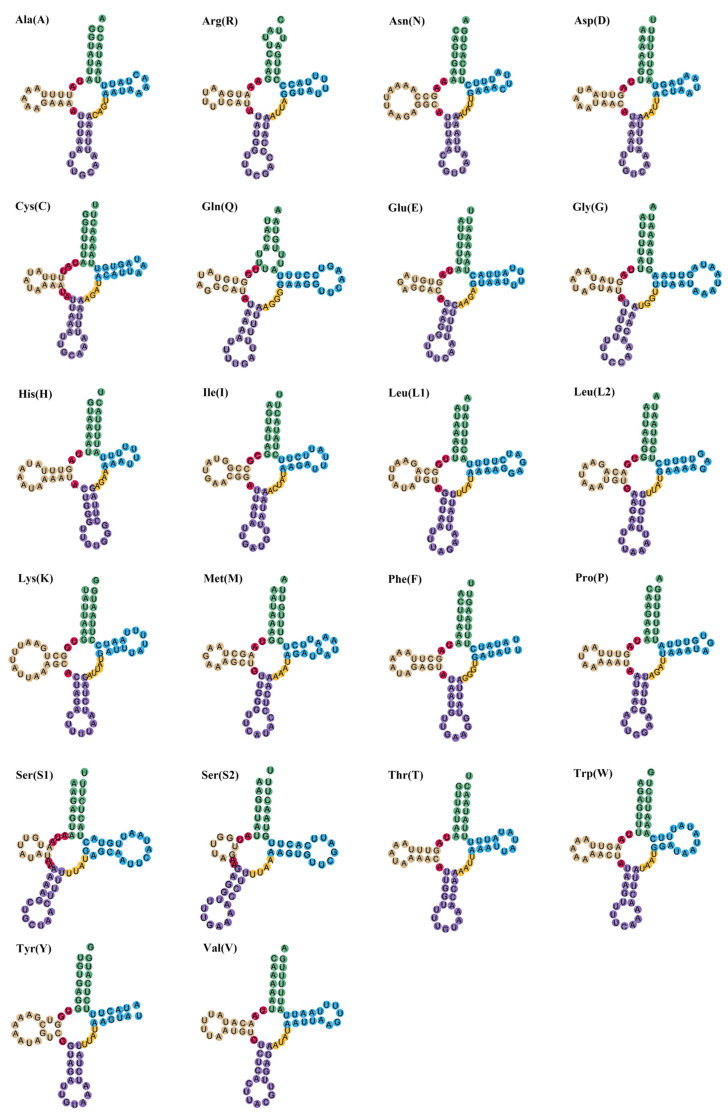 Figure 6
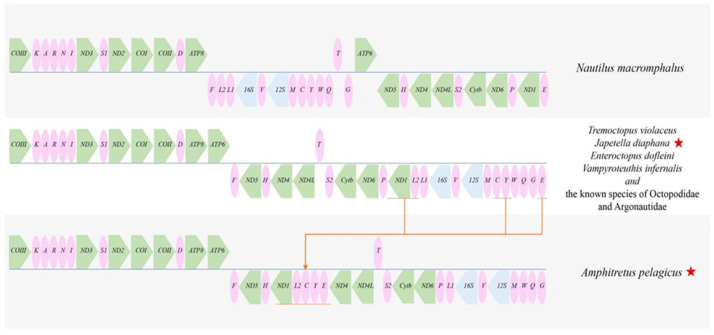 Figure 7
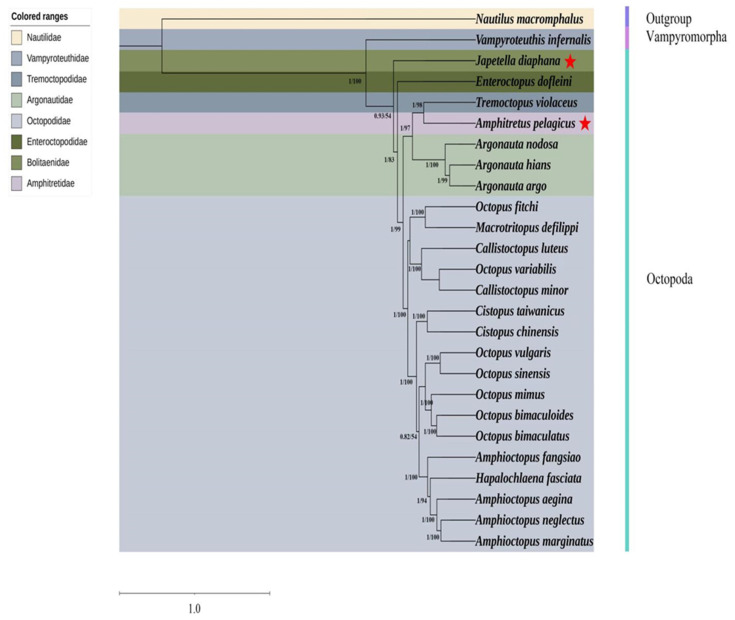 Figure 8
Peer Reviews
No public reviews on file for this paper yet. If you reviewed it on a platform where reviews are public (OpenReview, ICLR, NeurIPS, ICML), you can paste yours below so the community can read it here.
Videos
No videos yet. Explain this paper in a talk, walkthrough, or lecture? Add one.
Taxonomy
TopicsCephalopods and Marine Biology · Genomics and Phylogenetic Studies · Echinoderm biology and ecology