Modeling Chronic BaP Exposure in Bronchial Epithelial Cells Reveals Multi-Scale Drivers of Early Preneoplastic Reprogramming
Cristian Andrade-Madrigal, Cecilia Rojas-Fuentes, Javier Díaz-Mijares, Gloria M. Calaf, Pablo M. Santoro, Alejandro H. Corvalán, Francisca J. Medina, Cristian G. Torres, Paula Romero-Vicencio, Julio C. Tapia, Mónica L. Acevedo, Ricardo Soto-Rifo, Enrique Boccardo

TL;DR
Chronic exposure to benzo[a]pyrene in bronchial cells leads to preneoplastic changes through multiple biological pathways, without causing full cancer.
Contribution
The study establishes a validated multi-omics platform linking chronic BaP exposure to early preneoplastic reprogramming in bronchial epithelial cells.
Findings
Chronic BaP exposure induces genotoxic stress and transcriptional changes without causing tumorigenicity.
RNA-seq reveals dose-dependent gene expression shifts affecting extracellular matrix, inflammation, and signaling pathways.
Organotypic cultures show histological dysplasia and disrupted polarity, indicating preneoplastic reprogramming.
Abstract
Chronic exposure to benzo[a]pyrene (BaP), a Group 1 IARC carcinogen, is a major driver of lung carcinogenesis; however, how sustained subcytotoxic exposure reprograms bronchial epithelium toward preneoplastic states remains poorly defined. Here, we subjected BEAS-2B human bronchial epithelial cells to 12 weeks of continuous BaP at environmentally relevant concentrations (0.1 and 1.0 µM) and interrogated the resulting phenotypes using an integrated multi-scale framework encompassing functional toxicology, RT-qPCR, RNA-seq, phospho-kinase/NF-κB arrays, and organotypic air–liquid interface (ALI) cultures. Cells maintained metabolic competence throughout, evidenced by sustained CYP1A1 and CYP1B1 induction at both acute (4 h) and chronic (12-week) timepoints, while accumulating genotoxic stress as demonstrated by dose-dependent nuclear γ-H2AX foci formation and ATM phosphorylation (Ser1981).…
Genes, proteins, chemicals, diseases, species, mutations and cell lines named across the full text — each resolved to its canonical identifier and authoritative record.
Click any figure to enlarge with its caption.
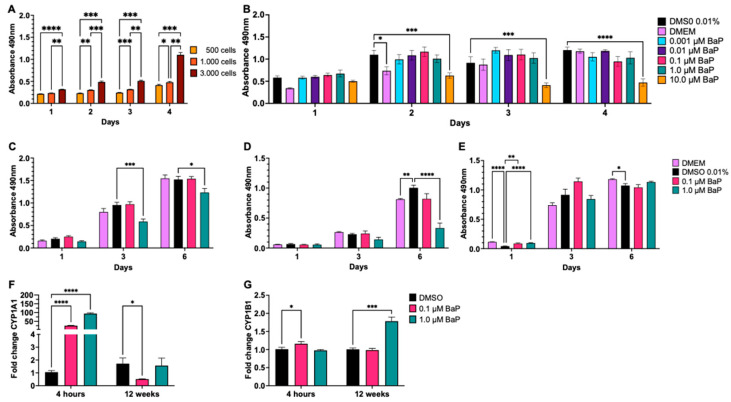 Figure 1
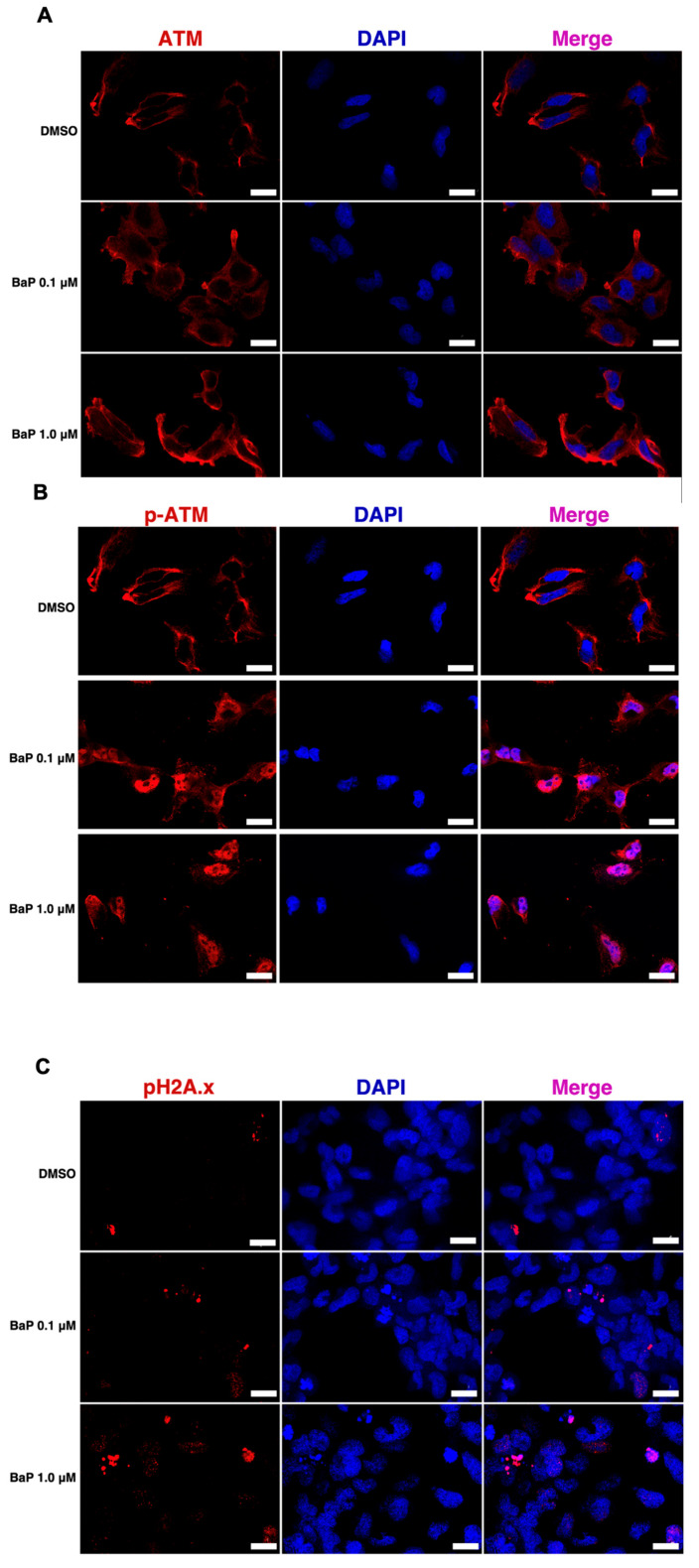 Figure 2
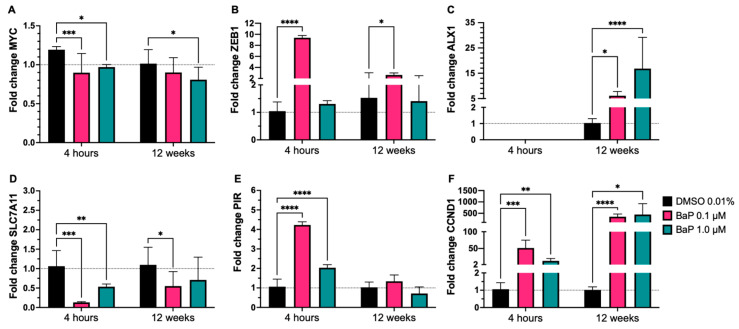 Figure 3
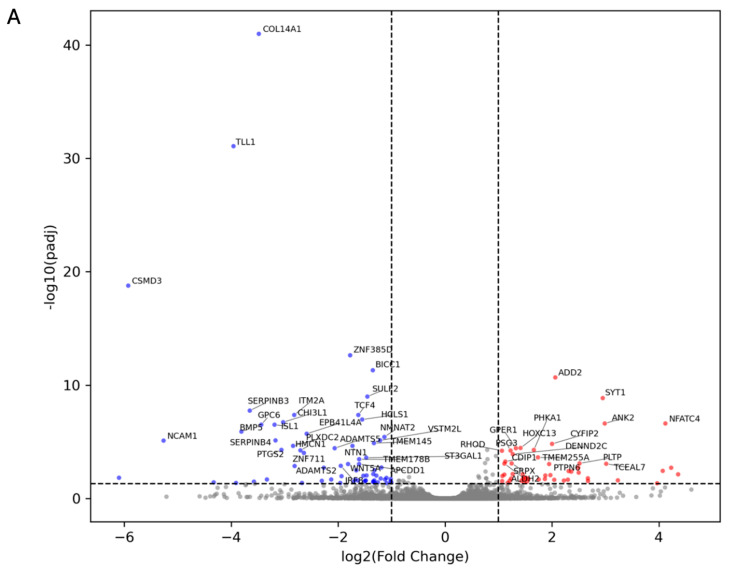 Figure 4
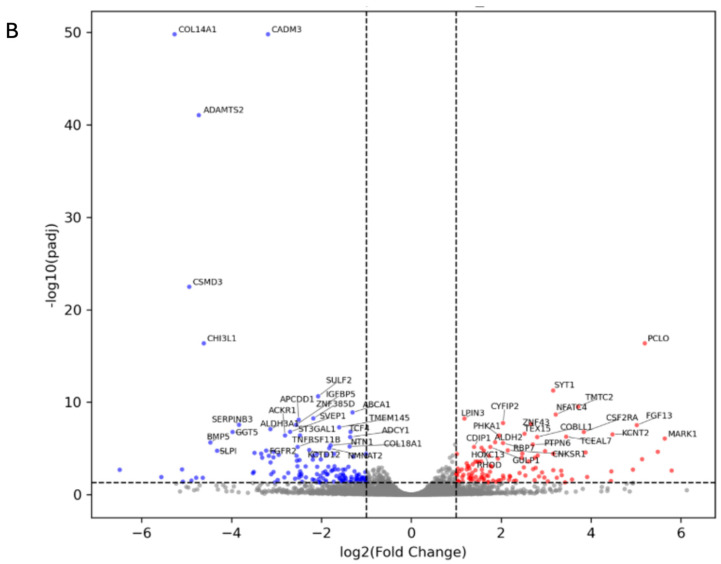 Figure 5
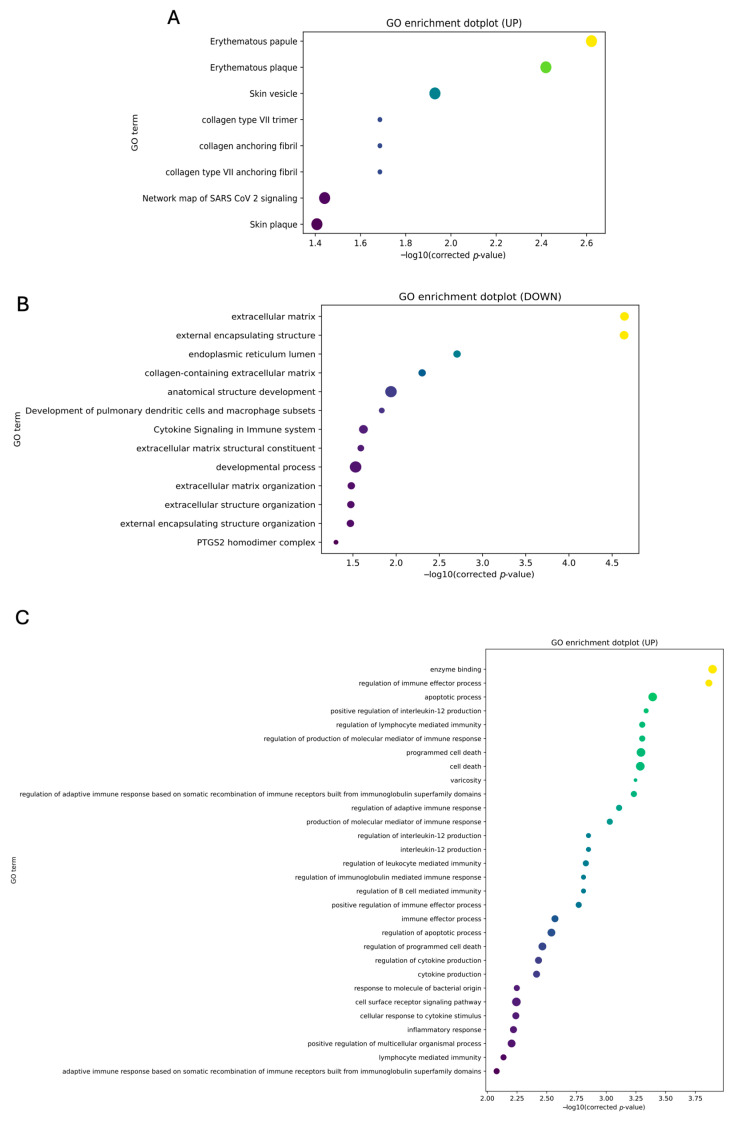 Figure 6
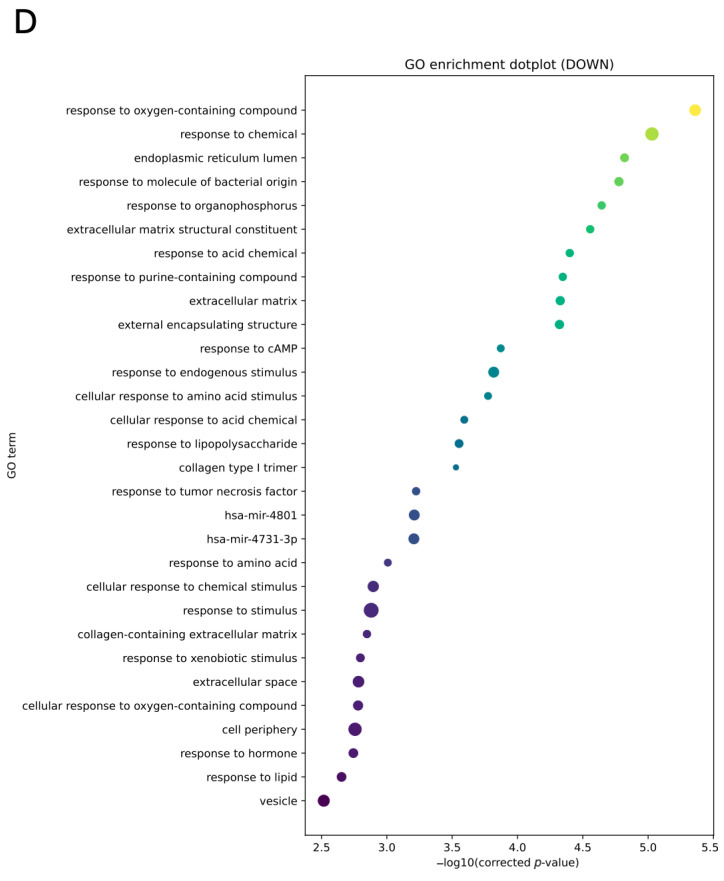 Figure 7
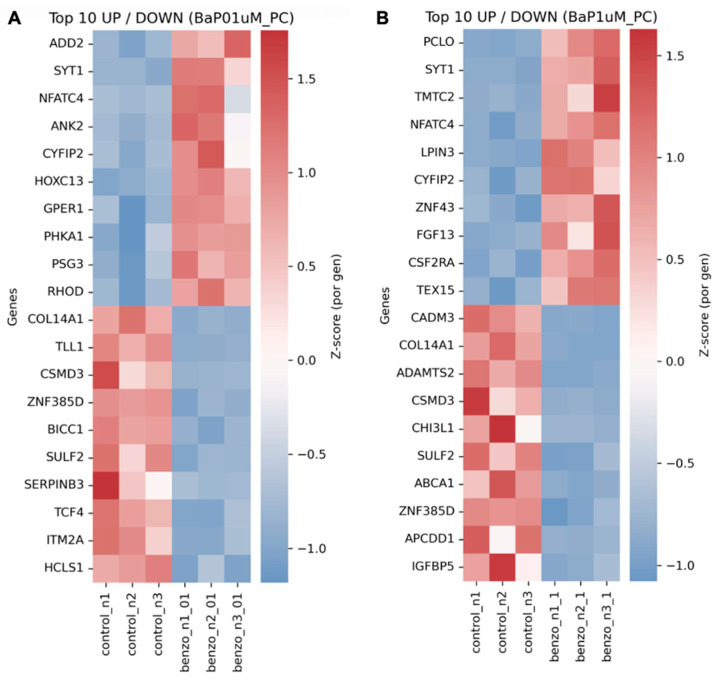 Figure 8
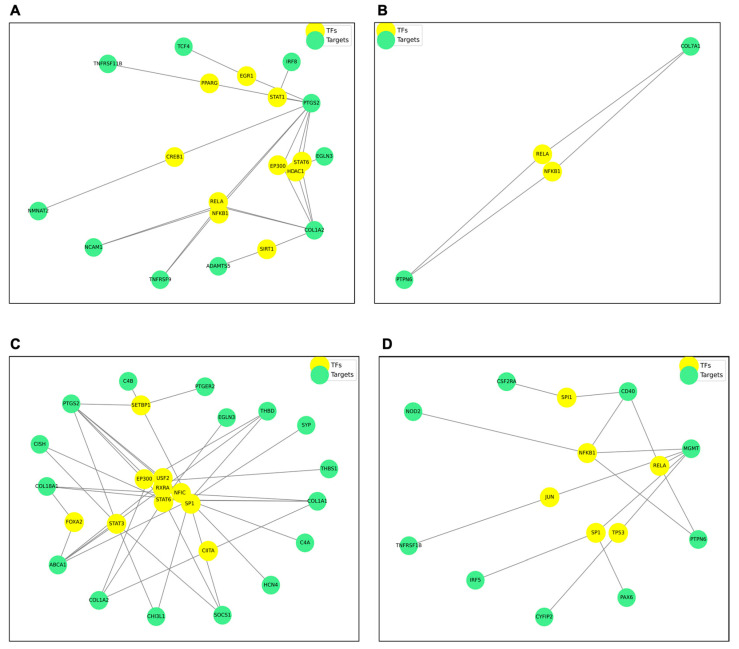 Figure 9
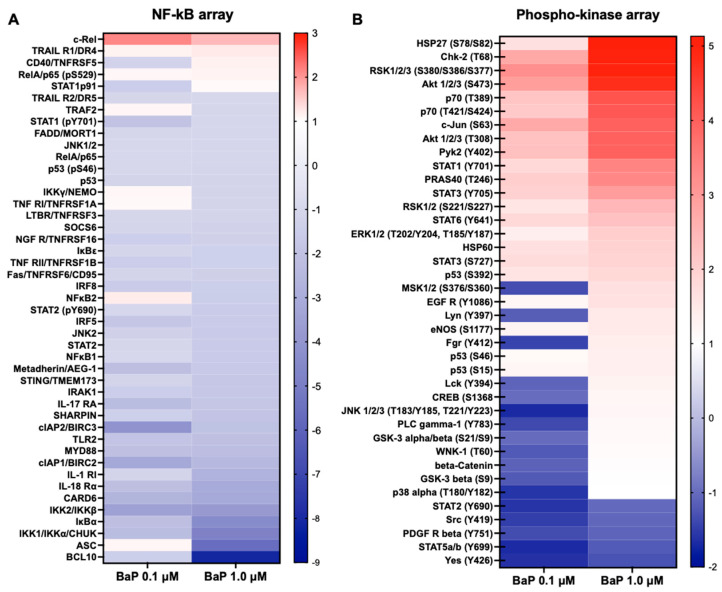 Figure 10
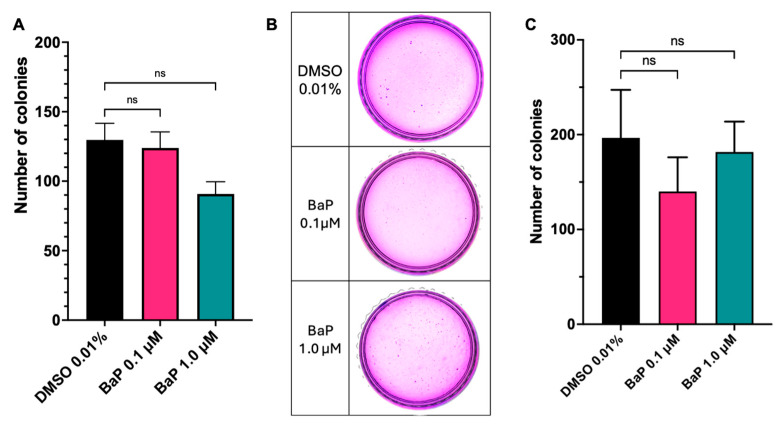 Figure 11
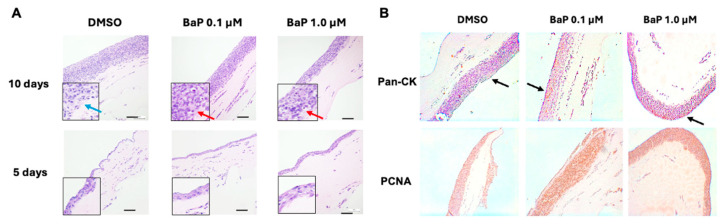 Figure 12
Peer Reviews
No public reviews on file for this paper yet. If you reviewed it on a platform where reviews are public (OpenReview, ICLR, NeurIPS, ICML), you can paste yours below so the community can read it here.
Videos
No videos yet. Explain this paper in a talk, walkthrough, or lecture? Add one.
Taxonomy
TopicsCarcinogens and Genotoxicity Assessment · Toxic Organic Pollutants Impact · NF-κB Signaling Pathways