Functional Characterization of POLE1 Variant Fibroblasts Reveals Replication Stress and Increased Sensitivity to Genotoxic Stress
Enas Khdeda, Nora Naumann-Bartsch, Nawres Khdeda, Giulia Cramer, Laura S. Hildebrand, Paula Schiller, Paul Julian Wagner, Franziska Fahrmeier, Ulrike Hüffmeier, Stefanie Corradini, Luitpold V. Distel, Lukas C. F. Kuhlmann

TL;DR
This study shows that fibroblasts with POLE1 variants are more sensitive to DNA-damaging stress and experience replication issues.
Contribution
First functional analysis of POLE1-variant fibroblasts from a compound-heterozygous patient, revealing replication stress and genotoxic sensitivity.
Findings
POLE1-variant fibroblasts show reduced clonogenic survival after ionizing radiation compared to healthy controls.
Increased chromosomal breakage and γH2AX foci suggest impaired DNA damage processing in these cells.
Cells exhibit delayed proliferation, S phase accumulation, and heightened senescence under genotoxic stress.
Abstract
Background/Objectives: DNA polymerase ε (Pol ε), encoded by POLE1, plays a pivotal role in high-fidelity DNA replication and in coordinating DNA repair. While pathogenic exonuclease-domain variants are well established in cancer, biallelic POLE1 variants remain largely unexplored in non-malignant human cells. Methods: Here, we analyzed primary fibroblasts derived from a skin biopsy of a compound-heterozygous patient carrying two POLE1 variants. Western blot analysis confirmed detectable Pol ε protein levels, indicating preserved protein expression despite the underlying variants. Results: Nevertheless, functional alterations were observed across multiple independent assays. Compared with healthy control fibroblasts, this patient-derived Pol ε fibroblast line exhibited reduced clonogenic survival following ionizing radiation. Surviving fractions were consistently lower across radiation…
Genes, proteins, chemicals, diseases, species, mutations and cell lines named across the full text — each resolved to its canonical identifier and authoritative record.
Click any figure to enlarge with its caption.
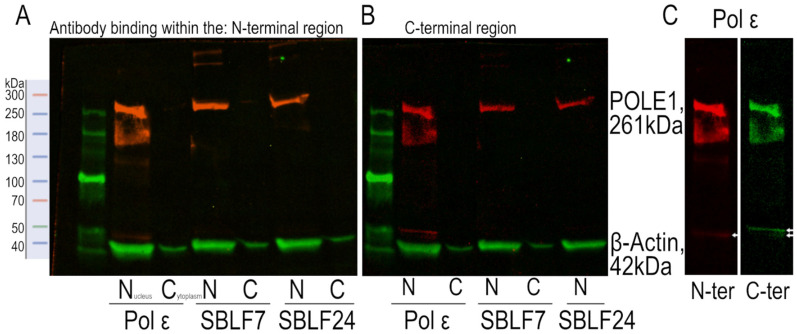 Figure 1
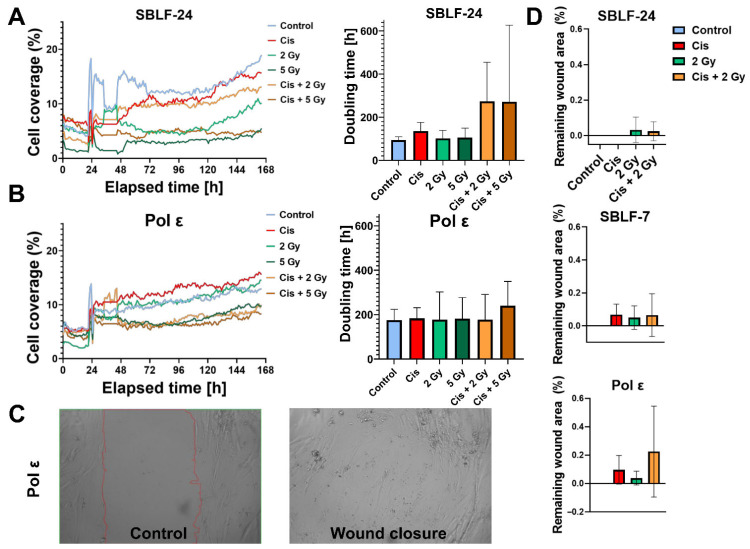 Figure 2
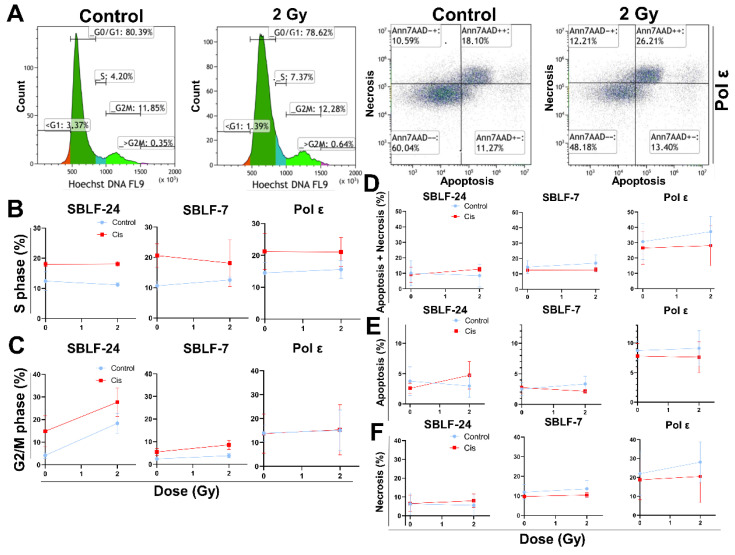 Figure 3
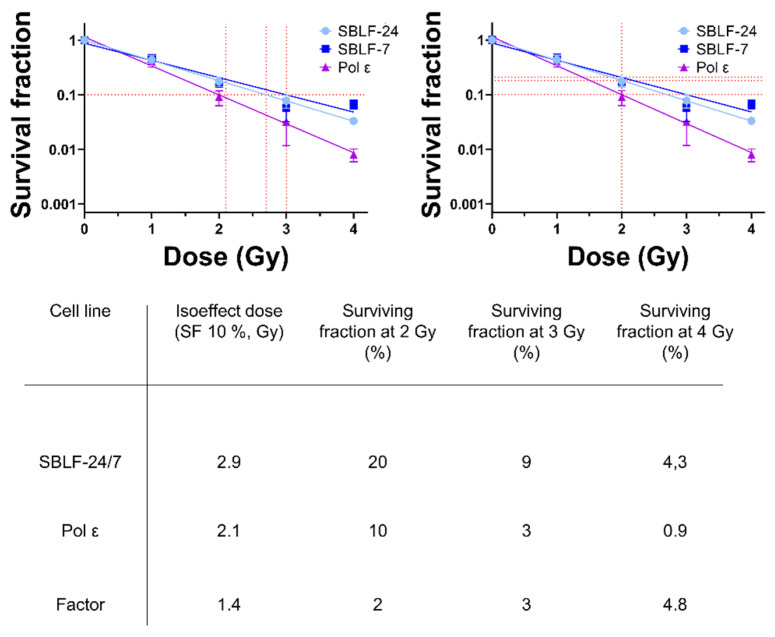 Figure 4
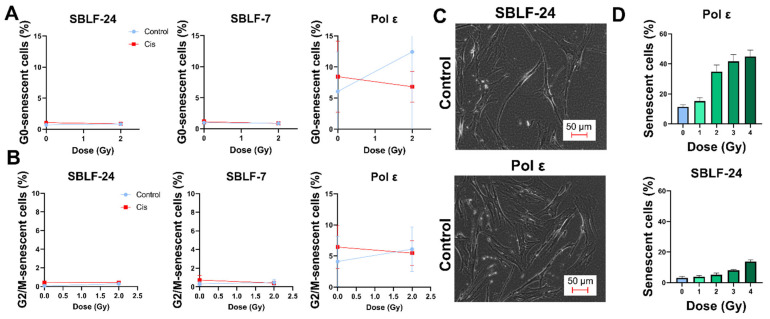 Figure 5
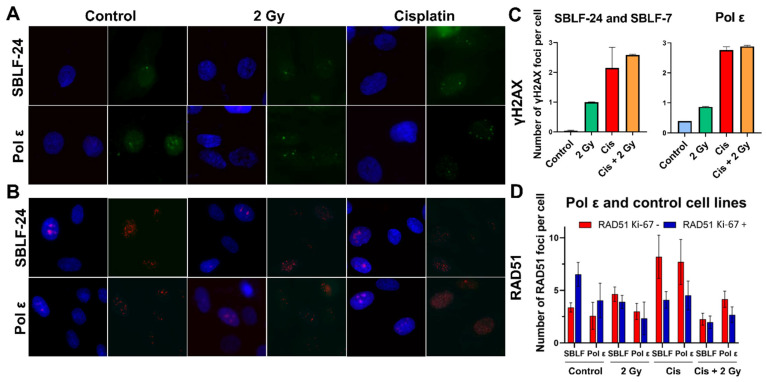 Figure 6
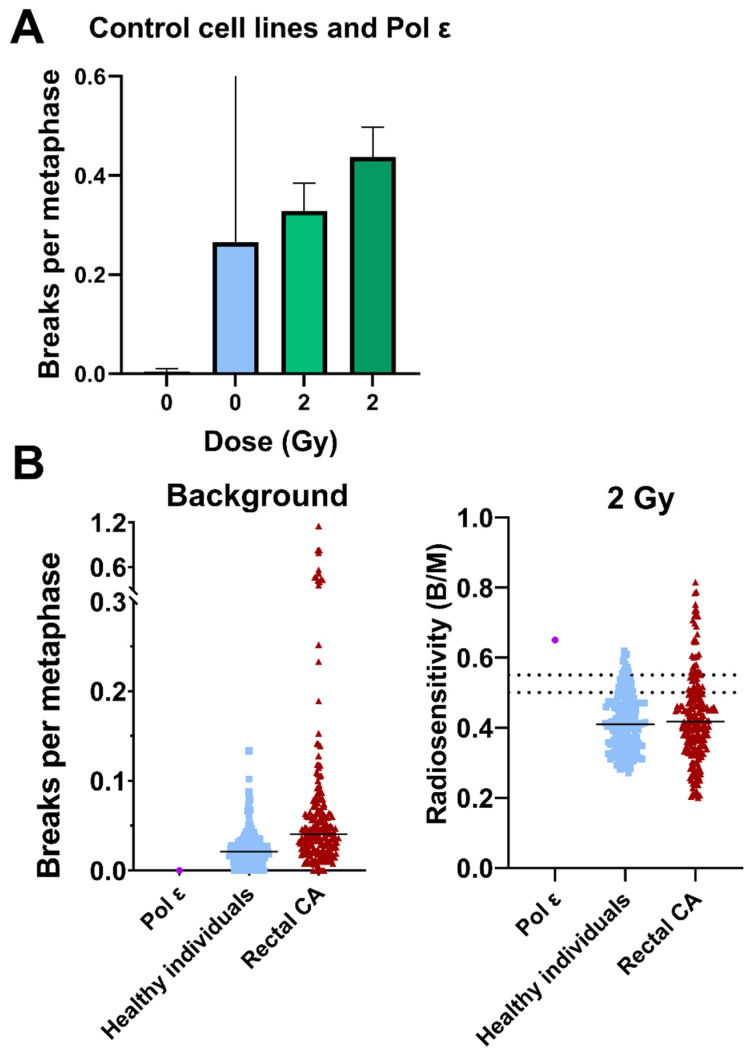 Figure 7
Peer Reviews
No public reviews on file for this paper yet. If you reviewed it on a platform where reviews are public (OpenReview, ICLR, NeurIPS, ICML), you can paste yours below so the community can read it here.
Videos
No videos yet. Explain this paper in a talk, walkthrough, or lecture? Add one.
Taxonomy
TopicsDNA Repair Mechanisms · Genetic factors in colorectal cancer · PARP inhibition in cancer therapy