Loss of WT1 Drives Adaptive Plasticity in CCDC6-RET Selpercatinib-Resistant Papillary Thyroid Cancer
Giuseppe Siragusa, Laura Tomasello, Mattia Biondo, Fabiola Vaglica, Carla Giordano, Giorgio Arnaldi, Giuseppe Pizzolanti

TL;DR
This study shows that losing the WT1 gene helps papillary thyroid cancer become resistant to the drug selpercatinib by increasing tumor flexibility and cell movement.
Contribution
The study reveals a novel role of WT1 in driving adaptive plasticity and drug resistance in CCDC6-RET PTC.
Findings
WT1 is downregulated in selpercatinib-resistant PTC cells.
WT1 loss rewires EMT-related gene expression and increases cell motility.
WT1 silencing leads to post-transcriptional compensation of CCDC6-RET in resistant cells.
Abstract
Background: Papillary Thyroid Cancer (PTC) harboring CCDC6-RET translocation is typically classified as a differentiated epithelial tumor. Although Selpercatinib, a RET-selective drug, was recently approved for use in advanced PTC, the emergence of drug resistance has already been observed. Tumor plasticity, including non-canonical Epithelial–Mesenchymal Transition (EMT) programs, is recognized as a key mechanism underlying drug resistance. The downregulation of the transcription factor Wilms’ Tumor 1 (WT1) in cancer is associated with increased motility, invasiveness, and metastatic potential. Methods: In this study, we developed a selpercatinib-resistant PTC-derived cell line, TPC-1-SelpR. Bioinformatic analyses were conducted to study the promoter of the CCDC6-RET gene and the transcriptomic landscape of PTC from RNAseq data. Subsequent real-time PCR, Western blot, and imaging…
Genes, proteins, chemicals, diseases, species, mutations and cell lines named across the full text — each resolved to its canonical identifier and authoritative record.
Click any figure to enlarge with its caption.
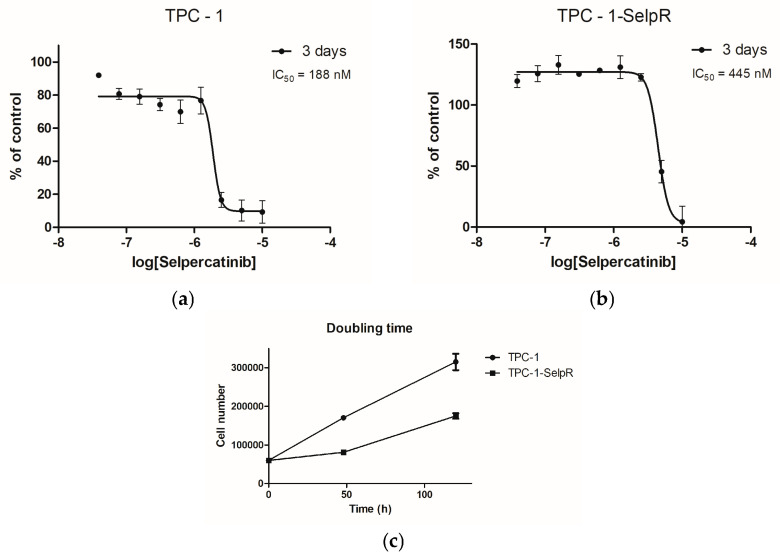 Figure 1
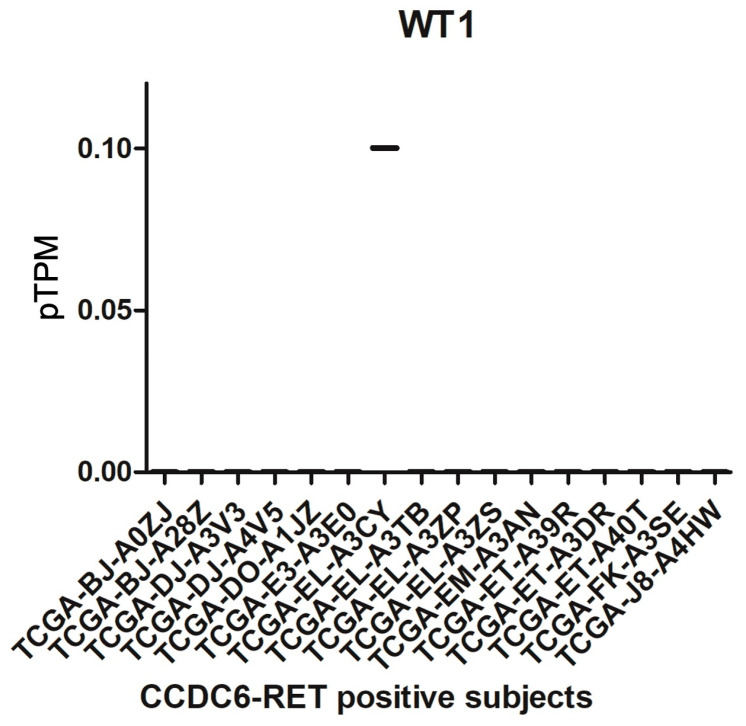 Figure 2
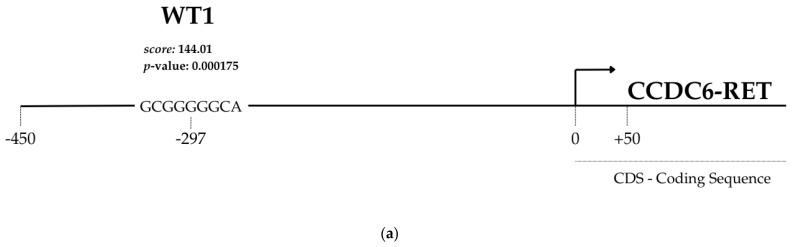 Figure 3
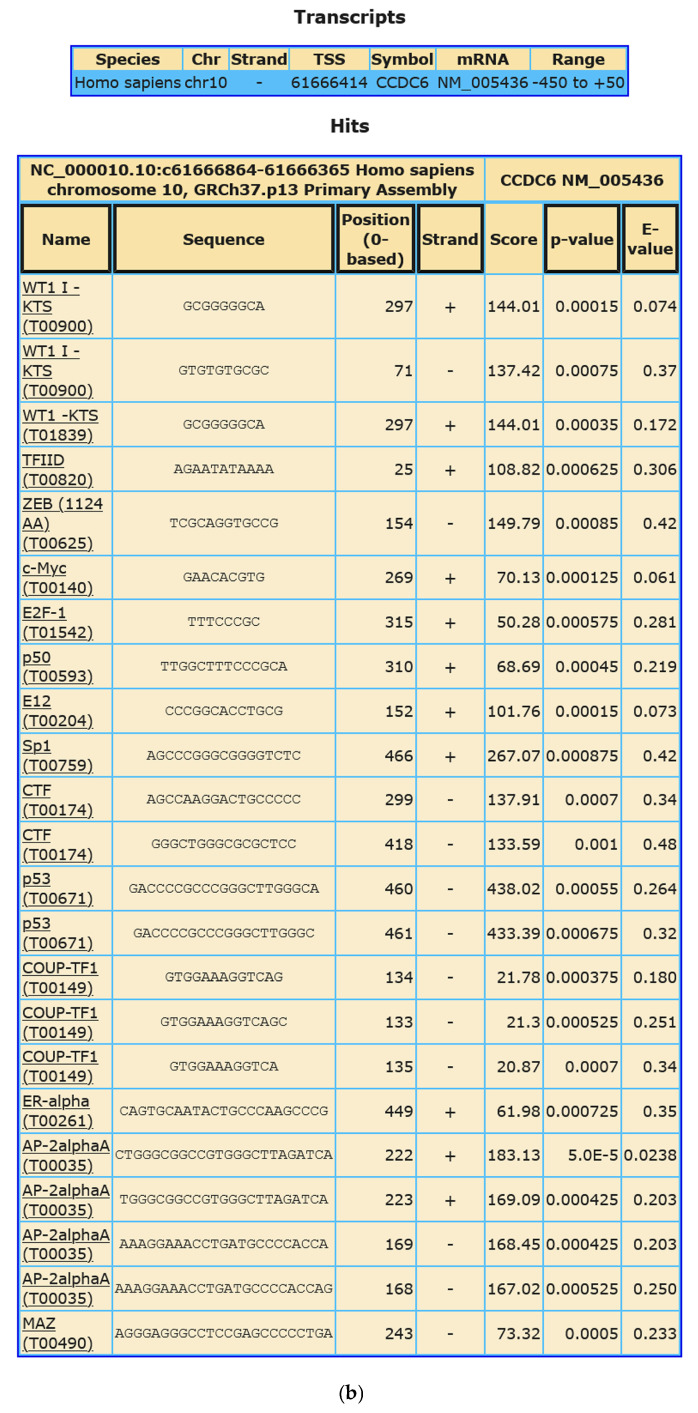 Figure 4
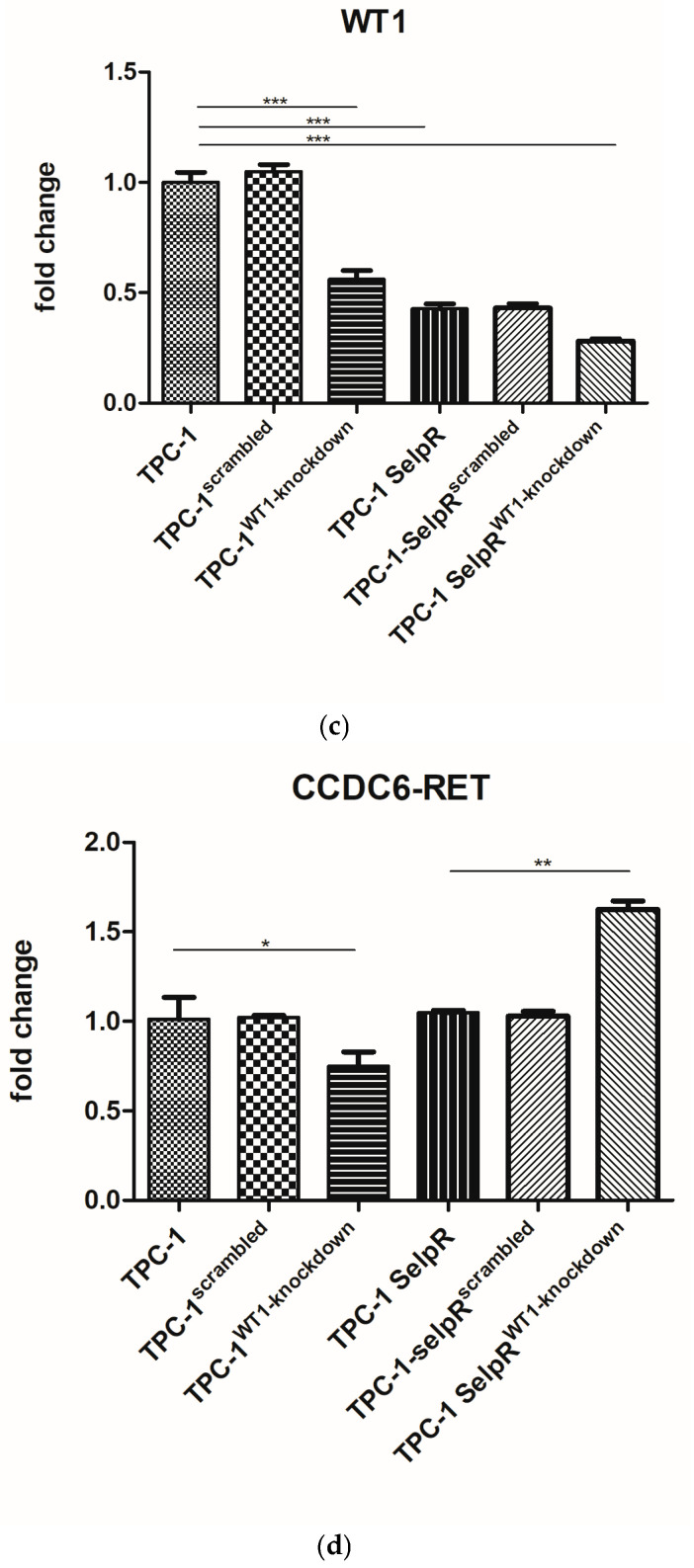 Figure 5
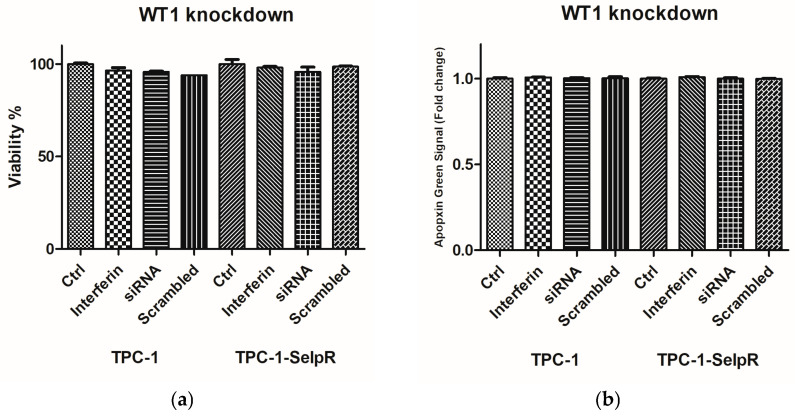 Figure 6
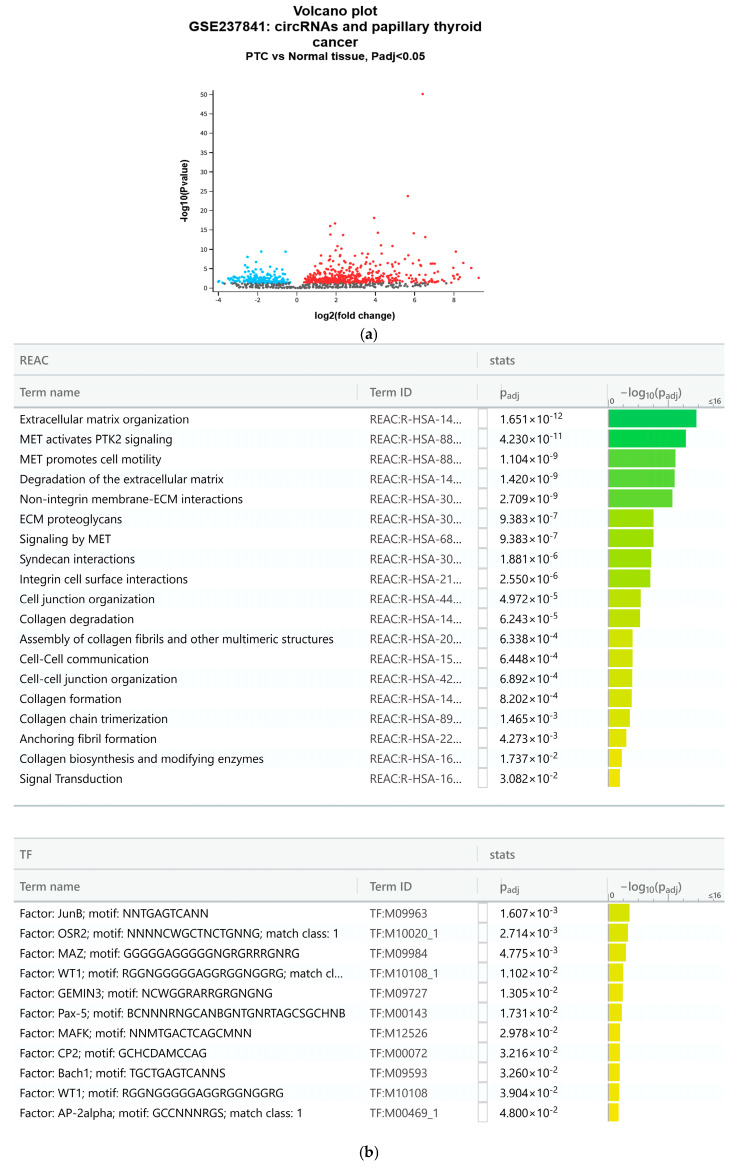 Figure 7
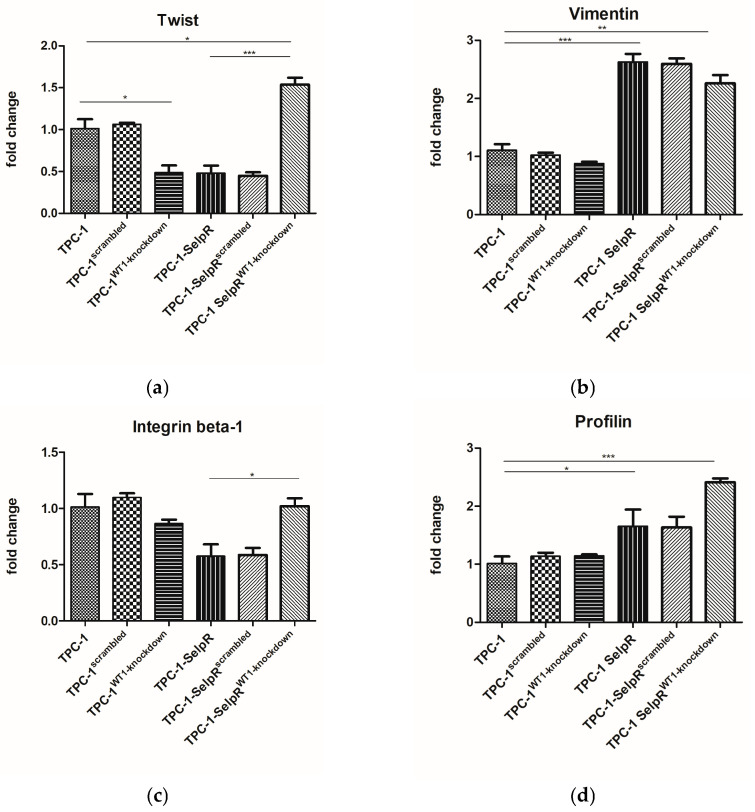 Figure 8
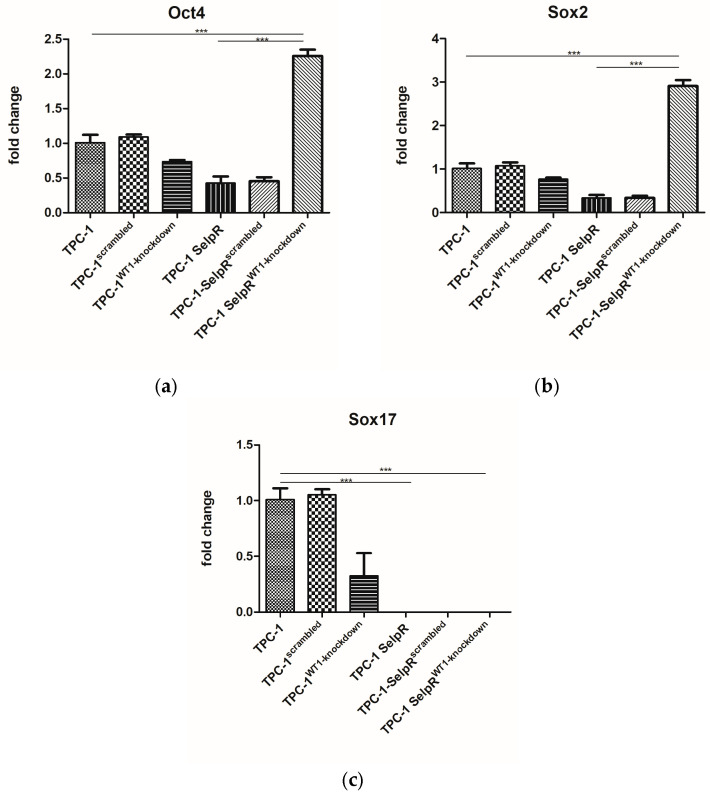 Figure 9
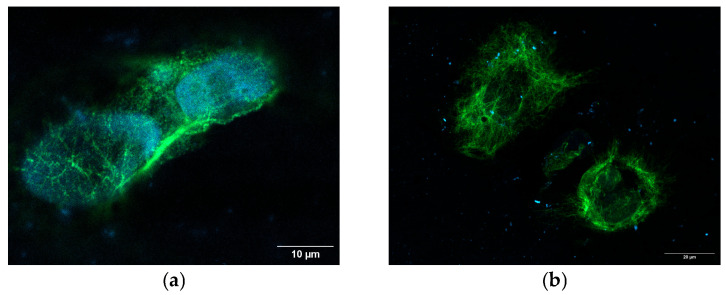 Figure 10
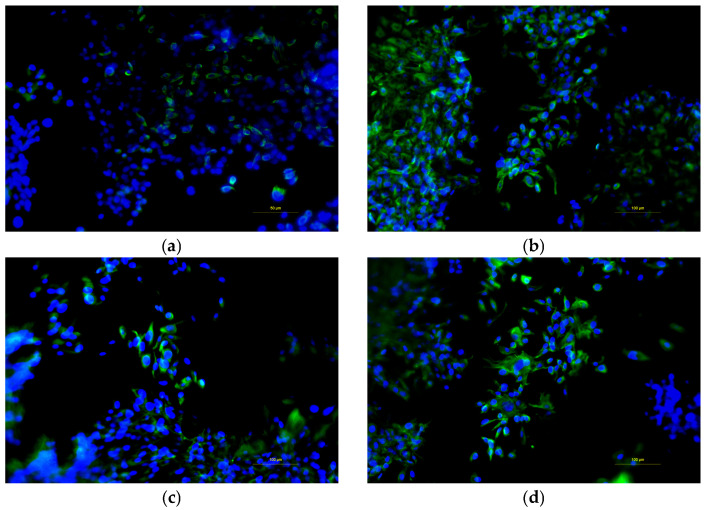 Figure 11
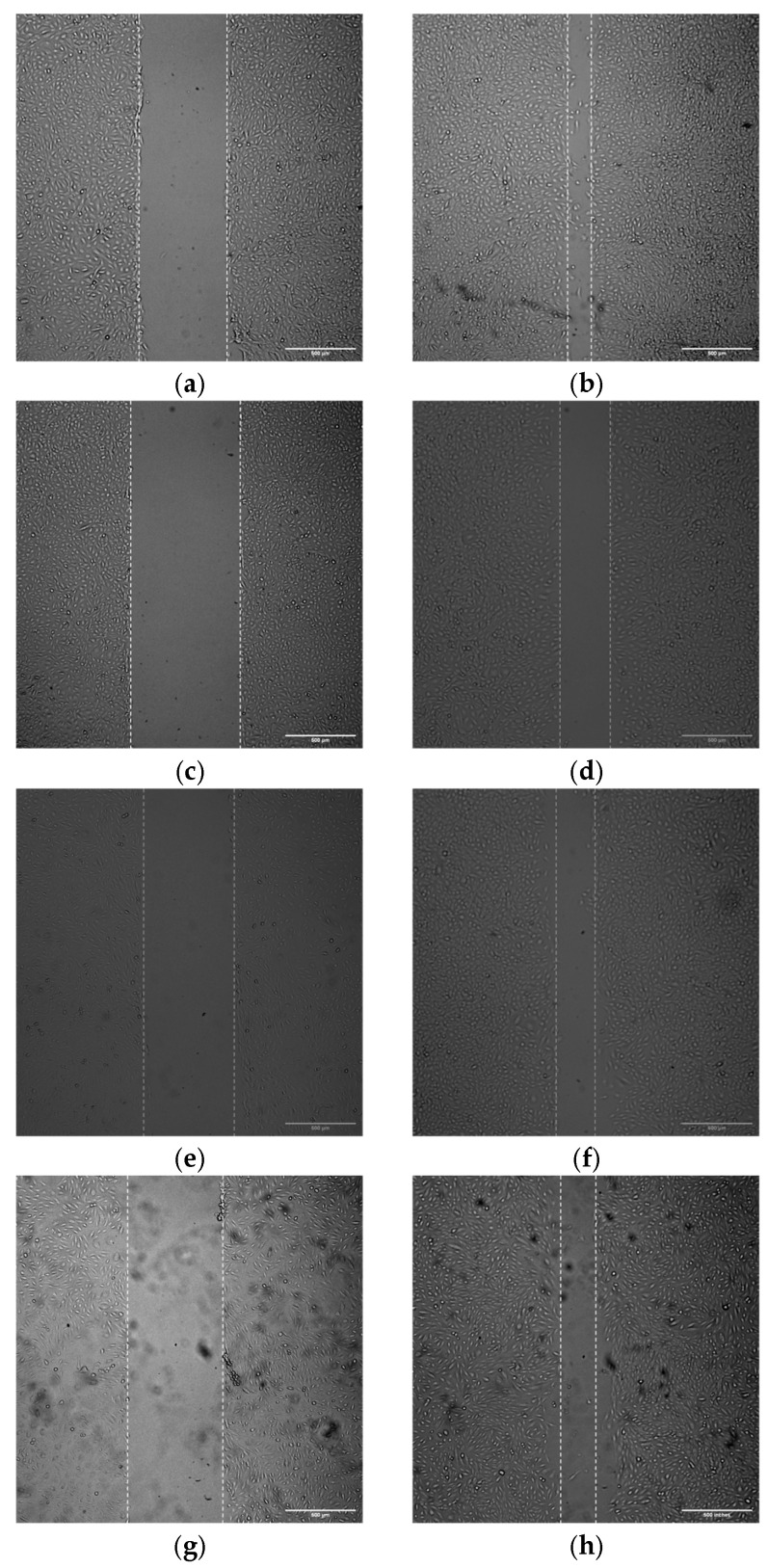 Figure 12
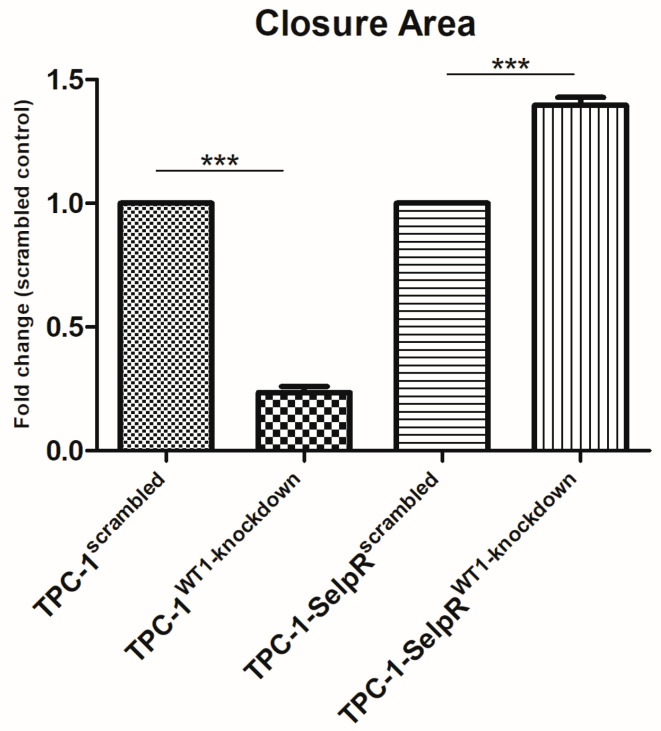 Figure 13
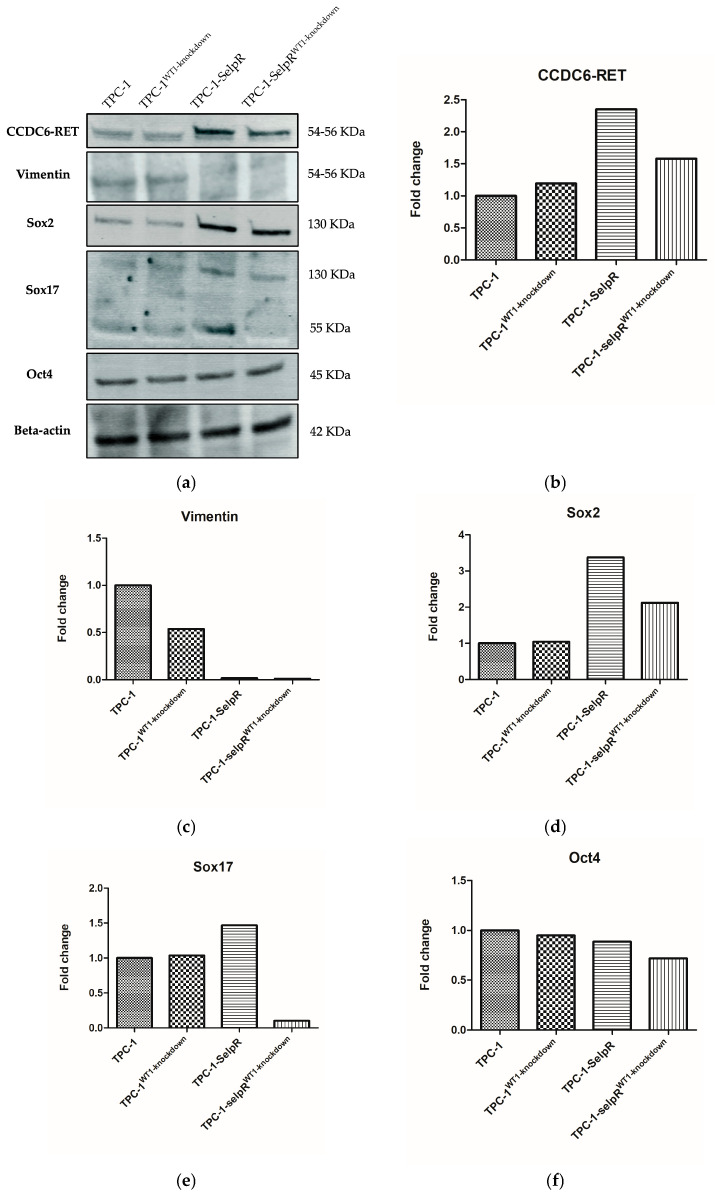 Figure 14
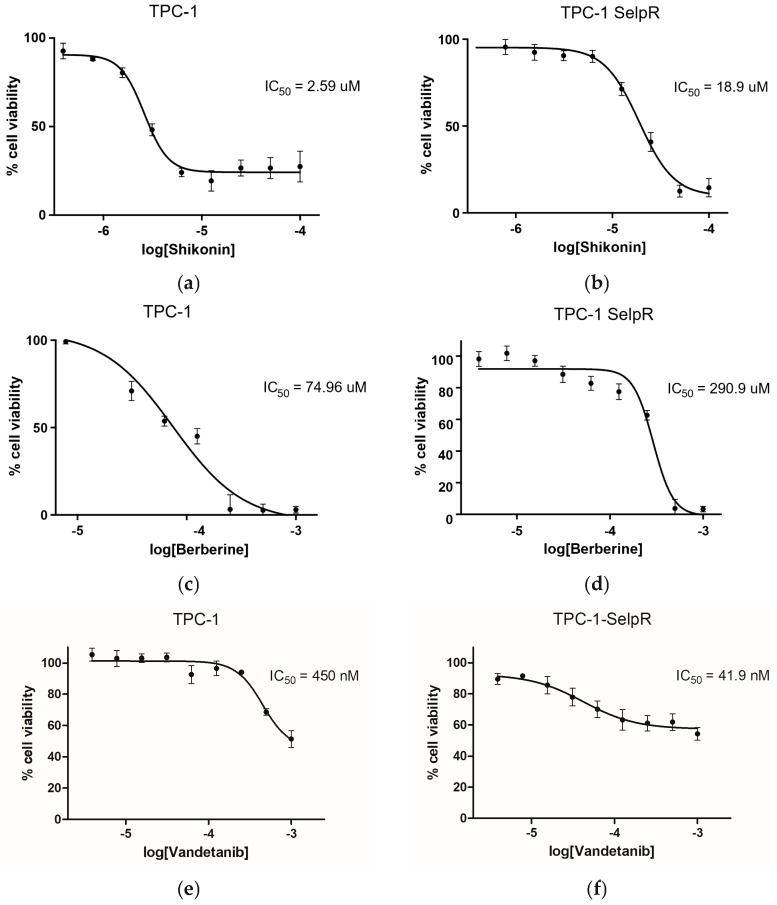 Figure 15
Peer Reviews
No public reviews on file for this paper yet. If you reviewed it on a platform where reviews are public (OpenReview, ICLR, NeurIPS, ICML), you can paste yours below so the community can read it here.
Videos
No videos yet. Explain this paper in a talk, walkthrough, or lecture? Add one.
Taxonomy
TopicsThyroid Cancer Diagnosis and Treatment · Renal and related cancers · Connective Tissue Growth Factor Research