Mitochondria-Targeted Hydrogen Sulphide Delivery via an Adhesive Hydrogel Modulates Inflammation and Oxidative Stress in Diabetic Wounds
Mandeep Kaur Marwah, Hala Shokr, Yukta Sameer Hindalekar, Mohamad Anas Al Tahan, Karan Rana, Lissette Sanchez-Aranguren, Maymunah Sarr, Jacob Baxandall, Katy Mcgonigal, Bahareh Hassanzadeh, Shakil Ahmad, Sami A. Al-Ani, Jeevan Singh Lall, Harmony C. K. Cheema, Kavun Dhesi

TL;DR
A new hydrogel that delivers hydrogen sulphide to mitochondria improves healing in diabetic wounds by reducing inflammation and oxidative stress.
Contribution
A mitochondria-targeted H2S donor incorporated into an adhesive hydrogel for sustained delivery in diabetic wound healing.
Findings
AP39-loaded hydrogels showed sustained release of H2S and improved mitochondrial function in diabetic-like conditions.
The hydrogel significantly reduced ROS levels and pro-inflammatory cytokines in endothelial and fibroblast cells.
Wound closure was enhanced in HUVECs, indicating improved healing potential.
Abstract
Chronic diabetic wounds are challenging to treat due to persistent inflammation, oxidative stress, impaired angiogenesis, and dysregulated matrix remodelling. Hydrogen sulphide (H2S) has emerged as a therapeutic mediator with antioxidant, anti-inflammatory, and pro-angiogenic properties; however, its clinical translation is limited by volatility and a short biological half-life. Controlled delivery systems, such as hydrogels, are therefore required to harness its potential. This study aimed to develop and evaluate a sodium 2-acrylamido-2-methylpropane sulfonate (Na-AMPS)-based adhesive hydrogel incorporating AP39, a mitochondria-targeted H2S donor, for sustained localised delivery and promotion of wound healing. Hydrogel formulations were characterised for rheological behaviour, adhesion, swelling, and AP39 release. Cytocompatibility was assessed in human umbilical vein endothelial…
Genes, proteins, chemicals, diseases, species, mutations and cell lines named across the full text — each resolved to its canonical identifier and authoritative record.
Click any figure to enlarge with its caption.
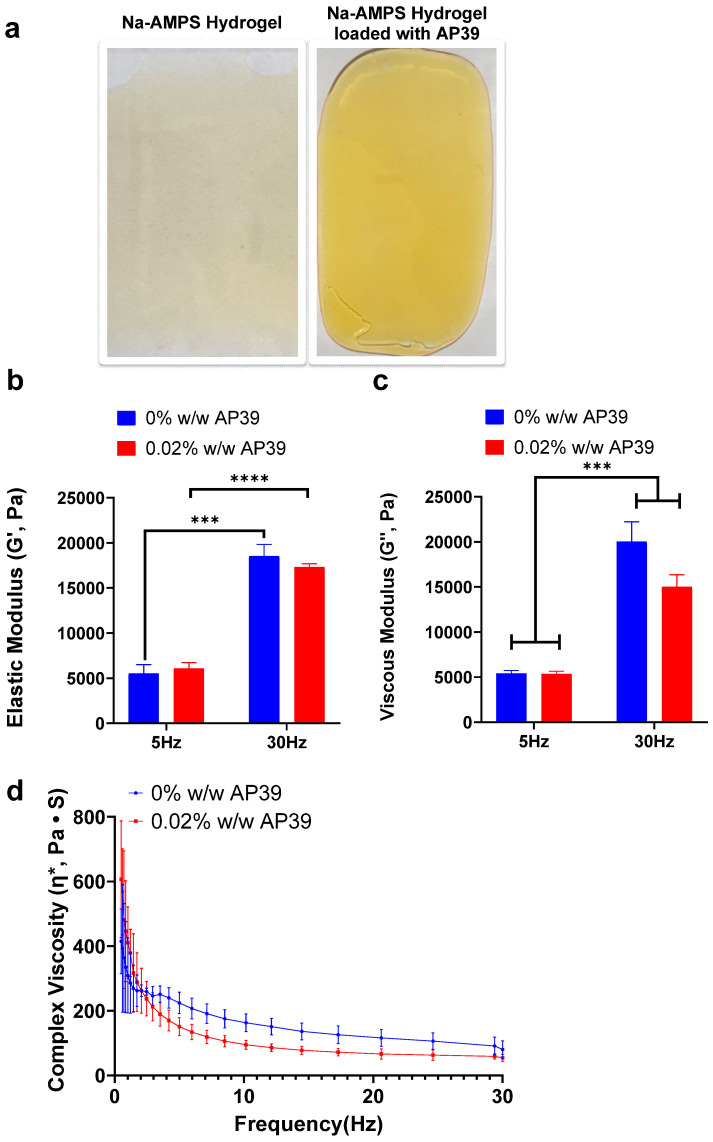 Figure 1
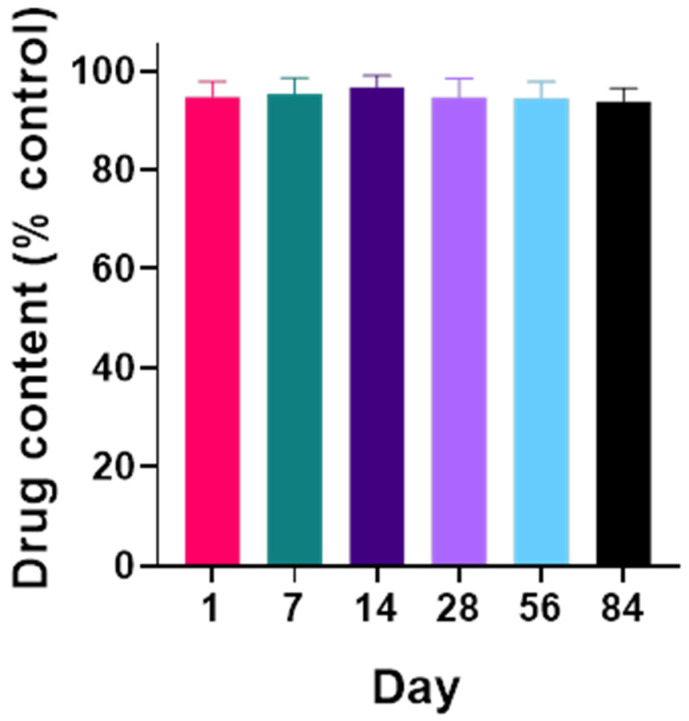 Figure 2
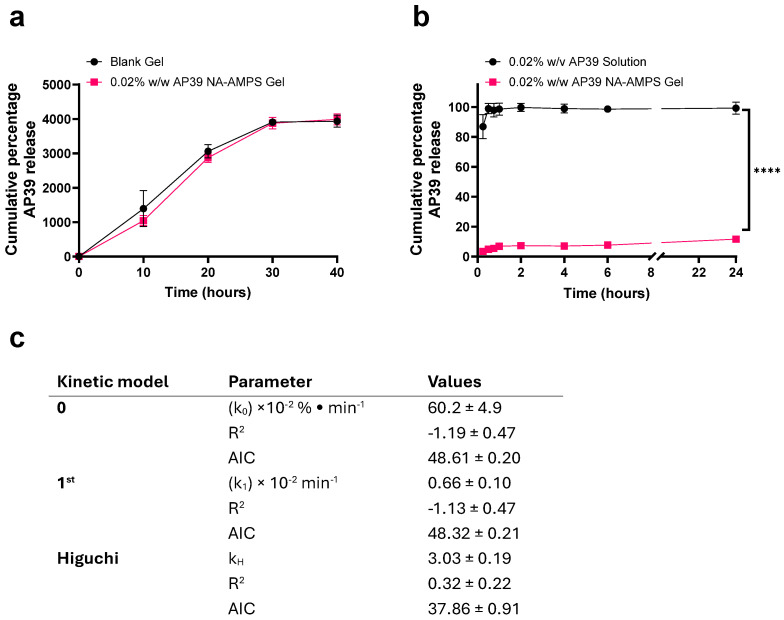 Figure 3
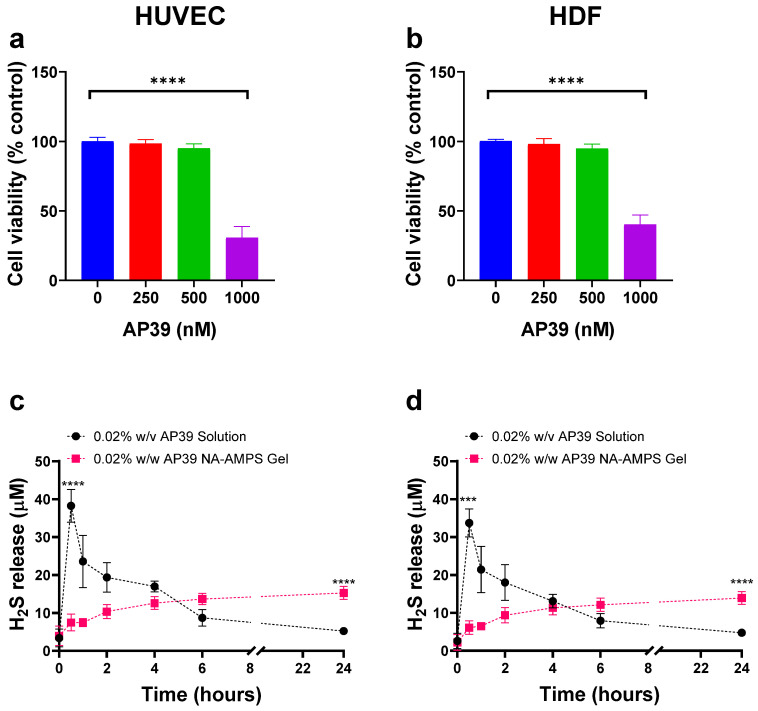 Figure 4
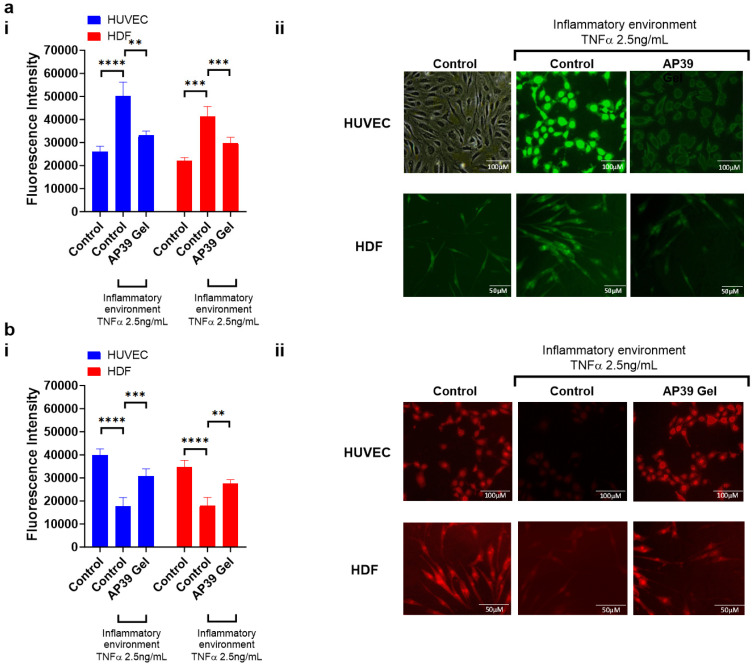 Figure 5
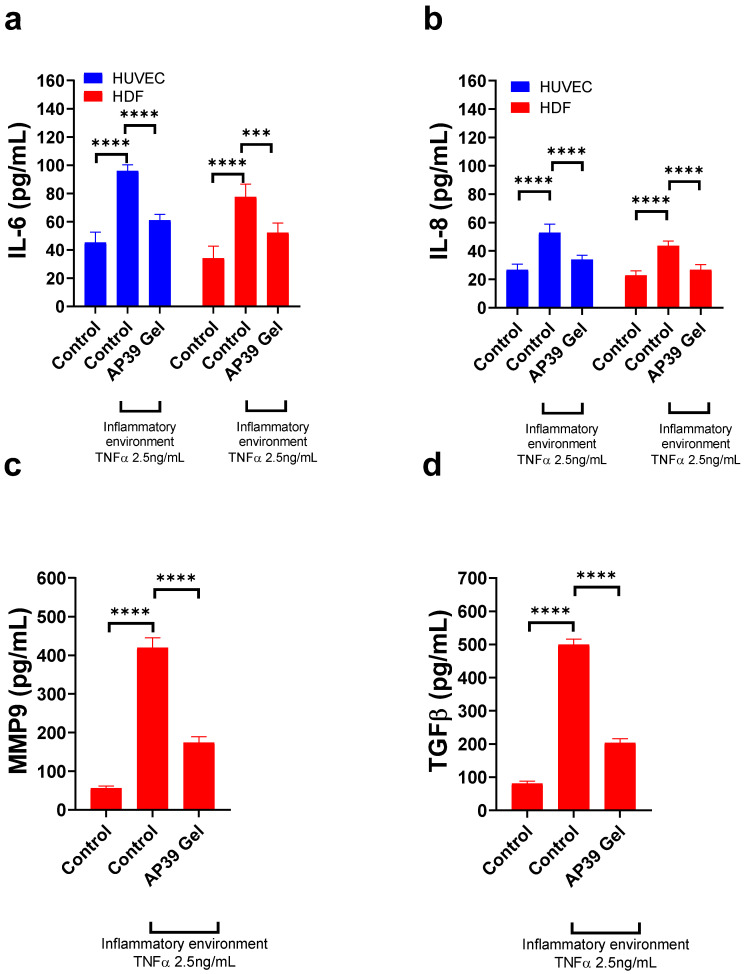 Figure 6
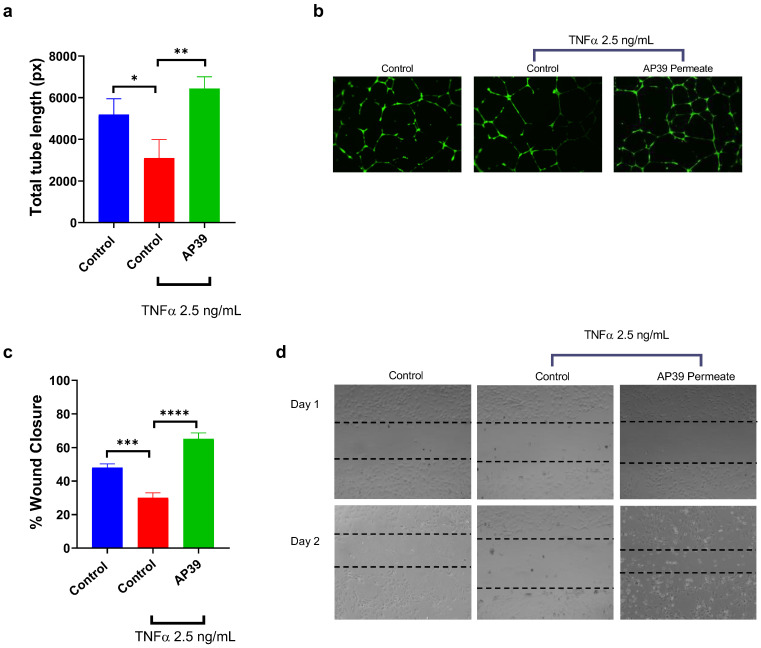 Figure 7
Peer Reviews
No public reviews on file for this paper yet. If you reviewed it on a platform where reviews are public (OpenReview, ICLR, NeurIPS, ICML), you can paste yours below so the community can read it here.
Videos
No videos yet. Explain this paper in a talk, walkthrough, or lecture? Add one.
Taxonomy
TopicsWound Healing and Treatments · Sulfur Compounds in Biology · Hydrogels: synthesis, properties, applications