Microbial Communities, Volatile Flavor Profiles and Metabolomic Characteristics During Traditional Hakka Huangjiu Fermentation
Lin Cheng, Yujing Wang, Xin Feng, Bing Li, Yifang Chen, Feiliang Zhong, Xuegang Luo

TL;DR
This study explores how microbial communities and their byproducts influence the flavor and quality of a traditional Chinese rice wine during fermentation.
Contribution
The study provides a detailed multi-omics analysis of microbial dynamics and their correlation with flavor compounds in Traditional Hakka Huangjiu fermentation.
Findings
Pediococcus, Saccharomycopsis, Rhizopus, Weissella, and Limosilactobacillus were dominant during saccharification.
737 volatile compounds and 4370 metabolites were identified during post-fermentation.
Phenylethyl alcohol was found to be the most influential flavor compound, linked to several microbial genera.
Abstract
The brewing of Traditional Hakka Huangjiu (THHJ) is usually divided into saccharification and post-fermentation. Microbial succession during saccharification is the major factor influencing the development of the volatile and non-volatile substances in THHJ during post-fermentation. This study systematically investigated the dynamic changes in microbial community, volatile substances and microbial metabolites by using absolute quantitative sequencing and multi-omics analysis. This study also reported that the correlation between microorganisms and substance biosynthesis was analyzed using PICRUSt. Absolute quantitative sequencing results showed that Pediococcus, Saccharomycopsis, Rhizopus, Weissella, and Limosilactobacillus were the dominant microbial genera during saccharification. 737 volatile compounds (170 esters, 94 hydrocarbons, 82 organoheterocyclic compounds) and 4370…
Genes, proteins, chemicals, diseases, species, mutations and cell lines named across the full text — each resolved to its canonical identifier and authoritative record.
Click any figure to enlarge with its caption.
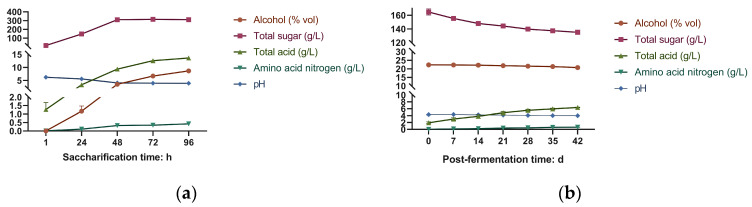 Figure 1
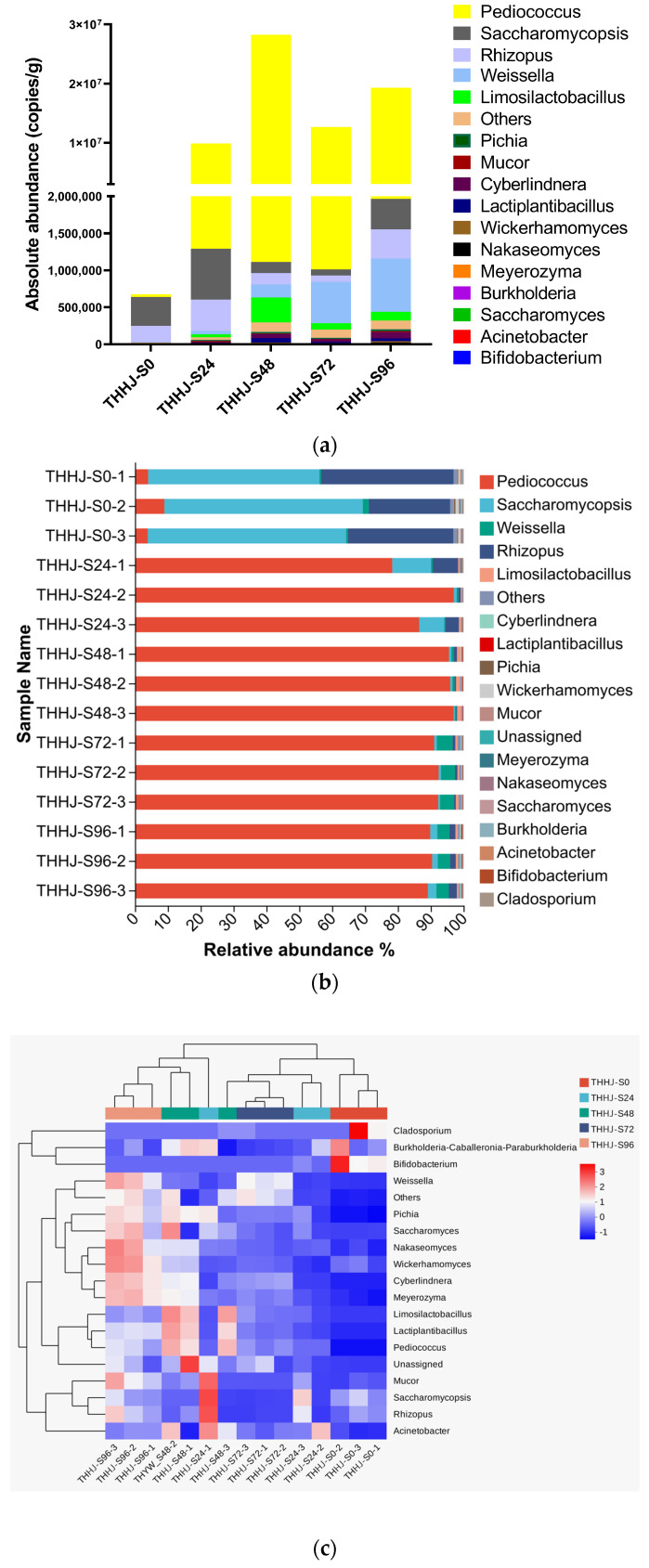 Figure 2
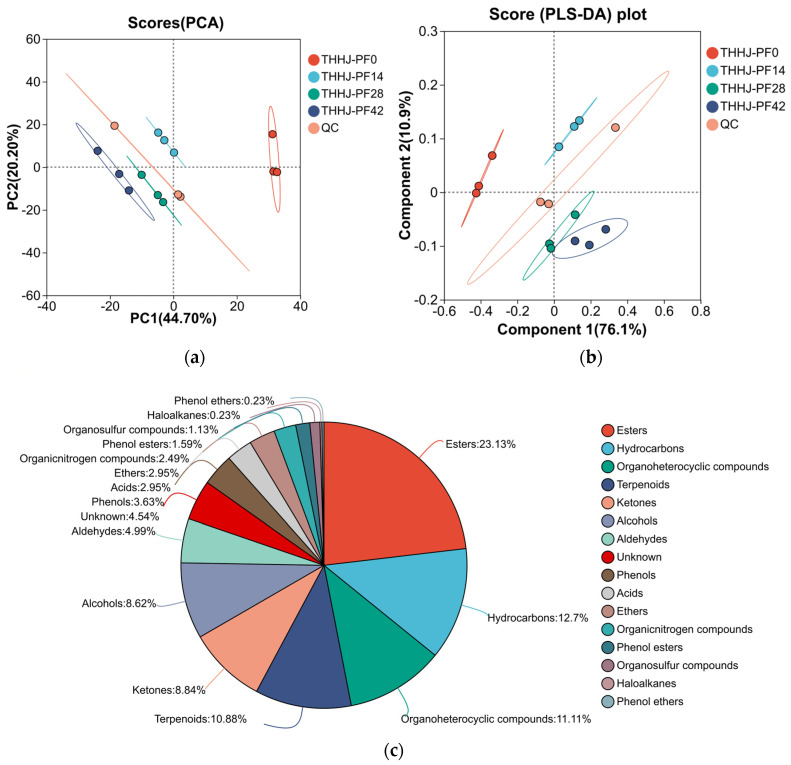 Figure 3
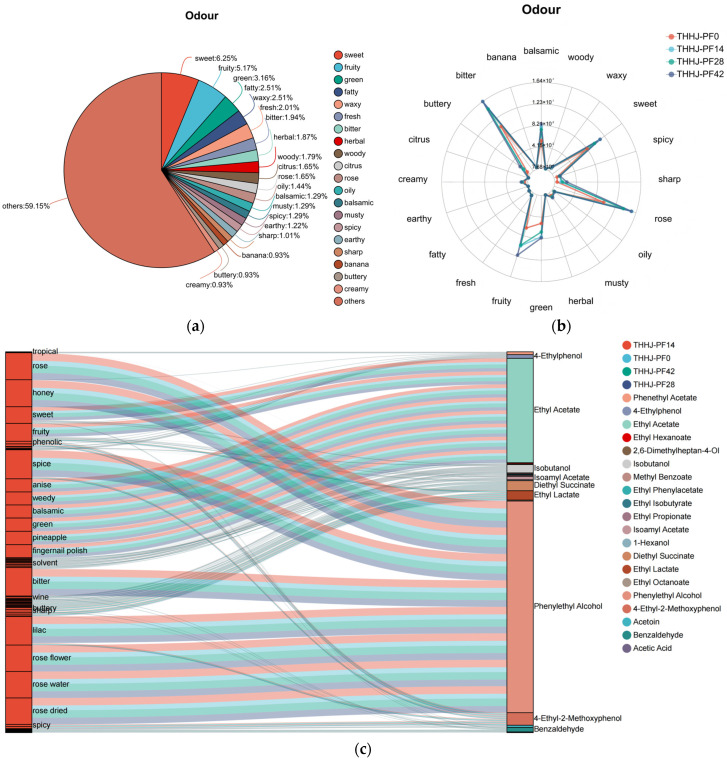 Figure 4
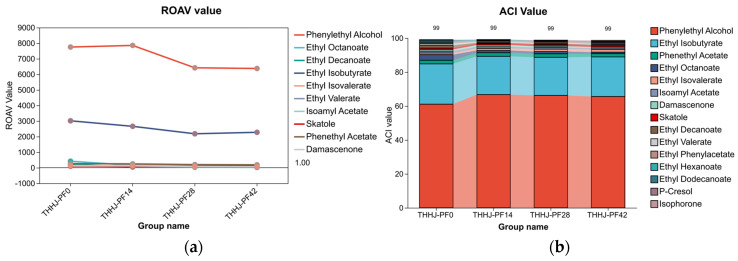 Figure 5
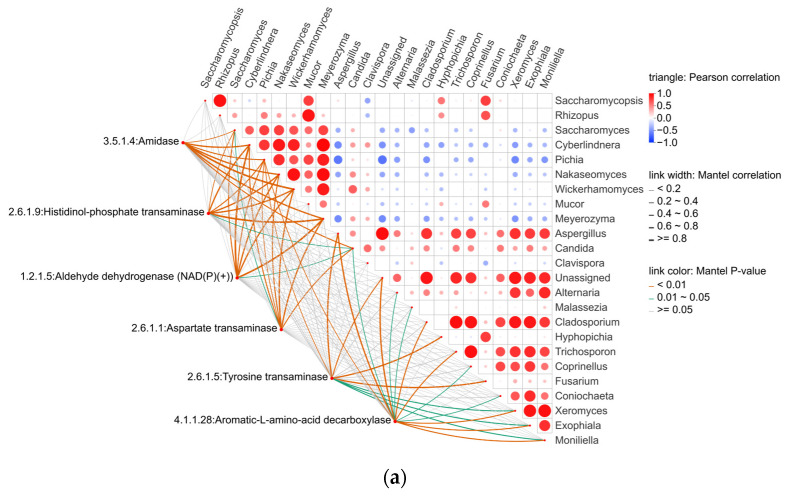 Figure 6
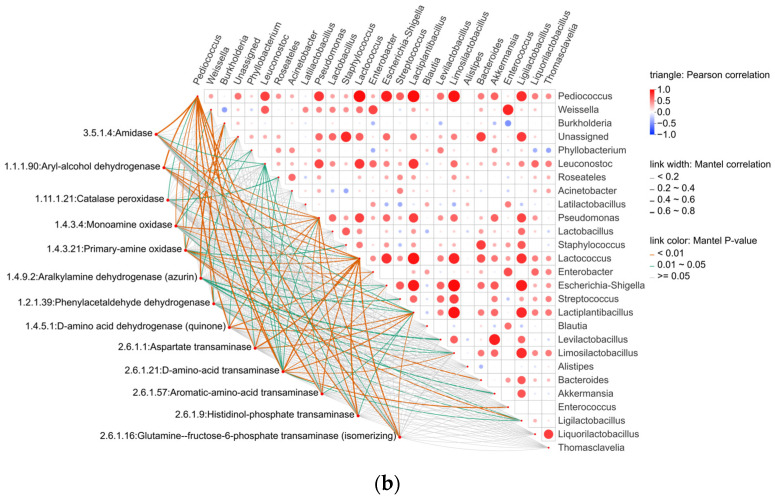 Figure 7
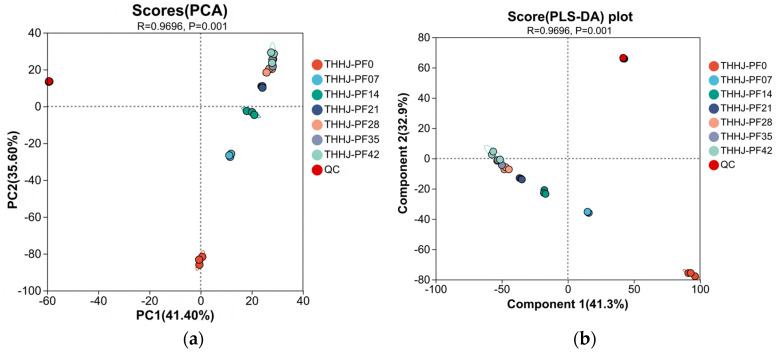 Figure 8
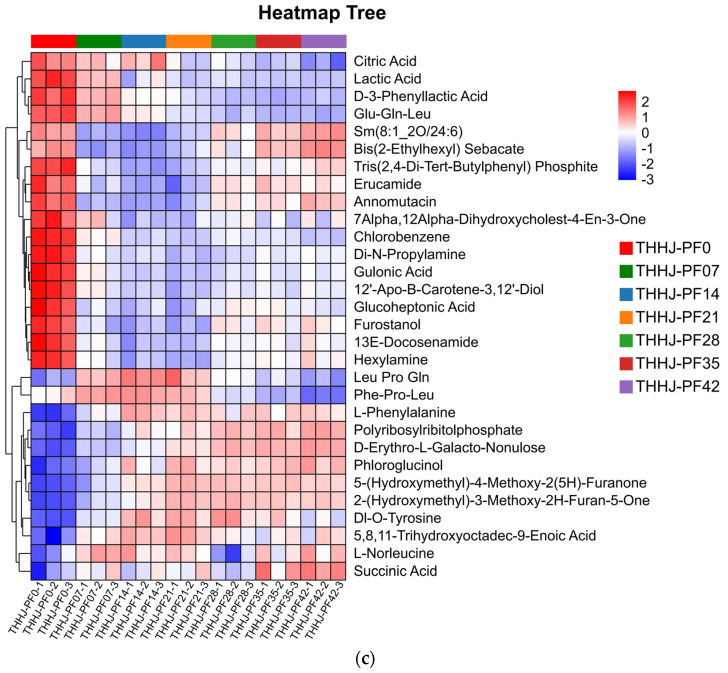 Figure 9
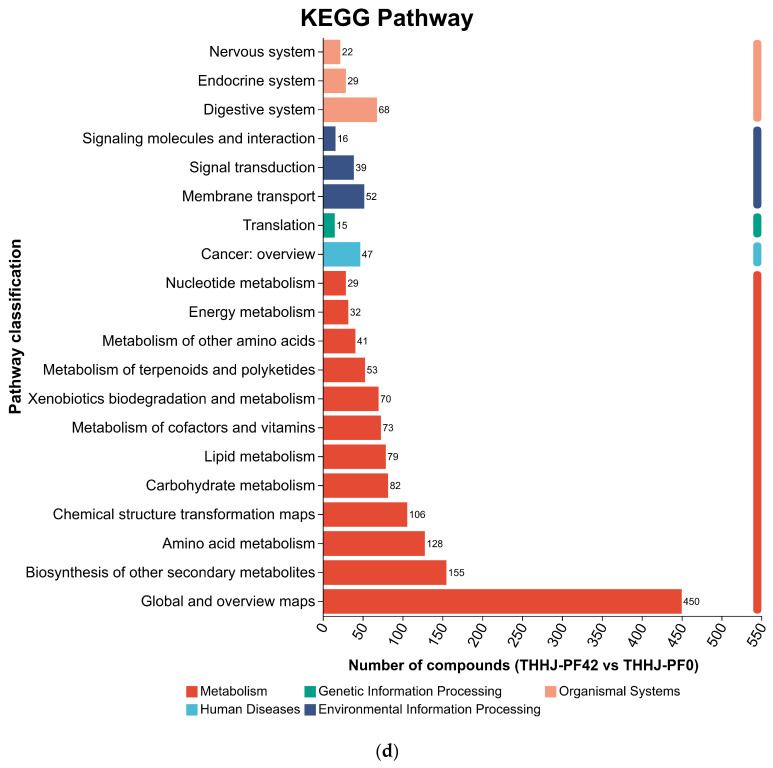 Figure 10
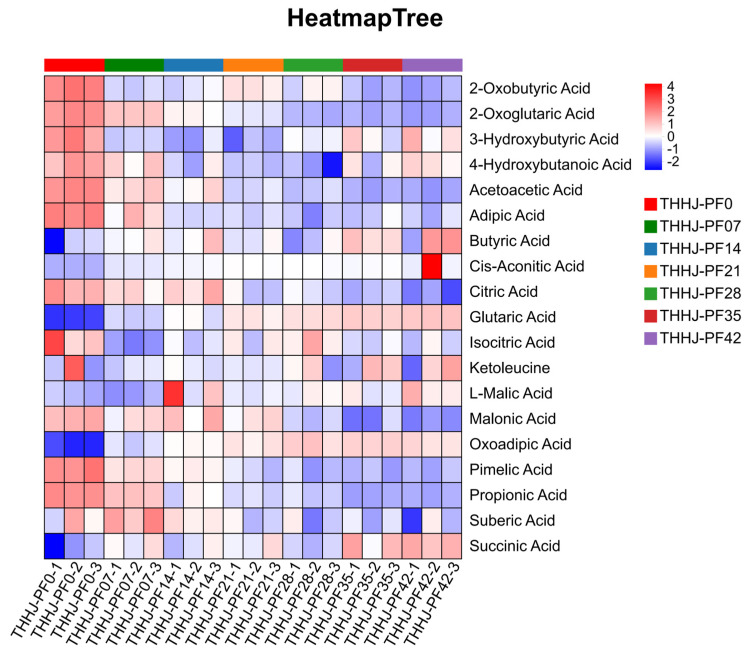 Figure 11
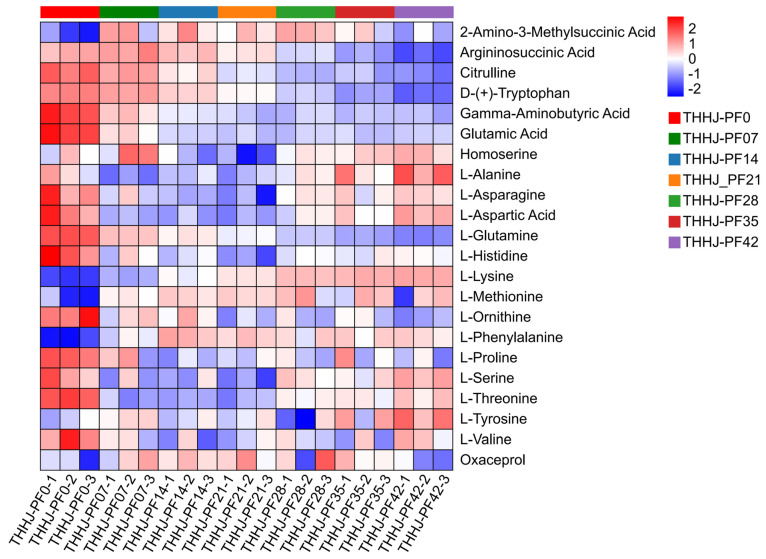 Figure 12
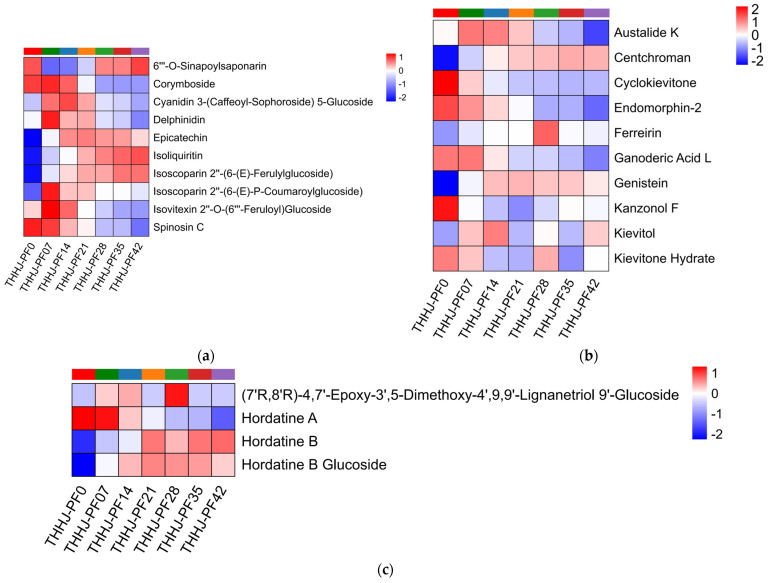 Figure 13
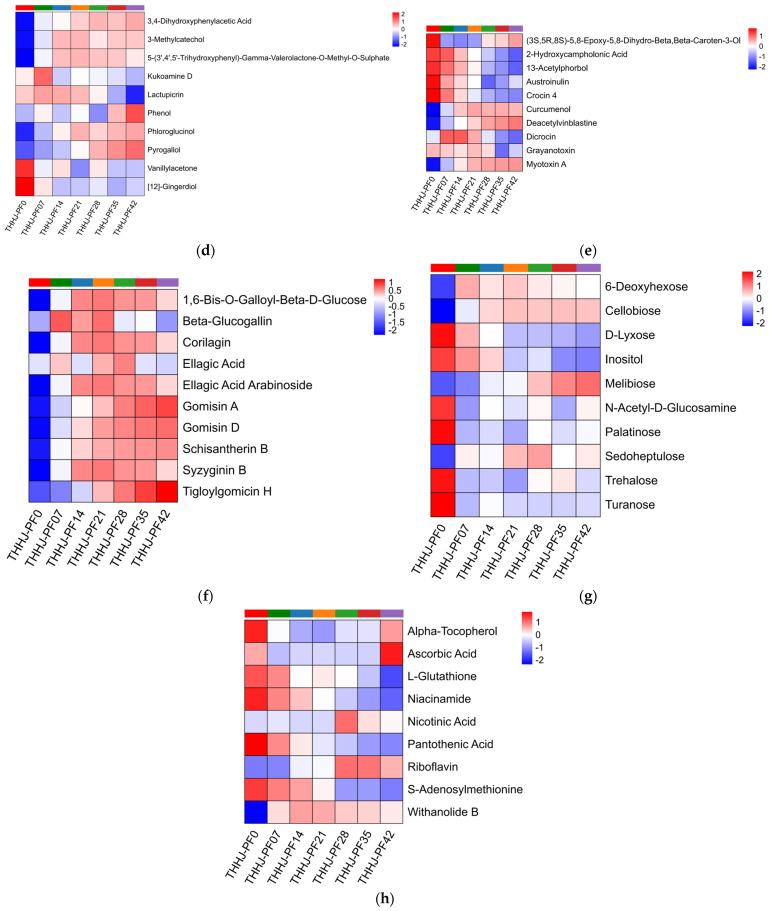 Figure 14
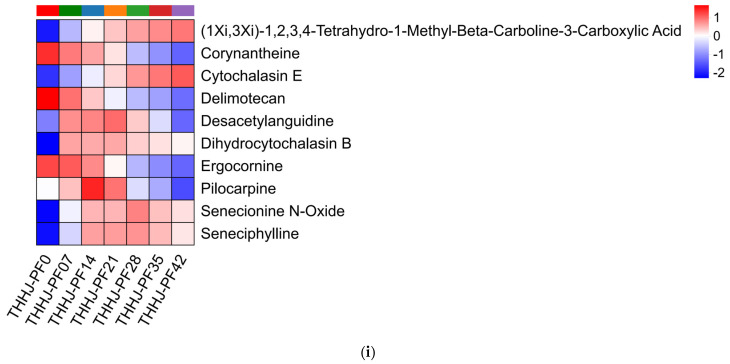 Figure 15
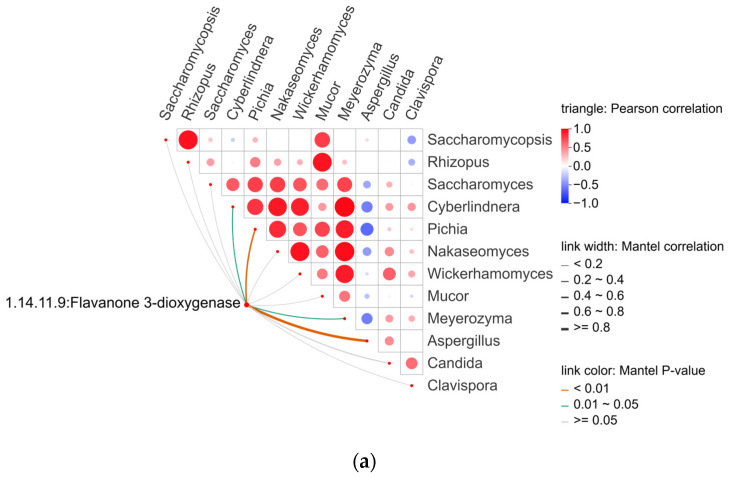 Figure 16
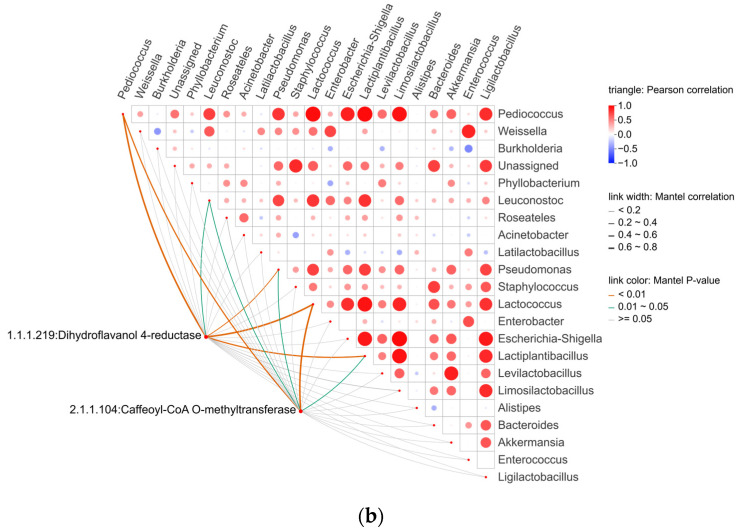 Figure 17
Peer Reviews
No public reviews on file for this paper yet. If you reviewed it on a platform where reviews are public (OpenReview, ICLR, NeurIPS, ICML), you can paste yours below so the community can read it here.
Videos
No videos yet. Explain this paper in a talk, walkthrough, or lecture? Add one.
Taxonomy
TopicsFermentation and Sensory Analysis · Probiotics and Fermented Foods · Biochemical and biochemical processes