Microbial Community Dynamics Driven by Different Nitrogen Sources During Forestry Waste Composting for Pleurotus ostreatus Cultivation
Shiqi Li, Yu Liu, Yuan Guo, Dianpeng Zhang, Shoumian Li, Yueyuan Wu, Caige Lu, Qinggang Song, Shouxian Wang, Shuang Song

TL;DR
This study explores how different nitrogen sources affect composting of forestry waste for mushroom cultivation, showing that organic sources improve microbial activity and compost quality.
Contribution
The study reveals how organic nitrogen sources enhance microbial networks and lignocellulose degradation during composting for Pleurotus ostreatus cultivation.
Findings
Organic nitrogen sources like bran promote stable microbial communities and efficient lignocellulose degradation.
Inorganic nitrogen sources result in slower compost heating and less lignocellulose breakdown.
Higher bacterial diversity correlates with improved mushroom biological efficiency.
Abstract
Bioconversion of lignocellulosic biomass into edible, nutrient-rich products using low-cost forestry waste offers substantial ecological and economic benefits. Composting forestry waste as a substrate for oyster mushroom (Pleurotus ostreatus) cultivation is an effective recovery strategy. However, the specific microbial-driven mechanisms by which nitrogen sources regulate lignocellulose degradation and compost quality during forestry waste composting for Pleurotus ostreatus substrate preparation remain to be elucidated. We evaluated three organic nitrogen sources (bran, soybean meal, and chicken manure) and one inorganic source (diammonium phosphate, DAP) during composting of forest-waste-based substrates. Composting performance and cultivation outcomes were assessed using physicochemical analyses, lignocellulose degradation measurements, high-throughput sequencing of bacterial 16S rRNA…
Genes, proteins, chemicals, diseases, species, mutations and cell lines named across the full text — each resolved to its canonical identifier and authoritative record.
Click any figure to enlarge with its caption.
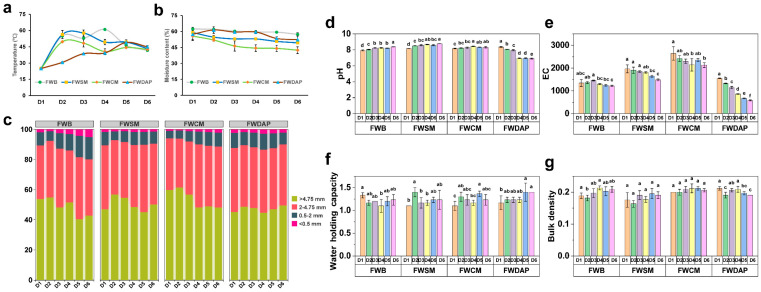 Figure 1
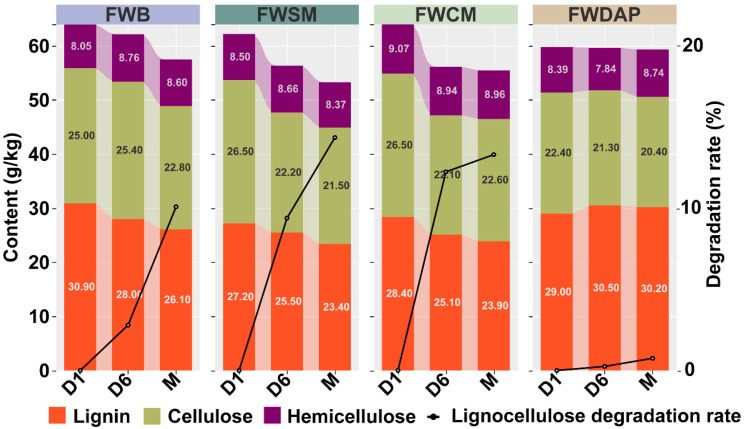 Figure 2
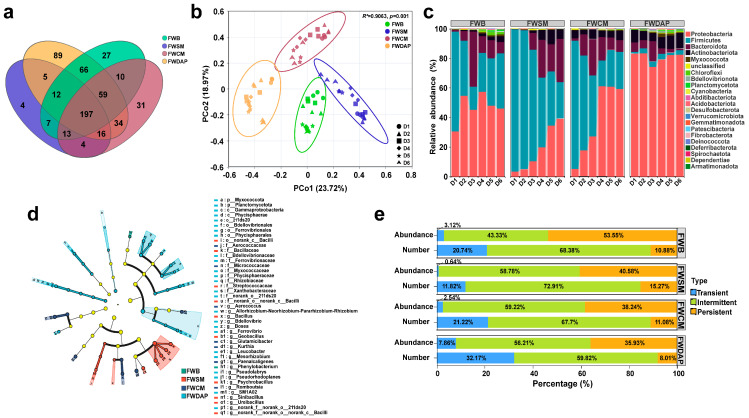 Figure 3
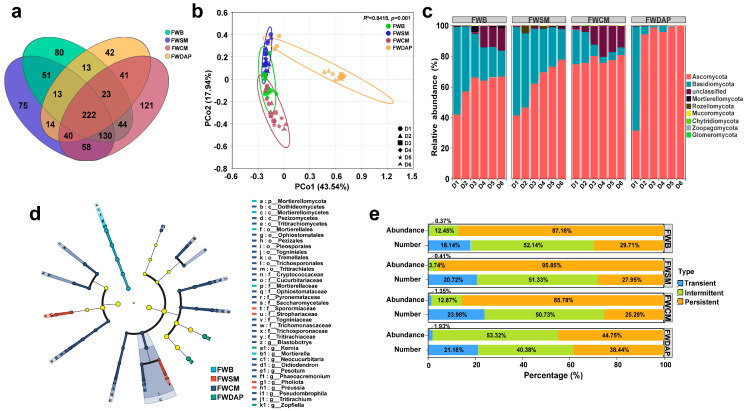 Figure 4
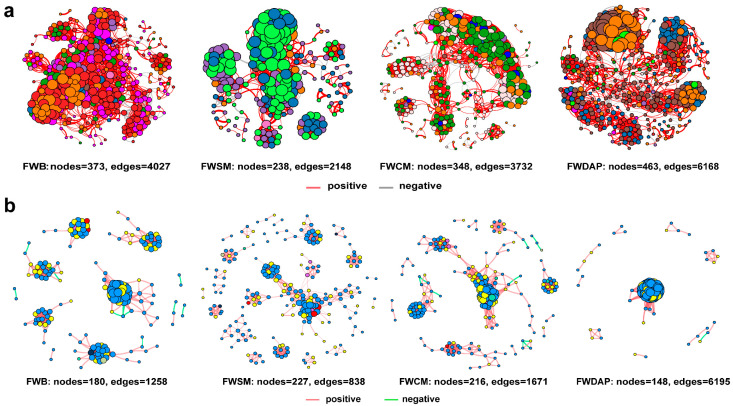 Figure 5
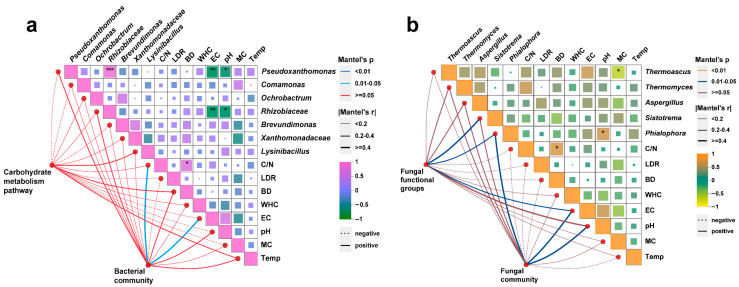 Figure 6
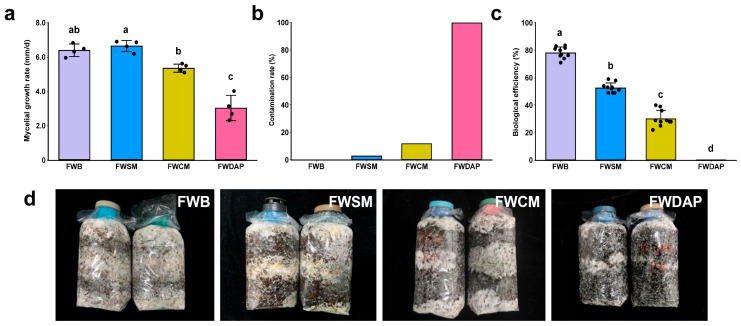 Figure 7
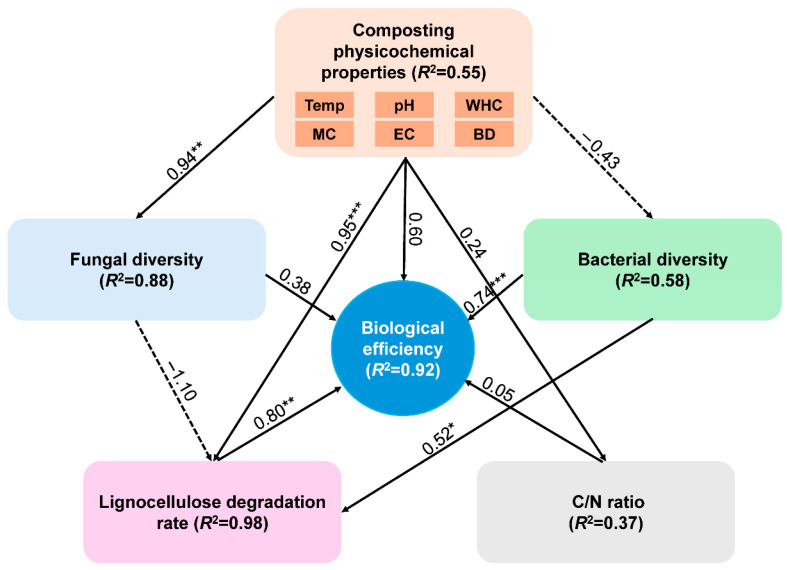 Figure 8
Peer Reviews
No public reviews on file for this paper yet. If you reviewed it on a platform where reviews are public (OpenReview, ICLR, NeurIPS, ICML), you can paste yours below so the community can read it here.
Videos
No videos yet. Explain this paper in a talk, walkthrough, or lecture? Add one.
Taxonomy
TopicsComposting and Vermicomposting Techniques · Fungal Biology and Applications · Biofuel production and bioconversion