Preliminary Anti-Melanoma Activity of a Chlorogenic Acid-Based PROTAC Targeting MDM4, a Candidate Protein Identified by Proteomics
Zhiting Mei, Jiali Sun, Pengfei Zhao, Yiming Luo, Jine Niu, Danfei Huang

TL;DR
A new compound based on chlorogenic acid and PROTAC technology shows anti-melanoma effects by targeting MDM4 and inducing cell death.
Contribution
A chlorogenic acid-based PROTAC targeting MDM4 is developed and shown to inhibit melanoma cell proliferation effectively.
Findings
Compound A7, a CGA-PROTAC, showed an IC50 of 69.70 μM on A375 cells, outperforming CGA.
MDM4 was identified as a target of A7 using proteomics and molecular dynamics.
A7 reduced MDM4 levels, increased p53/p21, and induced apoptosis in melanoma cells.
Abstract
Chlorogenic acid (CGA), which is ubiquitous in diverse botanical sources, demonstrates considerable anticancer potential through modulation of multiple targets or signaling pathways, thereby posing substantial challenges for mechanistic elucidation and target identification. Based on the proteolysis targeting chimera (PROTAC) technology’s ability to induce targeted protein degradation via ubiquitin-proteasome pathway recruitment, we synthesized a panel of CGA-PROTACs. These compounds incorporated the natural product CGA as the target-binding ligand, conjugated to pomalidomide (an E3 ligase-recruiting moiety) via various synthetic linkers. The findings indicated that compound A7, linked with an alkane linker, exhibited a notable anti-proliferative effect on 4T1 and A375 cells in vitro. The IC50 value of A7 on A375 cells reached 69.70 μM, which is 2.2 times better than the effect of the…
Genes, proteins, chemicals, diseases, species, mutations and cell lines named across the full text — each resolved to its canonical identifier and authoritative record.
Click any figure to enlarge with its caption.
 Figure 1
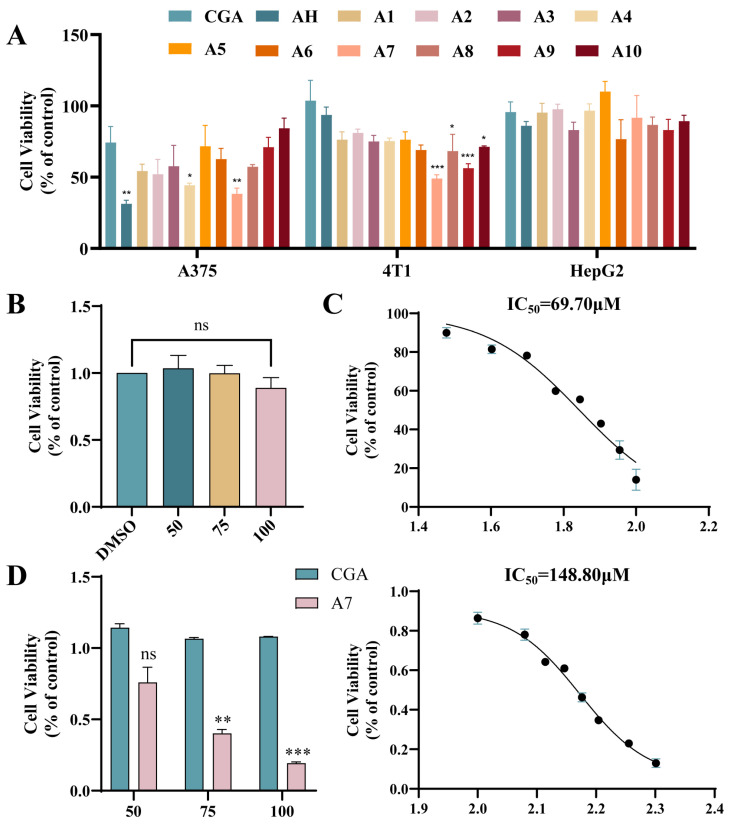 Figure 2
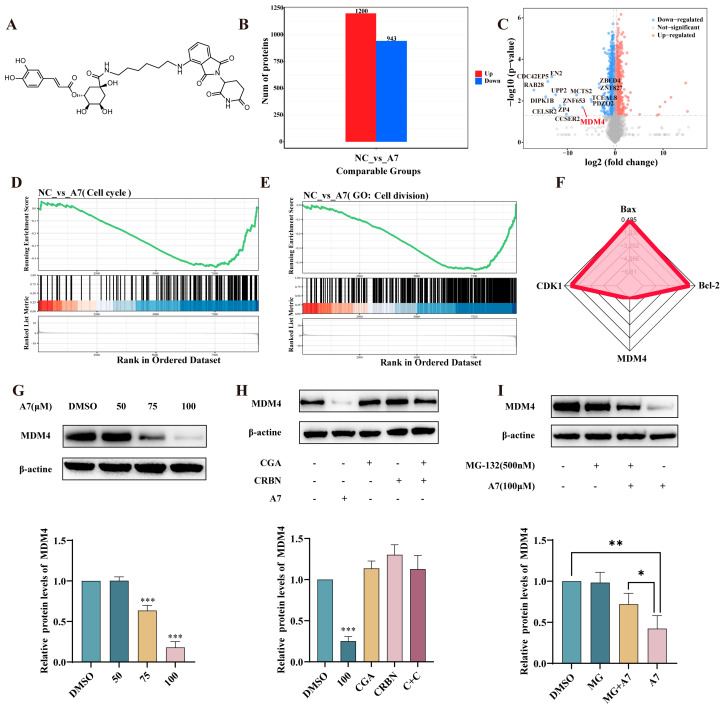 Figure 3
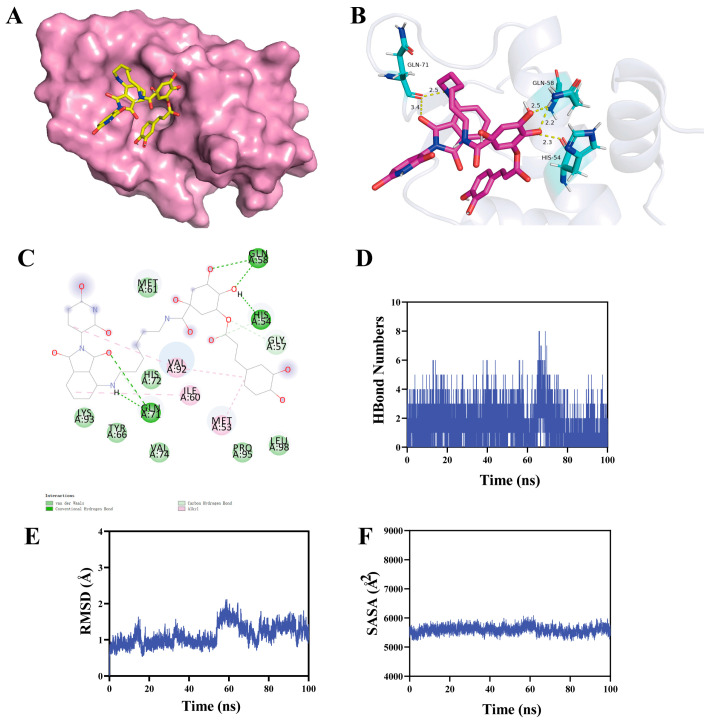 Figure 4
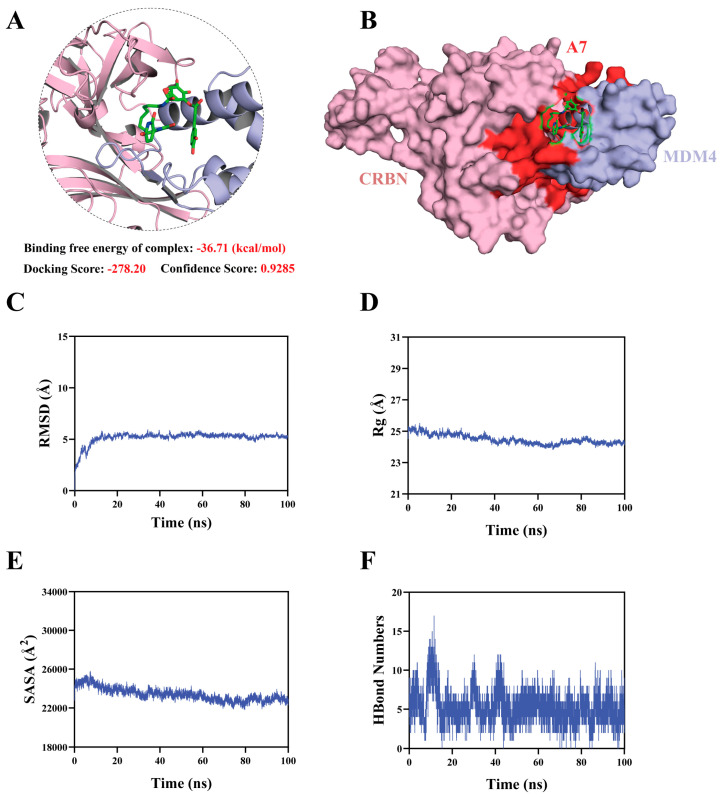 Figure 5
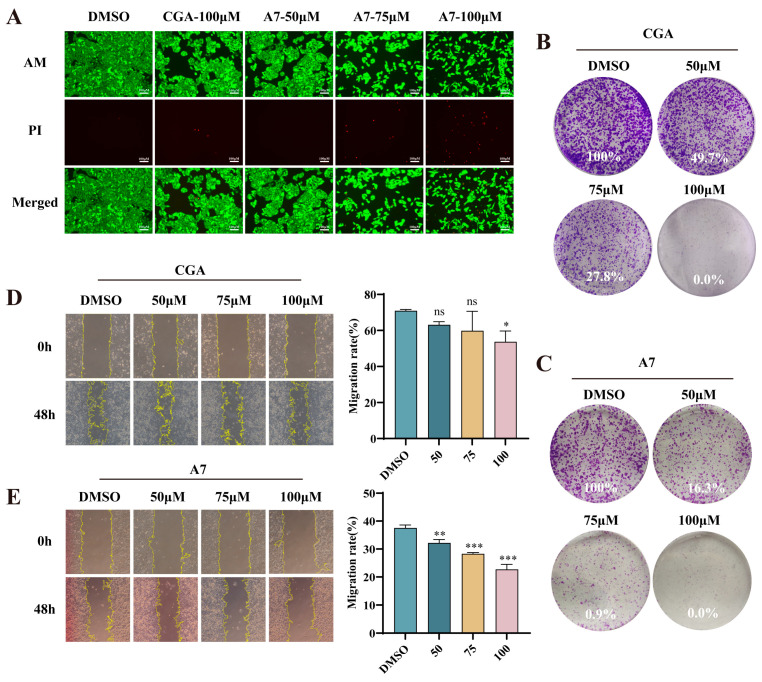 Figure 6
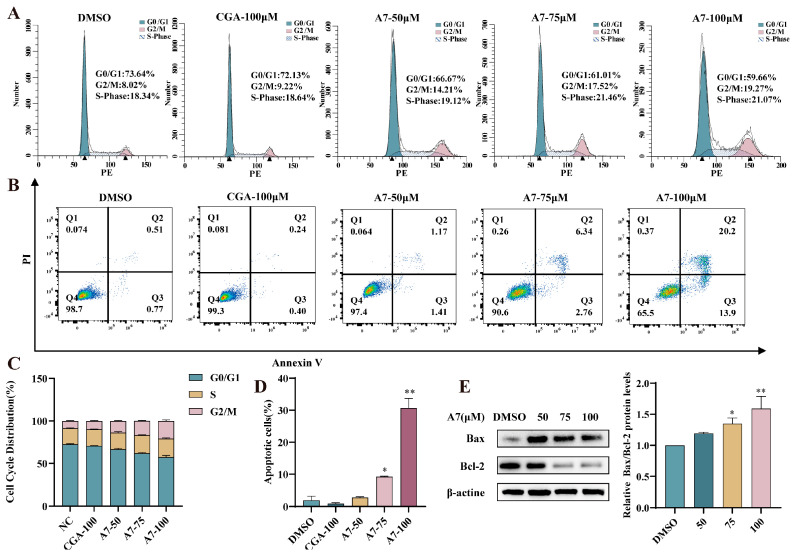 Figure 7
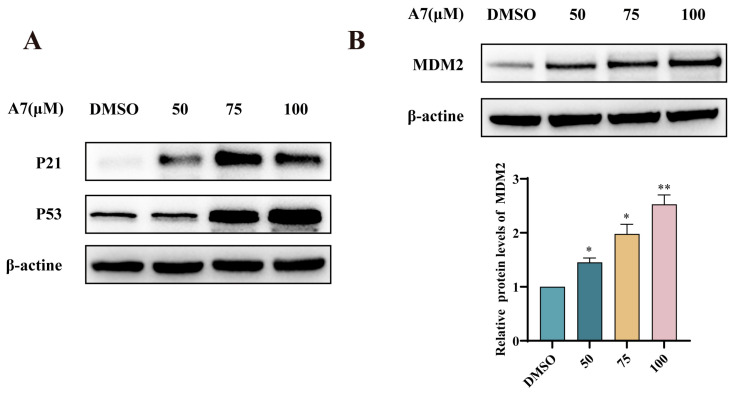 Figure 8
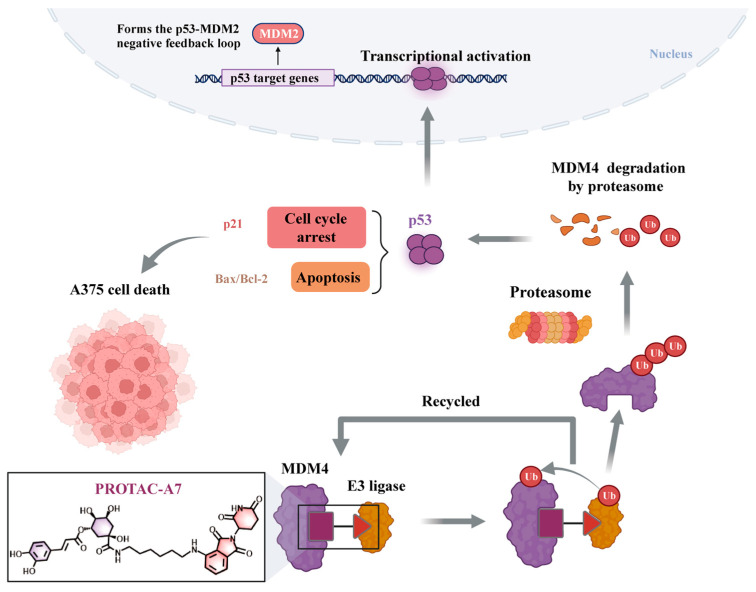 Figure 9
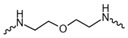 Figure 10
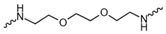 Figure 11
 Figure 12
 Figure 13
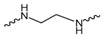 Figure 14
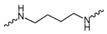 Figure 15
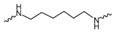 Figure 16
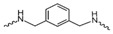 Figure 17
 Figure 18
 Figure 19
Peer Reviews
No public reviews on file for this paper yet. If you reviewed it on a platform where reviews are public (OpenReview, ICLR, NeurIPS, ICML), you can paste yours below so the community can read it here.
Videos
No videos yet. Explain this paper in a talk, walkthrough, or lecture? Add one.
Taxonomy
TopicsProtein Degradation and Inhibitors · HER2/EGFR in Cancer Research · Histone Deacetylase Inhibitors Research