Alginate-Based Biomaterials: From Fundamental “Egg-Box” Chemistry to Diverse Biomedical and Metabolic Management of Obesity and Diabetes
Adnan Alsaei, Ahmad Zarwi, Ayah Binrajab, Fatema Rahimi, Renad AlAnsari, Manyam Praveen Kumar, Alexandra E. Butler, Stephen L. Atkin, G. Roshan Deen

TL;DR
This review explores how alginate, a seaweed-based material, is used in biomedical applications and helps manage obesity and diabetes through its unique chemical properties.
Contribution
The paper integrates the chemistry of alginate with its practical applications in metabolic and biomedical contexts.
Findings
Alginate's 'egg-box' gelation mechanism influences its biocompatibility and biomedical utility.
Alginate systems modulate satiety, glycemic index, and lipid absorption in obesity and diabetes management.
Applications include drug delivery, tissue engineering, and gastrointestinal disorder treatment.
Abstract
Alginate, a naturally occurring polysaccharide derived from brown algae, has emerged as a versatile cornerstone in the field of biomedical materials. Its widespread adoption is driven by its exceptional biocompatibility and the unique cation-dependent gelation defined by the “egg-box” model. This review examines the fundamental chemistry of alginate, detailing how its crosslinking mechanisms dictate the physicochemical properties essential for clinical performance. The discussion bridges the gap between polymer structure and diverse biomedical applications, including drug delivery, tissue engineering, and the clinical management of gastrointestinal reflux and wound care. Furthermore, the article evaluates the role of alginate-based systems in the biomedical and metabolic management of obesity and diabetes. By analyzing how alginate influences satiety, glycemic index modulation, and…
Genes, proteins, chemicals, diseases, species, mutations and cell lines named across the full text — each resolved to its canonical identifier and authoritative record.
Click any figure to enlarge with its caption.
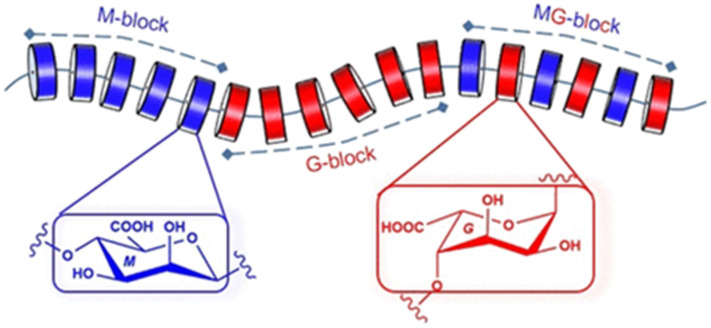 Figure 1
 Figure 2
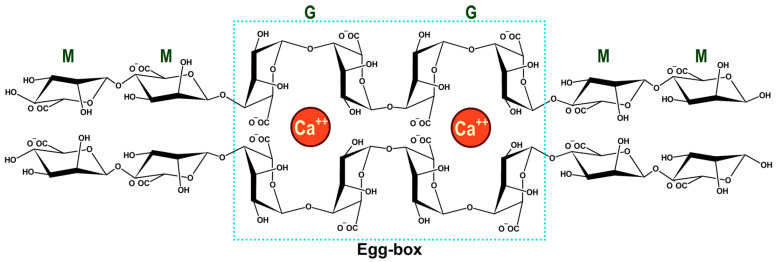 Figure 3
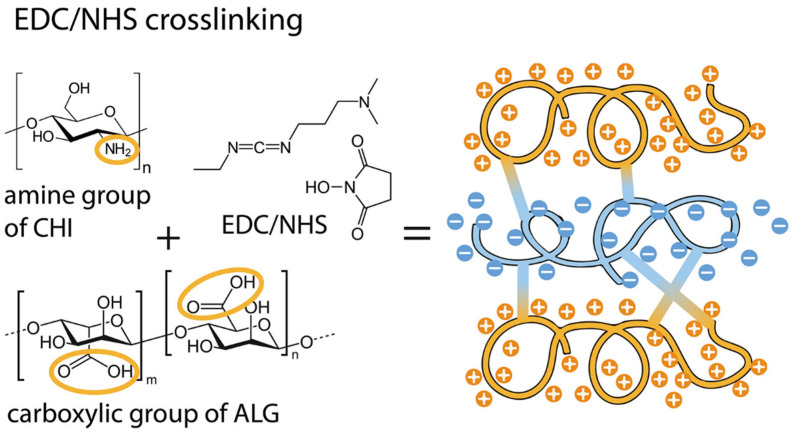 Figure 4
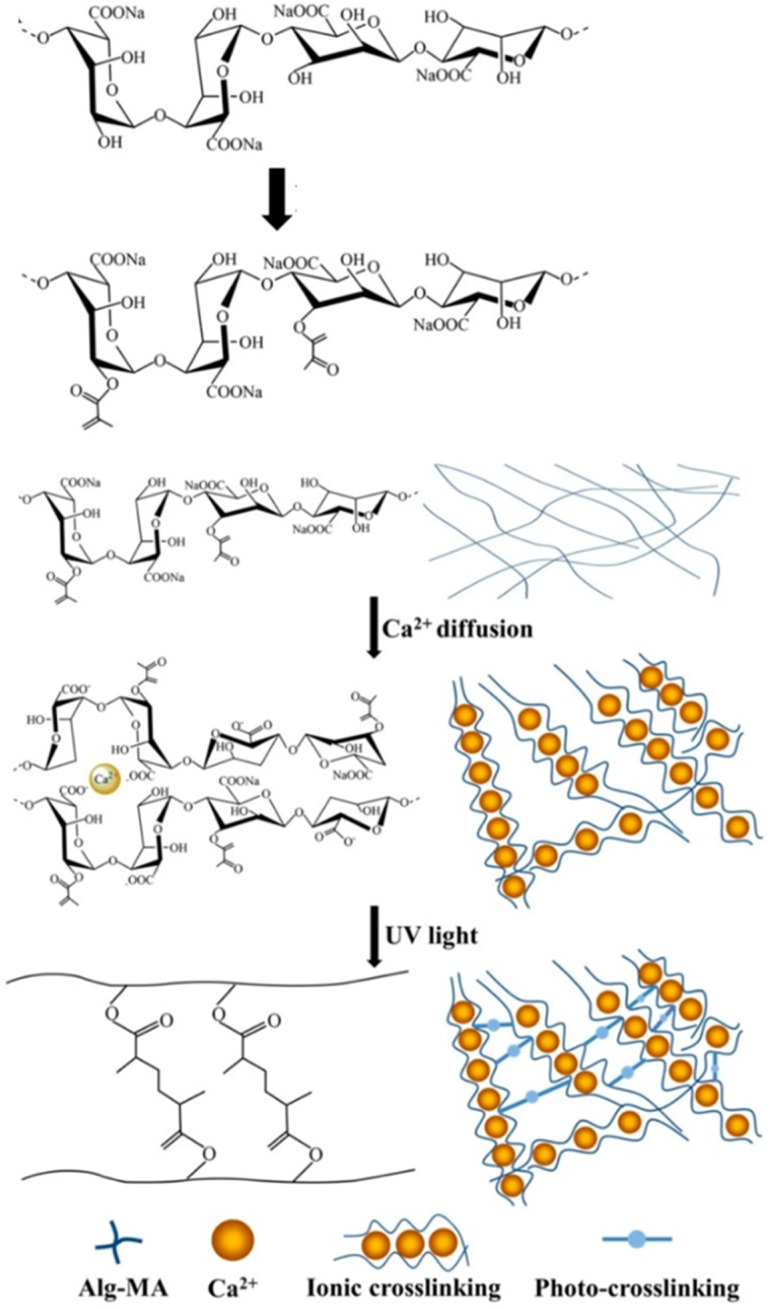 Figure 5
 Figure 6
 Figure 7
 Figure 8
 Figure 9
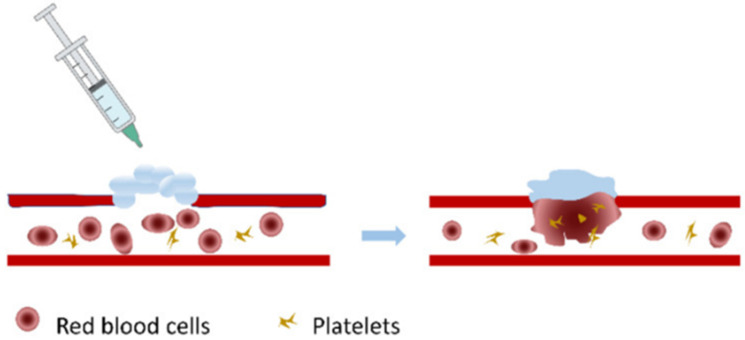 Figure 10
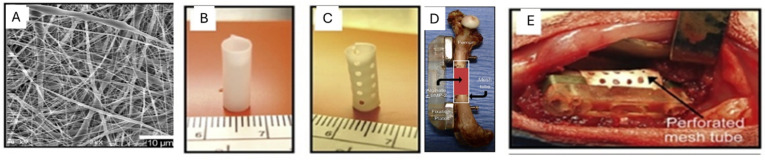 Figure 11
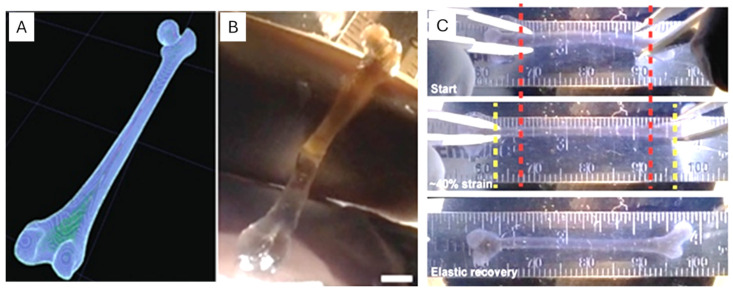 Figure 12
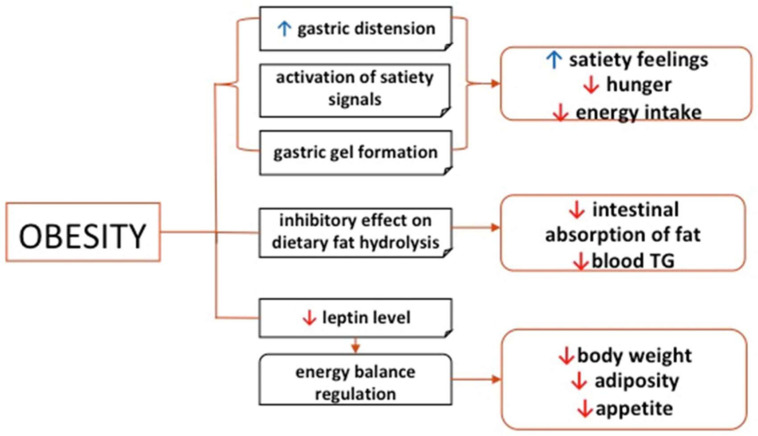 Figure 13
Peer Reviews
No public reviews on file for this paper yet. If you reviewed it on a platform where reviews are public (OpenReview, ICLR, NeurIPS, ICML), you can paste yours below so the community can read it here.
Videos
No videos yet. Explain this paper in a talk, walkthrough, or lecture? Add one.
Taxonomy
TopicsHydrogels: synthesis, properties, applications · Seaweed-derived Bioactive Compounds · Wound Healing and Treatments