Roles of DNA Damage Response Pathway in the Regulation of the Nuclear Envelope
Yasunao Kamikawa, Zuqian Wu, Kenshiro Fujise, Kazunori Imaizumi, Atsushi Saito

TL;DR
This paper reviews how DNA damage response pathways, especially the ATR kinase, regulate the nuclear envelope.
Contribution
The paper highlights ATR's novel role in linking DNA damage to nuclear envelope regulation.
Findings
NE rupture can cause DNA damage and is linked to DDR pathways.
ATR kinase is a key regulator in DNA damage-induced NE rupture.
DDR pathways play a central role in maintaining NE integrity.
Abstract
The nuclear envelope (NE) functions as a barrier between the cytoplasm and nucleus. Over the past decade, NE has revealed unexpectedly divergent structural alterations. NE rupture triggers the uncontrollable exchange of macromolecules across the NE and potentially causes DNA damage. Conversely, a recent study demonstrated that DNA damage induces NE rupture and that one of the major kinases in the DNA damage response (DDR) pathway, ataxia telangiectasia and Rad3-related protein, ATR, is a key molecule in these events. Here, we review the role of the DDR pathway in NE regulation, with a focus mainly on ATR.
Genes, proteins, chemicals, diseases, species, mutations and cell lines named across the full text — each resolved to its canonical identifier and authoritative record.
Click any figure to enlarge with its caption.
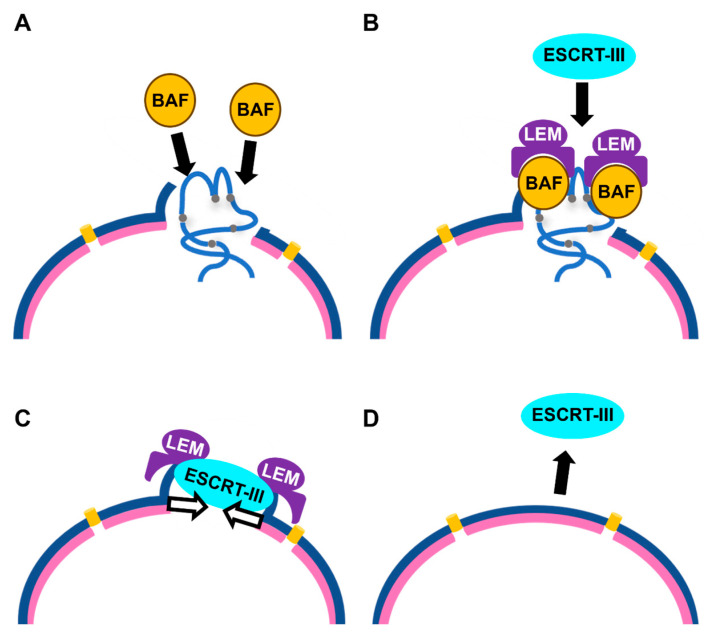 Figure 1
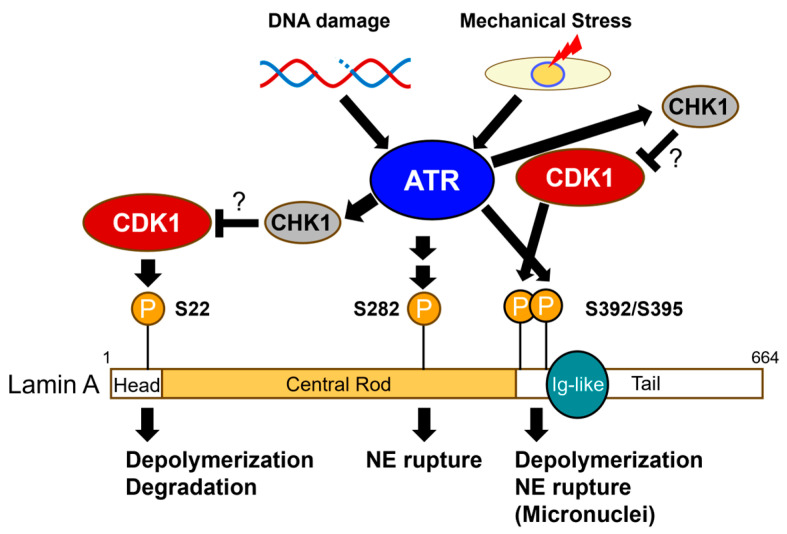 Figure 2
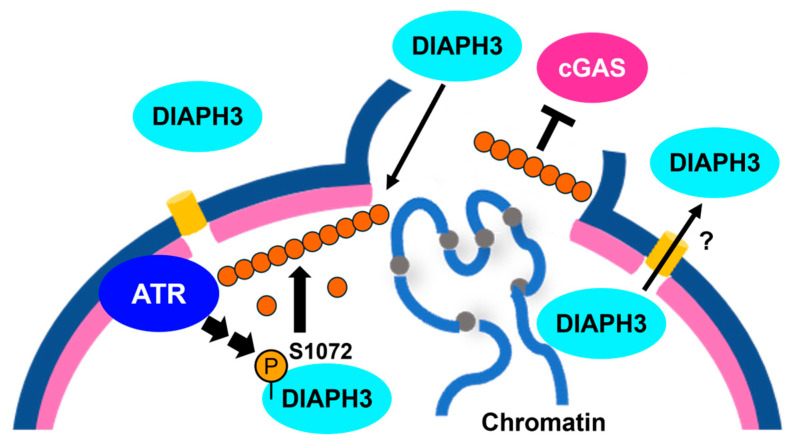 Figure 3
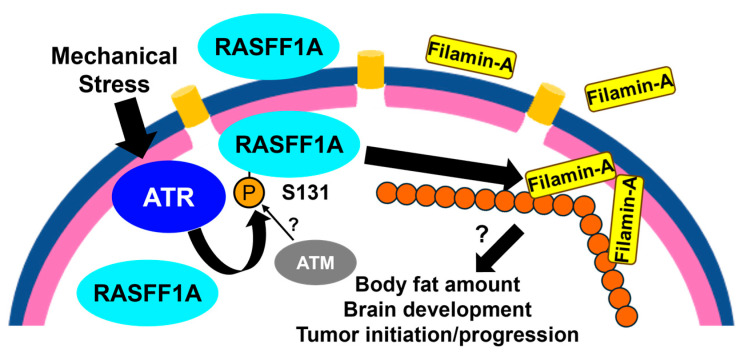 Figure 4
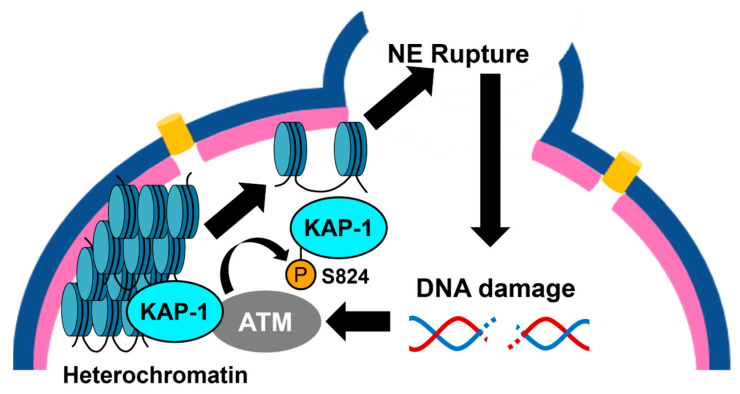 Figure 5
Peer Reviews
No public reviews on file for this paper yet. If you reviewed it on a platform where reviews are public (OpenReview, ICLR, NeurIPS, ICML), you can paste yours below so the community can read it here.
Videos
No videos yet. Explain this paper in a talk, walkthrough, or lecture? Add one.
Taxonomy
TopicsNuclear Structure and Function · DNA Repair Mechanisms · Cell death mechanisms and regulation