MRI for Acute Pelvic Pain in Pediatric Females After Inconclusive Ultrasound: Diagnostic Performance of Non-Contrast-Enhanced and Contrast-Enhanced Protocols
Gabriele Masselli, Giacomo Bonito, Laura Corso, Silvia Gigli, Lucia Malzone, Paolo Ricci

TL;DR
MRI is effective for diagnosing acute pelvic pain in young girls when ultrasound is unclear, with both non-contrast and contrast protocols performing similarly but with different confidence levels.
Contribution
The study compares non-contrast and contrast-enhanced MRI protocols for pediatric acute pelvic pain after inconclusive ultrasound, providing evidence for their diagnostic performance.
Findings
MRI identified a specific cause of acute pelvic pain in 68.2% of patients.
Non-contrast and contrast-enhanced MRI showed similar diagnostic accuracy but contrast increased diagnostic confidence.
Hemorrhagic ovarian cysts and adnexal torsion were the most common diagnoses.
Abstract
Background/Objectives: Acute pelvic pain in pediatric female patients is a common presentation in the emergency setting and poses significant diagnostic challenges. Ultrasonography is the first-line imaging modality, but a substantial proportion of examinations remain inconclusive. Magnetic resonance imaging (MRI) is increasingly used as a second-line modality in this context; however, evidence comparing the diagnostic performance of non-contrast-enhanced and contrast-enhanced MRI protocols in pediatric patients remains limited. The aim of this study was to assess the diagnostic accuracy of MRI in pediatric females with acute pelvic pain after inconclusive ultrasonography and to compare non-contrast-enhanced and contrast-enhanced MRI protocols. Methods: This single-center observational study included pediatric female patients presenting with acute pelvic pain who underwent MRI after…
Genes, proteins, chemicals, diseases, species, mutations and cell lines named across the full text — each resolved to its canonical identifier and authoritative record.
Click any figure to enlarge with its caption.
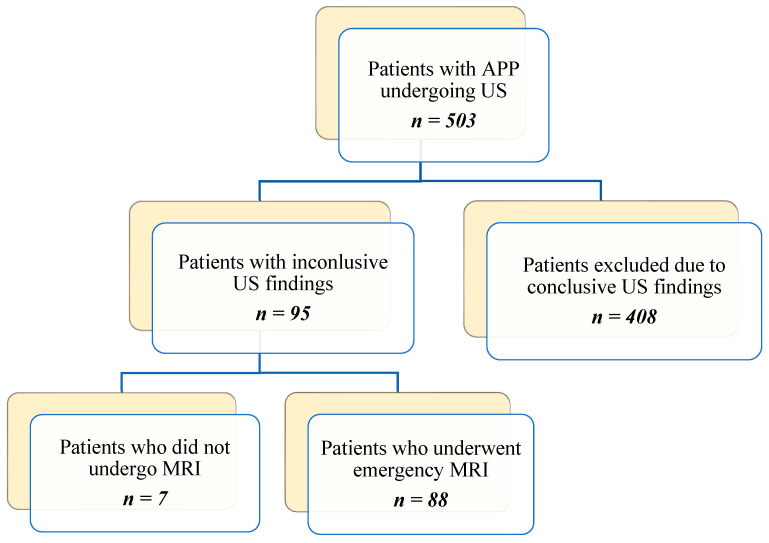 Figure 1
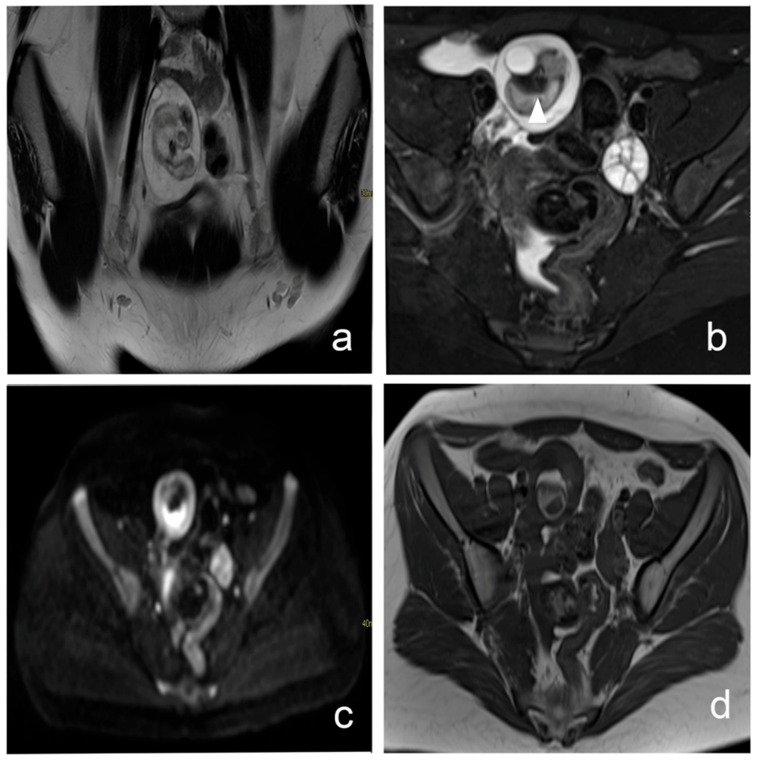 Figure 2
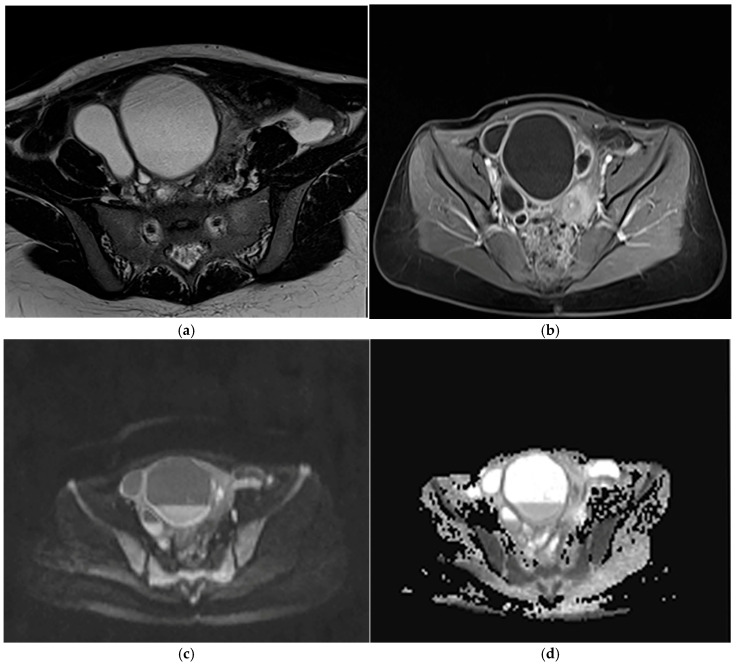 Figure 3
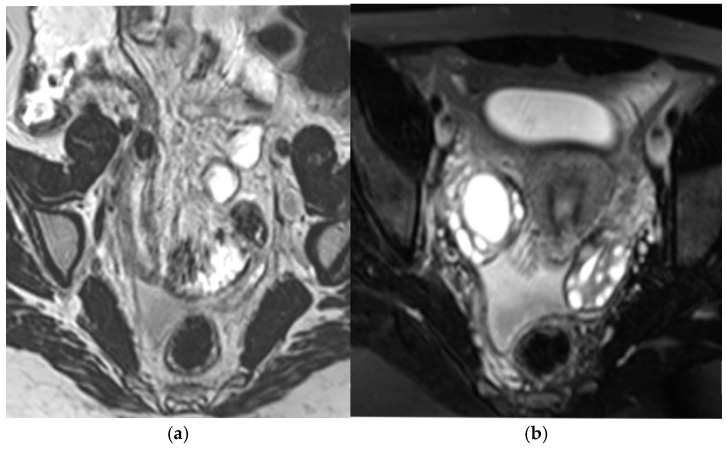 Figure 4
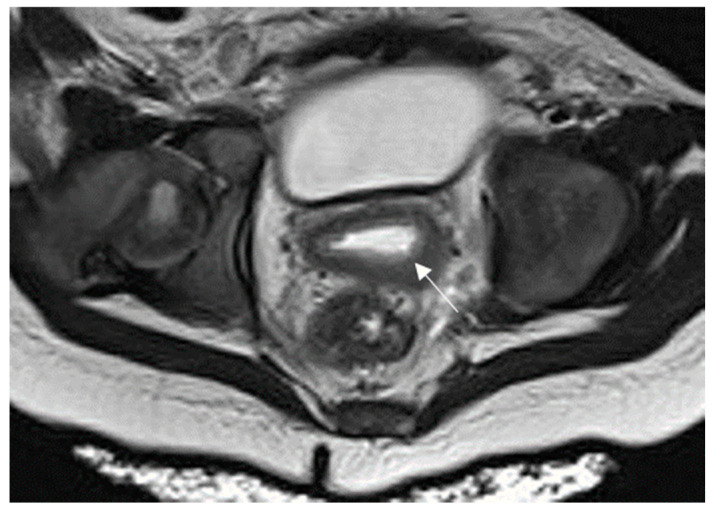 Figure 5
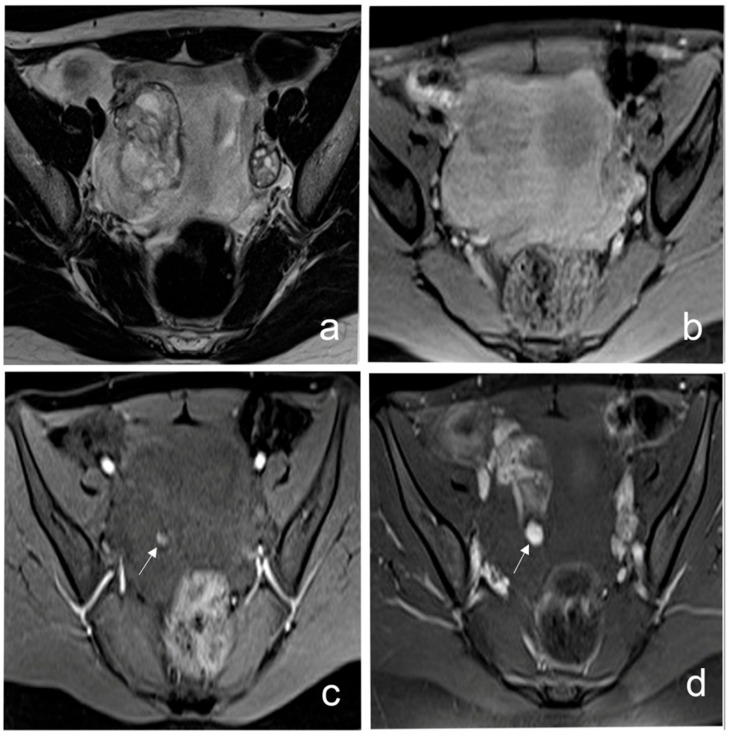 Figure 6
Peer Reviews
No public reviews on file for this paper yet. If you reviewed it on a platform where reviews are public (OpenReview, ICLR, NeurIPS, ICML), you can paste yours below so the community can read it here.
Videos
No videos yet. Explain this paper in a talk, walkthrough, or lecture? Add one.
Taxonomy
TopicsOvarian cancer diagnosis and treatment · Endometriosis Research and Treatment · Sports injuries and prevention