Comprehensive Imaging Evaluation and Staging of Crohn’s Disease: When and Why to Use Intestinal Ultrasound, MRE, or CTE: Current Guidelines and Future Directions
Francesca Maccioni, Ludovica Busato, Lorenza Bottino, Alessandro Longhi, Alessandra Valenti, Maddalena Zippi, Carlo Catalano

TL;DR
This paper reviews the use of intestinal ultrasound, MR enterography, and CT enterography for diagnosing and managing Crohn’s disease, emphasizing their strengths and limitations.
Contribution
The paper provides a comparative overview of imaging modalities for Crohn’s disease, highlighting their roles in diagnosis, monitoring, and treatment response.
Findings
MR Enterography (MRE) is highlighted as the most comprehensive radiation-free imaging modality for evaluating Crohn’s disease.
Intestinal Ultrasound (IUS) is effective for tight monitoring and early therapeutic response assessment.
CT Enterography (CTE) remains essential in acute settings despite radiation concerns due to its speed and accuracy.
Abstract
Crohn’s disease (CD) is a complex inflammatory bowel disease, defined by chronic transmural inflammation and marked heterogeneity in both anatomical distribution and disease behavior, with potential involvement of any segment of the gastrointestinal tract and multiple phenotypes. Advanced cross-sectional imaging nowadays plays a central role in CD management, reliably assessing both luminal and extraluminal inflammatory manifestations, supporting initial diagnosis, phenotypic characterization, and longitudinal monitoring of disease activity, complications and treatment response. Over the last two decades, Intestinal Ultrasound (IUS), MR Enterography (MRE), and Computed Tomography Enterography (CTE) have become central components of the diagnostic pathway. MRE has emerged as the most comprehensive, radiation-free modality for evaluating intestinal extent, inflammatory activity, and…
Genes, proteins, chemicals, diseases, species, mutations and cell lines named across the full text — each resolved to its canonical identifier and authoritative record.
Click any figure to enlarge with its caption.
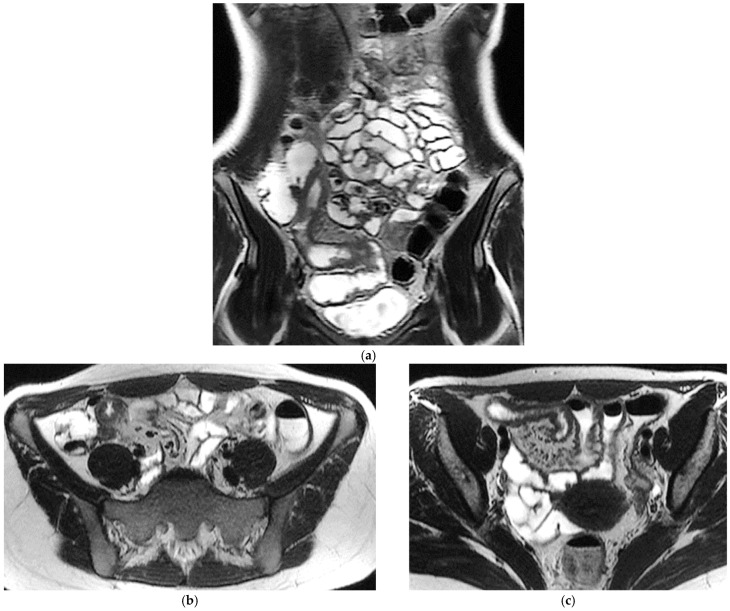 Figure 1
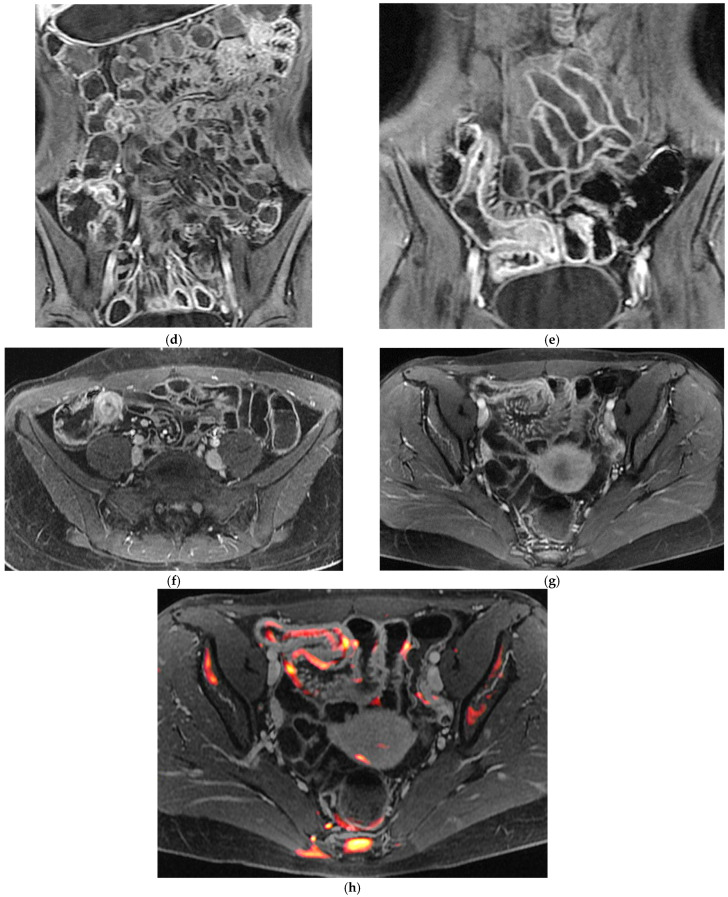 Figure 2
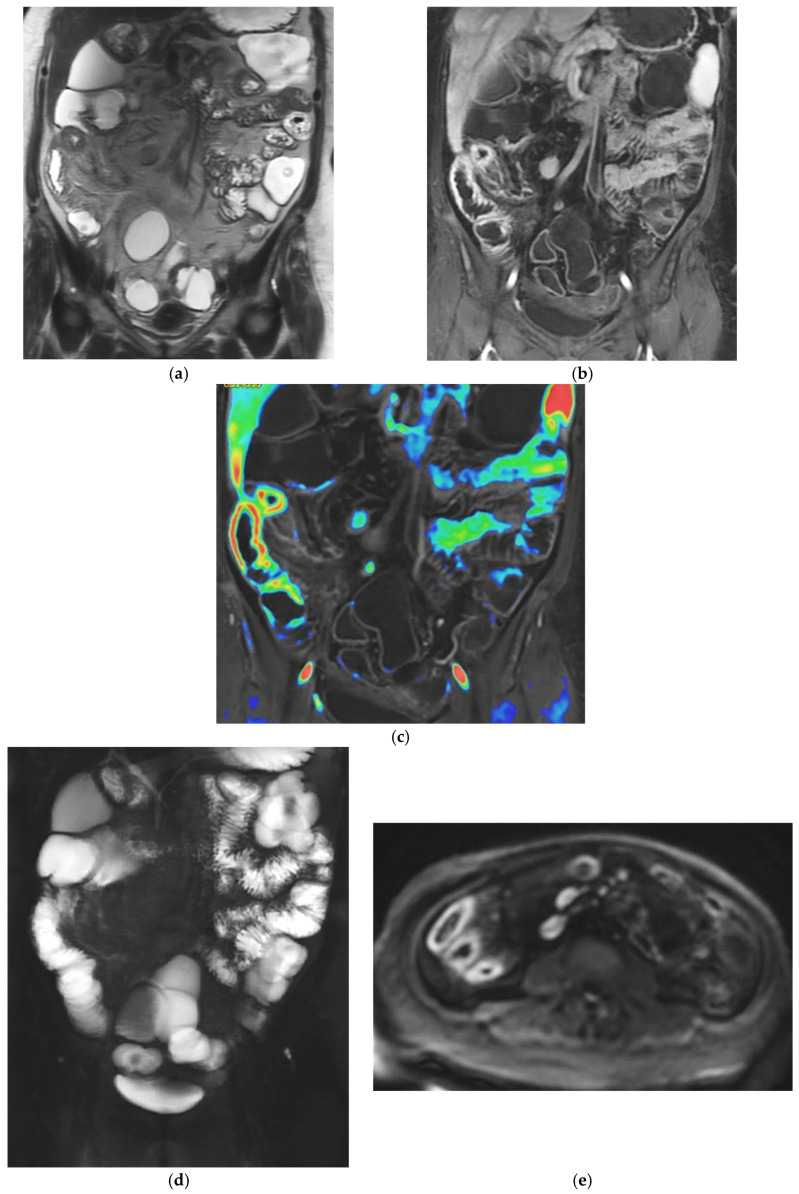 Figure 3
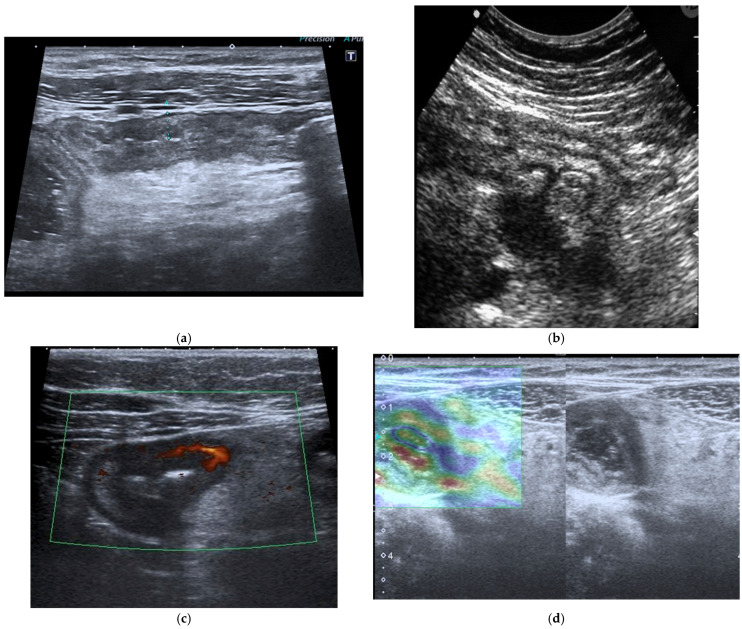 Figure 4
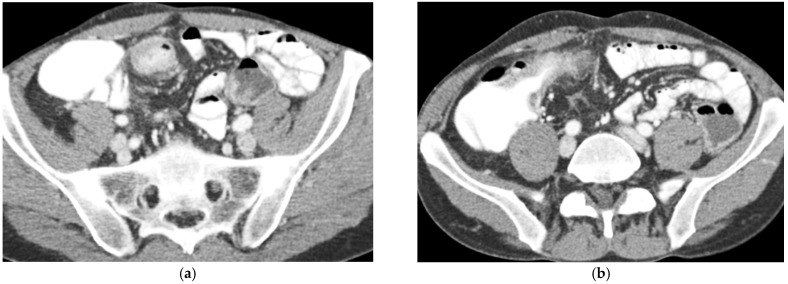 Figure 5
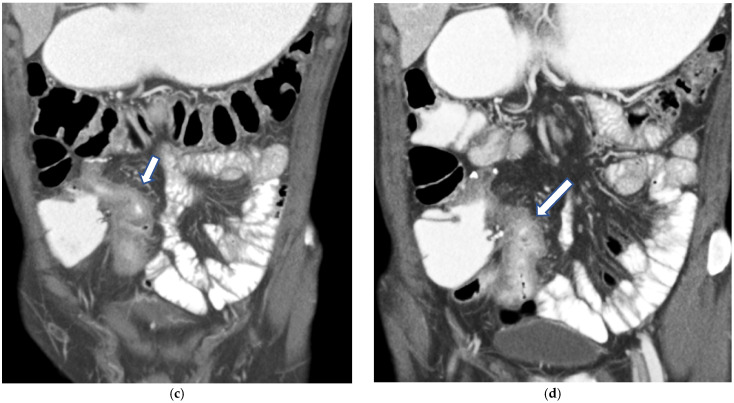 Figure 6
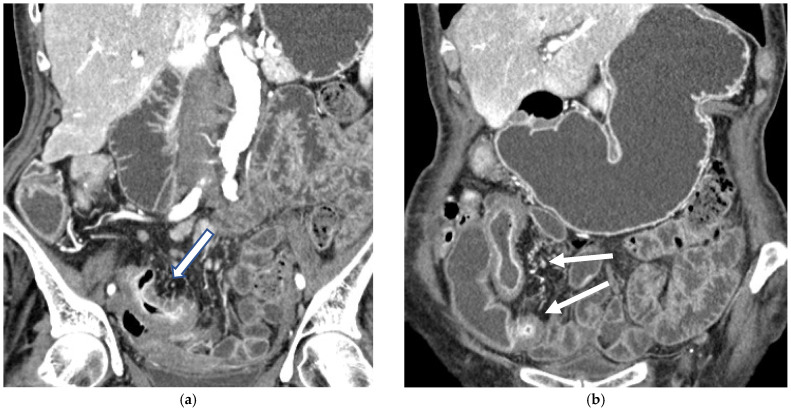 Figure 7
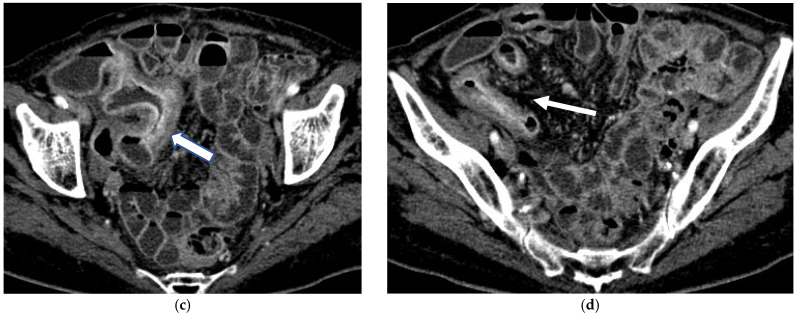 Figure 8
Peer Reviews
No public reviews on file for this paper yet. If you reviewed it on a platform where reviews are public (OpenReview, ICLR, NeurIPS, ICML), you can paste yours below so the community can read it here.
Videos
No videos yet. Explain this paper in a talk, walkthrough, or lecture? Add one.
Taxonomy
TopicsInflammatory Bowel Disease · Autoimmune and Inflammatory Disorders · Appendicitis Diagnosis and Management