Strategic Characterization of Functional and Nutritional Traits in Yellow, Pink, and Black Oxalis tuberosa for Next-Generation Agricultural and Industrial Applications
Franklin Oré Areche, Olivia Magaly Luque Vilca, Marino Bautista Vargas, Rafael Julian Malpartida Yapias, Alfonso Ruiz Rodríguez, Arcadio Sanchez Onofre, Severo Huaquipaco Encinas, Juan Alberto Julcahuanga Dominguez, Anyela Viviana Silva Guarnizo, Tania Jakeline Choque Rivera

TL;DR
This study compares three Oxalis tuberosa varieties to evaluate their agronomic, nutritional, and functional traits for agricultural and industrial use.
Contribution
The study introduces an integrated, multi-trait comparison of oca varieties under standardized open-field conditions.
Findings
The Yellow variety showed the highest biomass, yield, and starch content, making it ideal for food processing.
The Black variety exhibited the strongest antioxidant activity and higher levels of phenolics and flavonoids.
Integrated trait evaluation enables better varietal selection for agricultural and industrial applications.
Abstract
This study provides an integrated agronomic–functional–nutritional–bioactive characterization of three Oxalis tuberosa varieties (Yellow, Pink, and Black) cultivated under open-field conditions. Unlike previous studies that have typically examined isolated trait groups or single quality dimensions, this work simultaneously evaluates yield-related morphology, starch functional behavior, proximate composition, antioxidant activity, and pigment-associated color attributes within a unified experimental framework, enabling robust varietal comparison and application-oriented interpretation. The Yellow variety matured later (125 ± 2 days) and produced the highest total biomass (587 ± 32 g) and yield per plant (462 ± 28 g), with the longest tubers (8.7 ± 0.3 cm) and the greatest tuber number (12.1 ± 1.1 per plant). Functional assessments indicated that the Yellow variety exhibited superior…
Genes, proteins, chemicals, diseases, species, mutations and cell lines named across the full text — each resolved to its canonical identifier and authoritative record.
Click any figure to enlarge with its caption.
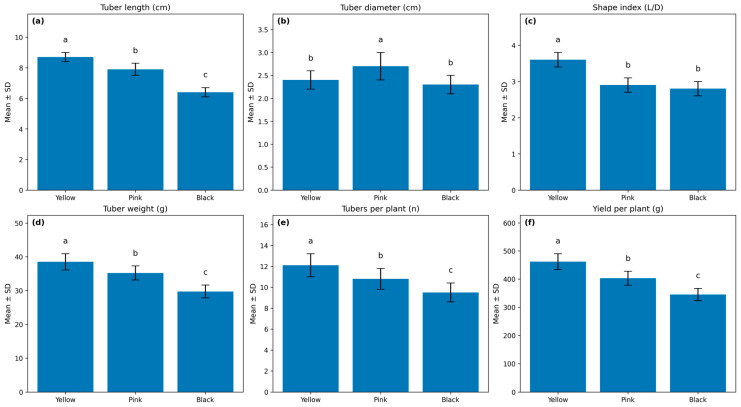 Figure 1
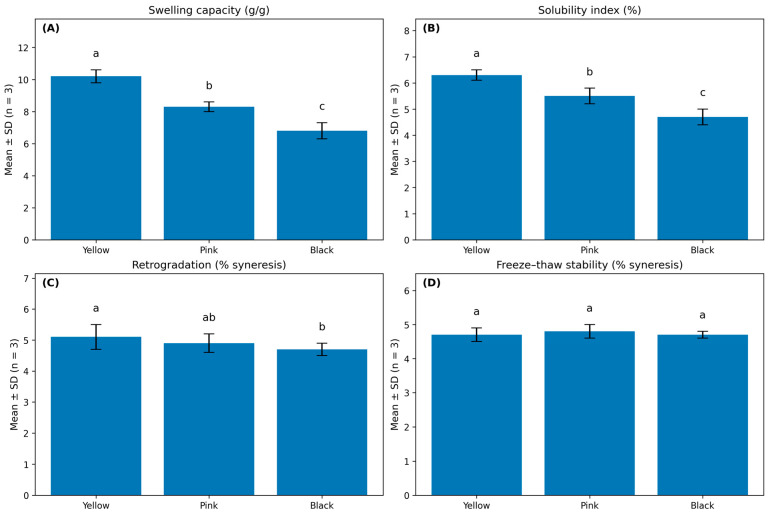 Figure 2
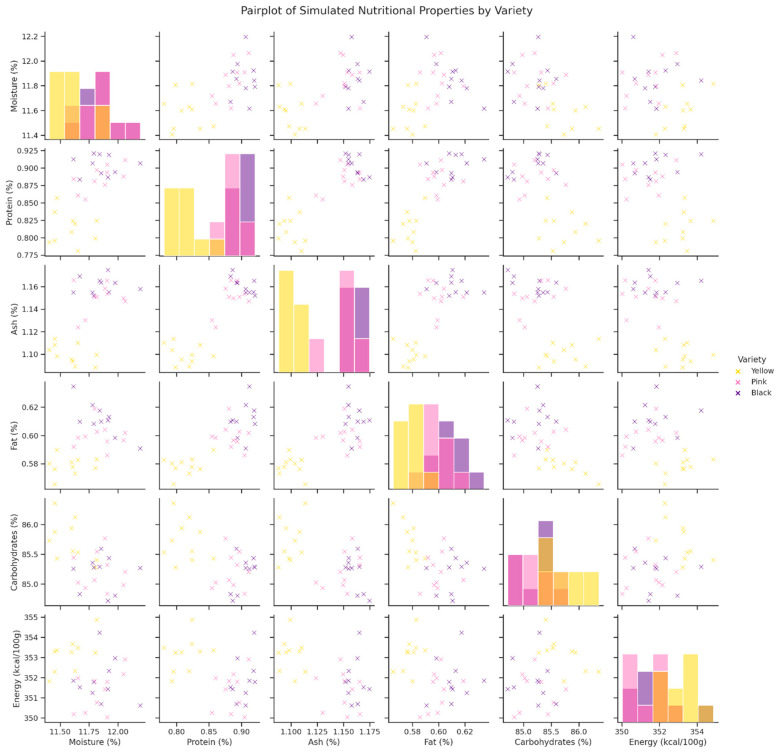 Figure 3
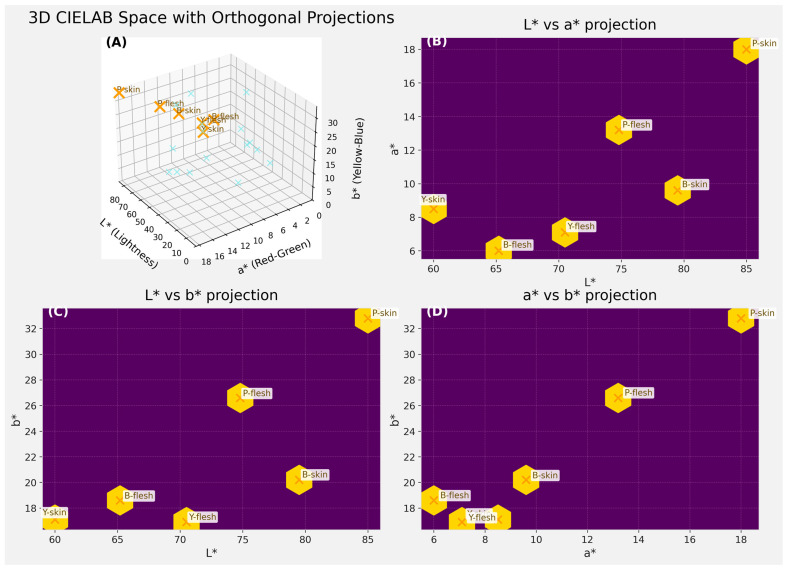 Figure 4
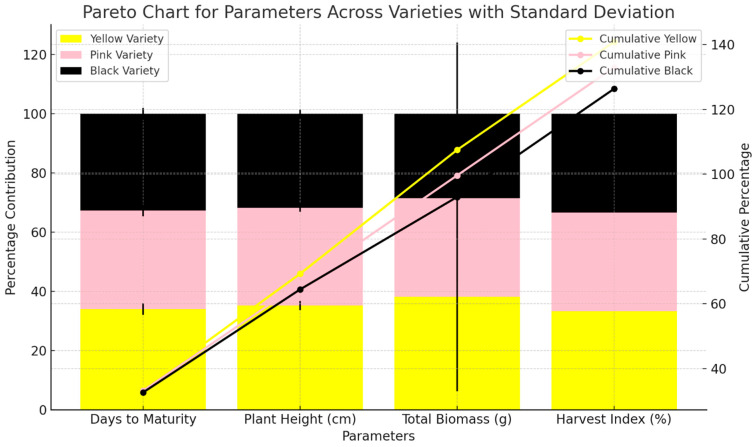 Figure 5
Peer Reviews
No public reviews on file for this paper yet. If you reviewed it on a platform where reviews are public (OpenReview, ICLR, NeurIPS, ICML), you can paste yours below so the community can read it here.
Videos
No videos yet. Explain this paper in a talk, walkthrough, or lecture? Add one.
Taxonomy
TopicsFood composition and properties · Botanical Research and Applications · Phytochemicals and Antioxidant Activities