Outcomes and Predictors of Recurrence and Survival in Surgically Resected Localized Chromophobe Renal Cell Carcinoma: Results from the Canadian Kidney Cancer Information System (CKCis)
Erica Arenovich, Rodney Breau, Ricardo Rendon, Ranjeeta Mallick, Simon Tanguay, Frederic Pouliot, Luke Lavallee, Andrew Feifer, Antonio Finelli, Rahul Bansal, Jean-Baptiste Lattouf, Miles Mannas, Bimal Bhindi, Jasmir G. Nayak, Naveen Basappa, Daniel Y. C. Heng

TL;DR
This study finds that most patients with surgically removed chromophobe kidney cancer have good outcomes, but some with advanced disease face higher risks of recurrence and death.
Contribution
The study identifies specific predictors of recurrence and survival in chromophobe renal cell carcinoma using a large Canadian cohort.
Findings
Patients with localized chromophobe RCC had 93.6% recurrence-free survival at 5 years and 90.2% at 10 years.
Predictors of recurrence included higher pT stage, sarcomatoid features, positive margins, and tumor necrosis.
Overall survival was 94.5% at 5 years and 83.7% at 10 years, with predictors including high pT stage and older age.
Abstract
Chromophobe renal cell cancer (chRCC) is an uncommon subtype of kidney cancer. This research focuses on patients who present with chRCC in their kidney and have it surgically removed. Baseline factors like sex, age, and size of tumour will be presented as well as pathological features of the cancer after surgical resection. This study shows that the majority of patients have very good outcomes, and cancer does not recur. There is, however, a subset of patients with more advanced disease in the kidney (higher stage and larger tumours) and other pathological features who have worse outcomes. Identifying these patients may help improve cancer outcomes in the future. Chromophobe RCC (chRCC) represents 5–10% of all RCC; however, data regarding outcomes and predictors of recurrence and survival in localized disease are limited. The Canadian Kidney Cancer Information System (CKCis) is a…
Genes, proteins, chemicals, diseases, species, mutations and cell lines named across the full text — each resolved to its canonical identifier and authoritative record.
Click any figure to enlarge with its caption.
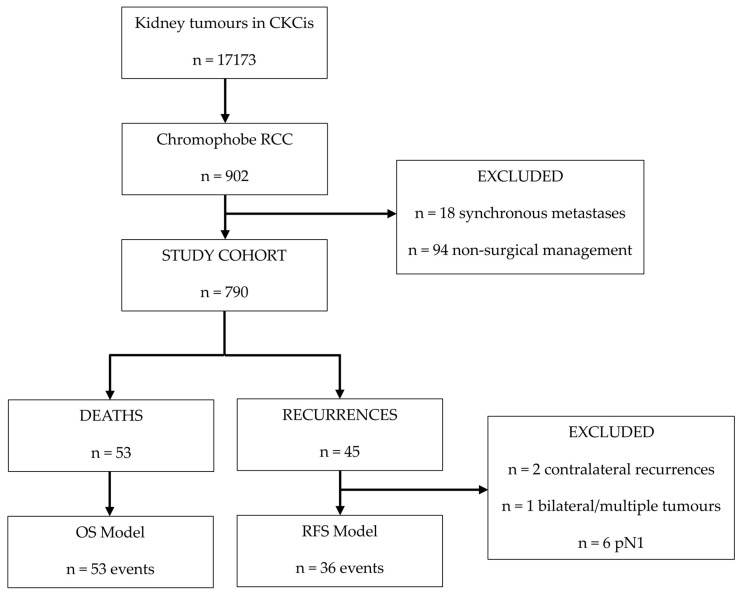 Figure 1
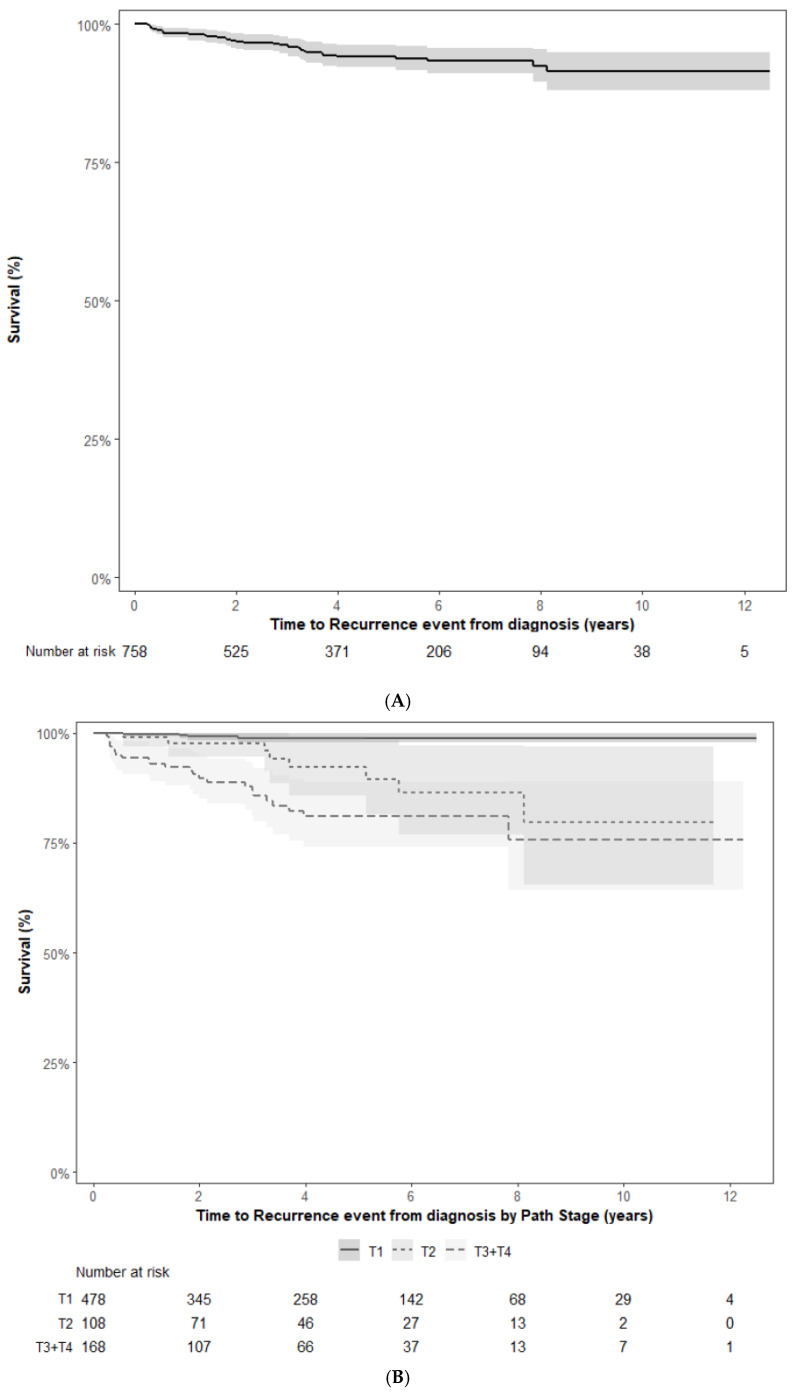 Figure 2
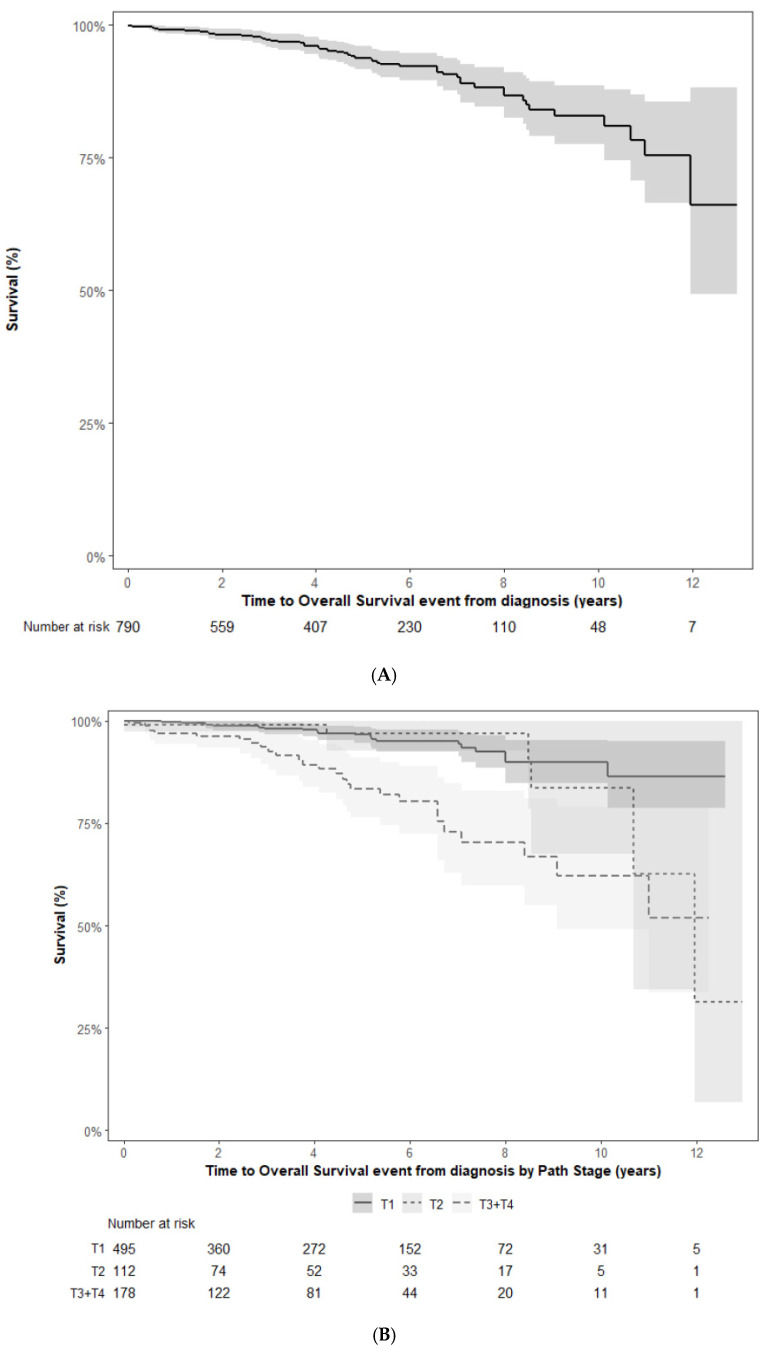 Figure 3
Peer Reviews
No public reviews on file for this paper yet. If you reviewed it on a platform where reviews are public (OpenReview, ICLR, NeurIPS, ICML), you can paste yours below so the community can read it here.
Videos
No videos yet. Explain this paper in a talk, walkthrough, or lecture? Add one.
Taxonomy
TopicsRenal cell carcinoma treatment · Bladder and Urothelial Cancer Treatments · Multiple and Secondary Primary Cancers