A Mitochondrial Plasma Proteomic Signature Identifies Metastatic Chromophobe Renal Cell Carcinoma
Clara Steiner, Tiegang Han, Steven Safi, Wafaa Bzeih, Hadi Mansour, Eddy Saad, Jessica F. Williams, Michelle S. Hirsch, Vinay K. Giri, Liliana Ascione, Yehonatan Elon, Adam P. Dicker, Yan Tang, Toni K. Choueiri, Elizabeth P. Henske, Wenxin Xu

TL;DR
This study identifies a blood protein signature that can distinguish chromophobe kidney cancer from clear cell kidney cancer, offering a potential new diagnostic tool.
Contribution
The study introduces a novel two-protein blood test for differentiating metastatic chromophobe from clear cell renal cell carcinoma.
Findings
Chromophobe kidney cancer patients have higher levels of mitochondrial metabolism-related proteins in their blood.
A two-protein model using ECI1 and CKMT1A achieved high accuracy in distinguishing the two cancer types.
The findings align with the known mitochondrial abnormalities in chromophobe kidney cancer.
Abstract
Chromophobe renal cell carcinoma is a rare subtype of kidney cancer that differs biologically from the more common clear cell kidney cancer. However, there are currently no blood-based tests that can reliably distinguish these tumor types, particularly among patients with advanced disease. In this study, we analyzed thousands of proteins circulating in the blood of patients with these two cancer types to identify patterns that could help differentiate them. We found that patients with chromophobe kidney cancer show higher levels of proteins involved in mitochondrial energy metabolism. This could reflect the well-known accumulation of abnormal mitochondria in these tumors. Using these proteins, we developed a simple two-marker model that distinguishes chromophobe from clear cell kidney cancer. These findings suggest that protein signatures in the blood might help improve the…
Genes, proteins, chemicals, diseases, species, mutations and cell lines named across the full text — each resolved to its canonical identifier and authoritative record.
Click any figure to enlarge with its caption.
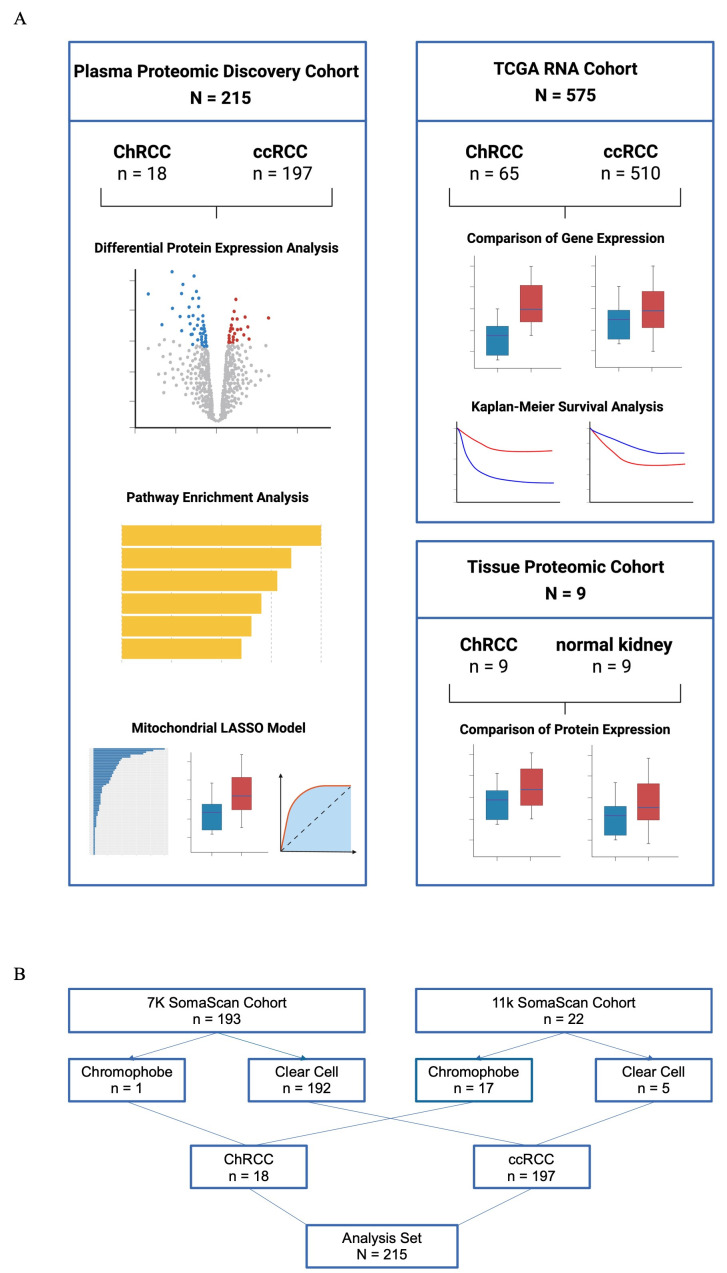 Figure 1
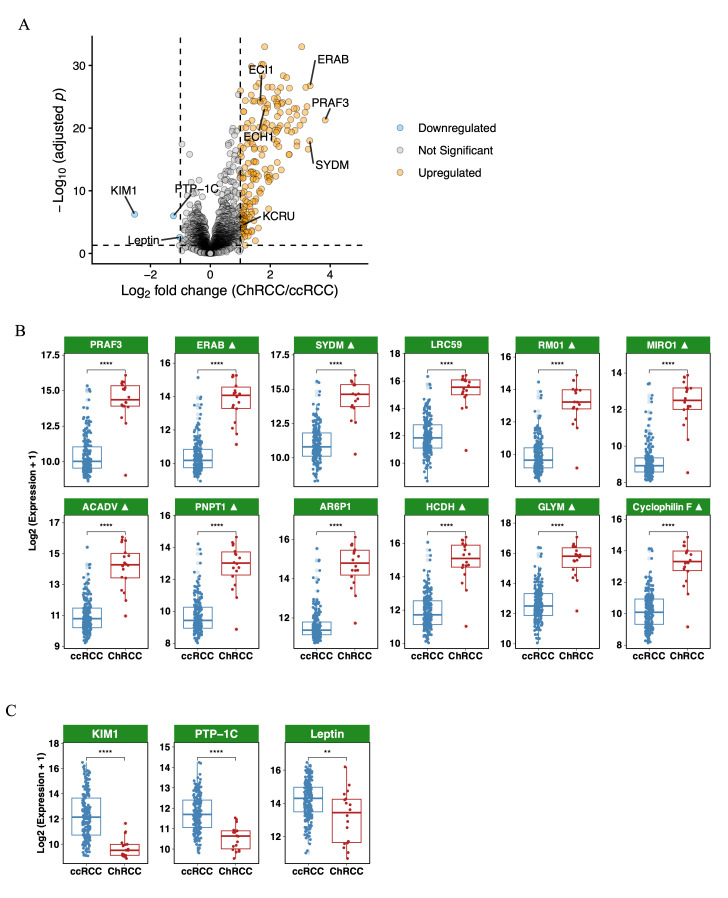 Figure 2
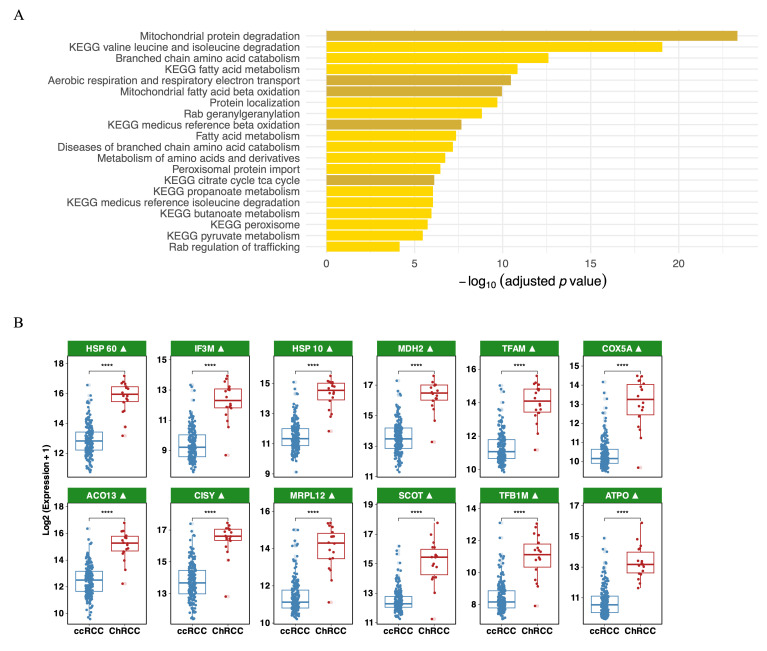 Figure 3
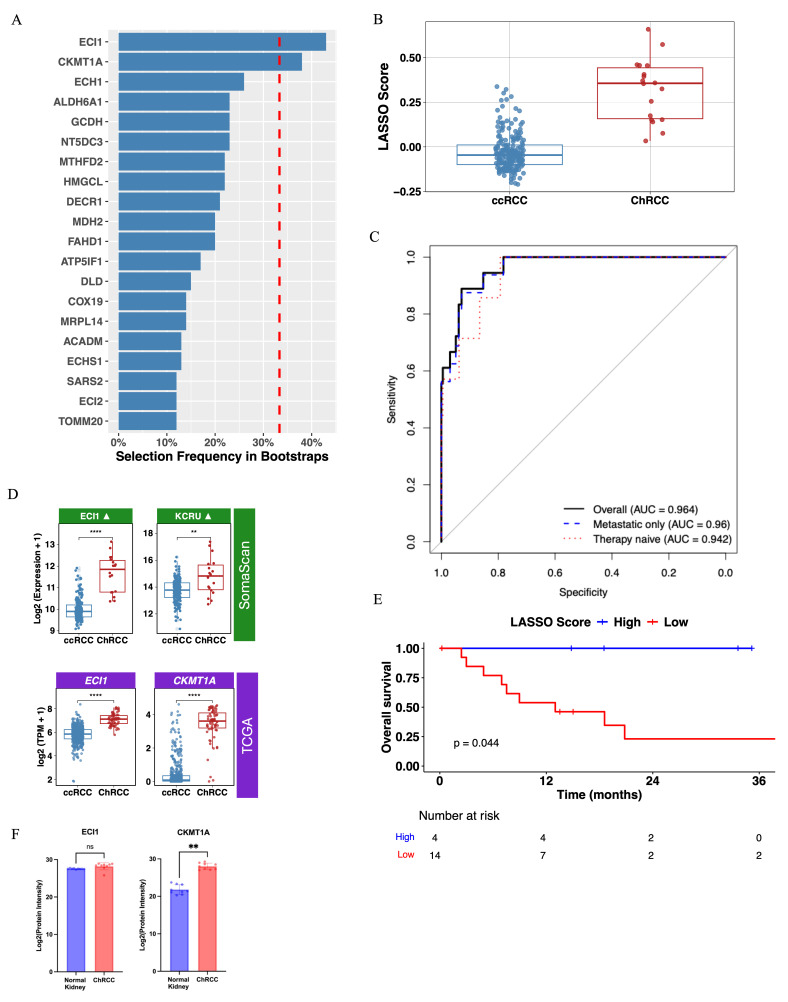 Figure 4
Peer Reviews
No public reviews on file for this paper yet. If you reviewed it on a platform where reviews are public (OpenReview, ICLR, NeurIPS, ICML), you can paste yours below so the community can read it here.
Videos
No videos yet. Explain this paper in a talk, walkthrough, or lecture? Add one.
Taxonomy
TopicsRenal cell carcinoma treatment · Cancer, Hypoxia, and Metabolism · Clusterin in disease pathology