The Regulation of p53 by Ubiquitination and Implications for Therapeutic Targeting in Colorectal Cancer
Ioannis A. Voutsadakis

TL;DR
This study explores how p53 is regulated by ubiquitination in colorectal cancer and identifies potential therapeutic targets for treating both wild-type and mutant TP53 cancers.
Contribution
The study identifies specific E3 ubiquitin ligases, such as MDM2 and TRIM24, as potential therapeutic targets in colorectal cancer.
Findings
Genomic alterations in p53-regulating E3 ubiquitin ligases are rare in colorectal cancer, with RCHY1 being the most frequently mutated.
MDM2 and TRIM24 show higher mRNA expression in colorectal cancers compared to normal tissues, with TRIM24 upregulated in both wild-type and mutant TP53 cancers.
VHL and UBE2S are upregulated in colorectal cancers, suggesting a role in proteolysis-targeting chimeras (PROTACs) for therapeutic strategies.
Abstract
Background: The turnaround of the tumor suppressor p53 protein, the guardian of the genome, is closely regulated to ensure avoidance of its untimely activation, which could lead to the demise of normal cells. Cancer cells often display mutations in the gene TP53 encoding for p53, which interferes with its normal function. Methods: The genomic series of colorectal cancer from the Cancer Genome Atlas (TCGA) was interrogated to discover genomic alterations and determine the mRNA expression of enzymes affecting p53 ubiquitination in colorectal cancers with wild-type and mutant TP53. Results: Genomic alterations of p53-regulating E3 ubiquitin ligases were uncommon in colorectal cancers, the most frequent being mutations in RCHY1. Several p53-regulating E3 ligases were well expressed in subsets of colorectal cancers, two of which, MDM2 and TRIM24, displayed higher mRNA expressions than the…
Genes, proteins, chemicals, diseases, species, mutations and cell lines named across the full text — each resolved to its canonical identifier and authoritative record.
Click any figure to enlarge with its caption.
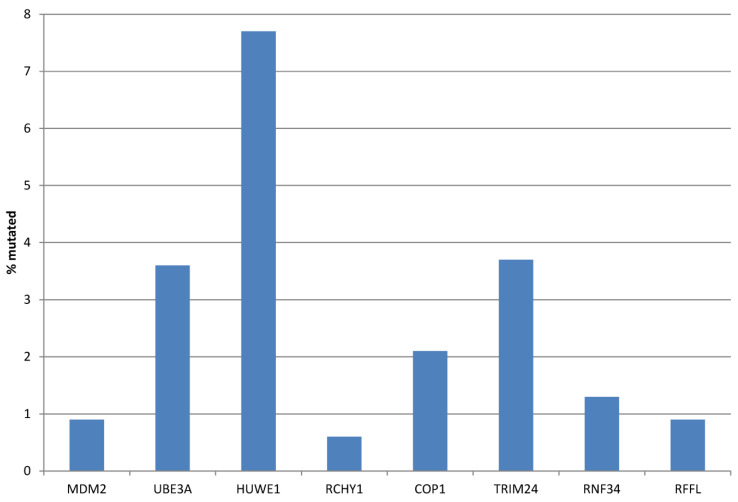 Figure 1
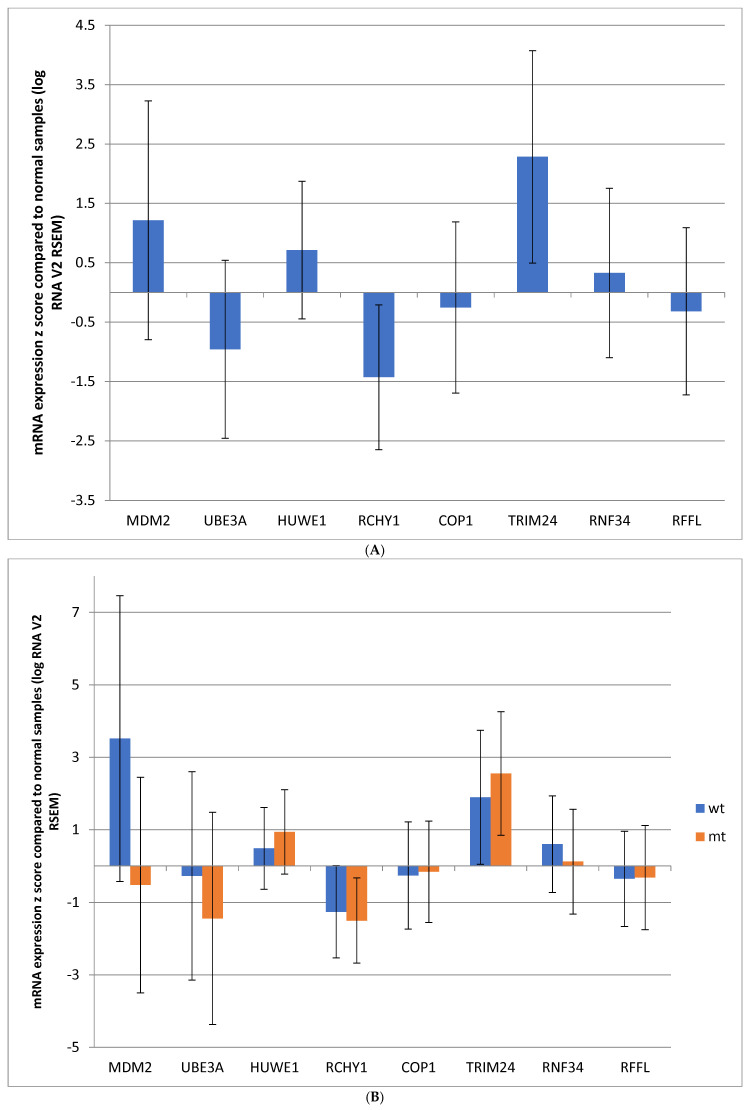 Figure 2
 Figure 3
 Figure 4
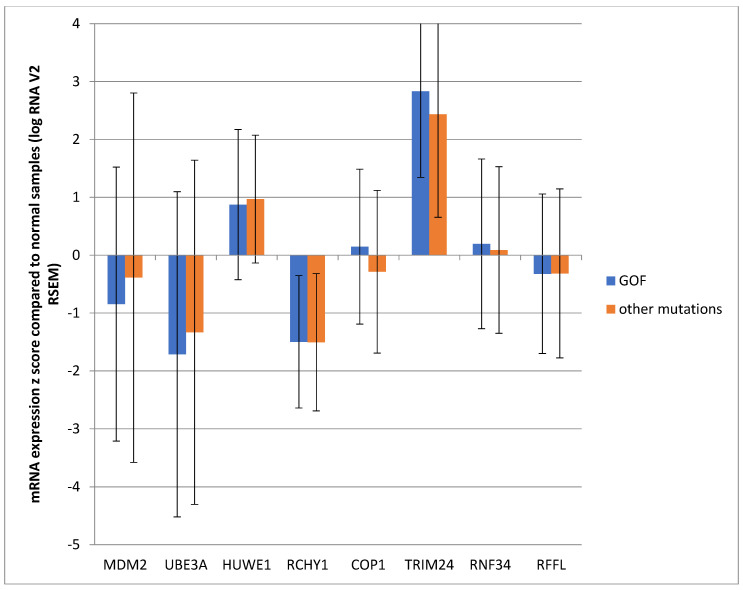 Figure 5
 Figure 6
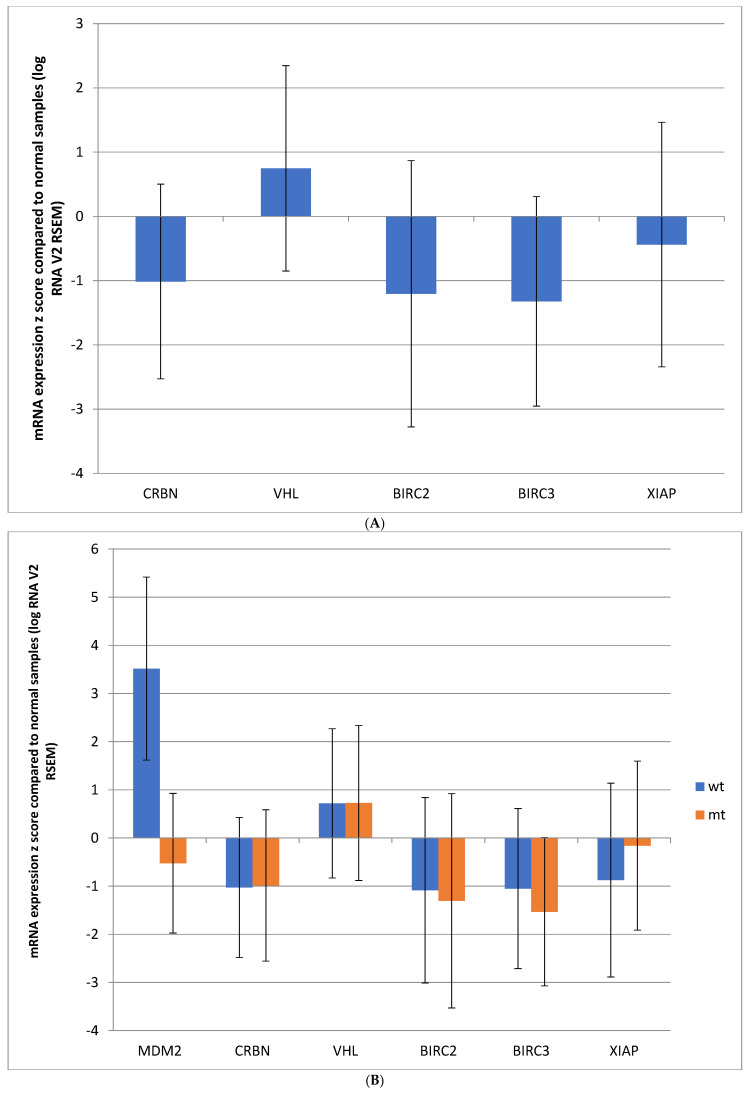 Figure 7
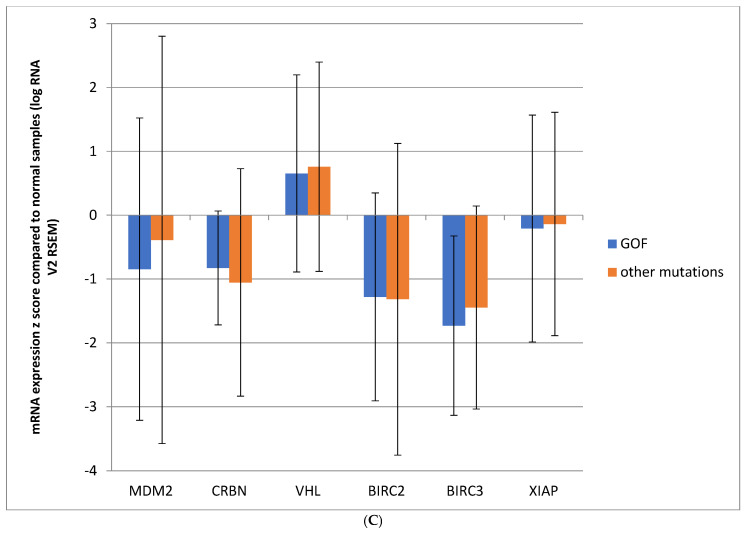 Figure 8
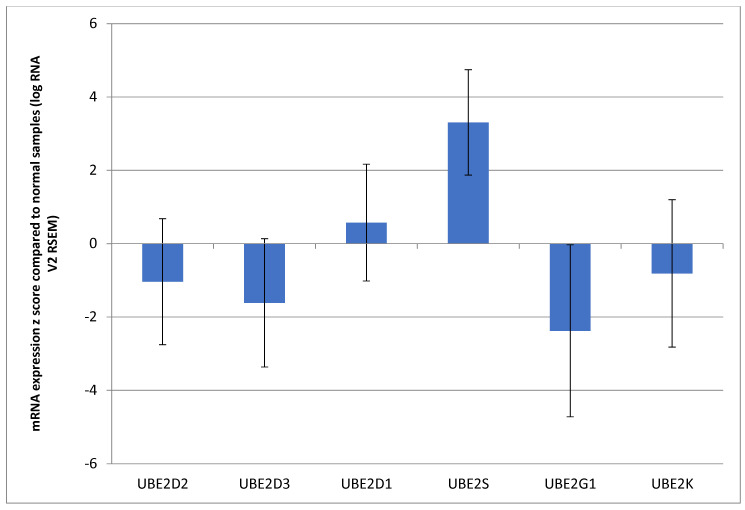 Figure 9
Peer Reviews
No public reviews on file for this paper yet. If you reviewed it on a platform where reviews are public (OpenReview, ICLR, NeurIPS, ICML), you can paste yours below so the community can read it here.
Videos
No videos yet. Explain this paper in a talk, walkthrough, or lecture? Add one.
Taxonomy
TopicsCancer-related Molecular Pathways · Ubiquitin and proteasome pathways · Protein Degradation and Inhibitors