Is Pulse Co-Oximetry a Reliable Alternative to Invasive Hemoglobin Measurement in Pediatric Neurosurgical Procedures?
Funda Arun, Oguzhan Arun

TL;DR
Non-invasive hemoglobin monitoring overestimates lab values in children during neurosurgery, especially during severe acidosis and low blood pressure, requiring invasive checks for accuracy.
Contribution
This study evaluates the reliability of non-invasive hemoglobin monitoring in pediatric neurosurgery under extreme physiological conditions.
Findings
Non-invasive hemoglobin monitoring overestimates lab values with significant error during severe metabolic acidosis.
Hemodynamic instability during hypotension reduces measurement accuracy despite normal perfusion index readings.
SpHb has 0% sensitivity for detecting critical anemia and should not be used alone to trigger transfusions.
Abstract
What are the main findings? •Non-invasive hemoglobin monitoring systematically overestimates laboratory values, with error margins significantly widening during severe metabolic acidosis (Base Excess < −10 mEq/L).•Hemodynamic autoregulation is compromised during hypotensive episodes, creating a pressure-dependent perfusion state that degrades measurement precision even when the Perfusion Index appears clinically normal. Non-invasive hemoglobin monitoring systematically overestimates laboratory values, with error margins significantly widening during severe metabolic acidosis (Base Excess < −10 mEq/L). Hemodynamic autoregulation is compromised during hypotensive episodes, creating a pressure-dependent perfusion state that degrades measurement precision even when the Perfusion Index appears clinically normal. What are the implications of the main findings? •Clinicians should prioritize…
Genes, proteins, chemicals, diseases, species, mutations and cell lines named across the full text — each resolved to its canonical identifier and authoritative record.
Click any figure to enlarge with its caption.
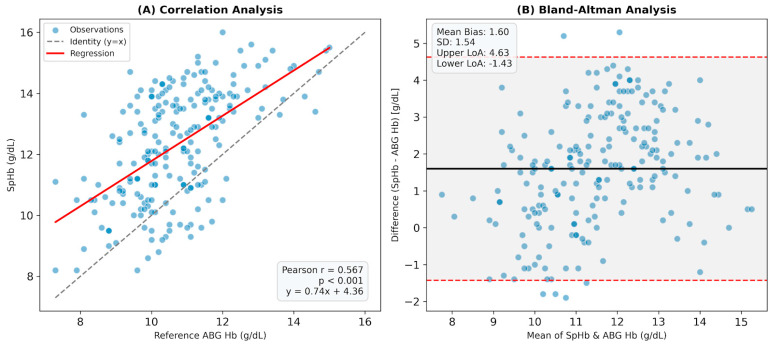 Figure 1
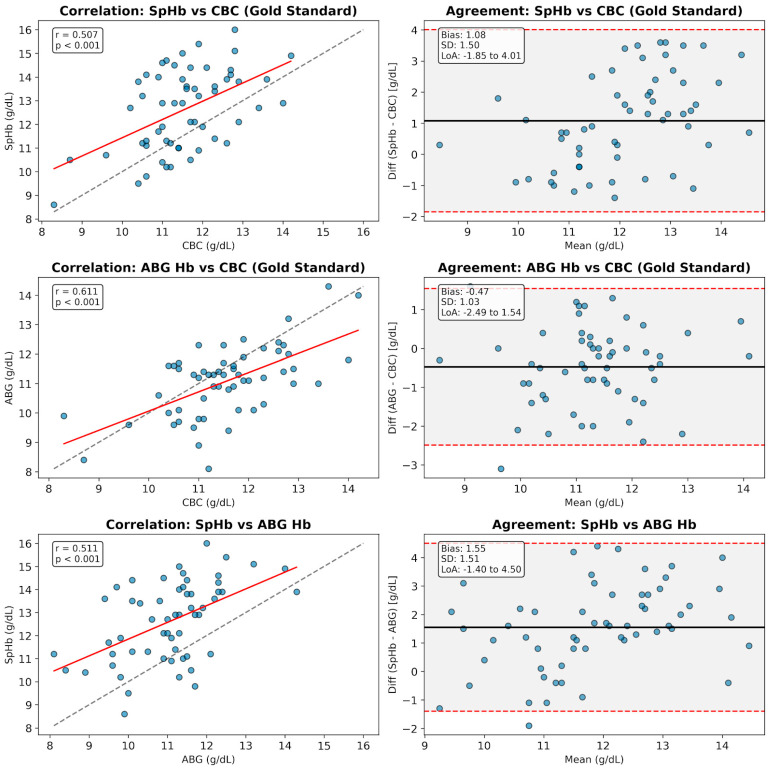 Figure 2
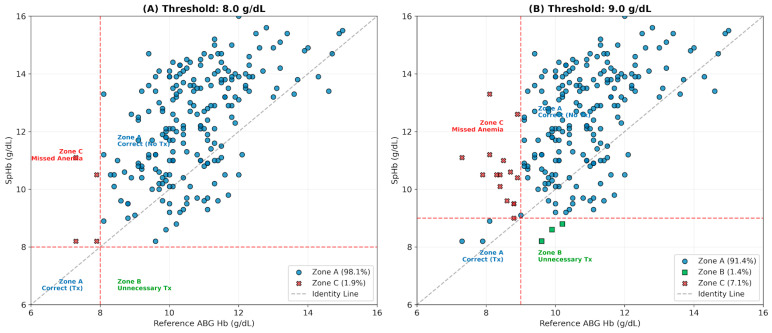 Figure 3
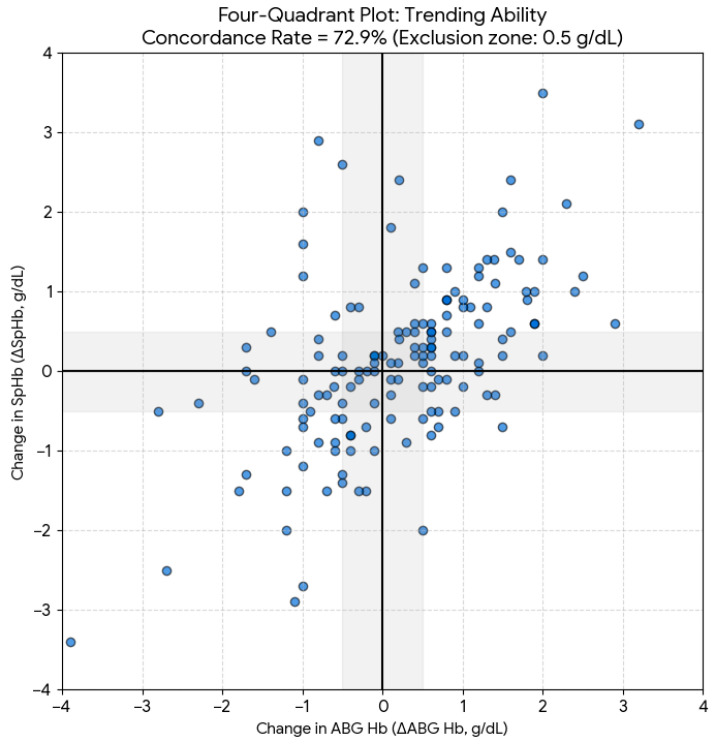 Figure 4
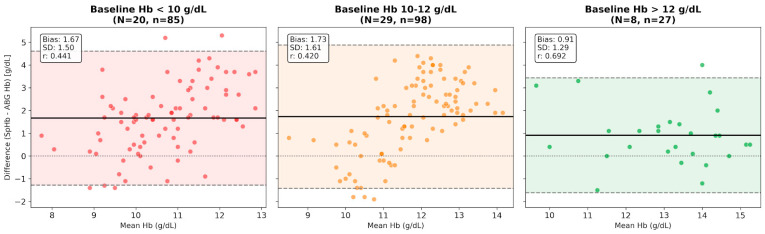 Figure 5
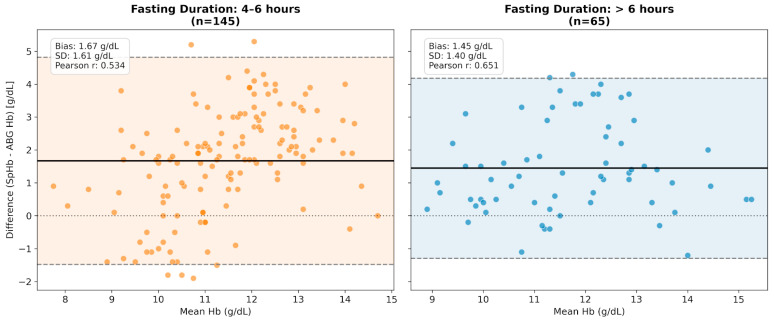 Figure 6
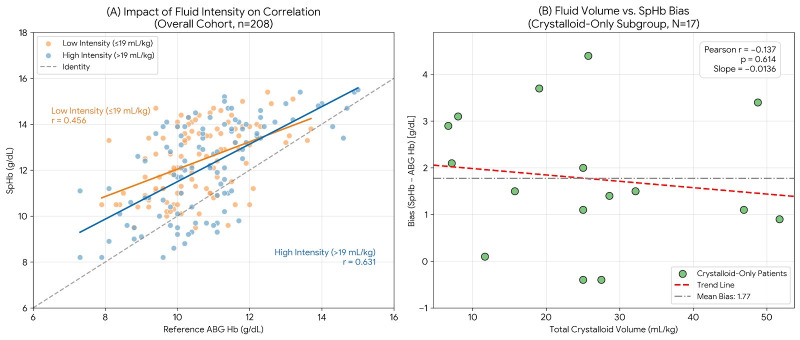 Figure 7
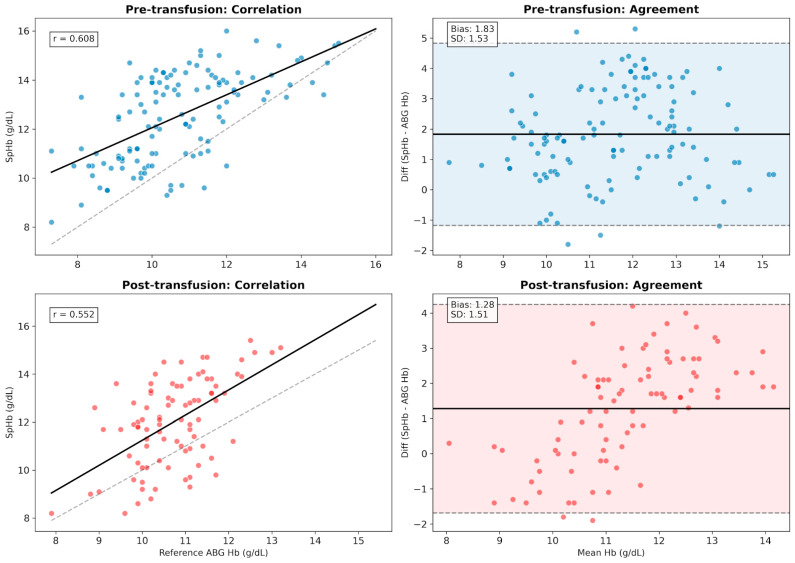 Figure 8
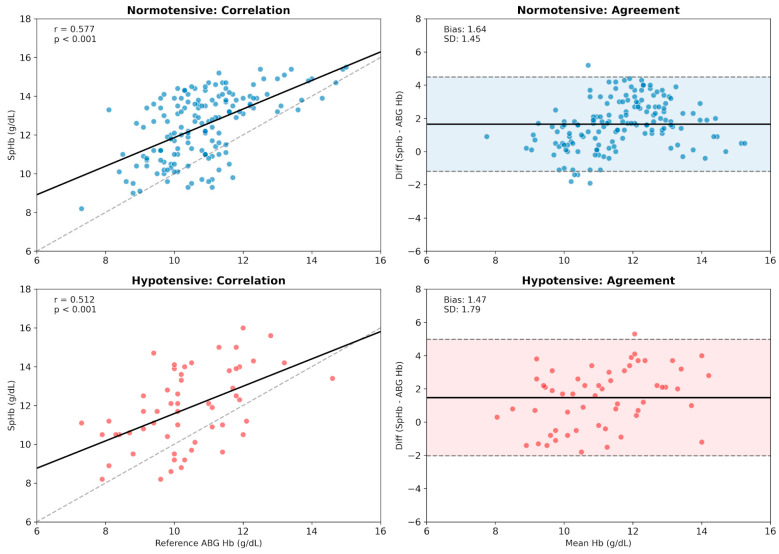 Figure 9
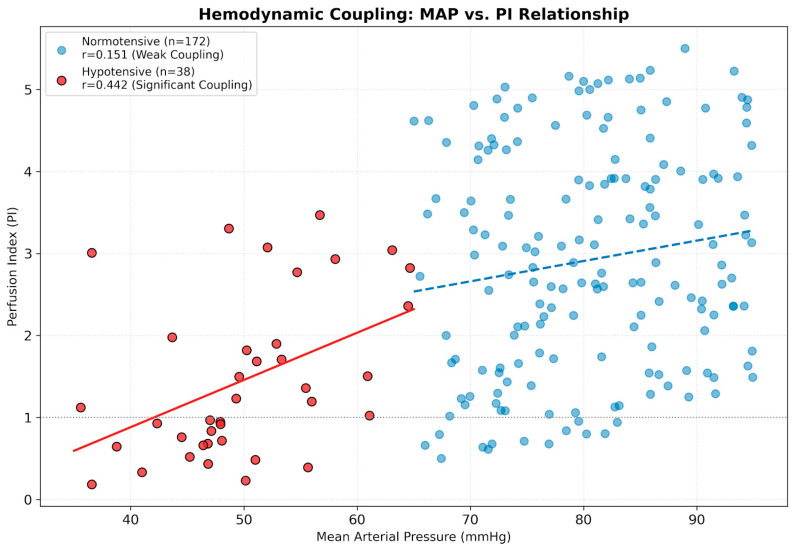 Figure 10
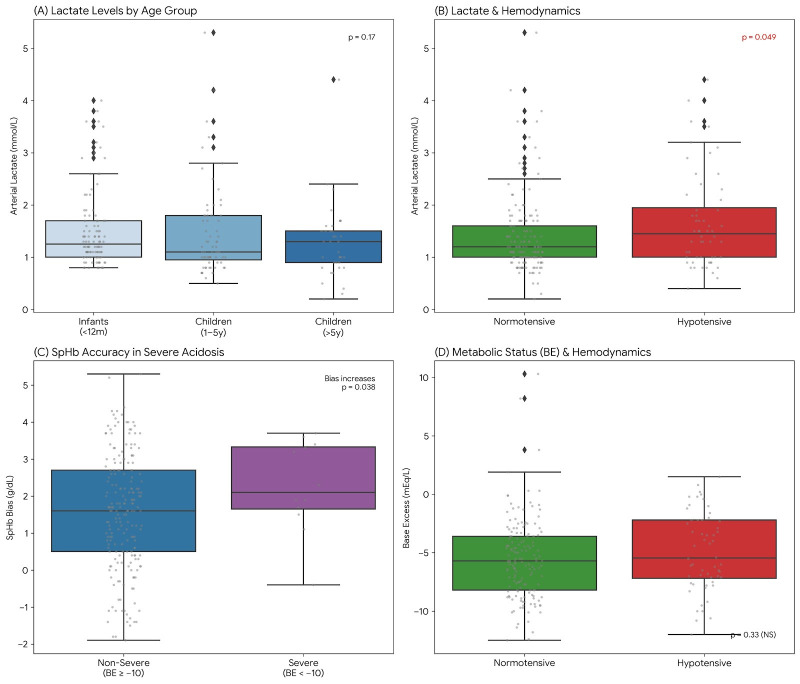 Figure 11
Peer Reviews
No public reviews on file for this paper yet. If you reviewed it on a platform where reviews are public (OpenReview, ICLR, NeurIPS, ICML), you can paste yours below so the community can read it here.
Videos
No videos yet. Explain this paper in a talk, walkthrough, or lecture? Add one.
Taxonomy
TopicsHemoglobin structure and function · Traumatic Brain Injury and Neurovascular Disturbances · Hemodynamic Monitoring and Therapy