A Predictive Transcriptomic Approach to the Resveratrol-Mediated Reversal of Hypothalamic Alterations in a Mouse Model of Obesity
Brenda De la Cruz-Concepción, Juan Miguel Mendoza-Bello, Fredy Omar Beltrán-Anaya, Mónica Ramírez, Yaccil Adilene Flores-Cortez, Gema Damian-Sánchez, Eugenia Flores-Alfaro, Isela Parra-Rojas, Oscar Del Moral-Hernández, Miguel Cruz, Mónica Espinoza-Rojo

TL;DR
This study shows that resveratrol can reverse gene changes in the hypothalamus of obese mice, potentially offering a new treatment approach for obesity-related diseases.
Contribution
The first predictive transcriptomic analysis of resveratrol's effects on hypothalamic gene expression in a mouse model of obesity.
Findings
Resveratrol reversed several hypothalamic gene expression changes caused by a high-fat diet.
Key genes and pathways related to inflammation, lipid metabolism, and immune signaling were modulated by resveratrol.
45% of resveratrol-responsive transcripts were non-coding RNAs, indicating possible epigenetic regulation.
Abstract
Background: Obesity is associated with hypothalamic dysfunction characterized by neuroinflammation and altered transcriptional programs. While resveratrol (RSV) has shown beneficial metabolic effects in peripheral tissues, its central effects on hypothalamic gene expression in obesity remain poorly understood. This study provides the first predictive transcriptomic analysis of the hypothalamic response to RSV in a mouse model of diet-induced obesity. C57BL/6 male mice were fed a high-fat diet (HFD) to induce obesity and then subsequently treated with RSV. Methods: Hypothalamic RNA was extracted and analyzed using RNA sequencing. Differentially expressed genes (DEGs) were identified and functionally analyzed through KEGG pathway analysis. Results: Although RSV did not significantly alter body weight, it reversed the expression of several HFD-induced DEGs. Key genes modulated by RSV…
Genes, proteins, chemicals, diseases, species, mutations and cell lines named across the full text — each resolved to its canonical identifier and authoritative record.
Click any figure to enlarge with its caption.
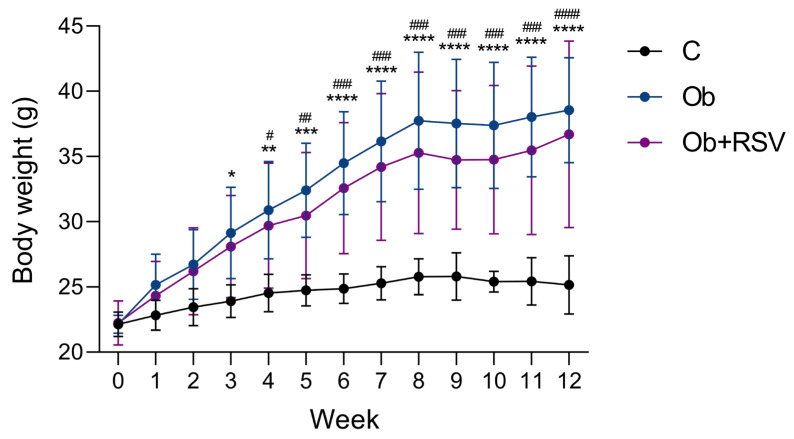 Figure 1
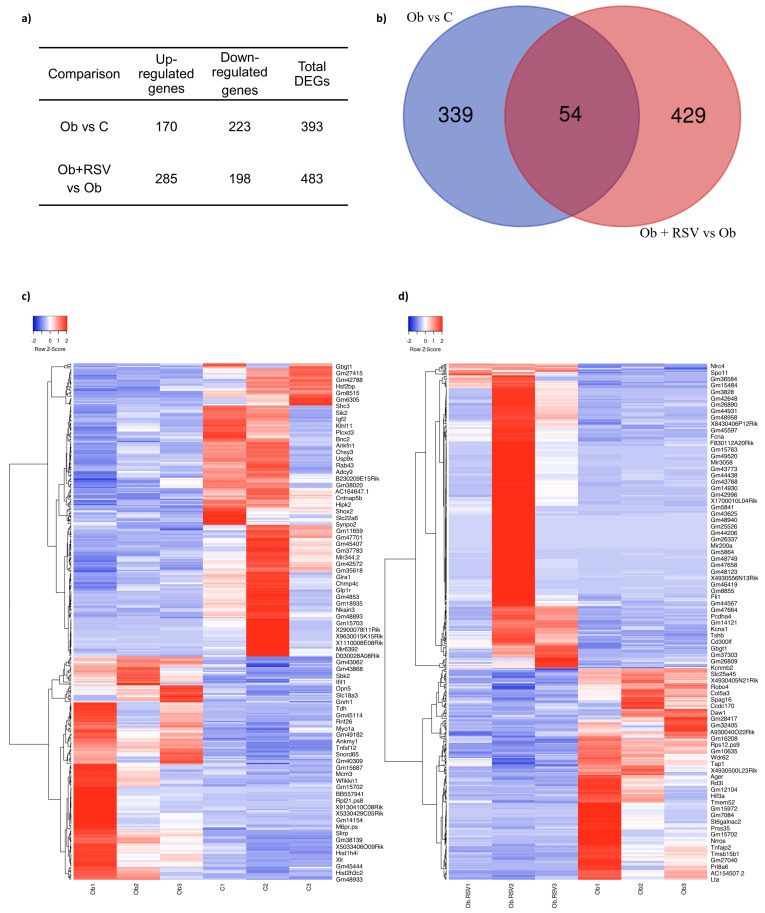 Figure 2
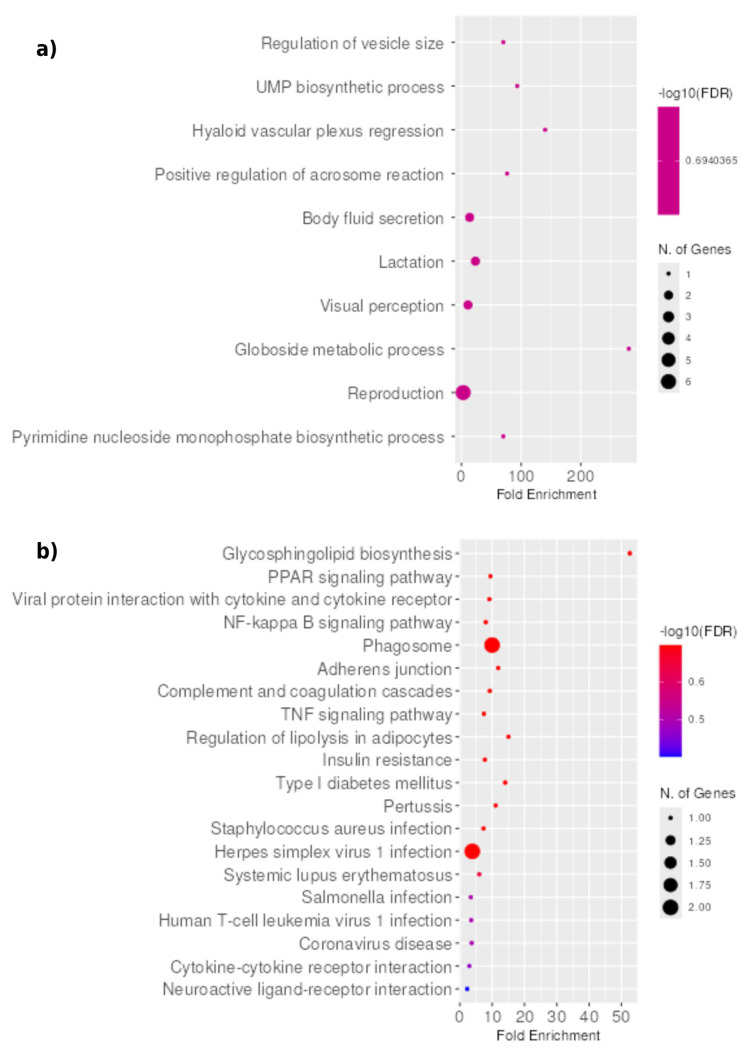 Figure 3
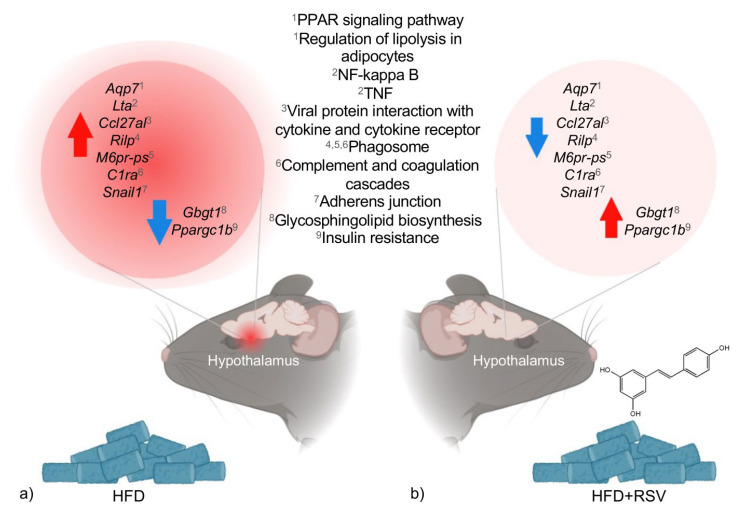 Figure 4
Peer Reviews
No public reviews on file for this paper yet. If you reviewed it on a platform where reviews are public (OpenReview, ICLR, NeurIPS, ICML), you can paste yours below so the community can read it here.
Videos
No videos yet. Explain this paper in a talk, walkthrough, or lecture? Add one.
Taxonomy
TopicsSirtuins and Resveratrol in Medicine · Adipokines, Inflammation, and Metabolic Diseases · Regulation of Appetite and Obesity