n-Butanol Extract of Polygonum capitatum Targets Biofilm Formation, Motility, and Adhesion Attenuation to Combat Uropathogenic Escherichia coli
Derong Zeng, Yan Zhang, Jingjing Guo, Jiahua Yu, Shuai Dou, Yuqi Yang, Xiang Yu, Yongqiang Zhou, Juan Xue, Zehuan Wang, Wude Yang

TL;DR
This study shows that an extract from Polygonum capitatum can fight uropathogenic E. coli by disrupting biofilms and reducing bacterial virulence, offering a potential new treatment for UTIs.
Contribution
The study identifies a plant extract that targets multiple virulence factors in UPEC, including biofilm formation and membrane integrity.
Findings
BPC inhibits UPEC biofilm formation and disrupts cell membrane integrity.
BPC reduces bacterial motility, adhesion, and invasion capabilities.
Flavonoids in BPC bind to enzymes like AKP and β-galactosidase, supporting its anti-virulence effects.
Abstract
Uropathogenic Escherichia coli (UPEC) that form biofilms exhibit high-level antibiotic resistance, which poses substantial challenges to current therapeutic strategies for urinary tract infection (UTI). There is an urgent need for strategies specifically targeting UPEC biofilms. This study investigated the effects of the n-butanol extract of Polygonum capitatum (BPC) on UPEC strains, focusing on its antibacterial activity, biofilm formation, bacterial motility, adhesion capacity, and cell membrane integrity. The disk diffusion method, minimum inhibitory concentration (MIC), and minimum bactericidal concentration (MBC) assays demonstrated that BPC exhibited potent antibacterial activity against both reference and clinically isolated UPEC strains. Time–kill curve assays further confirmed that BPC inhibits bacterial growth in a time-dependent manner. BPC inhibited UPEC biofilm formation in…
Genes, proteins, chemicals, diseases, species, mutations and cell lines named across the full text — each resolved to its canonical identifier and authoritative record.
Click any figure to enlarge with its caption.
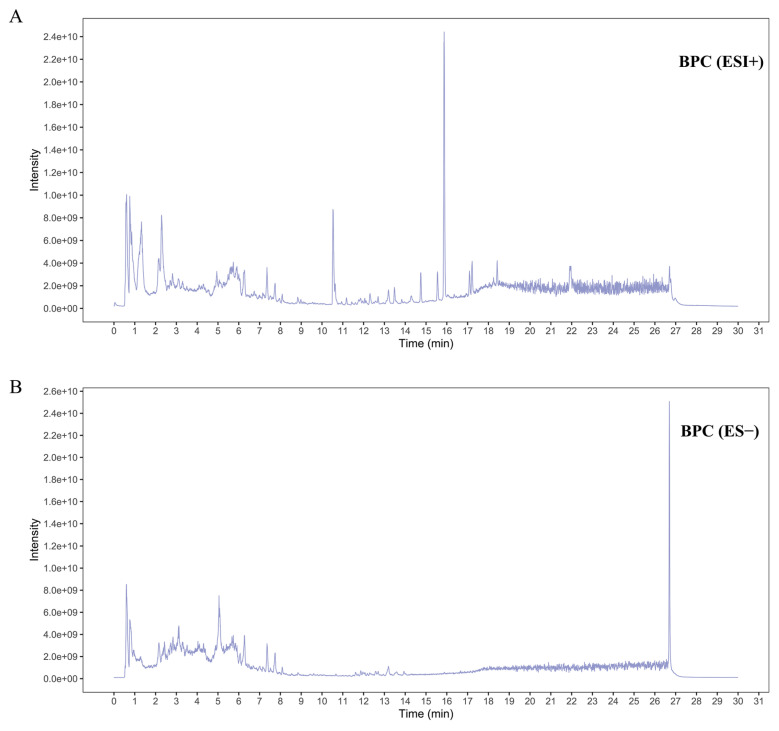 Figure 1
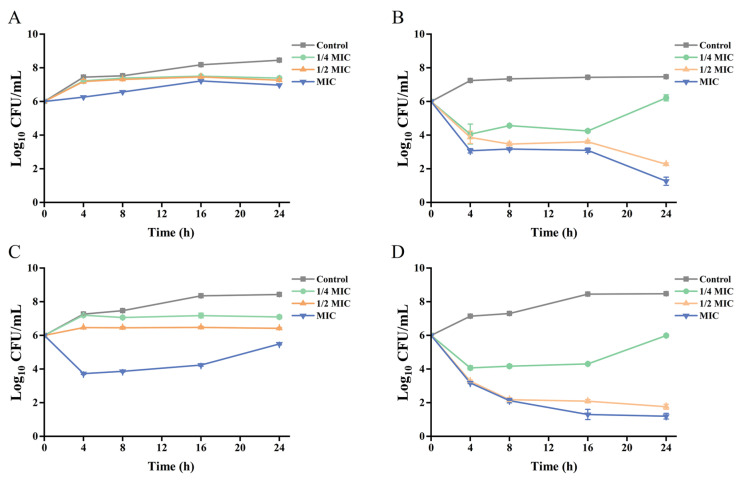 Figure 2
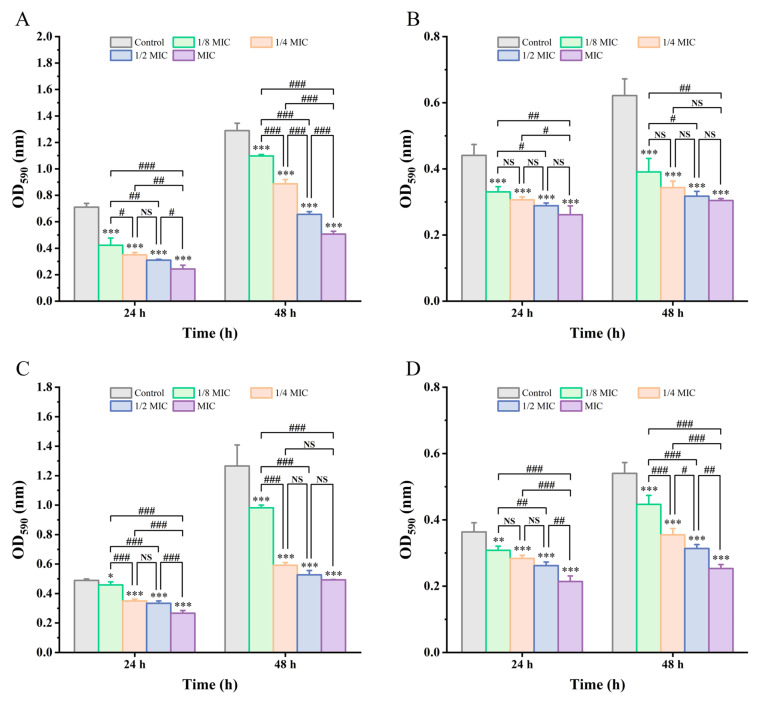 Figure 3
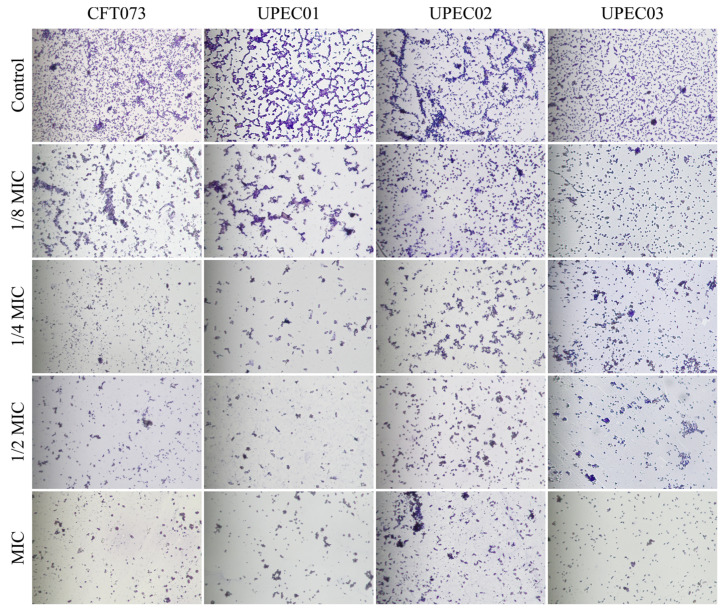 Figure 4
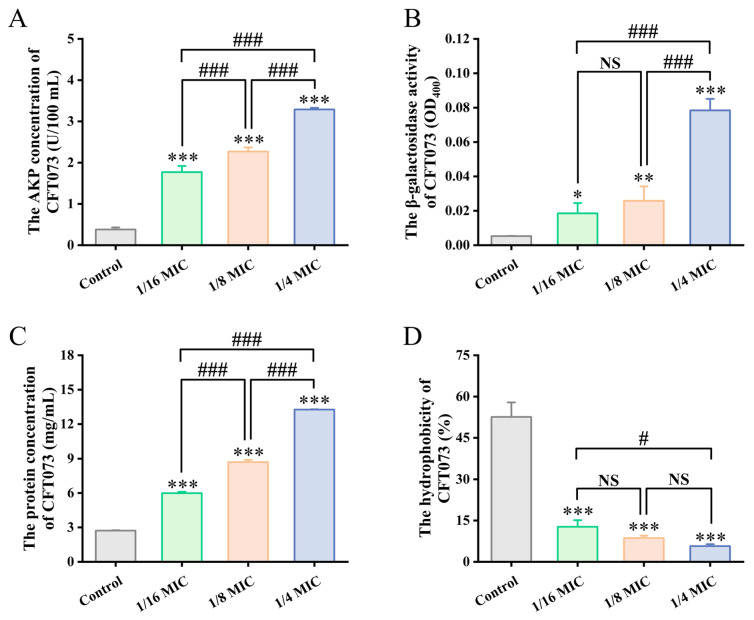 Figure 5
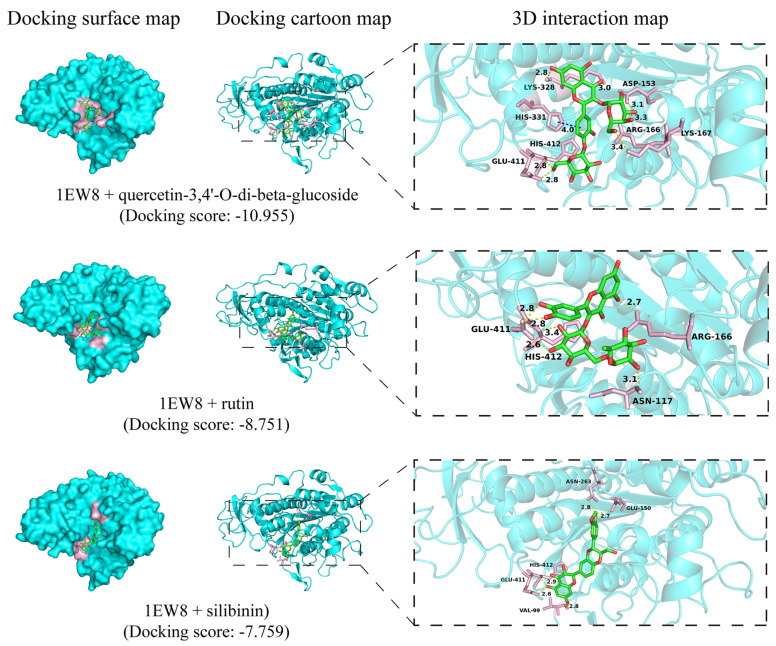 Figure 6
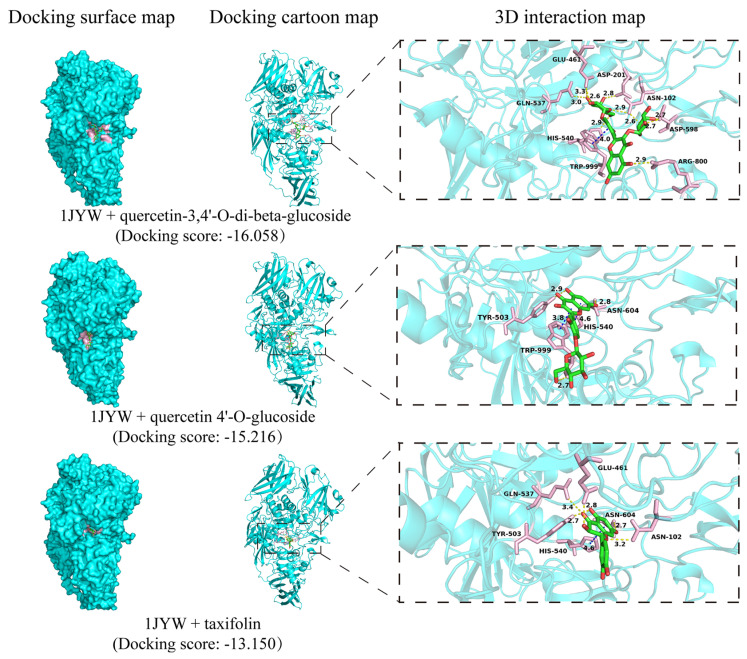 Figure 7
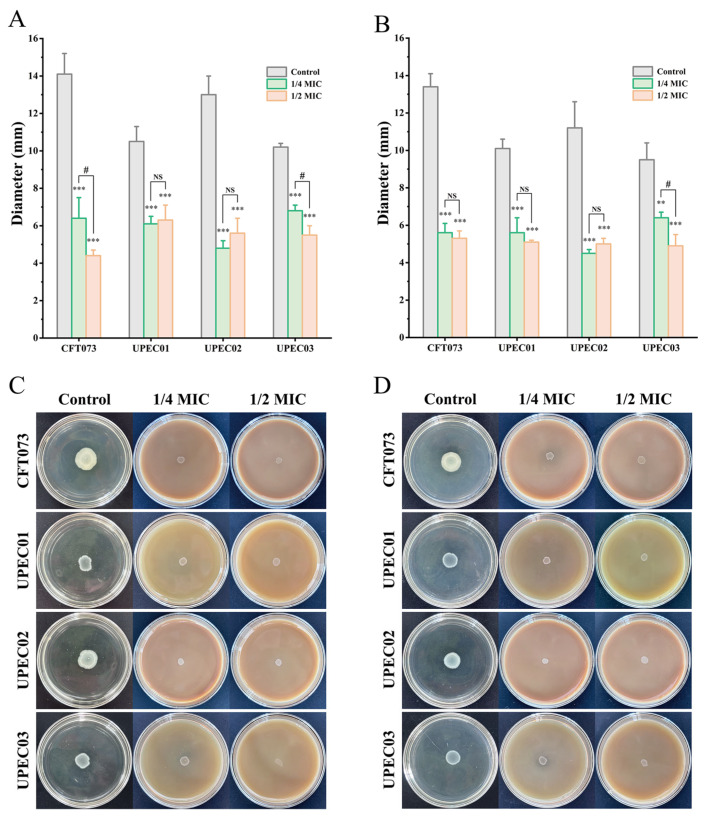 Figure 8
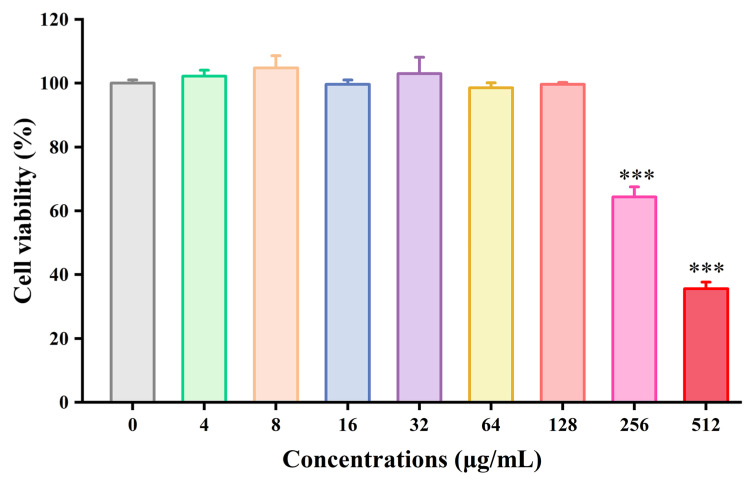 Figure 9
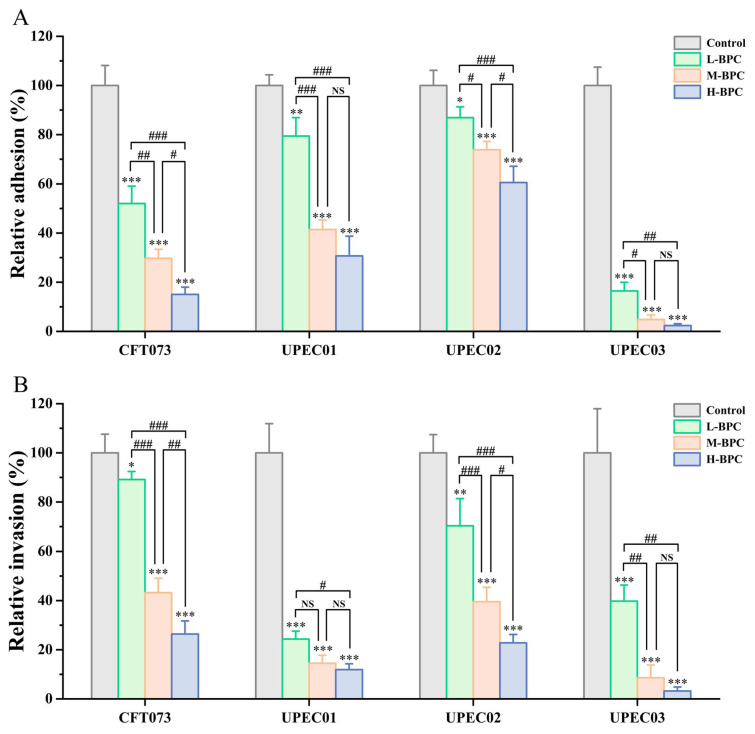 Figure 10
Peer Reviews
No public reviews on file for this paper yet. If you reviewed it on a platform where reviews are public (OpenReview, ICLR, NeurIPS, ICML), you can paste yours below so the community can read it here.
Videos
No videos yet. Explain this paper in a talk, walkthrough, or lecture? Add one.
Taxonomy
TopicsPhytochemistry and biological activity of medicinal plants · Urinary Tract Infections Management · Antimicrobial agents and applications