CCND3 Suppression Ameliorates β-Thalassaemia in a Murine Disease Model: A Potential Therapeutic Strategy
Cristian Antonio Caria, Maria Franca Marongiu, Susanna Porcu, Daniela Poddie, Simona Vaccargiu, Jim Vadolas, Alessandra Meloni, Lucia Perseu, Alessandra Olianas, Maria Serafina Ristaldi

TL;DR
This study shows that suppressing the CCND3 gene in a mouse model of β-thalassaemia improves symptoms by increasing hemoglobin levels and reducing complications.
Contribution
The study identifies CCND3 as a novel druggable target for treating β-thalassaemia through its effect on hemoglobin levels.
Findings
CCND3 suppression increases γ- and δ-globin levels, partially restoring the α/β globin balance.
Mice lacking CCND3 show improved hemoglobin levels, reduced iron overload, and smaller spleens.
Erythropoiesis is enhanced in the absence of CCND3, suggesting a therapeutic benefit for β-thalassaemia.
Abstract
β-thalassaemia (β-thal) is part of a group of diseases, the β-hemoglobinopathies, affecting the levels or functionality of the β-globin subunit of hemoglobin, which are the most widespread monogenic diseases throughout the world. The severity of β-thal is determined by different genetic factors, but in the gravest form, affected patients are constrained to a program of blood transfusion and iron chelation regimens for their entire life. Although definitive cures, such as bone marrow transplantation or gene therapy, are now available, they are still far from being applied worldwide. Therefore, there is growing attention towards the use of drugs to cure or ameliorate β-thal disorder. Among all the strategies, pharmacological increase of fetal HbF and/or adult HbA2 can represent an advantageous approach as high levels of both hemoglobins are effective against β-thal. Therefore, the…
Genes, proteins, chemicals, diseases, species, mutations and cell lines named across the full text — each resolved to its canonical identifier and authoritative record.
Click any figure to enlarge with its caption.
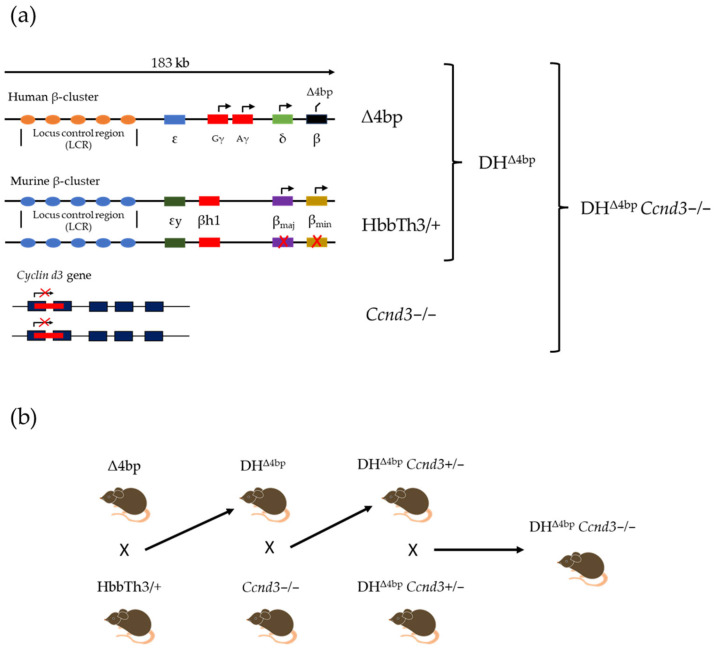 Figure 1
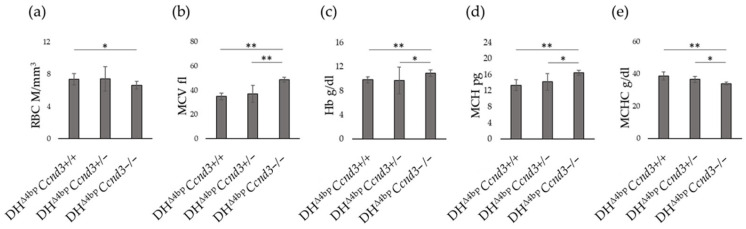 Figure 2
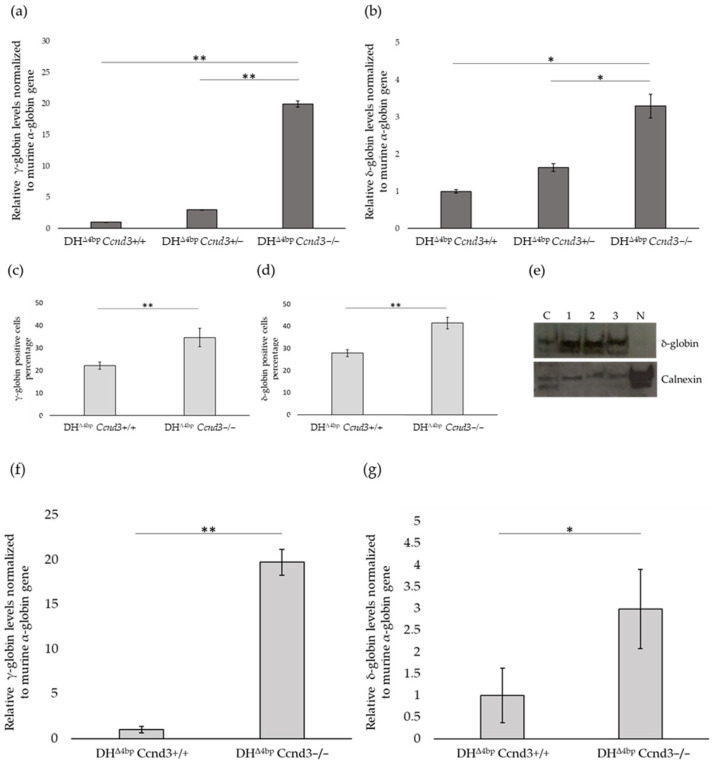 Figure 3
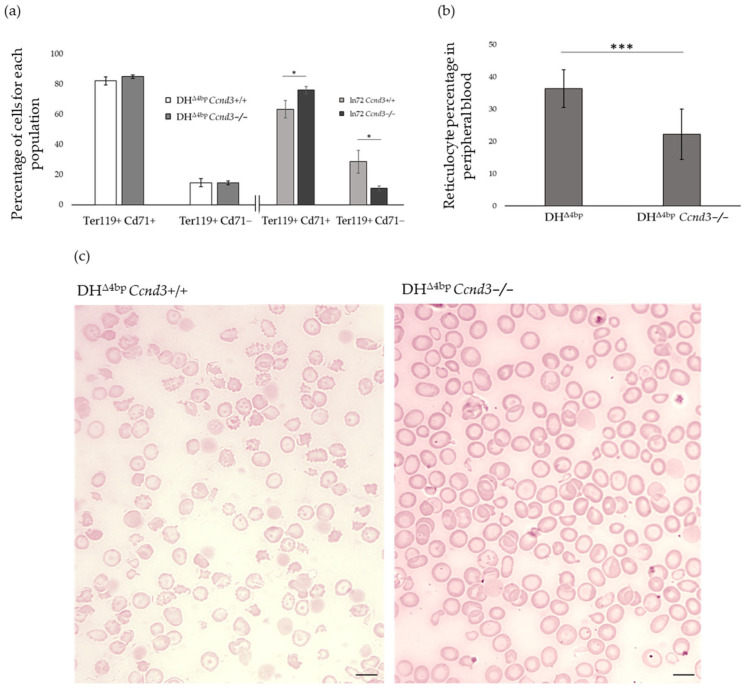 Figure 4
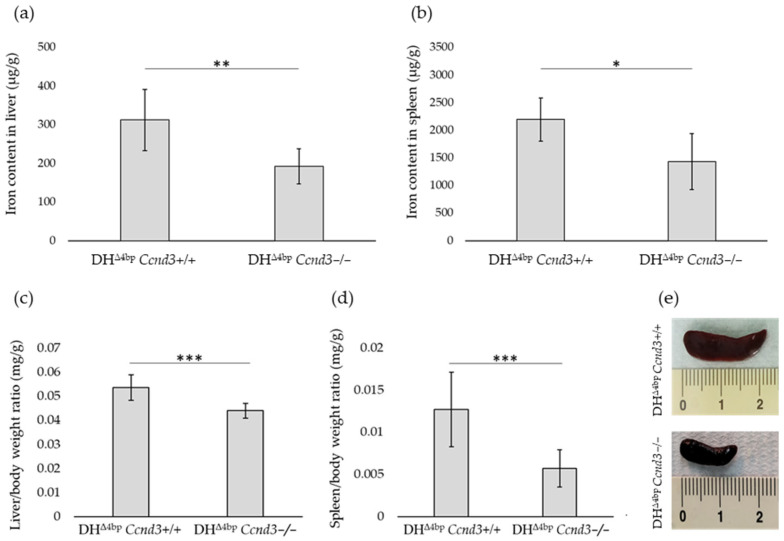 Figure 5
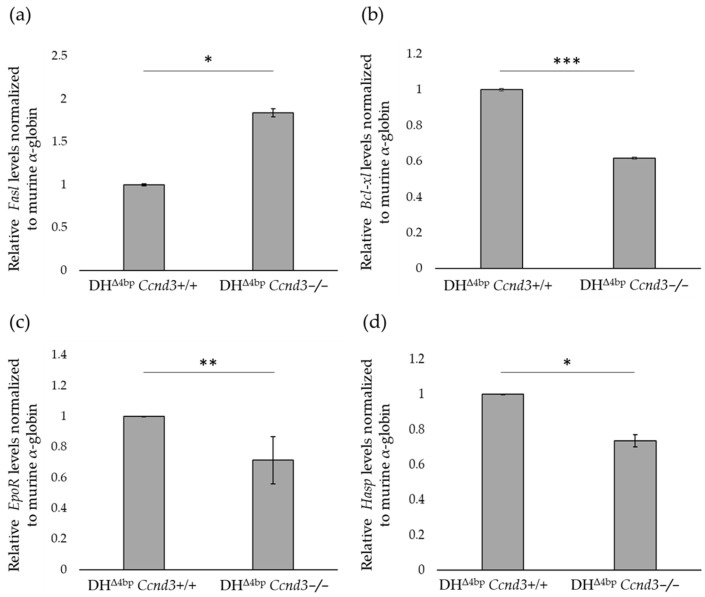 Figure 6
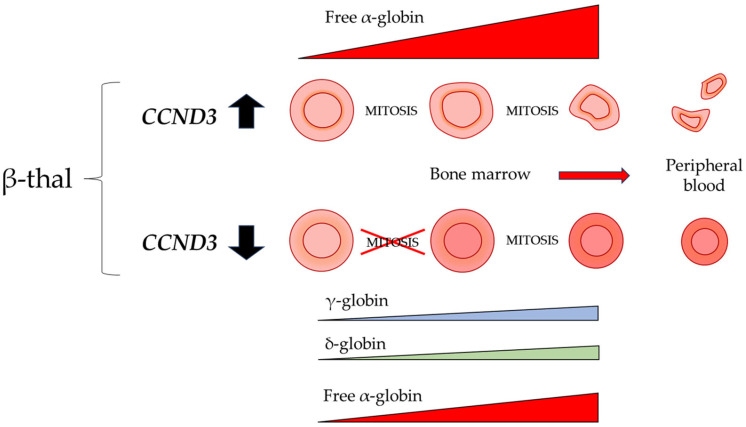 Figure 7
Peer Reviews
No public reviews on file for this paper yet. If you reviewed it on a platform where reviews are public (OpenReview, ICLR, NeurIPS, ICML), you can paste yours below so the community can read it here.
Videos
No videos yet. Explain this paper in a talk, walkthrough, or lecture? Add one.
Taxonomy
TopicsHemoglobinopathies and Related Disorders · Blood groups and transfusion · Iron Metabolism and Disorders