Enrichment of Alkaloids from Cinnamomum camphora Seed Kernels Using Macroporous Resin: Adsorption/Desorption Behavior, Process Optimization and Scale-Up Study
Rongping Fu, Xianghui Yan, Zheling Zeng, Yujing Yang, Pinpin Zhang, Yuling Lin, Deming Gong, Ping Yu

TL;DR
This study develops an efficient method to enrich alkaloids from Cinnamomum camphora seed kernels using macroporous resin, achieving high recovery and scalability.
Contribution
The study introduces an optimized and scalable macroporous resin-based process for recovering bioactive alkaloids from Cinnamomum camphora seed kernels.
Findings
XR918C resin was identified as the optimal adsorbent for CCSK alkaloids with high adsorption/desorption capacity.
The enrichment process achieved a 4.41-fold increase in alkaloid content with 89.19% recovery after scale-up.
CCSK alkaloids showed strong in vitro antioxidant activity.
Abstract
The Cinnamomum camphora seed kernel (CCSK) shows great promise as a natural source of bioactive alkaloids. However, there is little data about recovering alkaloids from CCSK by-products after oil extraction using an aqueous method. This study aimed to establish an efficient technology for enriching CCSK alkaloids (including magnoflorine, lindoldhamine and N,N-methyldomesticinium) using macroporous resin technology. The results showed that XR918C resin was the most suitable adsorbent due to its high adsorption/desorption capacity for CCSK alkaloids. The adsorption process was best described by Langmuir isotherm models and pseudo-second-order kinetics; it was spontaneous and physical in nature. The optimum procedure for CCSK alkaloids enrichment using XR918C resin was as follows: for adsorption, the injection flow rate and sample volume were 2.0 BV/h and 7.0 BV, respectively; for…
Genes, proteins, chemicals, diseases, species, mutations and cell lines named across the full text — each resolved to its canonical identifier and authoritative record.
Click any figure to enlarge with its caption.
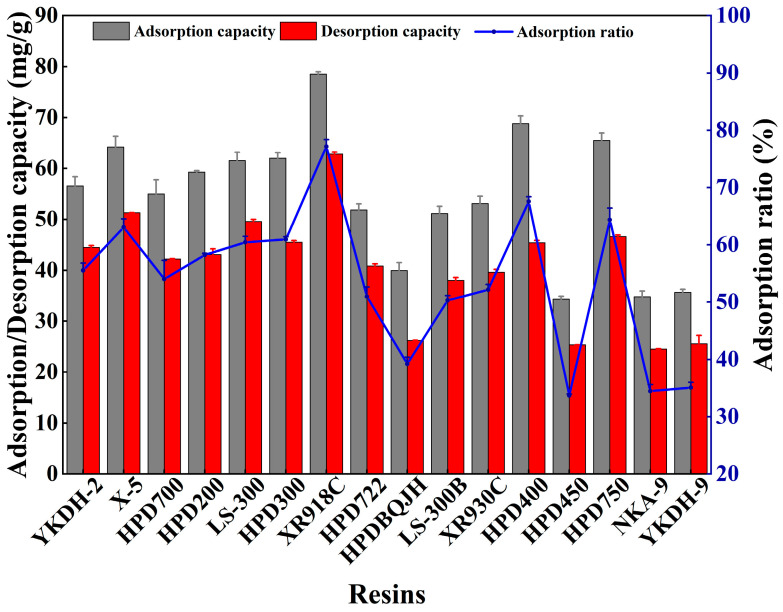 Figure 1
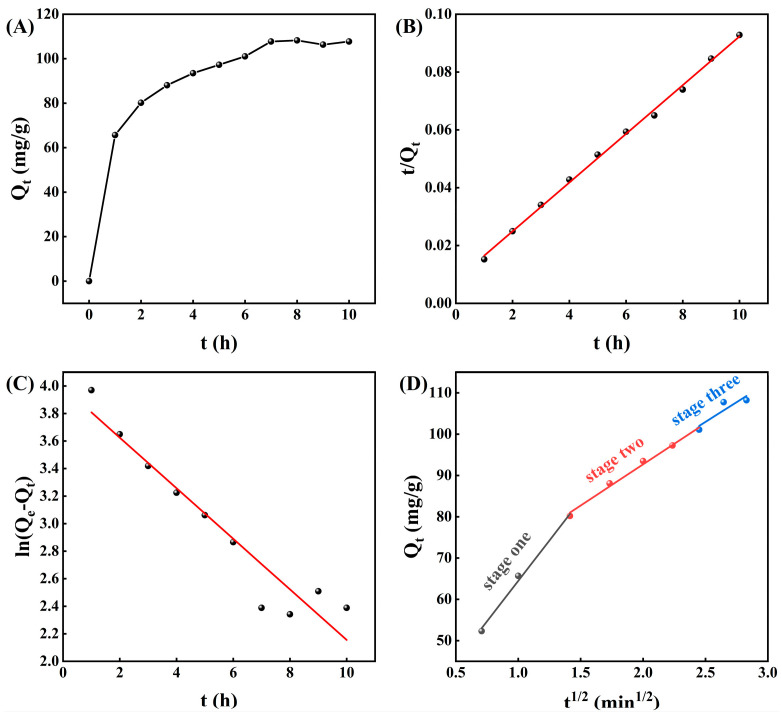 Figure 2
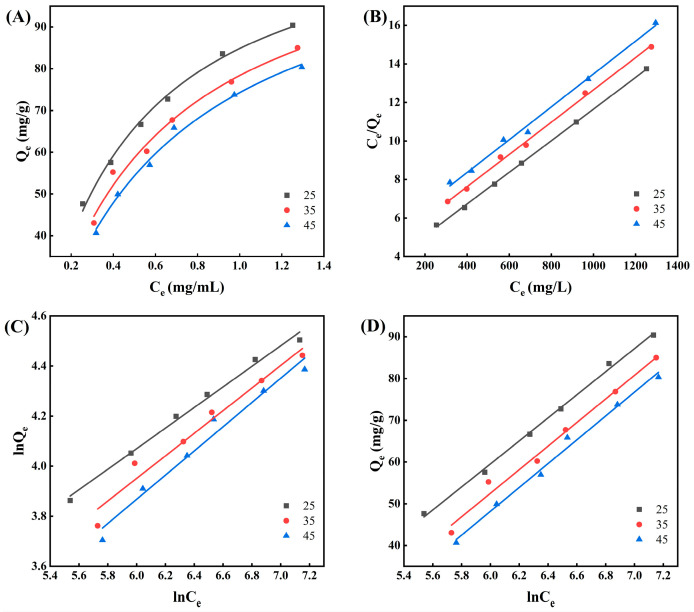 Figure 3
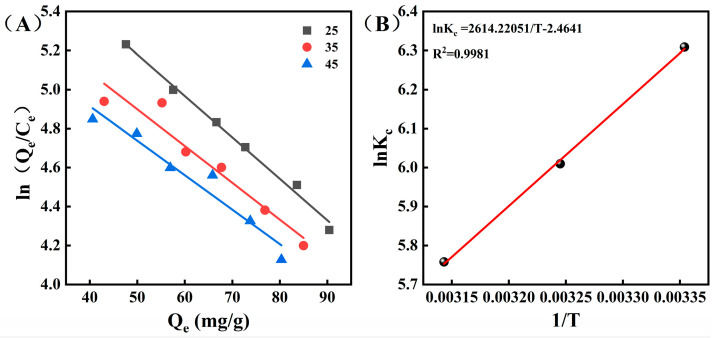 Figure 4
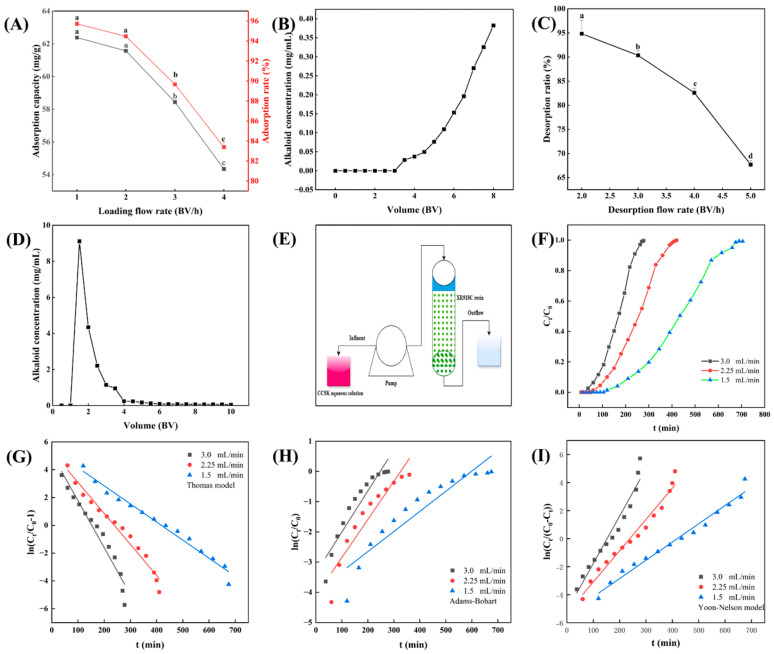 Figure 5
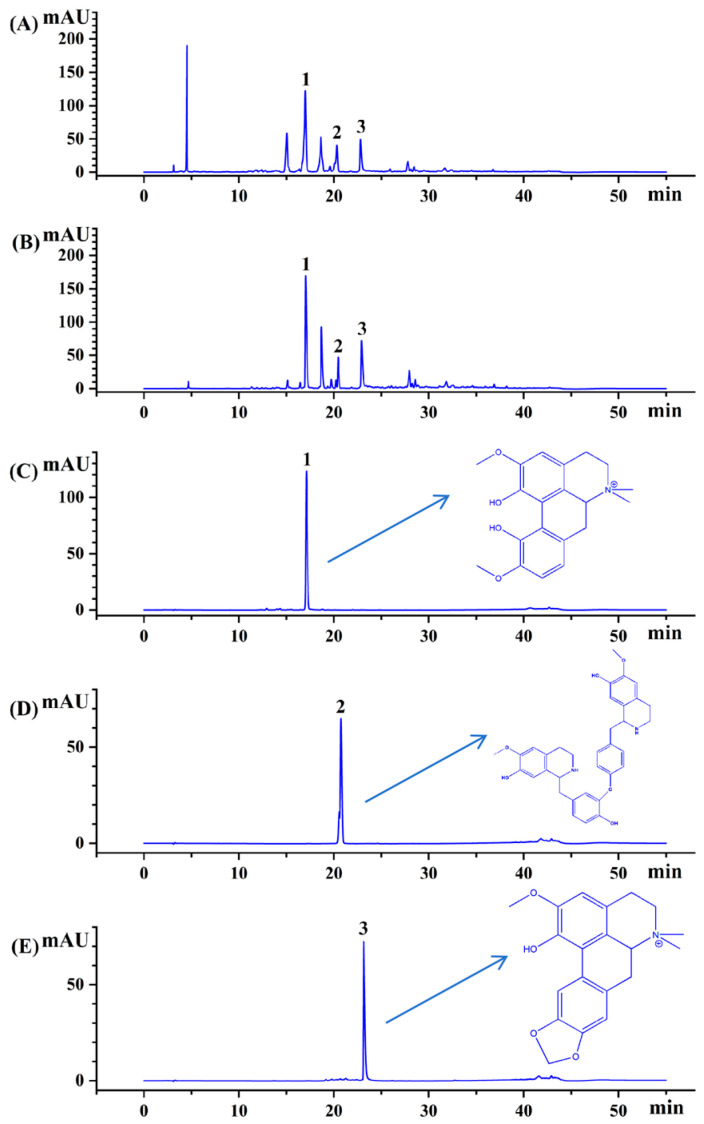 Figure 6
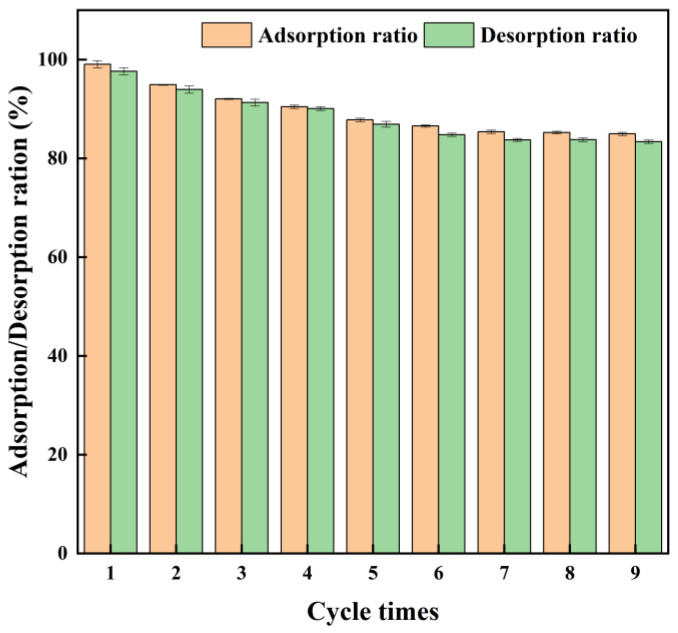 Figure 7
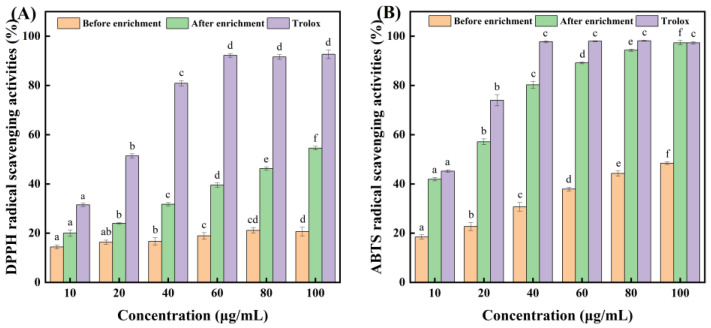 Figure 8
Peer Reviews
No public reviews on file for this paper yet. If you reviewed it on a platform where reviews are public (OpenReview, ICLR, NeurIPS, ICML), you can paste yours below so the community can read it here.
Videos
No videos yet. Explain this paper in a talk, walkthrough, or lecture? Add one.
Taxonomy
TopicsChromatography in Natural Products · Berberine and alkaloids research · Phytochemicals and Antioxidant Activities