Distribution of Sequencing Coverage Gaps in Exomes and Genomes: Potential Implications for Diagnostic Accuracy in Neurodevelopmental Disorder Genes
Emanuela Iovino, Claudia De Masi, Anna Ballestrazzi, Alessandro Mattiaccio, Federica Isidori, Marco Seri, Tommaso Pippucci

TL;DR
This study examines how sequencing coverage gaps affect diagnostic accuracy in neurodevelopmental disorders, finding that coverage gaps vary significantly between sequencing batches and may impact clinically relevant genes.
Contribution
The study reveals that sequencing coverage gaps are batch-specific and can affect diagnostic sensitivity in neurodevelopmental disorder genes.
Findings
LCRs showed high intra-batch consistency but extreme variability between batches.
LCRs in exome and genome sequencing impacted different genes and were not associated with GC content or genomic location.
LCRs occasionally overlapped ClinVar pathogenic variants, suggesting potential diagnostic implications.
Abstract
Background: Exome (ES) and genome sequencing (GS) are powerful tools for diagnosing neurodevelopmental disorders (NDDs), yet sequencing coverage failures can leave clinically relevant variants undetected. Analyzing the distribution of coverage gaps across sequencing approaches and batches is therefore informative for diagnostic accuracy. Methods: We analyzed sequencing data from 43 NDD patients across four ES runs, including 14 individuals sequenced by both ES (Twist Human-Core-Exome-v1.3) and GS. Low-coverage regions (LCRs) were defined as target intervals with mean depth <20 x, and z-scores < −1.96 were used to identify batch-specific systematic LCRs. LCRs were clinically annotated using OMIM and SysNDD databases. Results: LCR patterns were highly consistent within each ES batch but were characterized by extreme variability between batches. Higher global mean coverage increased…
Genes, proteins, chemicals, diseases, species, mutations and cell lines named across the full text — each resolved to its canonical identifier and authoritative record.
Click any figure to enlarge with its caption.
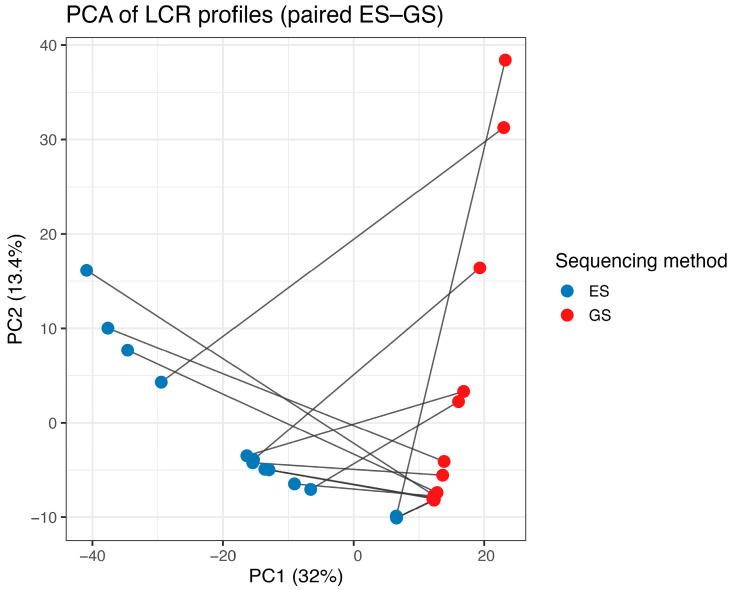 Figure 1
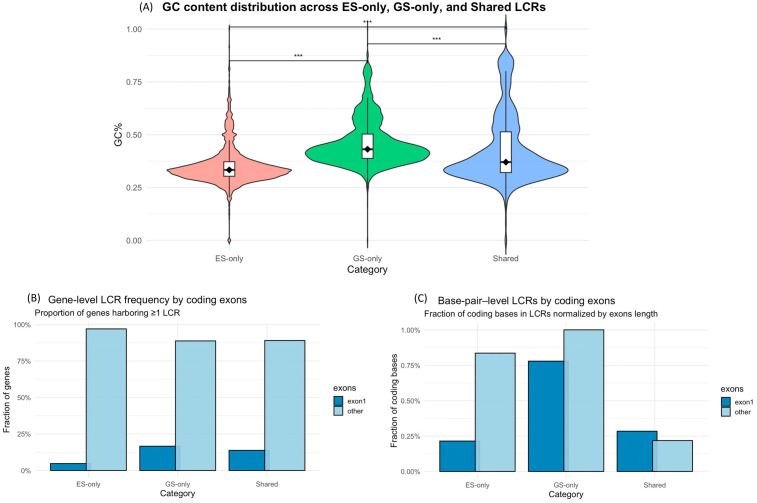 Figure 2
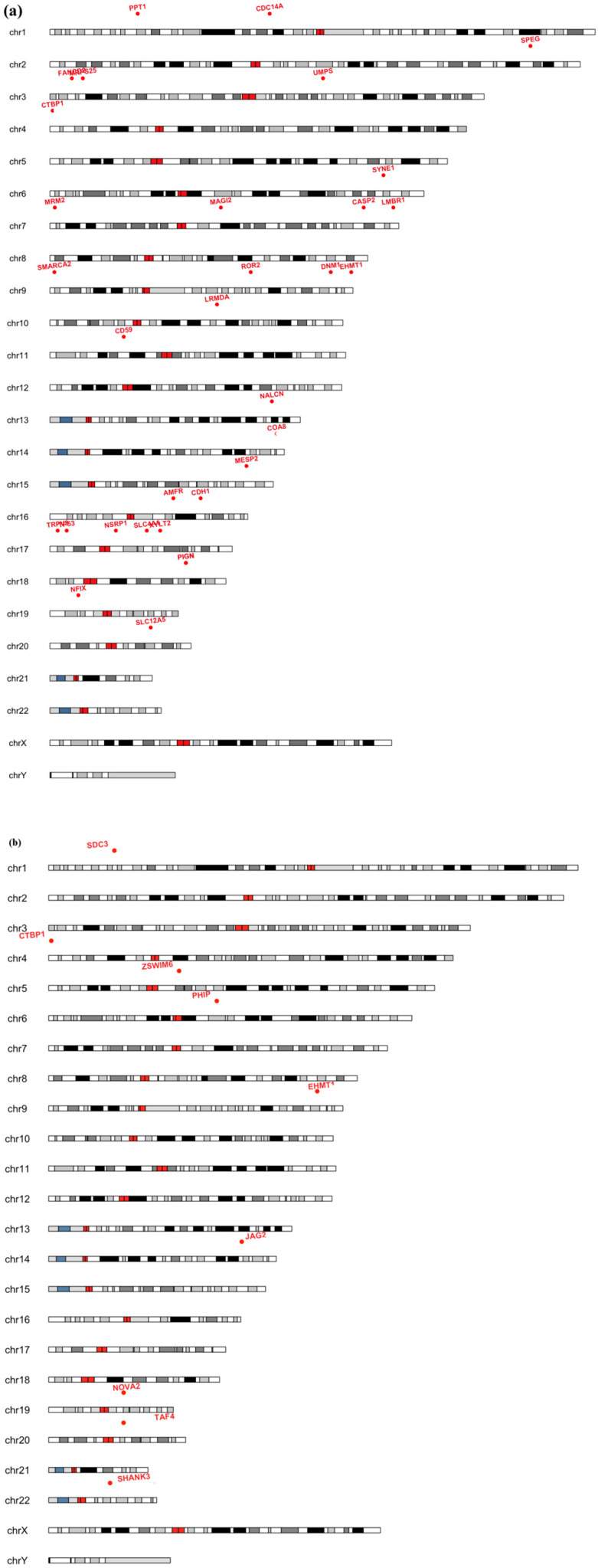 Figure 3
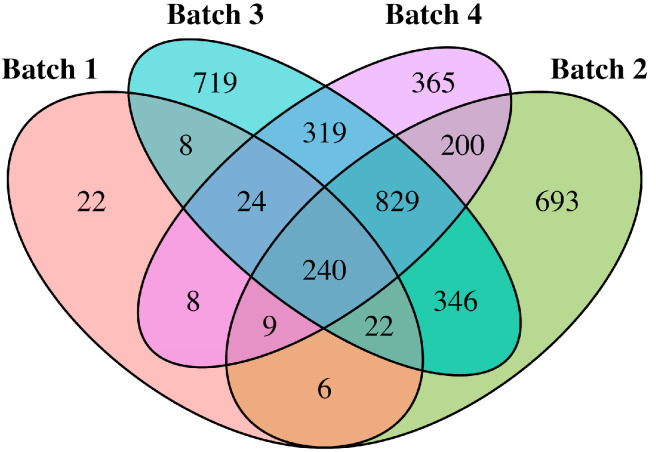 Figure 4
Peer Reviews
No public reviews on file for this paper yet. If you reviewed it on a platform where reviews are public (OpenReview, ICLR, NeurIPS, ICML), you can paste yours below so the community can read it here.
Videos
No videos yet. Explain this paper in a talk, walkthrough, or lecture? Add one.
Taxonomy
TopicsGenomics and Rare Diseases · Genomic variations and chromosomal abnormalities · Neurogenetic and Muscular Disorders Research