Radiation-Induced Malignancies of the Head and Neck: A Single-Center Population Study and Survival Outcomes
Francesca Fraccaroli, Lorenzo Giannini, Valentina Cristofaro, Andrea Alliata, Stefano Cavalieri, Alberto Deganello

TL;DR
This study examines rare but aggressive cancers that develop in the head and neck region years after radiation therapy, finding that surgery offers the best survival outcomes.
Contribution
The study provides new insights into the clinicopathological features and treatment outcomes of radiation-induced malignancies in the head and neck region.
Findings
Surgery was associated with significantly better survival in patients with radiation-induced head and neck cancers.
The oral cavity was the most common site for secondary tumors, with squamous cell carcinoma being the predominant histology.
The median latency between primary cancer and secondary tumor development was 20.8 years.
Abstract
Radiation therapy has significantly improved survival in patients with head and neck cancer. However, owing to the increased overall survival achieved with current treatments, a subset of patients may develop a new tumor within the previously irradiated area. These radiation-induced cancers are uncommon but very aggressive. They are more difficult to diagnose early because radiation causes tissue changes such as scarring and swelling that can hide the new cancer on imaging and physical examination. Treatment is also challenging, as tissues previously exposed to radiation are more fragile, and surgery may be harder to perform. In this study, we analyzed patients treated at a major cancer institute in Milan who developed a secondary cancer many years after radiotherapy. We examined tumor characteristics, treatments, and outcomes. Our findings show that surgery remains the most effective…
Genes, proteins, chemicals, diseases, species, mutations and cell lines named across the full text — each resolved to its canonical identifier and authoritative record.
Click any figure to enlarge with its caption.
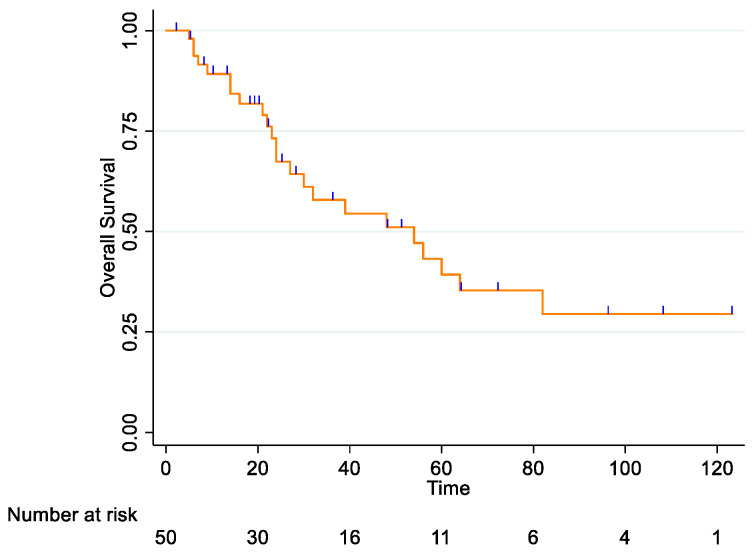 Figure 1
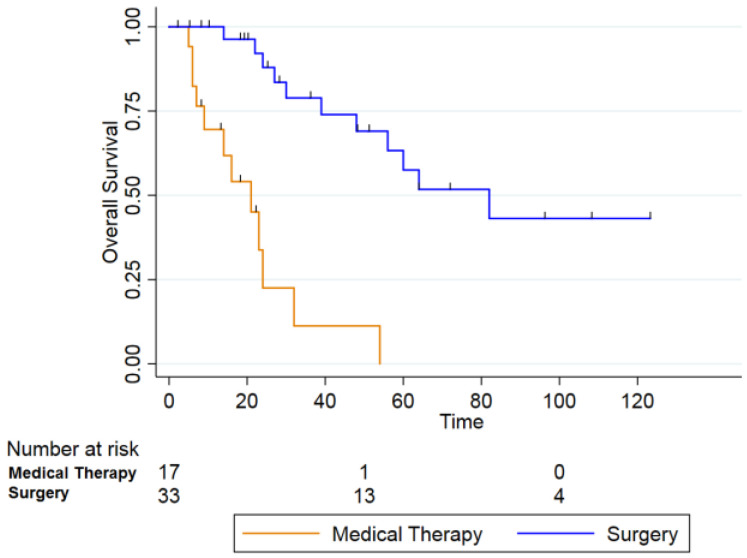 Figure 2
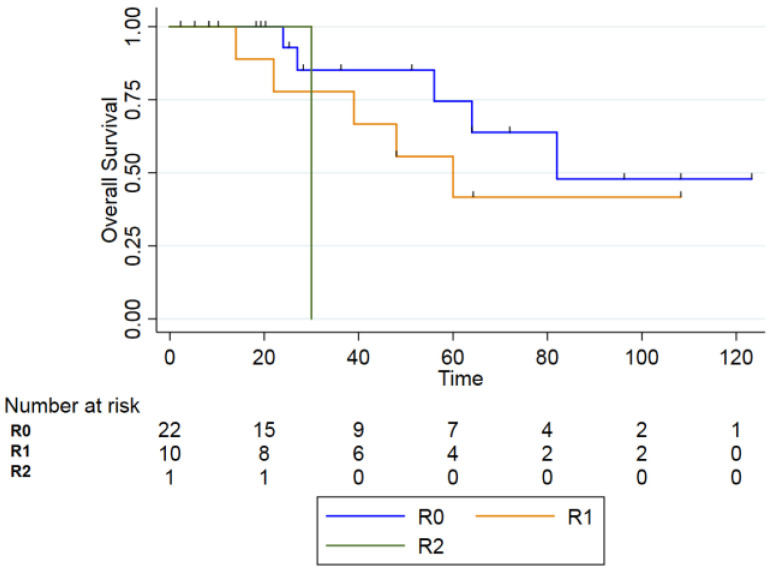 Figure 3
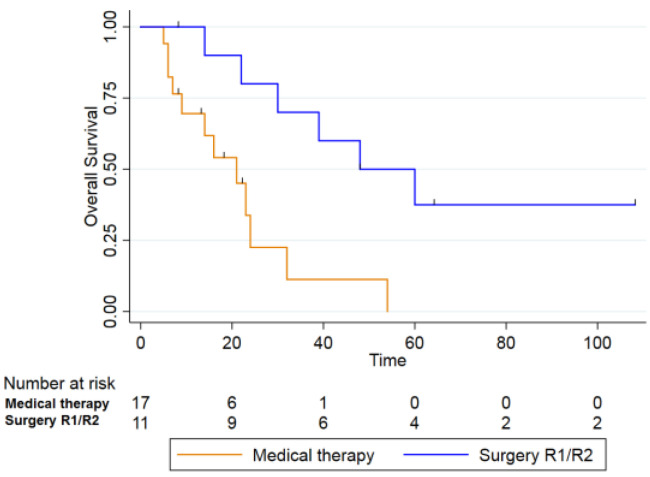 Figure 4
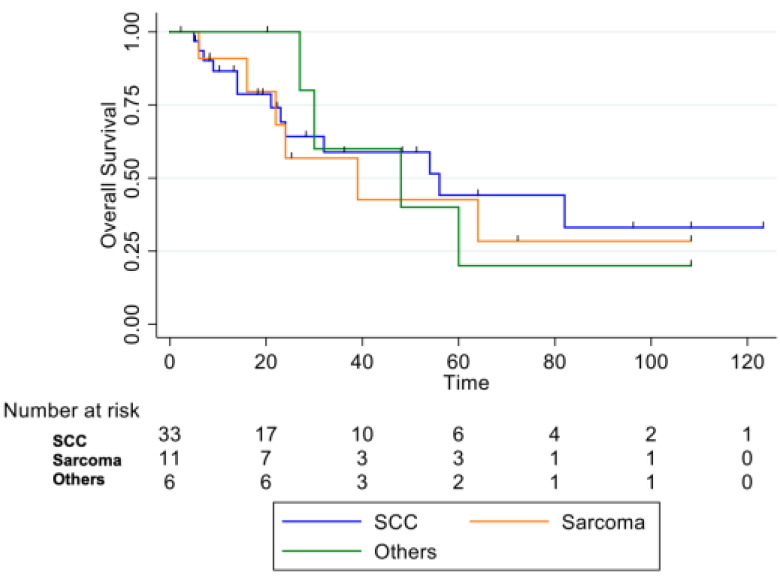 Figure 5
 Figure 6
 Figure 7
Peer Reviews
No public reviews on file for this paper yet. If you reviewed it on a platform where reviews are public (OpenReview, ICLR, NeurIPS, ICML), you can paste yours below so the community can read it here.
Videos
No videos yet. Explain this paper in a talk, walkthrough, or lecture? Add one.
Taxonomy
TopicsHead and Neck Cancer Studies · Oral health in cancer treatment · Oral Health Pathology and Treatment