Behavioral and Event-Related Potential Study of Emotion Concept Activation in Young Adults with High Versus Low Alexithymia Traits
Jiafeng Jia, Minggang Zhang, Xiaoying He, Zeming Chen, Xiaochun Wang

TL;DR
This study shows that people with high alexithymia struggle to use emotion concepts when identifying facial expressions, as seen in brain activity patterns.
Contribution
The study provides direct electrophysiological evidence linking alexithymia to impaired top-down emotion concept activation.
Findings
Clear emotion concepts improved facial expression identification accuracy in both high- and low-alexithymia groups.
High-alexithymia individuals showed reduced N400 amplitudes during top-down processing, suggesting impaired deliberate activation of emotion concepts.
Abstract
What are the main findings? Clear emotion concepts improved facial expression identification accuracy in both high- and low-alexithymia groups.The high-alexithymia group showed reduced N400 amplitudes under top-down processing conditions, indicating impaired deliberate activation of emotion concepts. Clear emotion concepts improved facial expression identification accuracy in both high- and low-alexithymia groups. The high-alexithymia group showed reduced N400 amplitudes under top-down processing conditions, indicating impaired deliberate activation of emotion concepts. What are the implications of the main findings? This study provides direct electrophysiological evidence linking alexithymia to a deficit in the top-down conceptual processing of emotions.The findings suggest that therapeutic interventions targeting emotion concept activation could be beneficial for individuals with…
Genes, proteins, chemicals, diseases, species, mutations and cell lines named across the full text — each resolved to its canonical identifier and authoritative record.
Click any figure to enlarge with its caption.
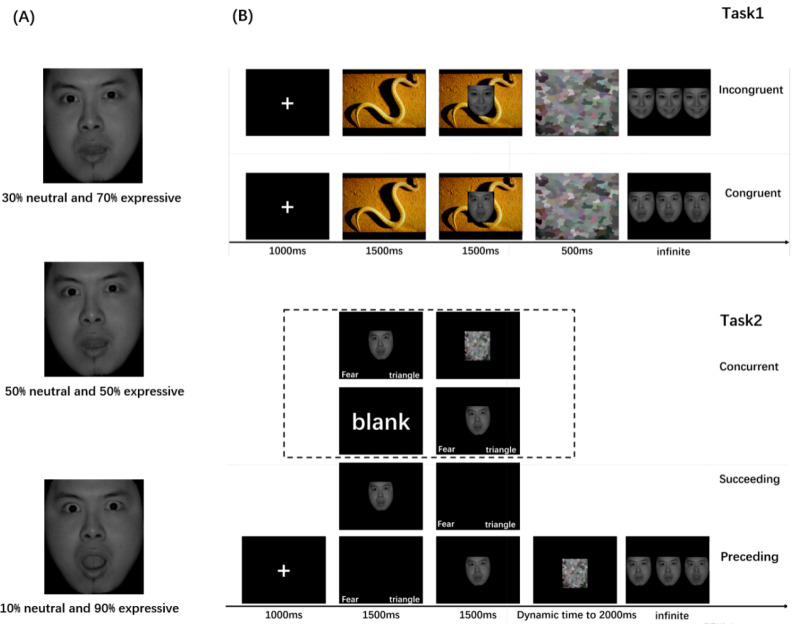 Figure 1
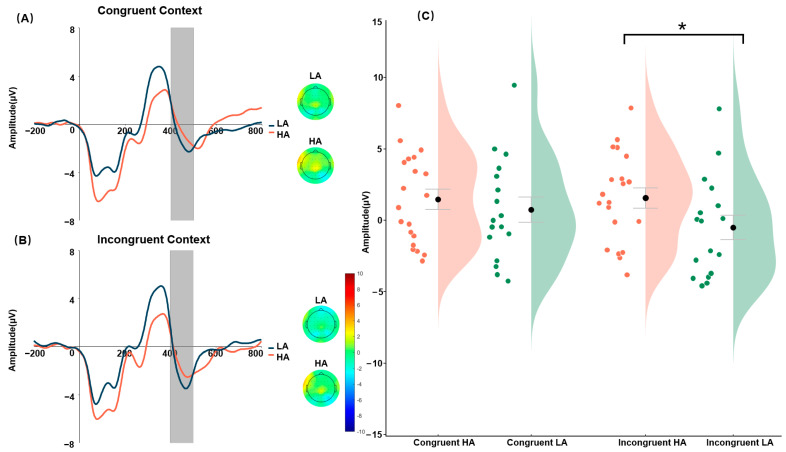 Figure 2
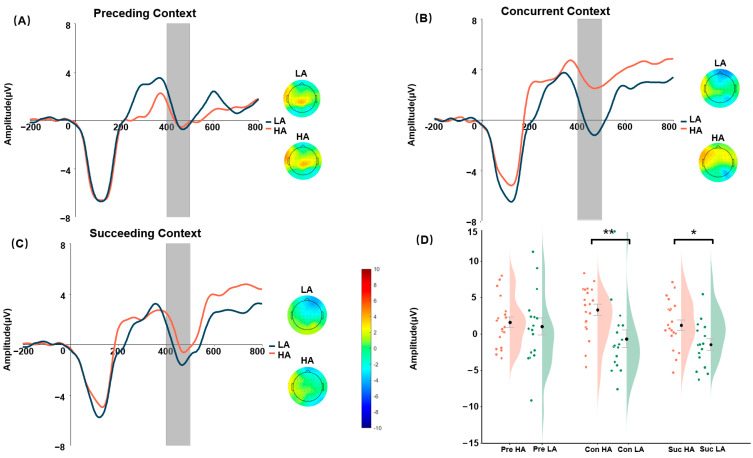 Figure 3
Peer Reviews
No public reviews on file for this paper yet. If you reviewed it on a platform where reviews are public (OpenReview, ICLR, NeurIPS, ICML), you can paste yours below so the community can read it here.
Videos
No videos yet. Explain this paper in a talk, walkthrough, or lecture? Add one.
Taxonomy
TopicsPsychosomatic Disorders and Their Treatments · Attention Deficit Hyperactivity Disorder · Face Recognition and Perception