Nutritional Status as a Risk Factor for Appendiceal Perforation in Pediatric Acute Appendicitis: Systematic Review
Ciprian-Ioan Borca, Cristiana-Smaranda Ivan, Corneluta Fira-Mladinescu, Roxana Margan, Madalin-Marius Margan, Alexandru Cristian Cindrea, Claudia-Raluca Balasa-Virzob, Brigitha Vlaicu, Vlad-Laurentiu David

TL;DR
The paper finds that underweight status and certain biochemical markers, not BMI, are better predictors of severe appendicitis in children.
Contribution
It identifies biochemical nutrition-inflammation indices as more reliable predictors of appendiceal perforation than BMI in pediatric appendicitis.
Findings
Underweight status correlates with prolonged hospitalization and increased postoperative morbidity in pediatric appendicitis.
Biochemical markers like CRP/albumin ratio and NPAR show stronger associations with perforated appendicitis than BMI.
Standardized care pathways can mitigate disparities linked to reduced physiological reserve in underweight children.
Abstract
What are the main findings? Body Mass Index (BMI) percentiles do not appear to serve as consistent independent predictors of appendiceal perforation or complicated appendicitis in pediatric populations. While obesity is frequently associated with increased operative complexity and healthcare utilization, adjusted analyses have not consistently demonstrated it as an independent predictor of transmural necrosis or perforation. In contrast, underweight status emerges as a more consistent marker of clinical vulnerability, correlating with prolonged hospitalization and increased postoperative morbidity.More consistent associations were observed with biochemical nutrition–inflammation indices, such as the CRP/albumin ratio and the neutrophil percentage-to-albumin ratio (NPAR). These markers offer improved discriminatory capacity, as they reflect dynamic physiological processes including…
Genes, proteins, chemicals, diseases, species, mutations and cell lines named across the full text — each resolved to its canonical identifier and authoritative record.
Click any figure to enlarge with its caption.
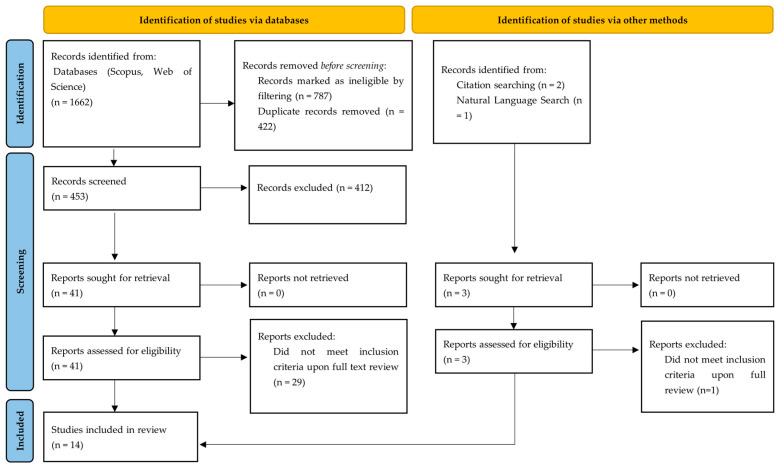 Figure 1
Peer Reviews
No public reviews on file for this paper yet. If you reviewed it on a platform where reviews are public (OpenReview, ICLR, NeurIPS, ICML), you can paste yours below so the community can read it here.
Videos
No videos yet. Explain this paper in a talk, walkthrough, or lecture? Add one.
Taxonomy
TopicsAppendicitis Diagnosis and Management · Pancreatitis Pathology and Treatment · Intraperitoneal and Appendiceal Malignancies