A Non-Stationary Model for Analysis of Impedance Spectra of Biological Samples
Gabriela Janik, Urszula Kamińska, Marta Kasprzyk, Leszek Niedzicki, Teodor Buchner

TL;DR
This paper introduces a non-stationary model to analyze how changes in the structure of biological samples affect their electric impedance spectra.
Contribution
A novel non-stationary model is proposed for analyzing EIS in biological samples, moving beyond equivalent circuit elements.
Findings
Thermal treatment of a cucumber causes structural changes detectable in EIS without altering chemical composition.
The model shows qualitative agreement with experimental results and can assess ionic strength and diffusion constants.
Temperature variations in beta dispersion reflect changes in mesoscopic structure depending on the experimental protocol.
Abstract
Electric impedance spectrum (EIS) is attracting attention in many areas of science, ranging from electrochemistry and material science to medical diagnosis. Interestingly, theoretical description often stops at material constants and specific physical mechanisms are represented by equivalent circuit elements, which is also motivated by the common use of various bridge methods. This specifically applies to biological samples, which exhibit a rich variety of responses to the electric field. Here, we present a step further from the description that utilizes equivalent circuit elements. We demonstrate how alteration of the mesoscopic structure affects the EIS in a biological sample: a cucumber under thermal treatment that comprises a cooling and warming phase. As the freezing temperature of water is exceeded during the cycle, the cucumber becomes frosted, which leads to unrecoverable…
Genes, proteins, chemicals, diseases, species, mutations and cell lines named across the full text — each resolved to its canonical identifier and authoritative record.
Click any figure to enlarge with its caption.
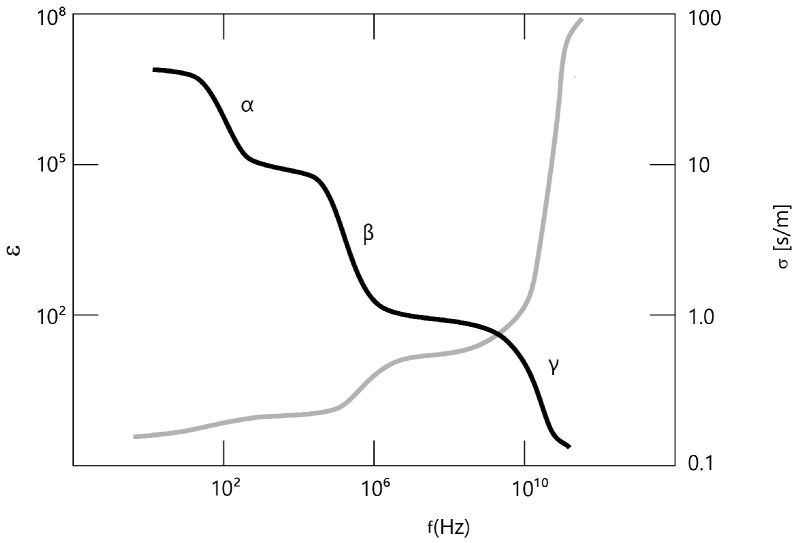 Figure 1
 Figure 2
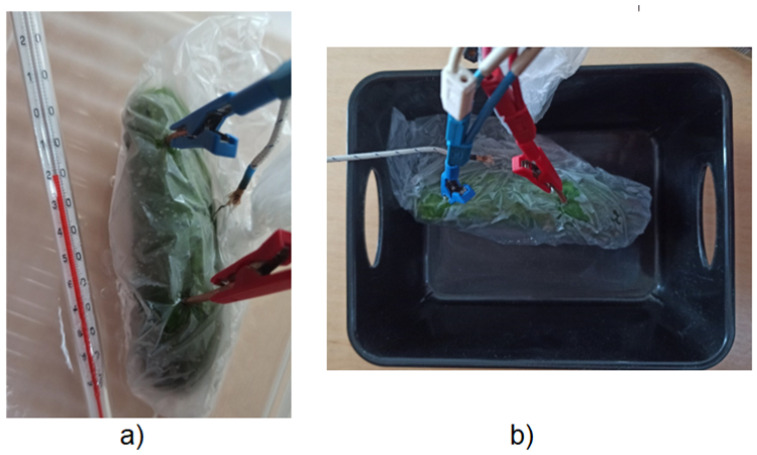 Figure 3
 Figure 4
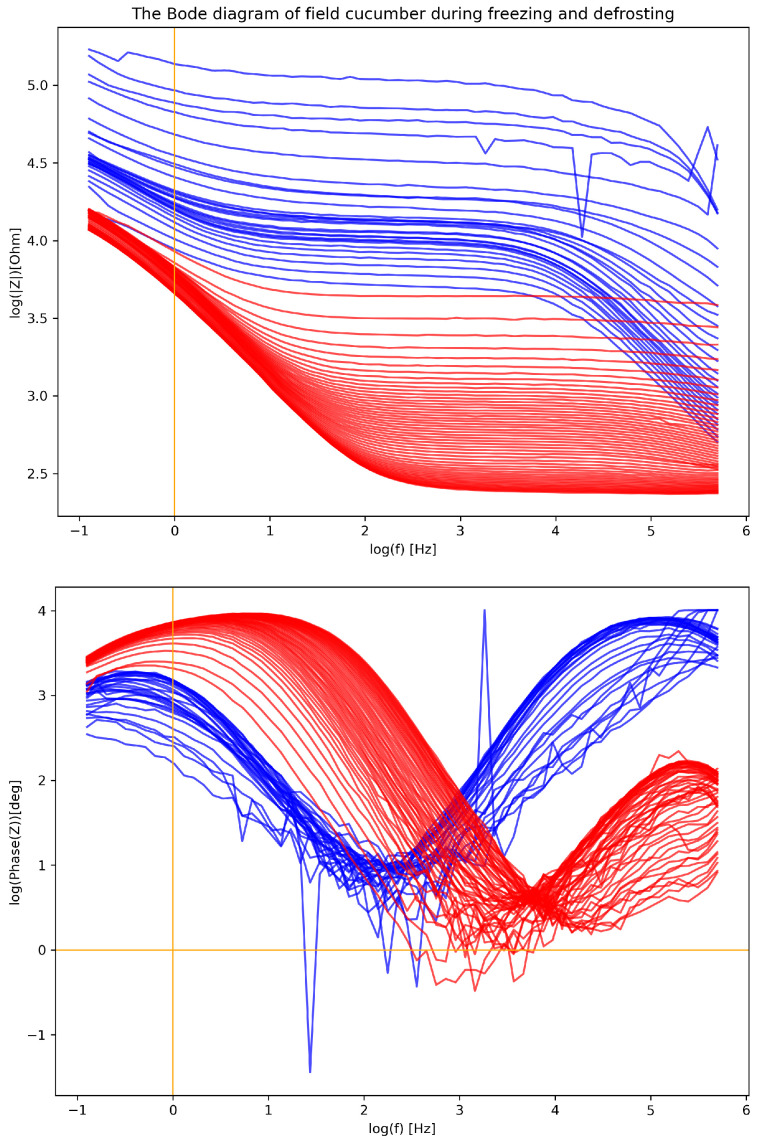 Figure 5
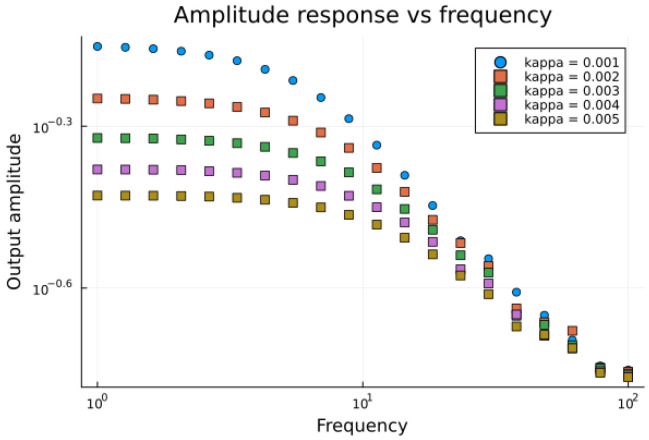 Figure 6
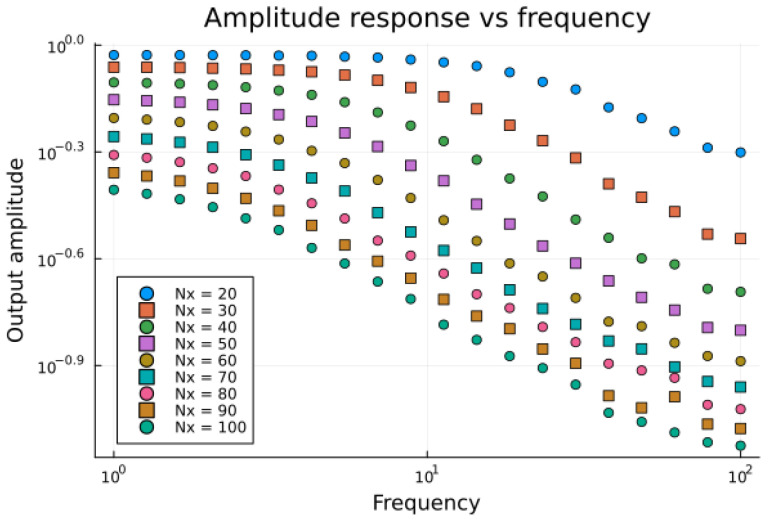 Figure 7
Peer Reviews
No public reviews on file for this paper yet. If you reviewed it on a platform where reviews are public (OpenReview, ICLR, NeurIPS, ICML), you can paste yours below so the community can read it here.
Videos
No videos yet. Explain this paper in a talk, walkthrough, or lecture? Add one.
Taxonomy
TopicsMicrofluidic and Bio-sensing Technologies · Microbial Inactivation Methods · Plant and Biological Electrophysiology Studies