Correlation Between Molecular Genetic Analysis and Nuclear Pleomorphism in Long-Term Recurrent and Metastatic Chordoma
Sarah Rebecca Ullmann, Julian Schreier, Juan Carlos Alberto Uribe Caputi, Marilena Georgiades, Joana Maria Ullmann, Christoph H. Lohmann, Martin Röpke, Denny Schanze, Sabine Franke, Franziska Sabrina Karras, Albert Roessner

TL;DR
This study explores how changes in tumor cell nuclei and genetic factors can predict recurrence and metastasis in chordoma, a rare and aggressive cancer.
Contribution
The study introduces quantitative nuclear morphometry as a potential biomarker for aggressive disease progression in chordoma.
Findings
Recurrent chordoma tumors show increased nuclear size, asymmetry, and altered shape compared to non-recurrent tumors.
Loss of nuclear envelope proteins and increased proliferation are linked to pleomorphic nuclei in recurrent and metastatic tumors.
Tumor mutational burden tends to be higher in recurrent cases, though overall mutational load remains low.
Abstract
Chordomas are rare malignant tumors with high recurrence rates and scarce treatment options due to chemo- and radiation insensitivity. At present, it is difficult to predict which tumors are likely to recur because routine light microscopy and imaging do not reliably capture subtle biological changes. We measured tumor cell nuclei in primary tumors, long-term recurrences, and metastases using quantitative image-based methods. We compared the results with protein expression and genome-wide mutation load obtained from whole-exome sequencing. Recurrent tumors showed measurable pleomorphic changes and higher proliferation over time. Loss and disruption of nuclear envelope proteins were observed in highly irregular nuclei of recurrent and metastatic tumors. These results suggest that objective nuclear measurements, combined with molecular profiling, may help identify aggressive disease…
Genes, proteins, chemicals, diseases, species, mutations and cell lines named across the full text — each resolved to its canonical identifier and authoritative record.
Click any figure to enlarge with its caption.
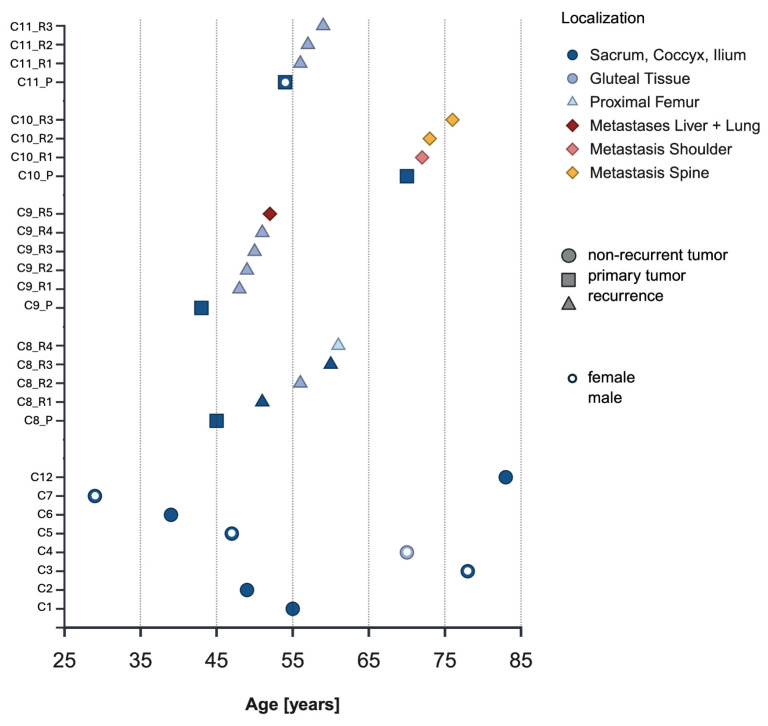 Figure 1
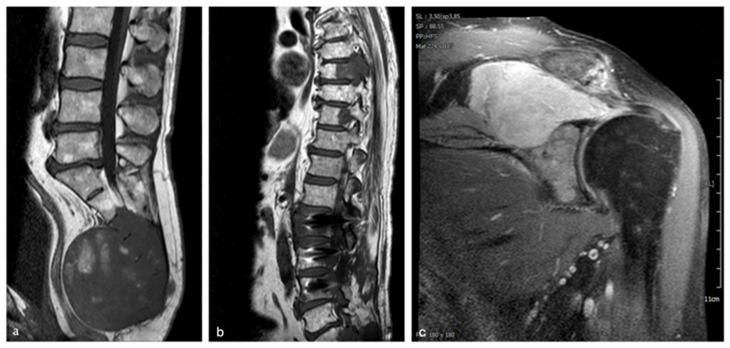 Figure 2
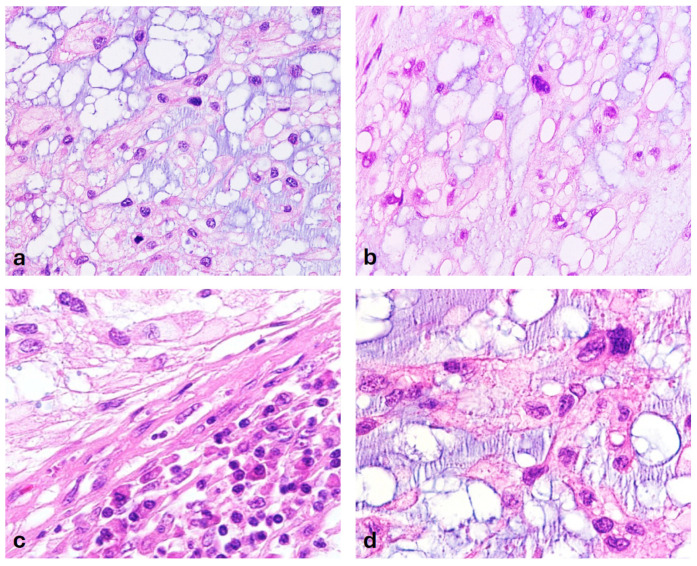 Figure 3
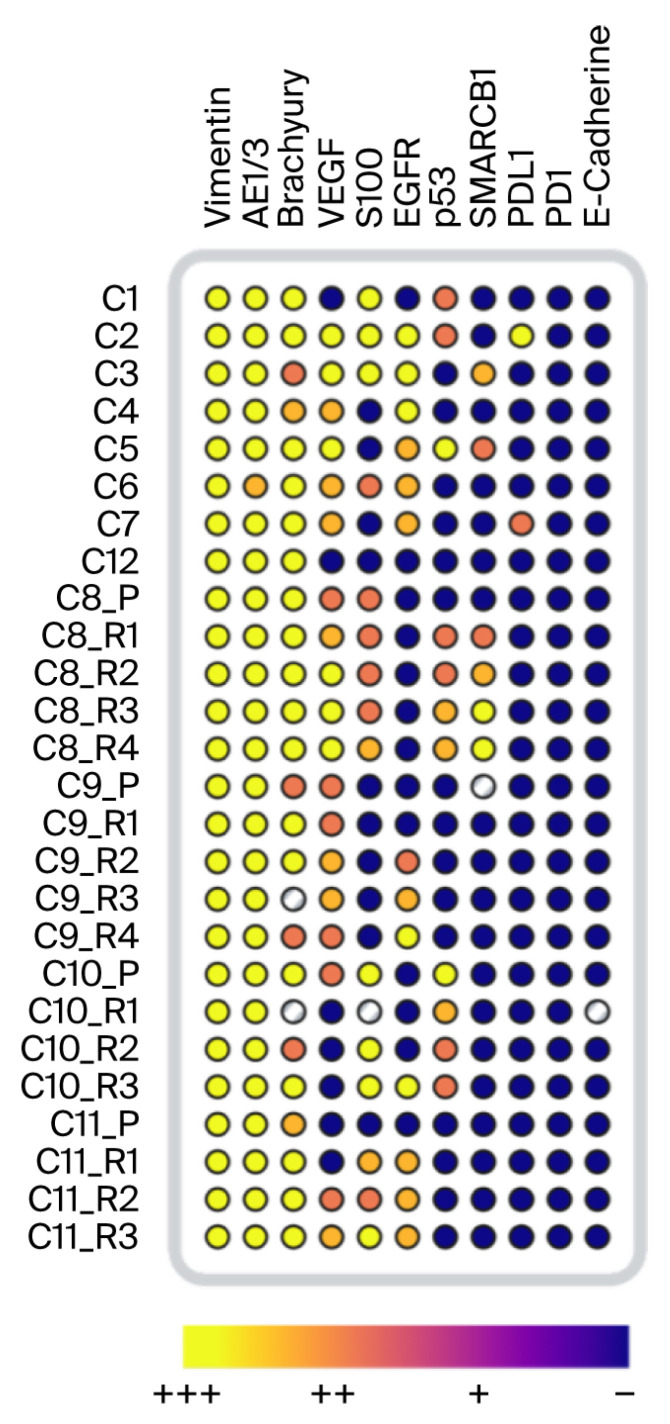 Figure 4
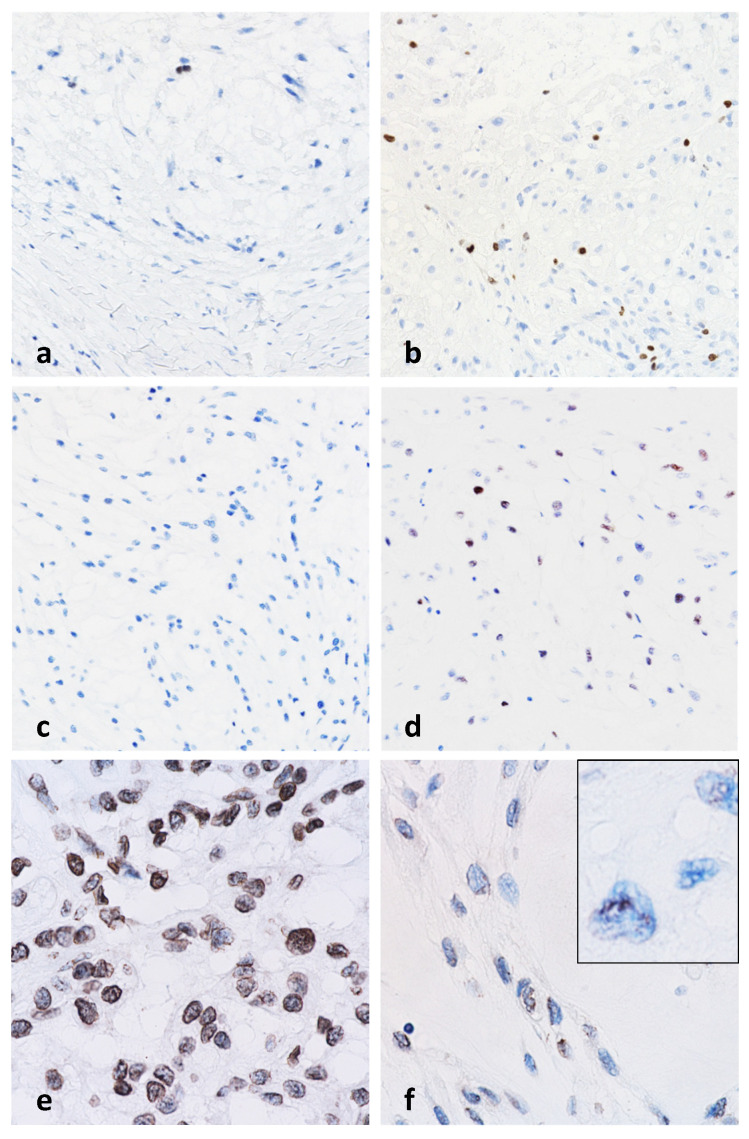 Figure 5
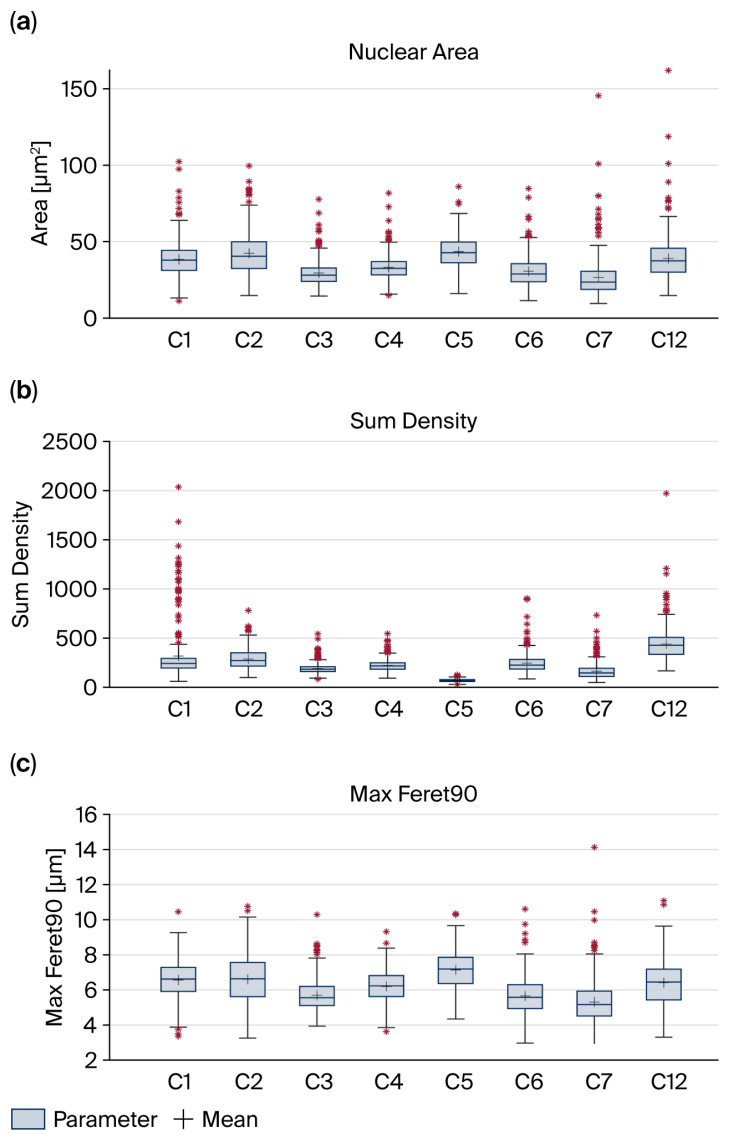 Figure 6
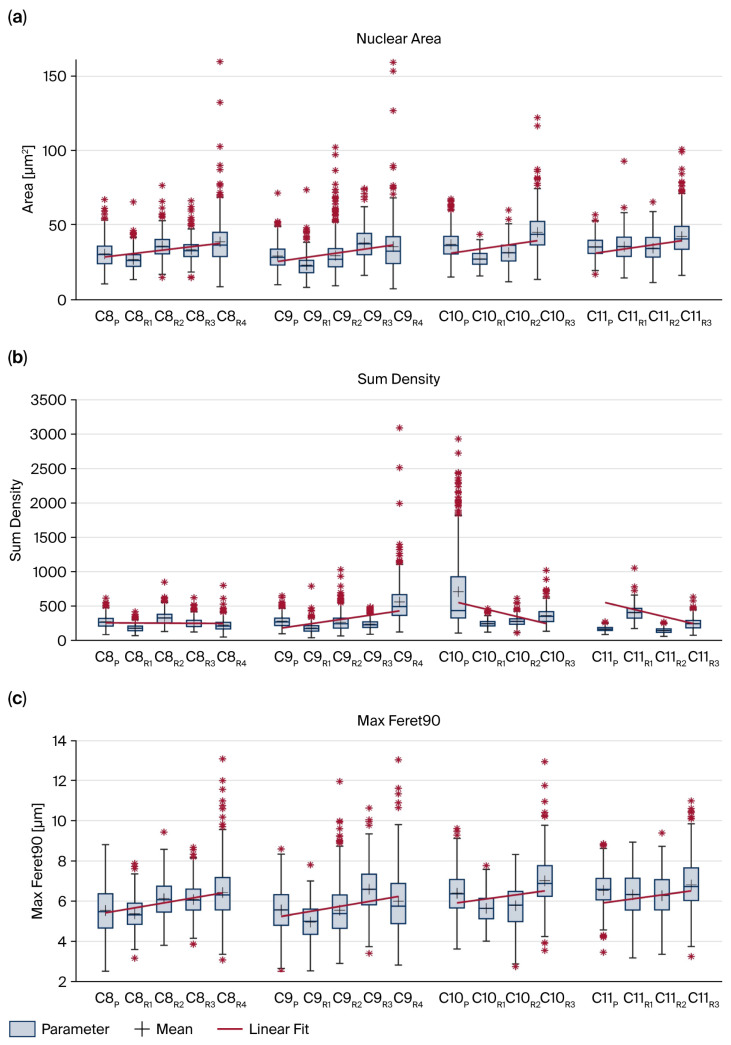 Figure 7
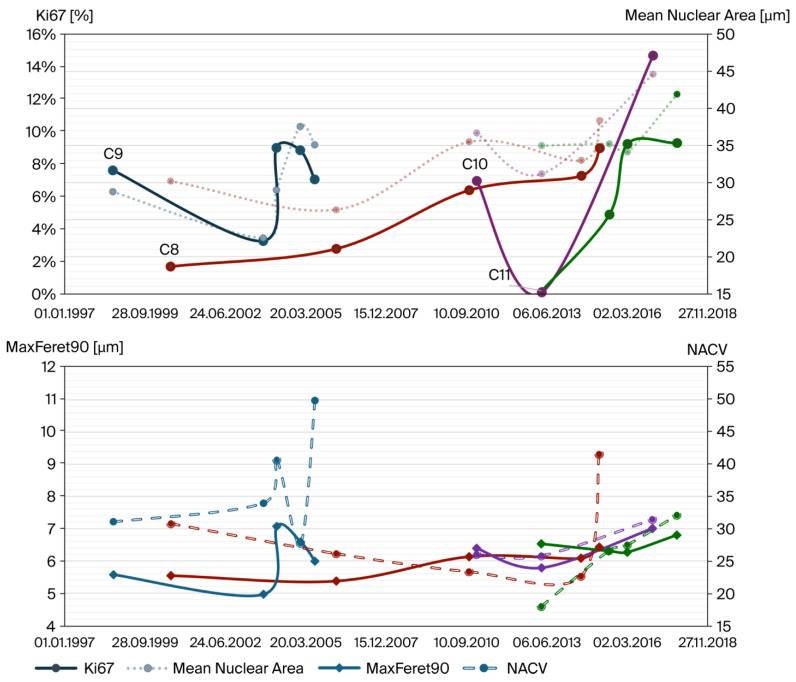 Figure 8
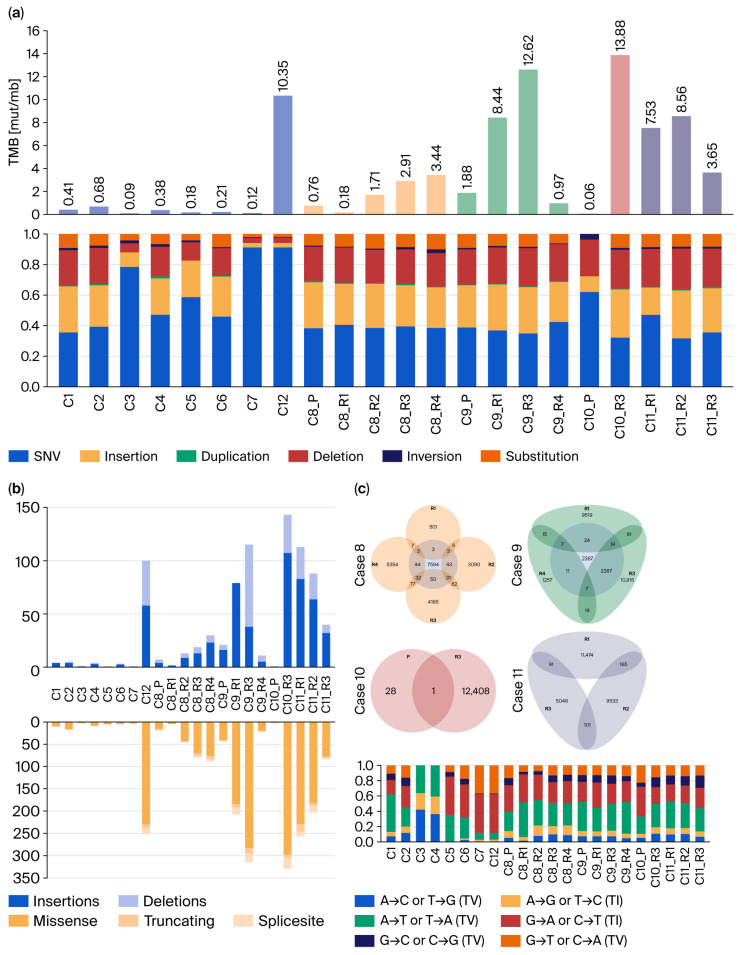 Figure 9
Peer Reviews
No public reviews on file for this paper yet. If you reviewed it on a platform where reviews are public (OpenReview, ICLR, NeurIPS, ICML), you can paste yours below so the community can read it here.
Videos
No videos yet. Explain this paper in a talk, walkthrough, or lecture? Add one.
Taxonomy
TopicsBone Tumor Diagnosis and Treatments · Chromatin Remodeling and Cancer · Sarcoma Diagnosis and Treatment