Transcriptomic Responses of Zebrafish Embryos to Environmentally Relevant, Low-Dose (2-Ethylhexyl) Phthalate Exposure at 96–120 hpf
Mariagiovanna Pais, Kate McCafferty, Guillermo Lopez Campos, Gary Hardiman

TL;DR
This study shows that low-dose DEHP exposure in zebrafish embryos causes subtle but coordinated changes in gene activity across multiple biological pathways.
Contribution
The study reveals coordinated transcriptomic responses to low-dose DEHP exposure during late embryogenesis using systems-level analysis.
Findings
Low-dose DEHP exposure induces pathway-level transcriptional remodeling without large gene-level effects.
KEGG analysis highlights enrichment in MAPK signaling, actin cytoskeleton, and neuroactive ligand-receptor interactions.
Endocrine network analysis shows downregulation of estrogen and androgen biosynthesis enzymes and upregulation of proteostasis factors.
Abstract
Background: Di(2-ethylhexyl) phthalate (DEHP) is a high-production-volume plasticizer and ubiquitous environ-mental contaminant with established endocrine-disrupting potential. While zebrafish transcriptomic studies have typically used high concentrations and long exposure windows, less is known about genome-wide responses during late embryogenesis/early larval maturation under environmentally relevant exposures. Here we profiled whole-organism transcriptomic responses to a short DEHP exposure during a developmentally sensitive transition (96–120) hours post-fertilization, hpf) and interpreted responses using differential expression, enrichment analyses, and endocrine-focused protein–protein interaction (PPI) network modeling. Methods: Wild-type AB zebrafish lar-vae (96 hpf) were exposed to DEHP at [10−9 M] or solvent control for 24 h. Larvae were pooled per replicate (25 lar-vae/pool)…
Genes, proteins, chemicals, diseases, species, mutations and cell lines named across the full text — each resolved to its canonical identifier and authoritative record.
Click any figure to enlarge with its caption.
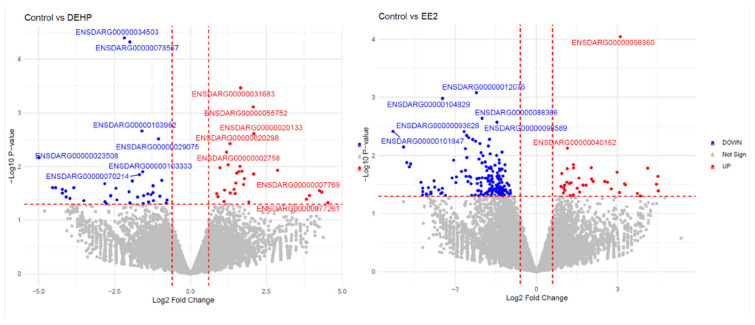 Figure 1
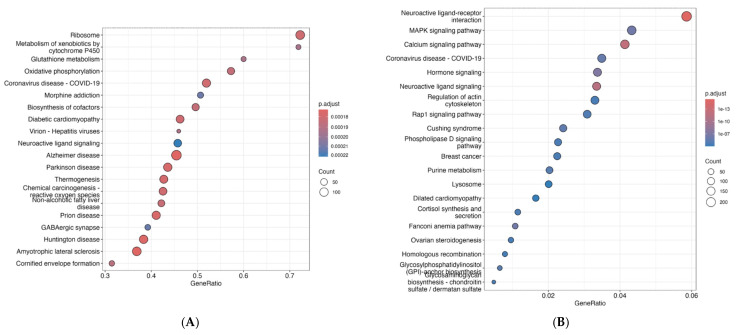 Figure 2
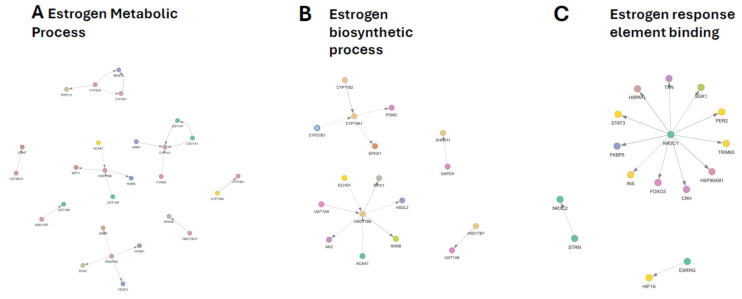 Figure 3
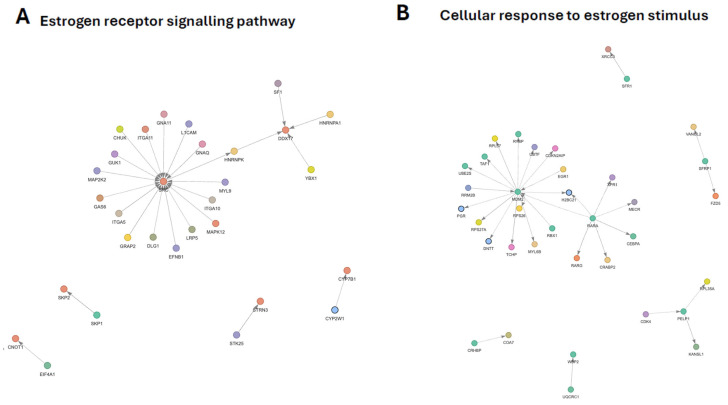 Figure 4
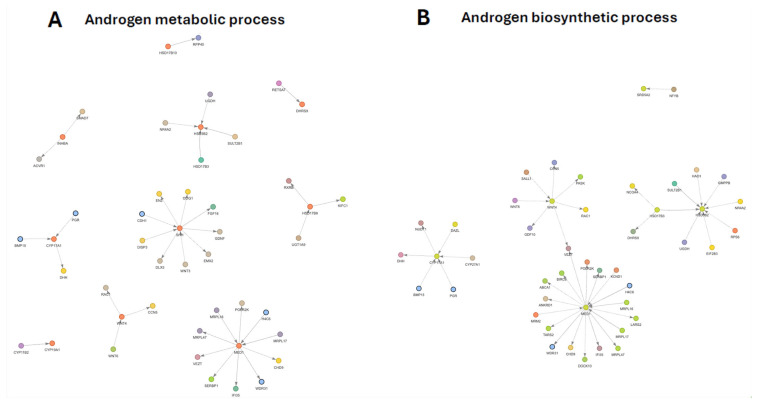 Figure 5
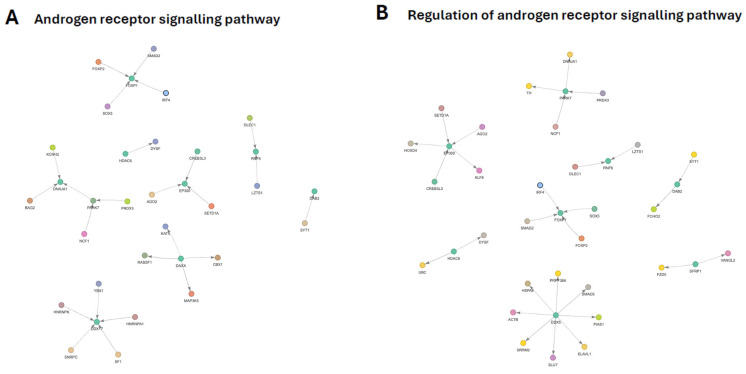 Figure 6
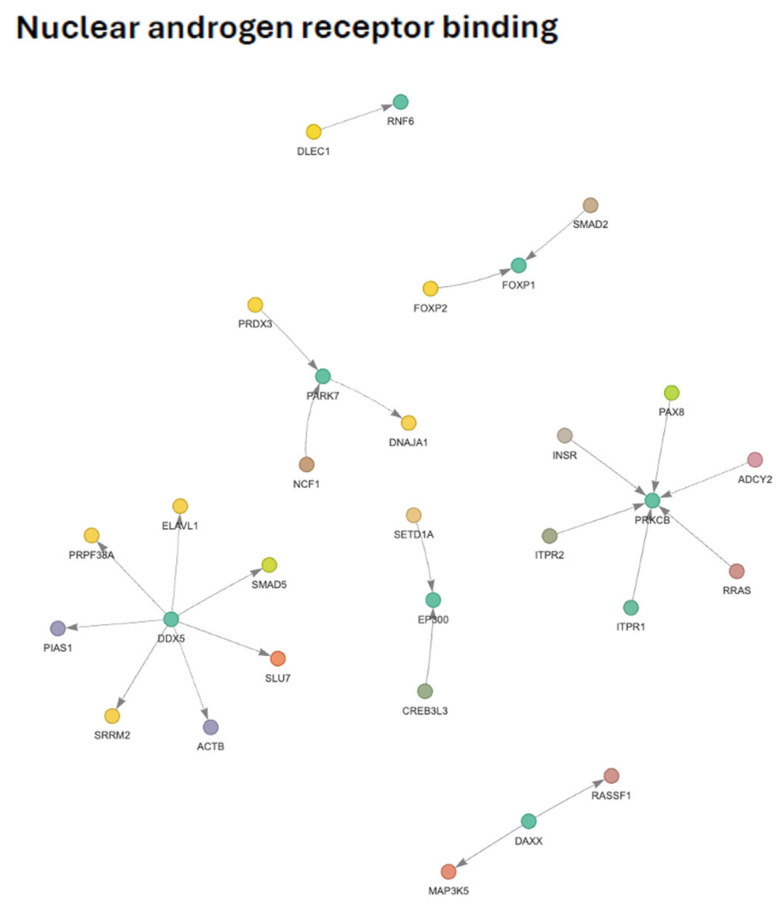 Figure 7
Peer Reviews
No public reviews on file for this paper yet. If you reviewed it on a platform where reviews are public (OpenReview, ICLR, NeurIPS, ICML), you can paste yours below so the community can read it here.
Videos
No videos yet. Explain this paper in a talk, walkthrough, or lecture? Add one.
Taxonomy
TopicsEffects and risks of endocrine disrupting chemicals · Per- and polyfluoroalkyl substances research · Biochemical Acid Research Studies