Towards the Development of a Deep Learning Framework Using Adaptive and Non-Adaptive Time-Frequency Features for EEG-Based Depression Therapy Prediction
Hesam Akbari, Sara Bagherzadeh, Javid Farhadi Sedehi, Rab Nawaz, Reza Rostami, Reza Kazemi, Sadiq Muhammad, Haihua Chen, Mutlu Mete

TL;DR
This study develops a deep learning framework using EEG signals to predict whether patients will respond to depression therapies like SSRIs or rTMS before treatment begins.
Contribution
The study introduces a therapy-specific deep learning framework using adaptive and non-adaptive time-frequency features for depression therapy prediction.
Findings
CWT-based features with ResNet-18 achieved 99.43% accuracy for SSRI outcome prediction.
VMD-based features with ResNet-18 achieved 98.77% accuracy for rTMS outcome prediction.
ResNet-18 and TinyViT-Hybrid outperformed other CNN architectures across all conditions.
Abstract
Background/Objectives: Predicting individual response to depression therapy prior to treatment initiation remains a critical clinical challenge, as the response rate to both selective serotonin reuptake inhibitors (SSRIs) and repetitive transcranial magnetic stimulation (rTMS) is approximately 50%, leaving treatment selection largely trial-based. This study presents a computer-aided decision (CAD) framework that predicts depression therapy outcomes from pre-treatment electroencephalogram (EEG) signals using advanced time-frequency representations and pretrained convolutional neural networks (CNNs). Methods: EEG signals from 30 SSRI patients and 46 rTMS patients are transformed into time-frequency images using Continuous Wavelet Transform (CWT), Variational Mode Decomposition (VMD), and their pixel-level fusion. Four pretrained CNN architectures, including ResNet-18, MobileNet-V3,…
Genes, proteins, chemicals, diseases, species, mutations and cell lines named across the full text — each resolved to its canonical identifier and authoritative record.
Click any figure to enlarge with its caption.
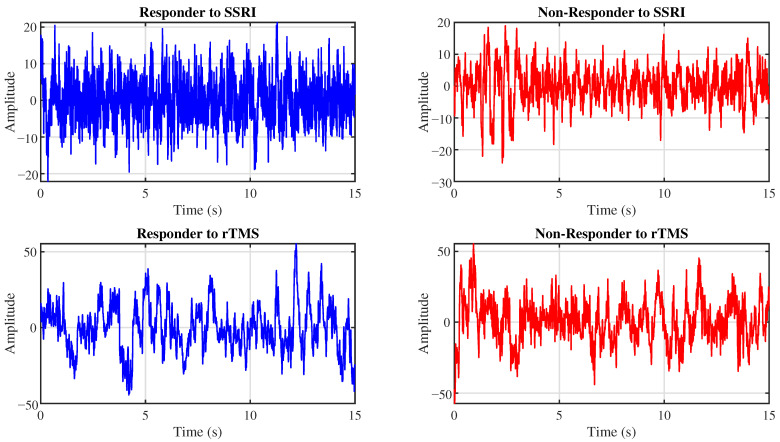 Figure 1
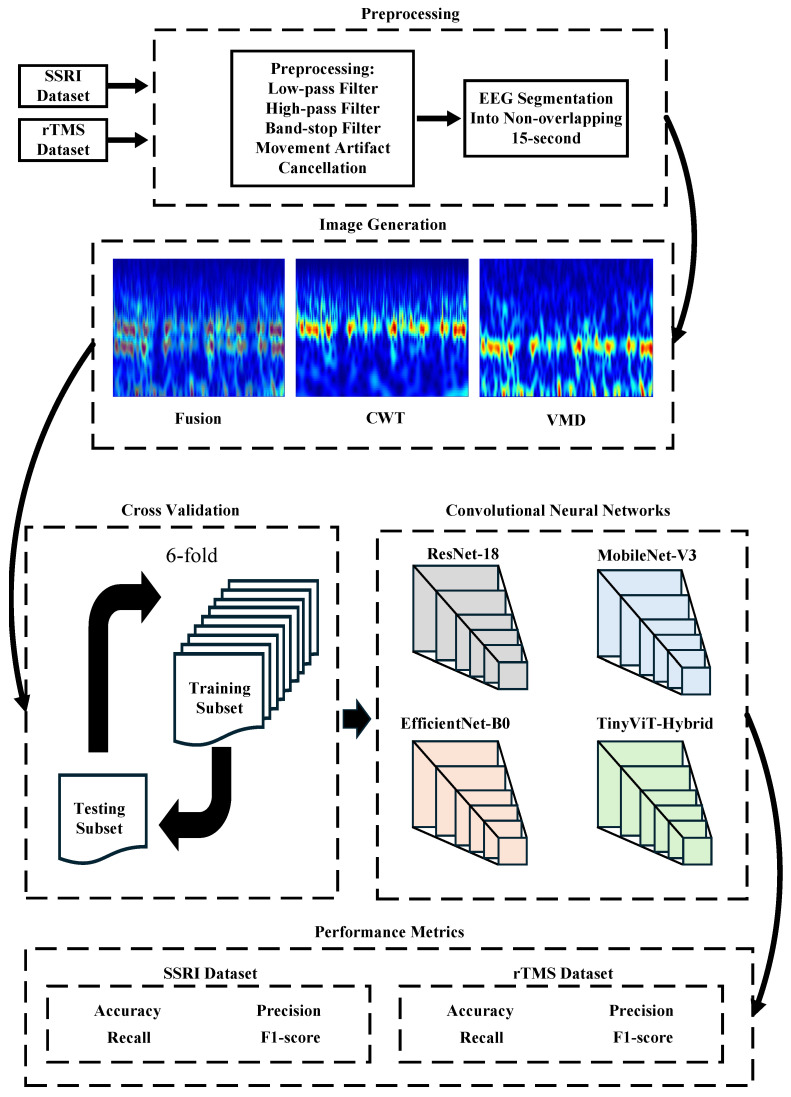 Figure 2
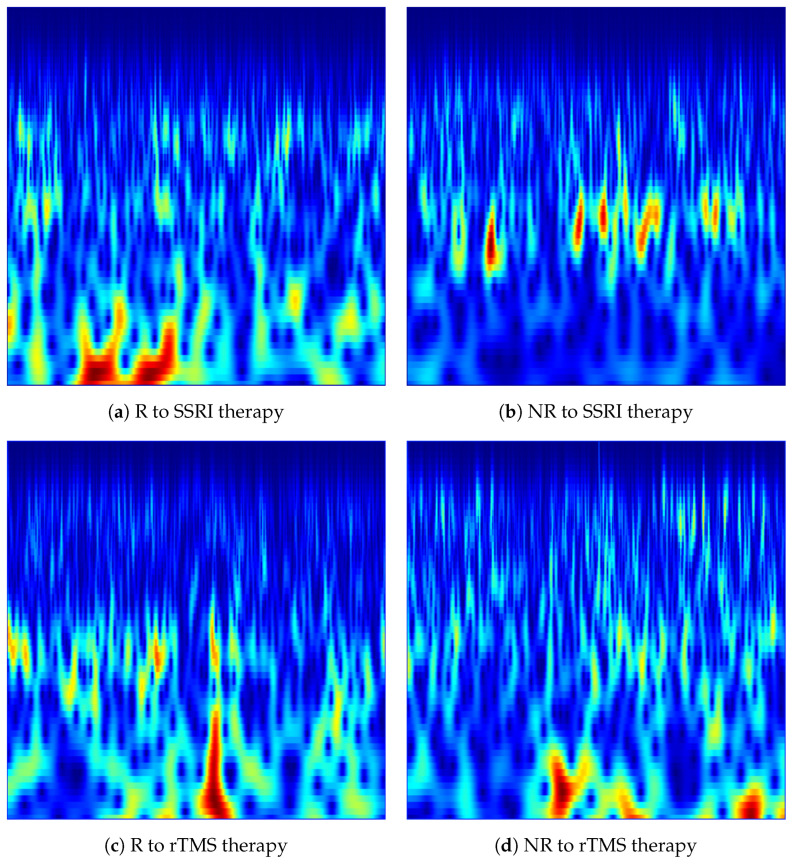 Figure 3
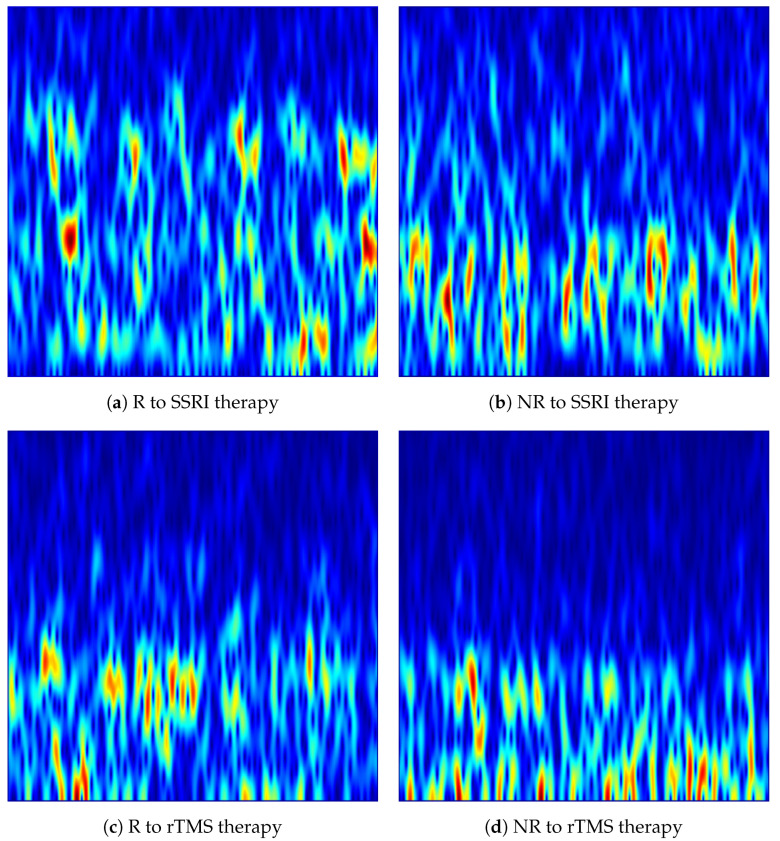 Figure 4
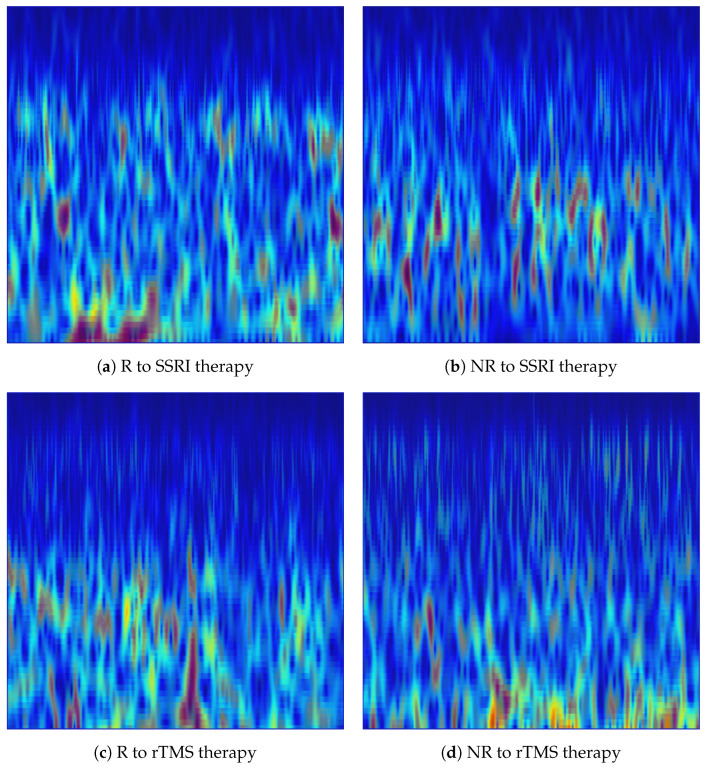 Figure 5
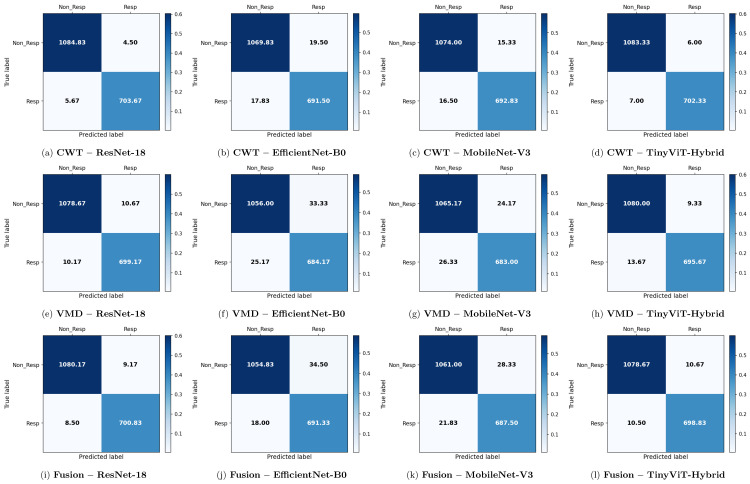 Figure 6
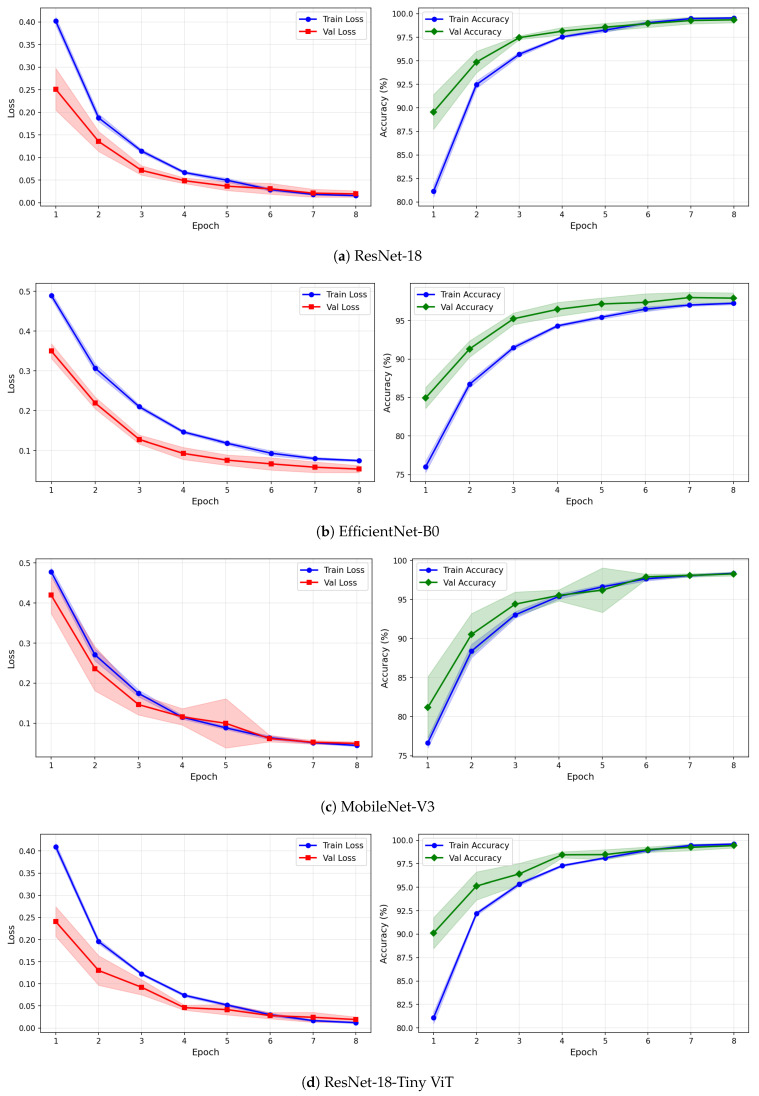 Figure 7
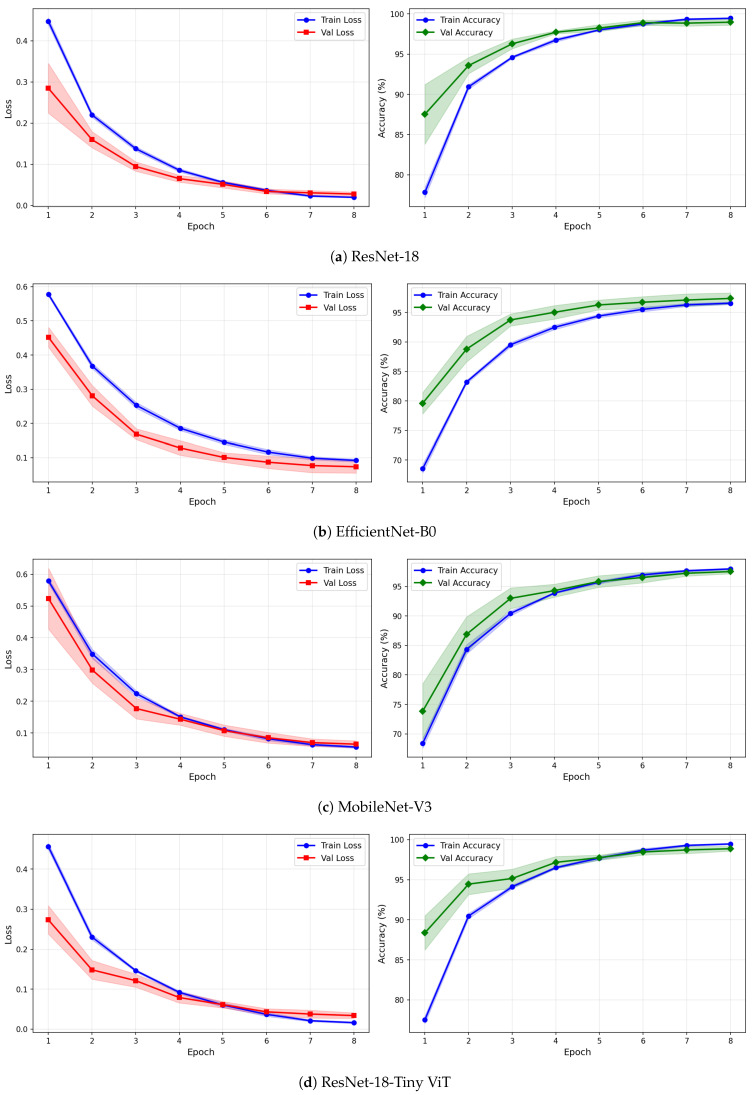 Figure 8
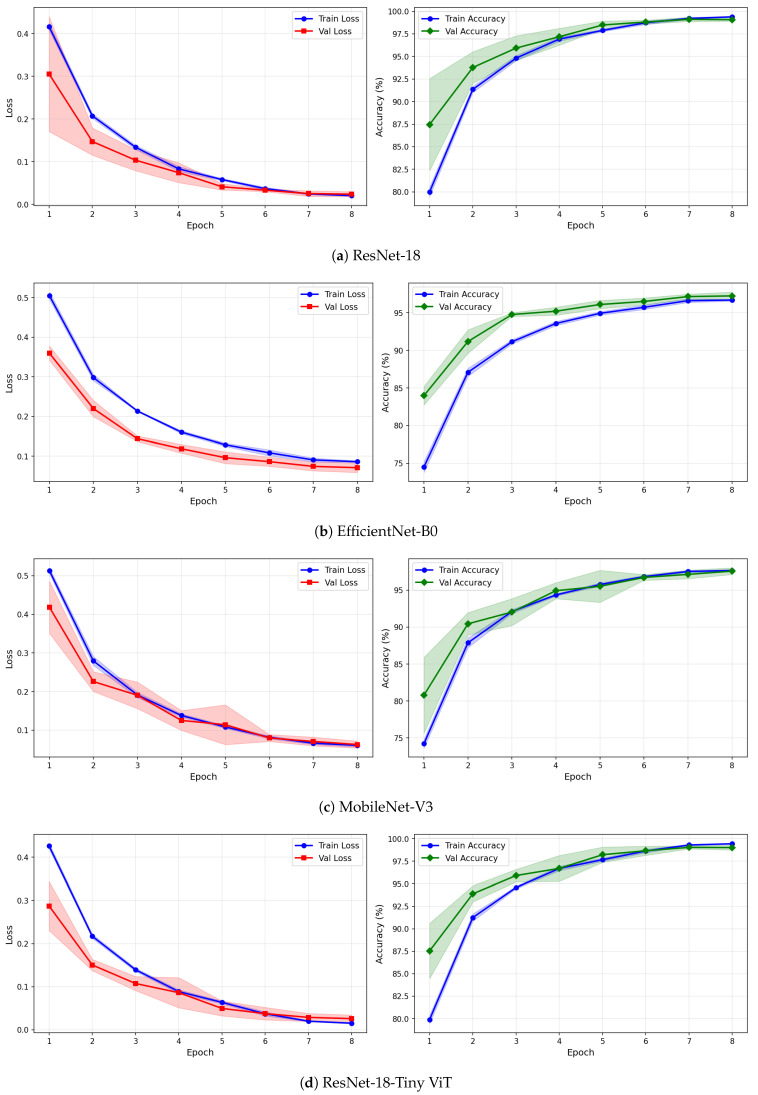 Figure 9
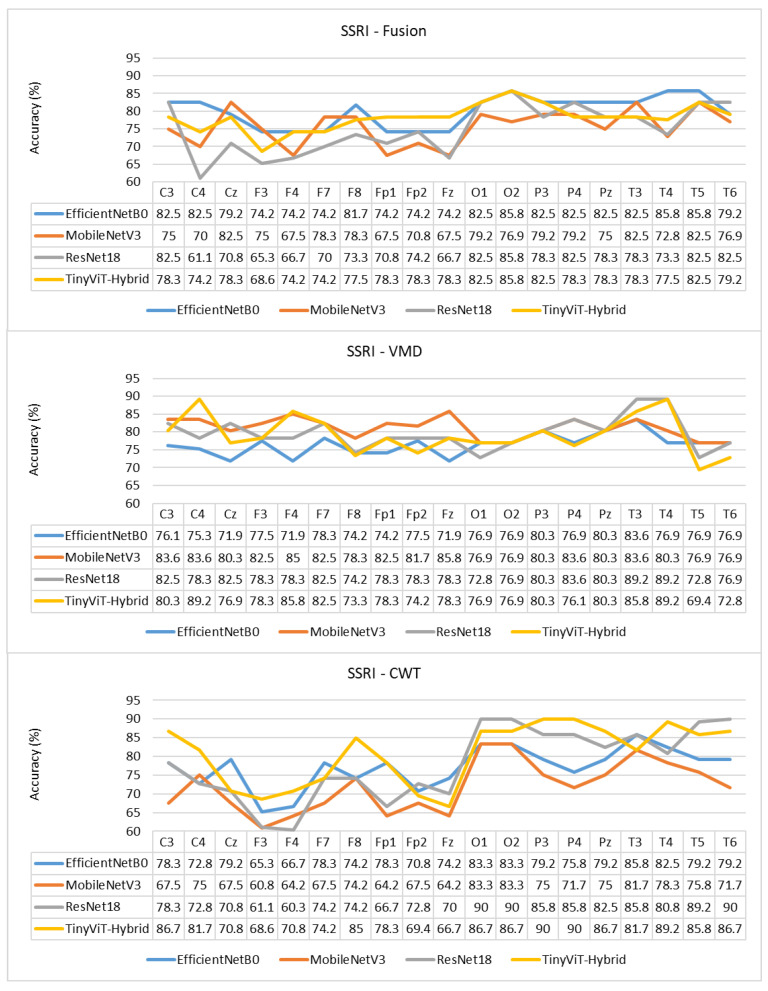 Figure 10
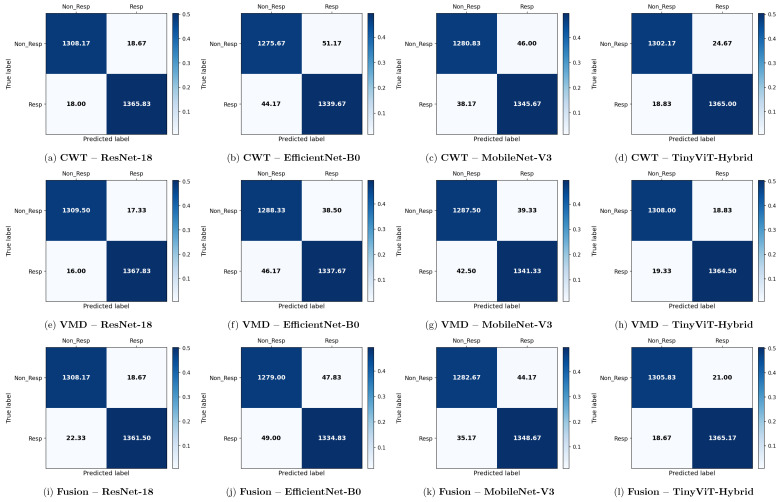 Figure 11
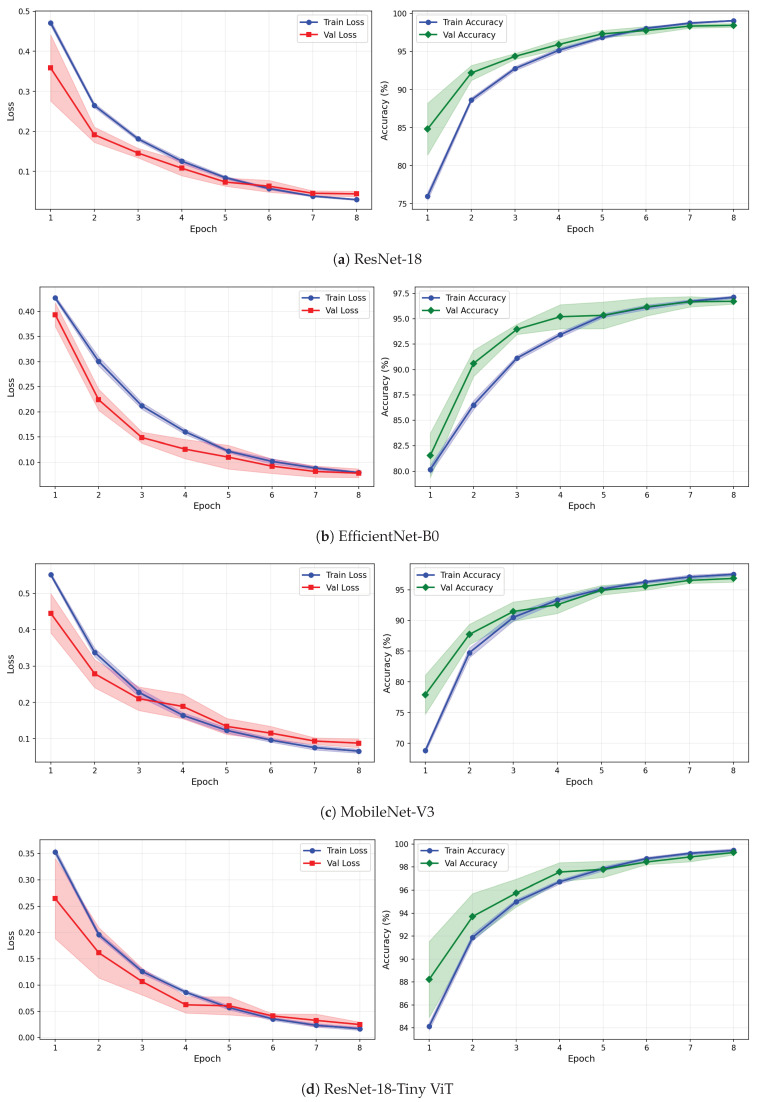 Figure 12
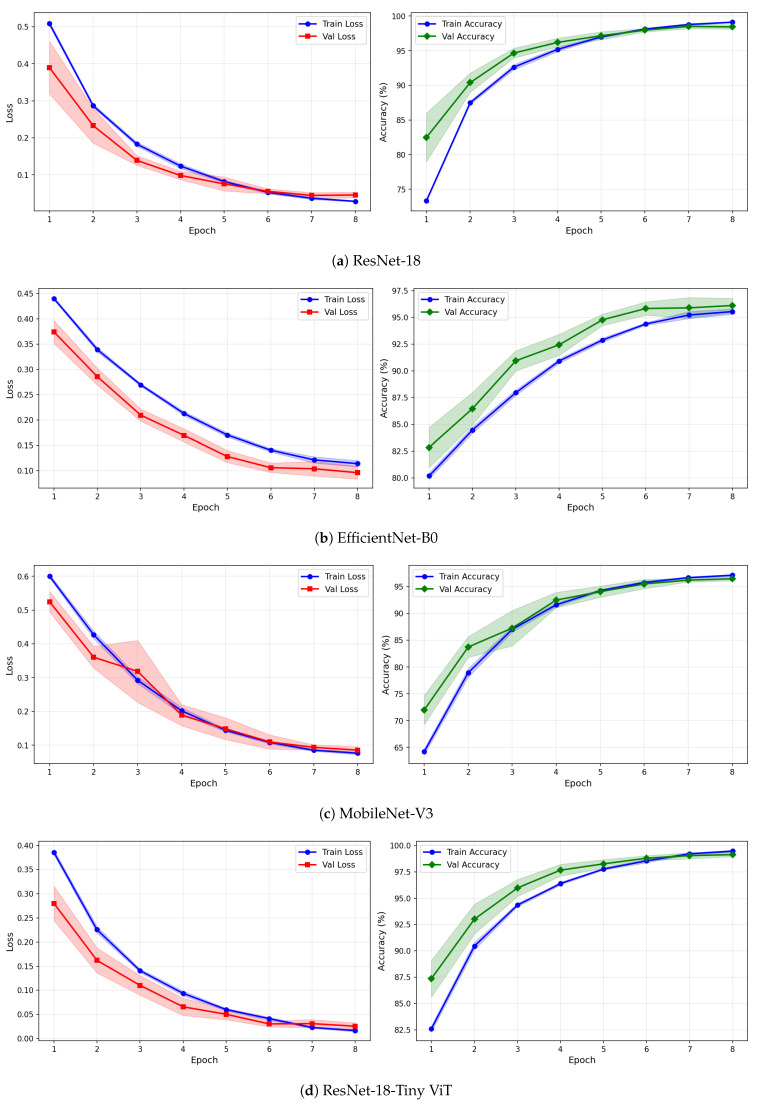 Figure 13
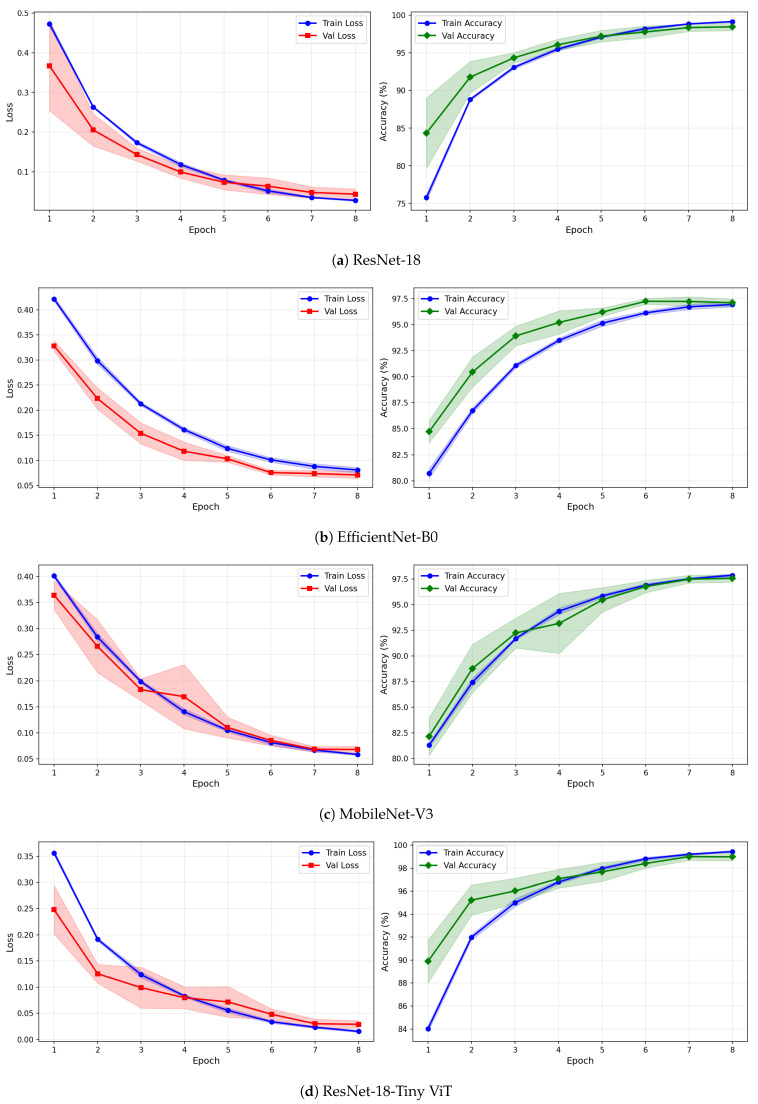 Figure 14
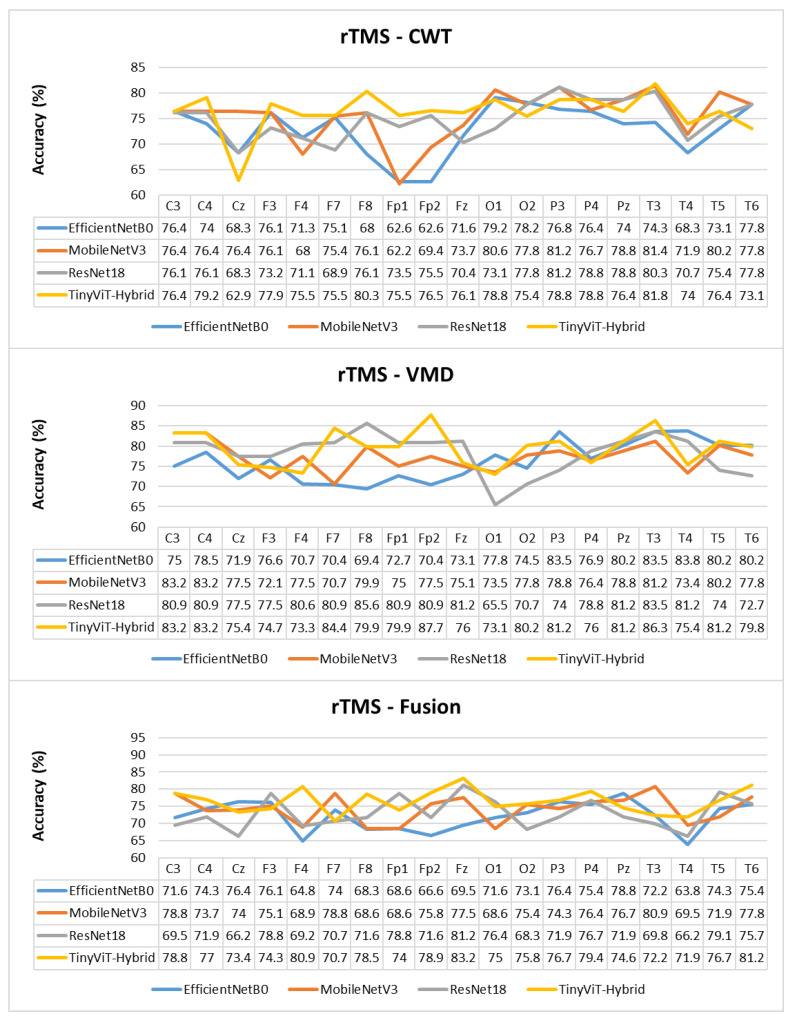 Figure 15
Peer Reviews
No public reviews on file for this paper yet. If you reviewed it on a platform where reviews are public (OpenReview, ICLR, NeurIPS, ICML), you can paste yours below so the community can read it here.
Videos
No videos yet. Explain this paper in a talk, walkthrough, or lecture? Add one.
Taxonomy
TopicsEEG and Brain-Computer Interfaces · Digital Mental Health Interventions · Emotion and Mood Recognition