Exploring the Antimicrobial Potential of a Novel Phage-Derived Lytic Protein Against Pseudomonas aeruginosa
Sibongile Mtimka, Kanyane Bridgett Malatji, Patrick Opare Sakyi, Noel David Nogbou, Andrew Munyalo Musyoki, Sipho Mamputha, Lusisizwe Kwezi, Samuel Kojo Kwofie, Ofentse Jacob Pooe, Tsepo Lebiletsa Tsekoa

TL;DR
This study explores a new phage-derived protein that shows promise as an antimicrobial agent against Pseudomonas aeruginosa.
Contribution
The paper introduces and characterizes a novel phage-derived lytic protein, SM07, with antimicrobial activity against P. aeruginosa.
Findings
SM07 exhibited a minimum inhibitory concentration of 4 µg/mL against Pseudomonas aeruginosa.
No significant cytotoxic effects were observed in Vero kidney cells at concentrations above the effective dose.
SM07 shows potential as an alternative antimicrobial agent against P. aeruginosa infections.
Abstract
The escalation of bacterial resistance to existing antibiotics represents a growing global health challenge, exacerbated by the widespread misuse of antimicrobial agents. As a result, alternative antibacterial strategies are increasingly being explored, including phage-derived lytic proteins. In this study, we report a preliminary characterisation of a novel phage-derived lytic protein identified through computational screening of bacteriophage genome sequences. A putative open reading frame, designated SM07 (1383 bp), was selected from bacteriophage sequences contributed by the University of KwaZulu-Natal to a global phage repository. The gene was synthesised, sub-cloned into the pET-30b(+) vector with an N-terminal histidine tag, and recombinantly expressed in Escherichia coli BL-21(AI) cells. The protein was purified using affinity and ion-exchange chromatography. Purified SM07…
Genes, proteins, chemicals, diseases, species, mutations and cell lines named across the full text — each resolved to its canonical identifier and authoritative record.
Click any figure to enlarge with its caption.
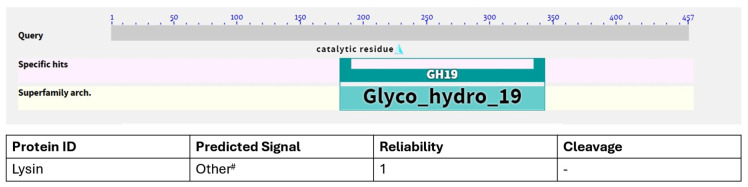 Figure 1
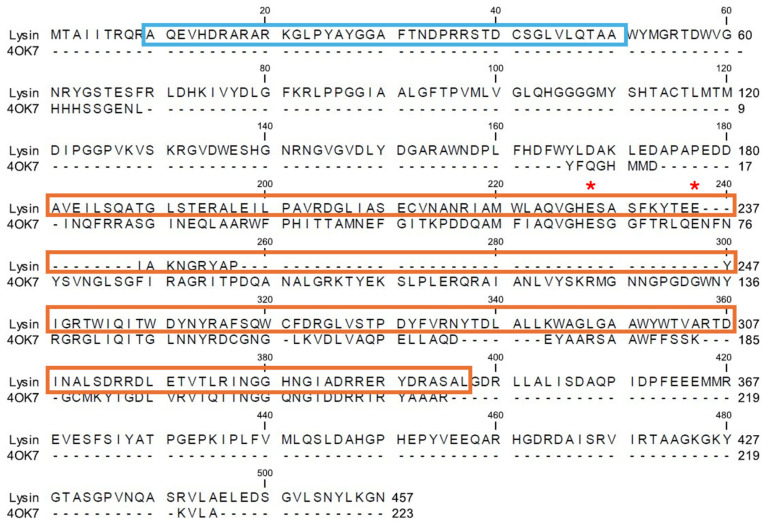 Figure 2
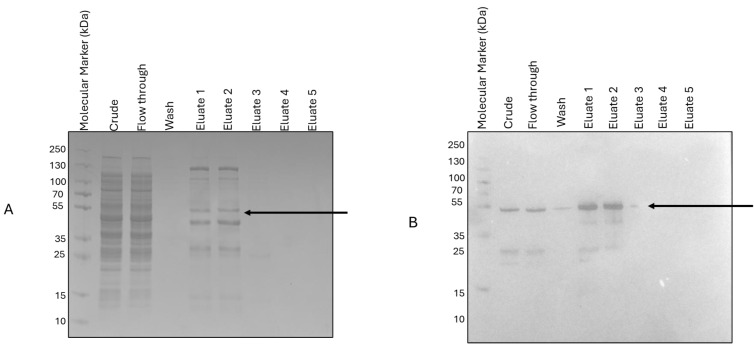 Figure 3
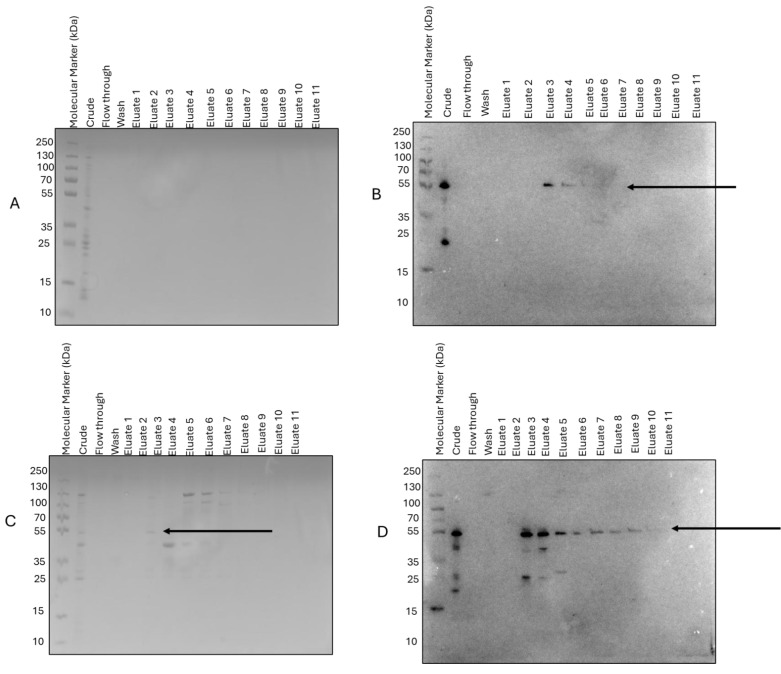 Figure 4
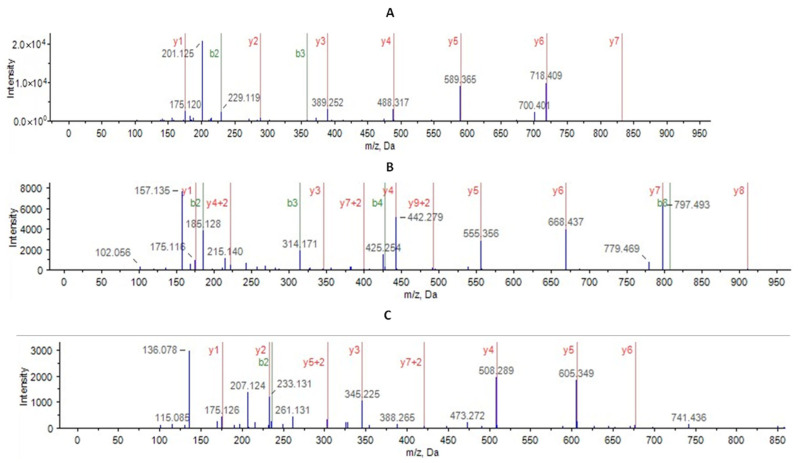 Figure 5
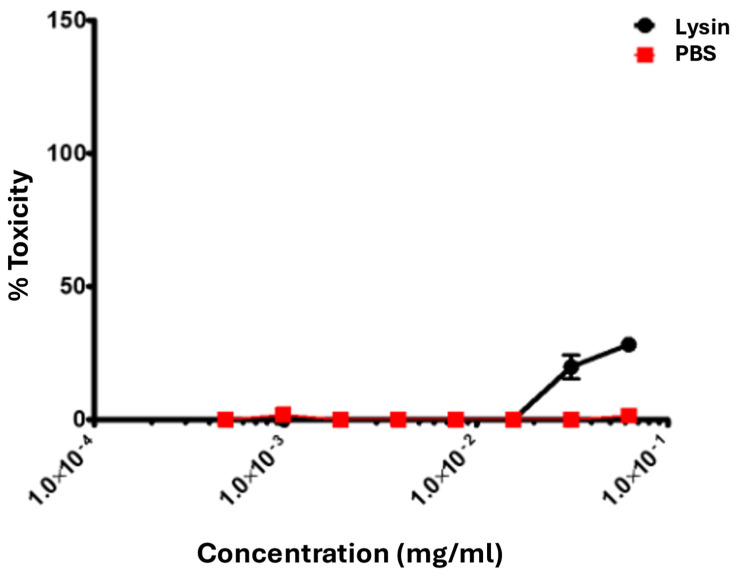 Figure 6
Peer Reviews
No public reviews on file for this paper yet. If you reviewed it on a platform where reviews are public (OpenReview, ICLR, NeurIPS, ICML), you can paste yours below so the community can read it here.
Videos
No videos yet. Explain this paper in a talk, walkthrough, or lecture? Add one.
Taxonomy
TopicsBacteriophages and microbial interactions · Cancer Research and Treatments · Monoclonal and Polyclonal Antibodies Research