Dirofilaria repens Parasite: Review with Emphasis on Ultrasound Findings with Looking for Worm Mobility
Jacques Malghem, Bruno Vande Berg, Benoît Lengelé, Frédéric Lecouvet

TL;DR
This paper reviews the Dirofilaria repens parasite in humans, focusing on how ultrasound can detect worm movement to confirm the diagnosis.
Contribution
The paper emphasizes the unique use of ultrasound to detect worm mobility for diagnosing Dirofilaria repens infection.
Findings
Dirofilaria repens infection in humans is expanding due to global warming.
Ultrasound can show double echogenic 'rail' images suggesting the diagnosis.
Observing spontaneous worm motility via ultrasound confirms the diagnosis.
Abstract
Human dirofilariasis is caused by infection with a parasite relatively common in dogs. Occasional transmission of larvae to humans occurs via an insect bite and development of an immature worm at the bite site. The disease, once confined to southern Europe, is becoming increasingly widespread, particularly due to global warming. Clinical signs are nonspecific and laboratory findings usually normal. Imaging shows pseudotumor features also nonspecific on computed tomography (CT) and magnetic resonance imaging (MRI) scans. Ultrasound may suggest the diagnosis by the presence of double echogenic ‘rail’ images. However, only spontaneous motility of the parasite observation can confirm the diagnosis.
Genes, proteins, chemicals, diseases, species, mutations and cell lines named across the full text — each resolved to its canonical identifier and authoritative record.
Click any figure to enlarge with its caption.
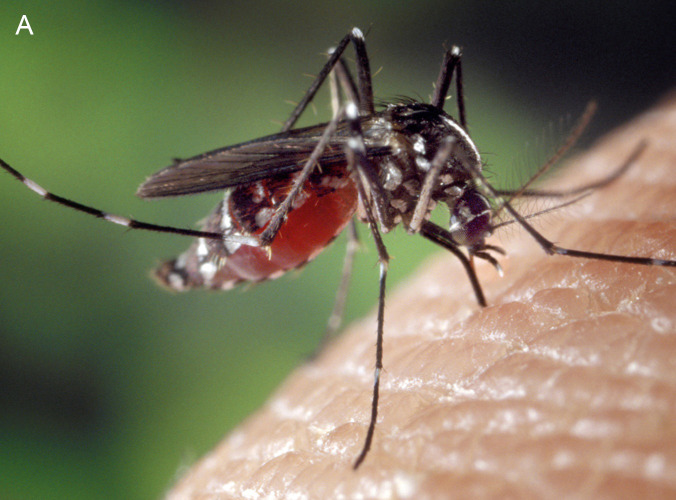 Figure 1
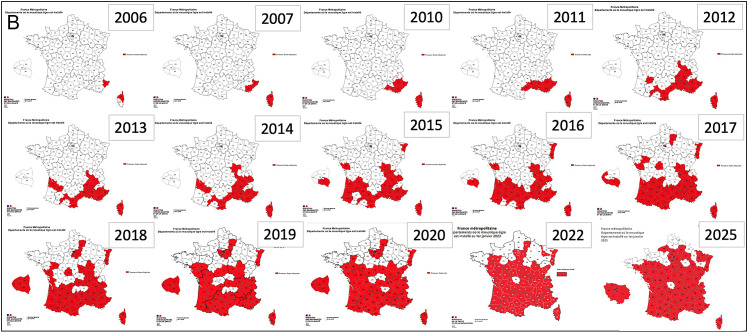 Figure 2
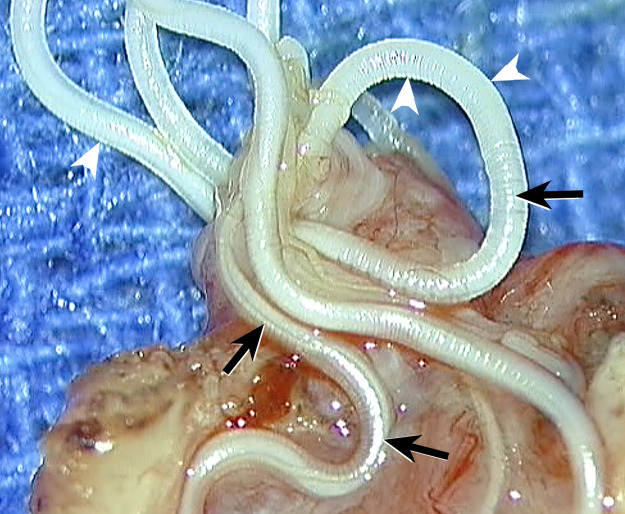 Figure 3
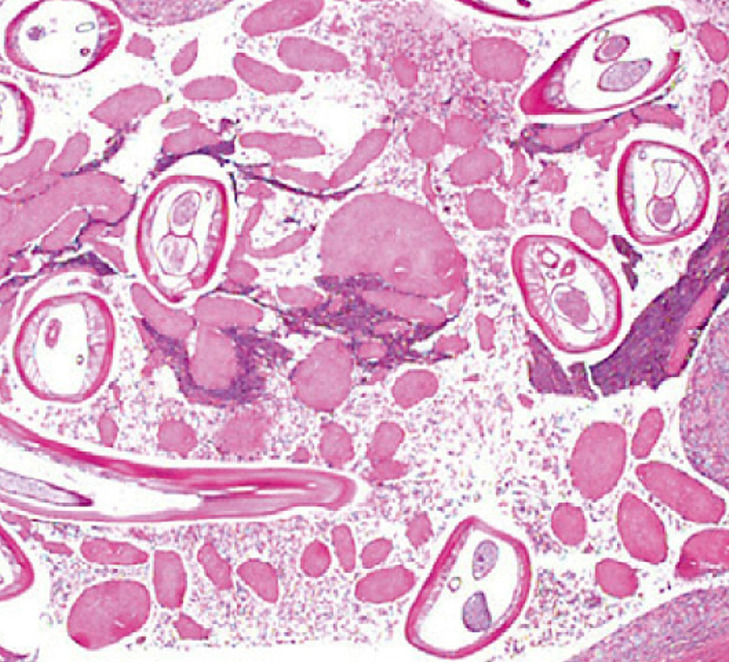 Figure 4
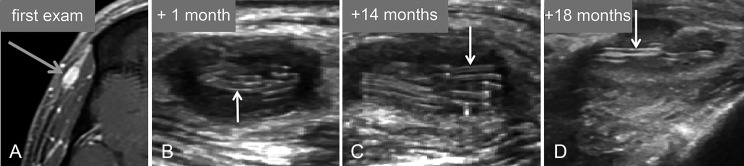 Figure 5
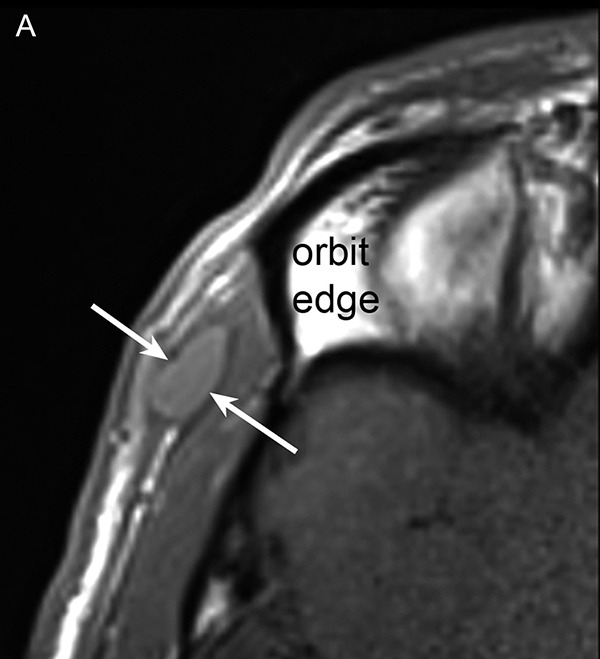 Figure 6
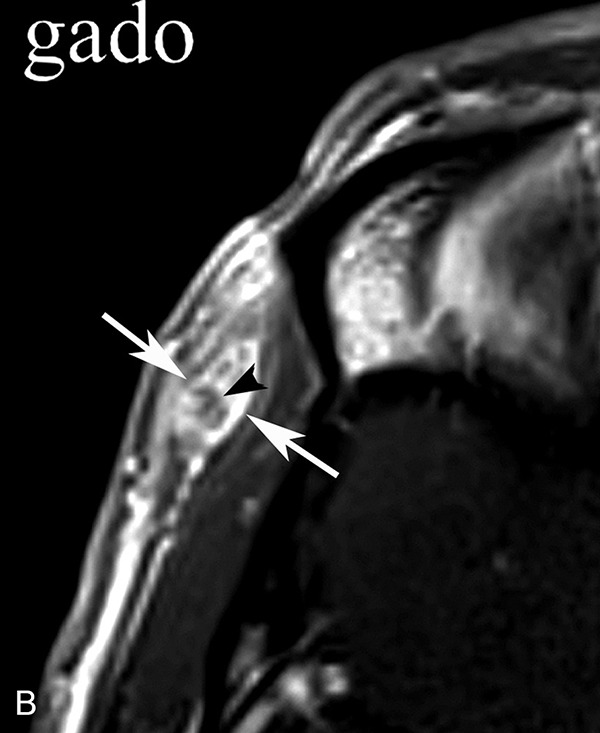 Figure 7
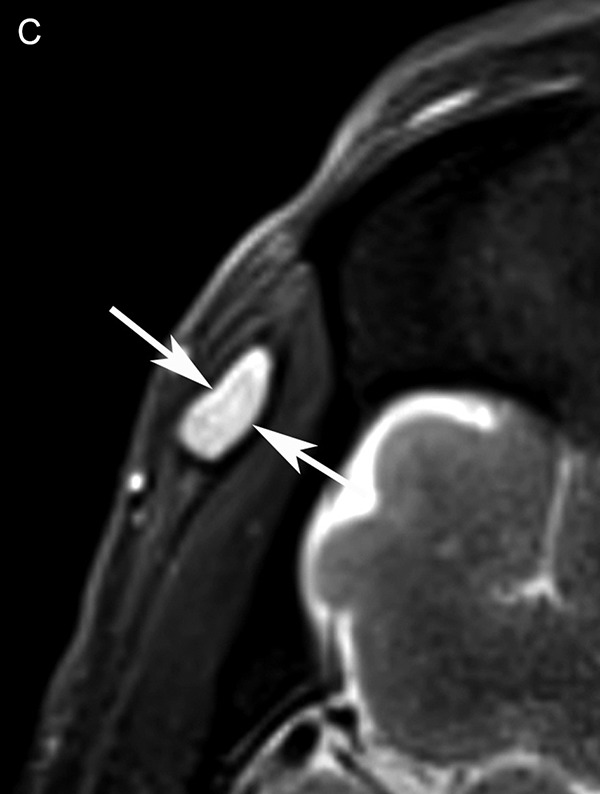 Figure 8
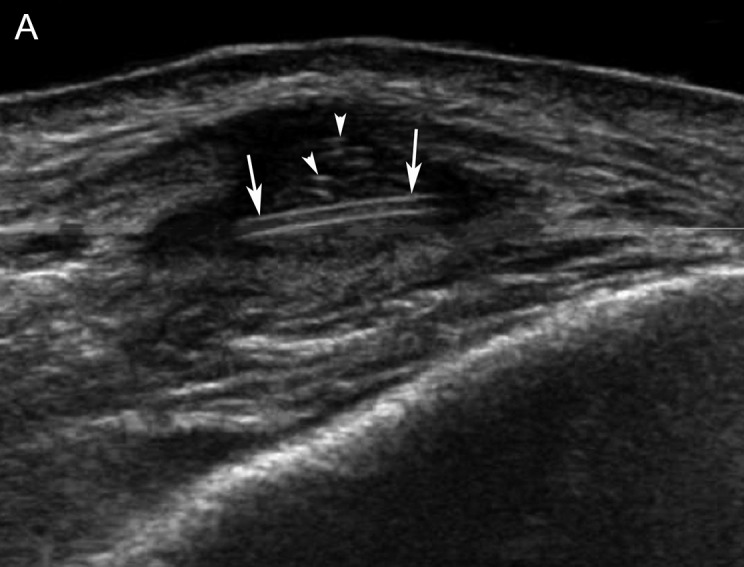 Figure 9
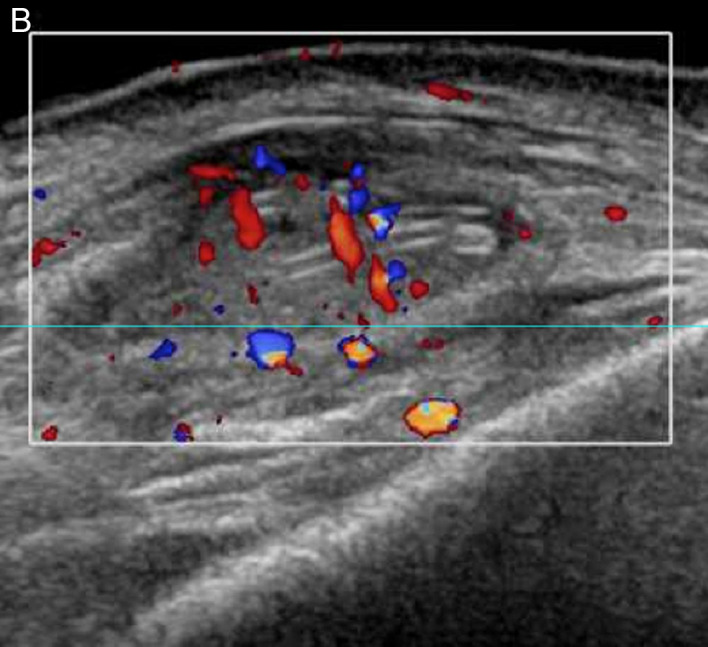 Figure 10
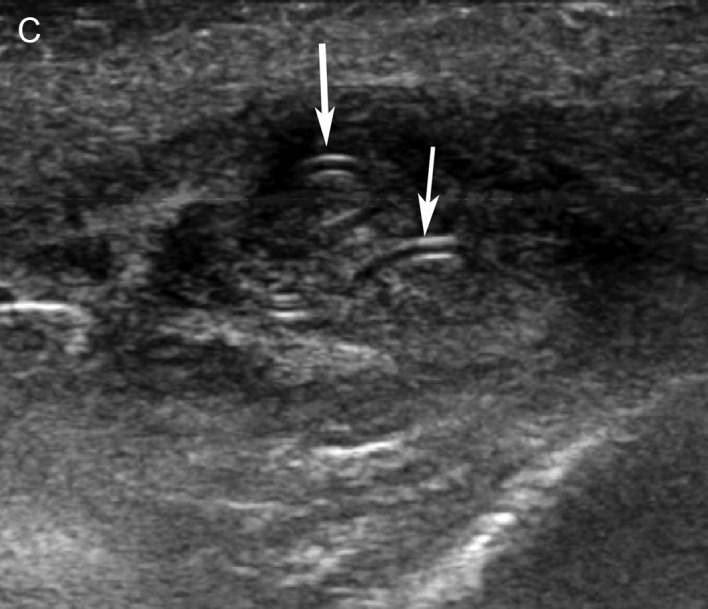 Figure 11
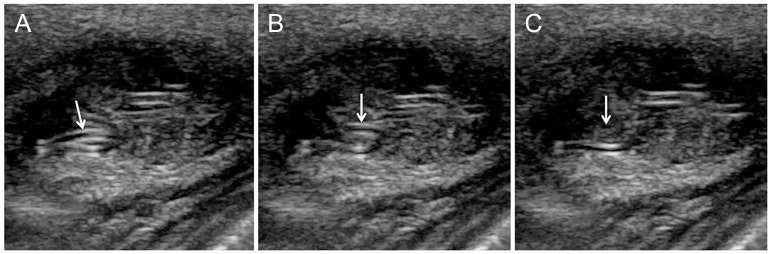 Figure 12
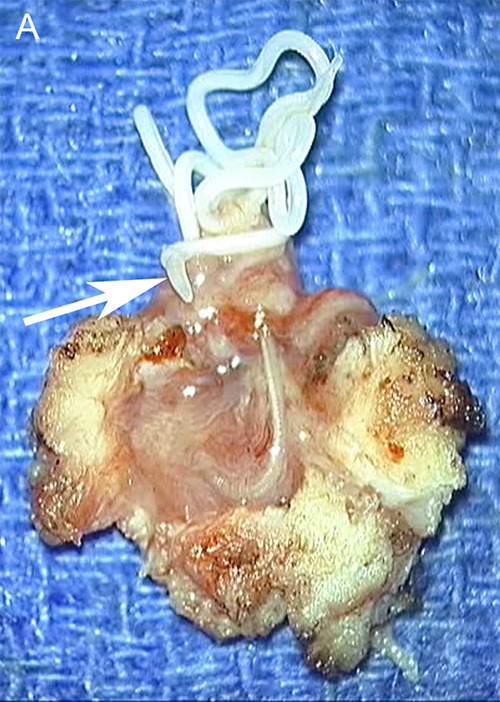 Figure 13
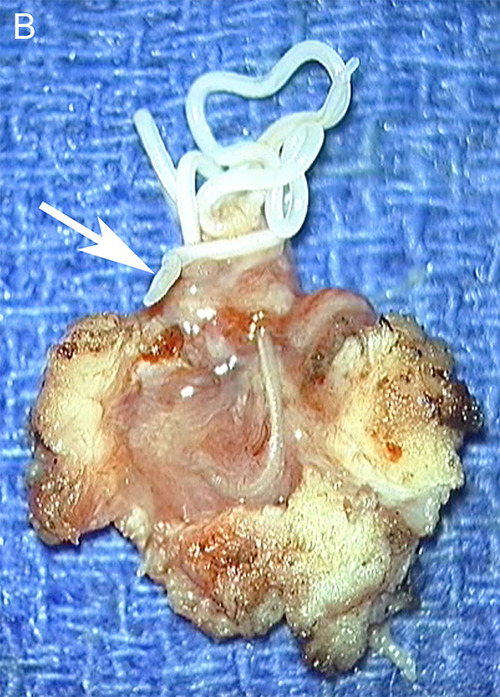 Figure 14
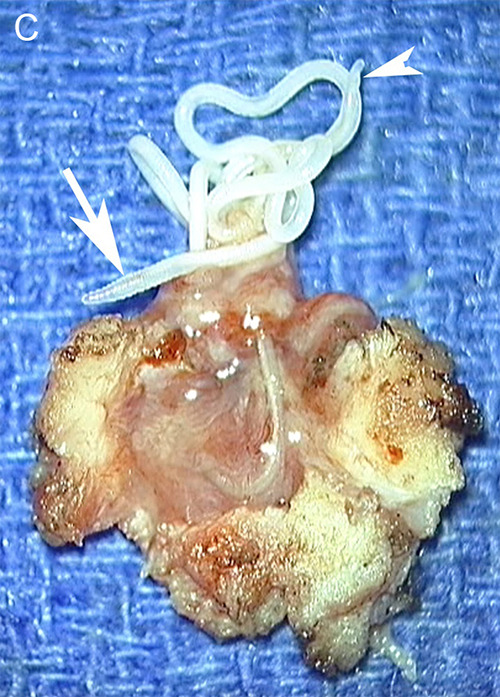 Figure 15
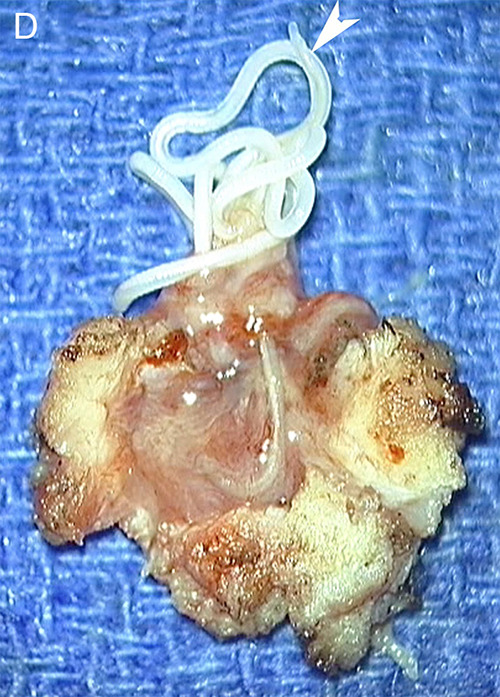 Figure 16
Peer Reviews
No public reviews on file for this paper yet. If you reviewed it on a platform where reviews are public (OpenReview, ICLR, NeurIPS, ICML), you can paste yours below so the community can read it here.
Videos
No videos yet. Explain this paper in a talk, walkthrough, or lecture? Add one.
Taxonomy
TopicsParasitic Diseases Research and Treatment · Parasites and Host Interactions · Insects and Parasite Interactions