Integrating Tumor Biology and Host Factors in mCRPC: The Prognostic Value of ‘Time to Castration Resistance’, Systemic Inflammation, and Comorbidity Burden in Patients Treated with Enzalutamide
Seda Sali, Arife Ulaş, Sibel Oyucu Orhan, Sevgi Topçu, Muharrem Koçar, Mürsel Sali, Birol Ocak, Adem Deligönül, Türkkan Evrensel, Erdem Çubukçu

TL;DR
This study shows that tumor-related factors like metastasis and treatment timing are more important than patient health in predicting outcomes for prostate cancer patients on enzalutamide.
Contribution
The study highlights the importance of tumor biology and treatment timing over host factors in predicting survival in mCRPC patients treated with enzalutamide.
Findings
Visceral metastasis increases the risk of death by 4.0-fold in mCRPC patients.
High skeletal tumor burden is associated with a 5.5-fold increase in mortality risk.
Delays in starting enzalutamide increase the risk of death by 7.3% per month.
Abstract
Background: Outcomes with enzalutamide in metastatic castration-resistant prostate cancer (mCRPC) are influenced by tumor burden, disease kinetics, and host factors. We evaluated the relative prognostic impact of metastatic pattern, laboratory markers, and prostate-specific antigen (PSA) dynamics in a real-world cohort. Methods: We retrospectively analyzed 72 patients with mCRPC treated with enzalutamide. Progression-Free Survival (PFS) and Overall Survival (OS) were estimated using the Kaplan–Meier method. Multivariate Cox proportional hazards models were utilized to identify independent predictors of survival, incorporating clinical variables (visceral metastases, bone tumor burden), kinetic parameters (Time to Castration Resistance [TTCR], Time to PSA Nadir [TTN]), and host factors (Charlson Comorbidity Index [CCI], Eastern Cooperative Oncology Group Performance Status (ECOG PS),…
Genes, proteins, chemicals, diseases, species, mutations and cell lines named across the full text — each resolved to its canonical identifier and authoritative record.
Click any figure to enlarge with its caption.
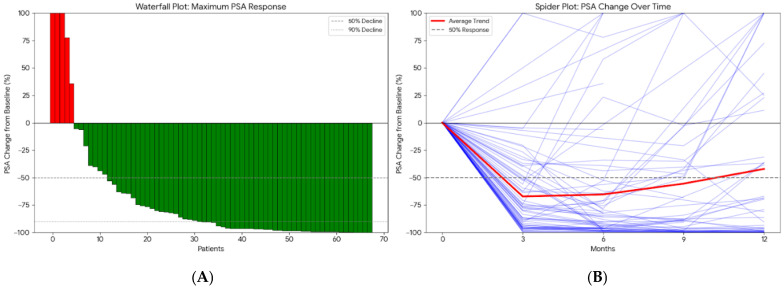 Figure 1
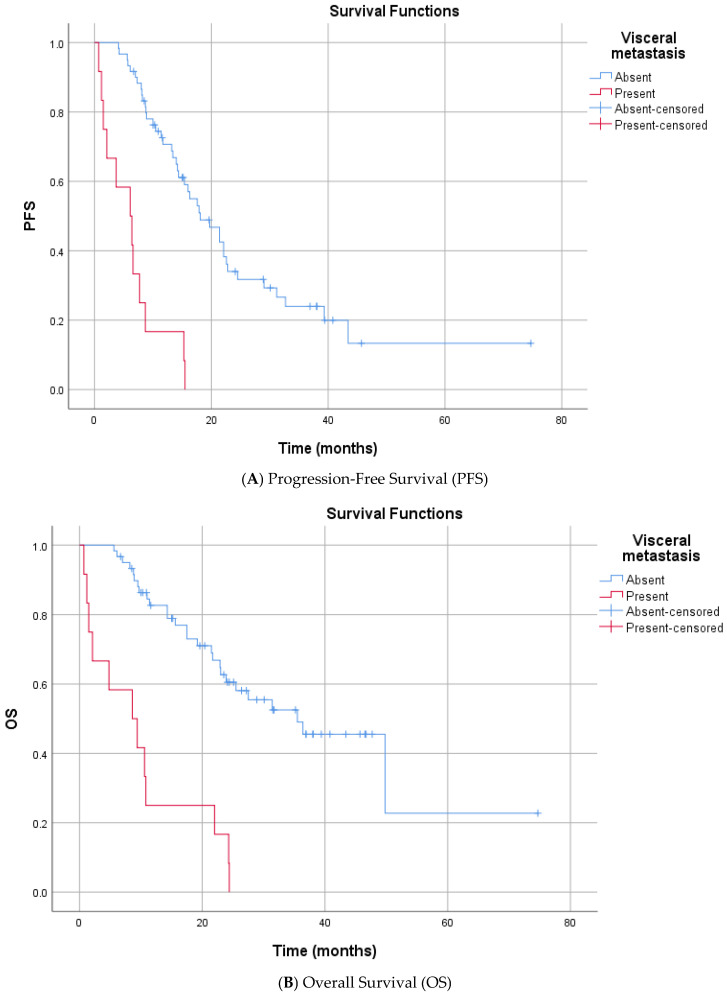 Figure 2
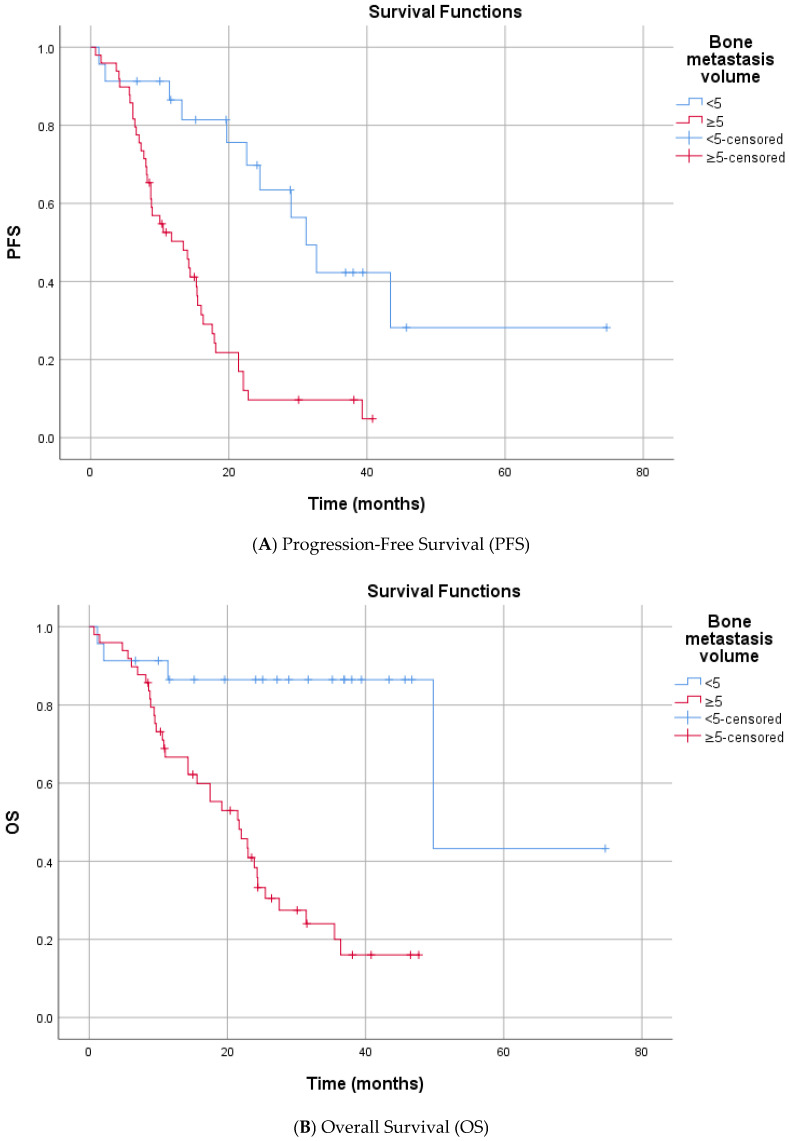 Figure 3
Peer Reviews
No public reviews on file for this paper yet. If you reviewed it on a platform where reviews are public (OpenReview, ICLR, NeurIPS, ICML), you can paste yours below so the community can read it here.
Videos
No videos yet. Explain this paper in a talk, walkthrough, or lecture? Add one.
Taxonomy
TopicsProstate Cancer Treatment and Research · Prostate Cancer Diagnosis and Treatment · Radiopharmaceutical Chemistry and Applications