Acute Effects of High-Velocity Interval Cycling Versus Continuous Moderate-Intensity Cycling on Cognitive Function in Patients with Mild Cognitive Impairment
Mari Bardopoulou, Costas Chryssanthopoulos, Evgenia D. Cherouveim, Evangelia Tzeravini, Evangelia Stanitsa, Maria Koustimpi, Eirini Chatzinikita, Irini Patsaki, Stelios Poulos, John Papatriantafyllou, Theodoros Vassilakopoulos, Maria Maridaki, Christos Consoulas

TL;DR
High-speed cycling sessions can temporarily boost cognitive abilities in people with mild cognitive impairment more effectively than moderate cycling.
Contribution
This study shows high-velocity interval cycling improves cognition in MCI patients with less effort than continuous cycling.
Findings
High-velocity interval cycling improved global cognition and executive functions in MCI patients.
Both cycling types improved cognition, but high-velocity cycling did so with lower cardiovascular strain.
Processing speed and psychomotor vigilance were not significantly affected by either exercise.
Abstract
What are the main findings? A single session of high-velocity, low-resistance interval cycling acutely improved global cognition, executive functions, and semantic fluency in patients with mild cognitive impairment (MCI).Both high-velocity interval cycling and continuous aerobic cycling elicited cognitive benefits, whereas effects on processing speed and psychomotor vigilance were limited. A single session of high-velocity, low-resistance interval cycling acutely improved global cognition, executive functions, and semantic fluency in patients with mild cognitive impairment (MCI). Both high-velocity interval cycling and continuous aerobic cycling elicited cognitive benefits, whereas effects on processing speed and psychomotor vigilance were limited. What are the implications of the main findings? Acute aerobic exercise may serve as a feasible non-pharmacological strategy to…
Genes, proteins, chemicals, diseases, species, mutations and cell lines named across the full text — each resolved to its canonical identifier and authoritative record.
Click any figure to enlarge with its caption.
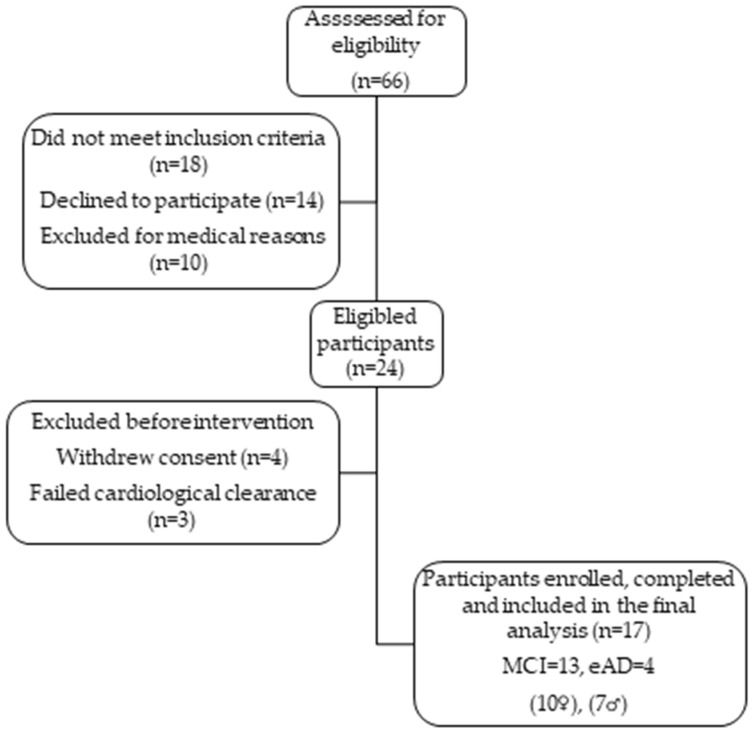 Figure 1
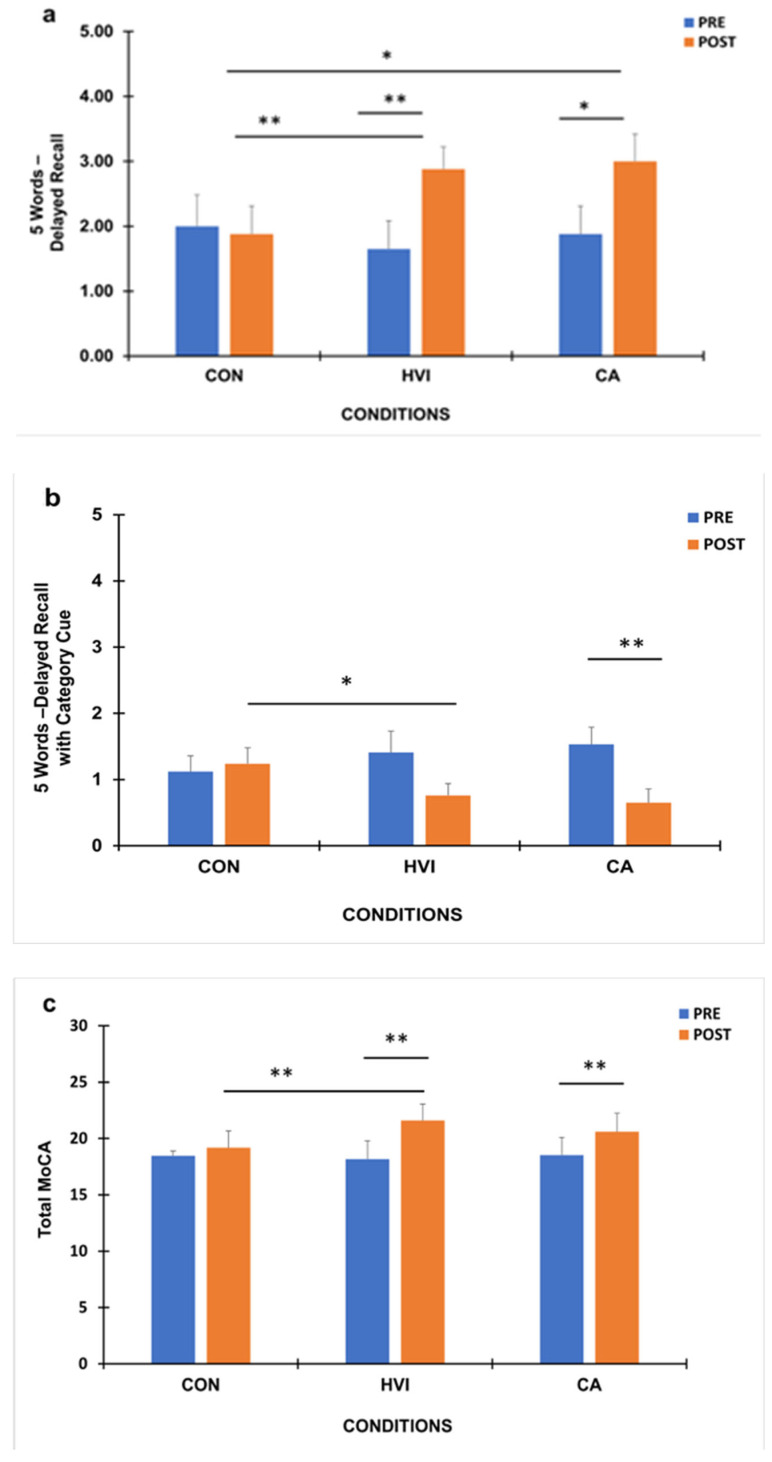 Figure 2
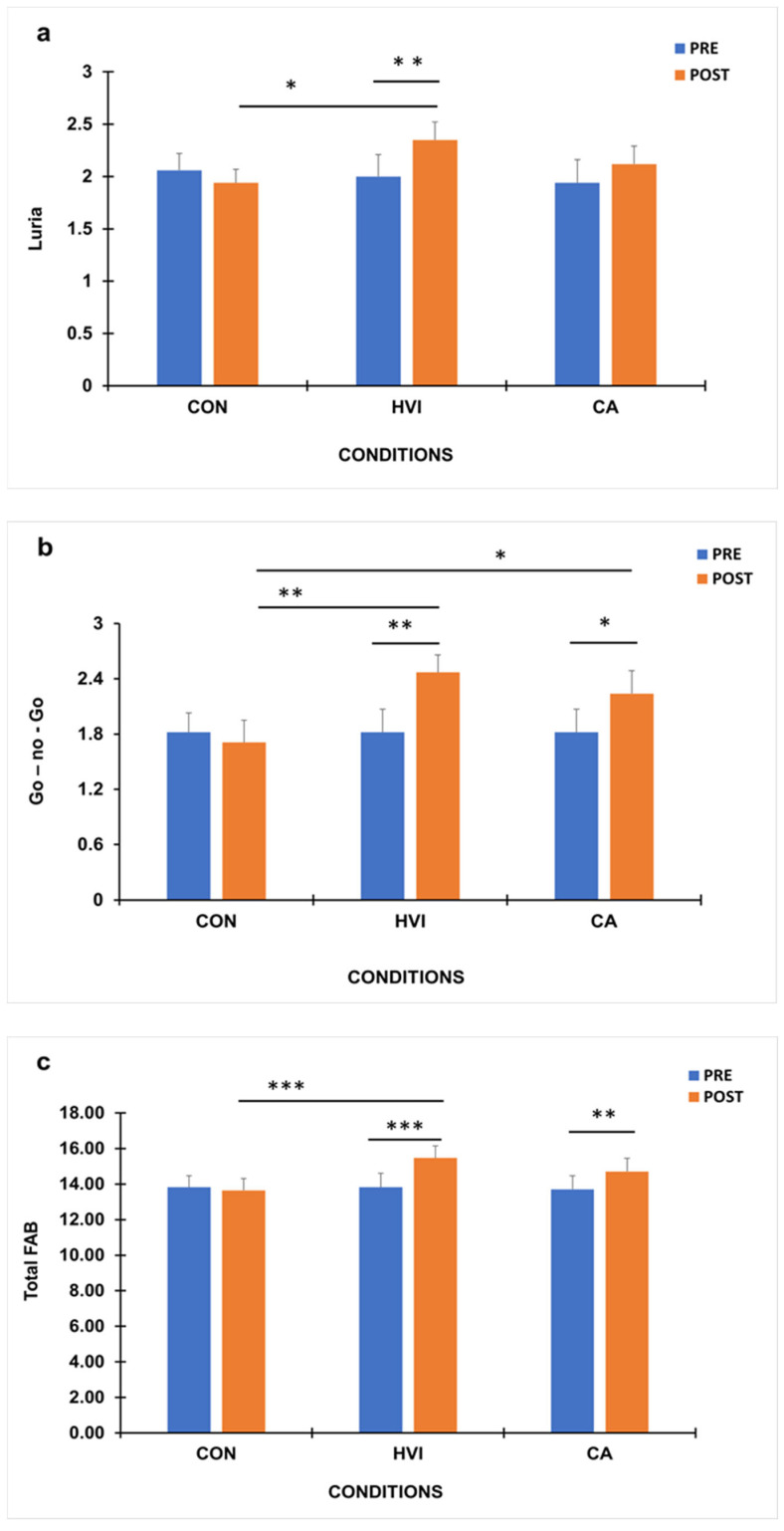 Figure 3
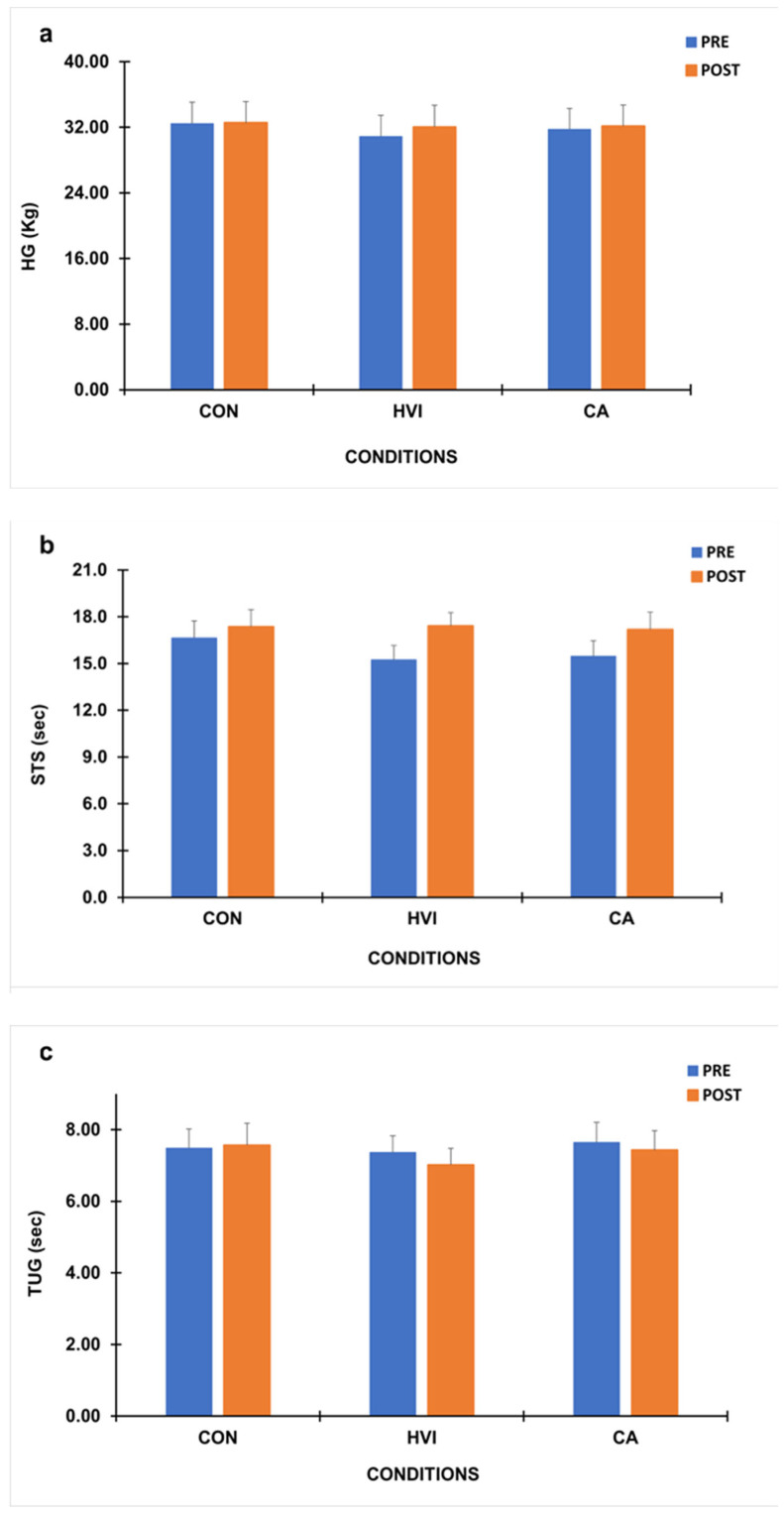 Figure 4
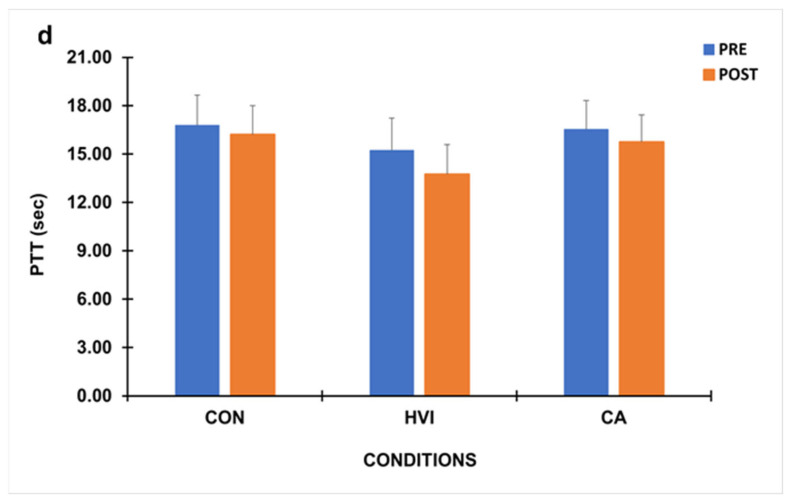 Figure 5
Peer Reviews
No public reviews on file for this paper yet. If you reviewed it on a platform where reviews are public (OpenReview, ICLR, NeurIPS, ICML), you can paste yours below so the community can read it here.
Videos
No videos yet. Explain this paper in a talk, walkthrough, or lecture? Add one.
Taxonomy
TopicsDementia and Cognitive Impairment Research · Cancer-related cognitive impairment studies · Balance, Gait, and Falls Prevention