The Impact of Fetal Growth Restriction on Myocardial Development from Fetal Life to Early Childhood: A Narrative Review
Savina Mannarino, Valeria Calcaterra, Vittoria Garella, Filippo Puricelli, Beatrice Baj, Antonia Quatrale, Cassandra Gazzola, Anna Nosvelli, Irene Raso, Gianvincenzo Zuccotti

TL;DR
Fetal growth restriction causes lasting heart changes detectable early and increases cardiovascular risk into adulthood.
Contribution
Highlights FGR as an early cardiovascular risk condition requiring lifelong monitoring and preventive strategies.
Findings
FGR causes reduced cardiomyocyte number, fibrosis, and altered ventricular geometry detectable in fetal life.
Advanced imaging reveals subclinical systolic–diastolic dysfunction and increased long-term cardiovascular and metabolic risks.
FGR is linked to adult hypertension, heart disease, and metabolic disorders due to early-life cardiac programming.
Abstract
What are the main findings? Fetal growth restriction (FGR) induces early and persistent myocardial remodeling, including reduced cardiomyocyte number, fibrosis, altered ventricular geometry, and subclinical systolic–diastolic dysfunction detectable from fetal life.These cardiac and vascular changes can be identified with advanced fetal and neonatal imaging and are associated with increased cardiovascular and metabolic risk from childhood to adulthood. Fetal growth restriction (FGR) induces early and persistent myocardial remodeling, including reduced cardiomyocyte number, fibrosis, altered ventricular geometry, and subclinical systolic–diastolic dysfunction detectable from fetal life. These cardiac and vascular changes can be identified with advanced fetal and neonatal imaging and are associated with increased cardiovascular and metabolic risk from childhood to adulthood. What are…
Genes, proteins, chemicals, diseases, species, mutations and cell lines named across the full text — each resolved to its canonical identifier and authoritative record.
Click any figure to enlarge with its caption.
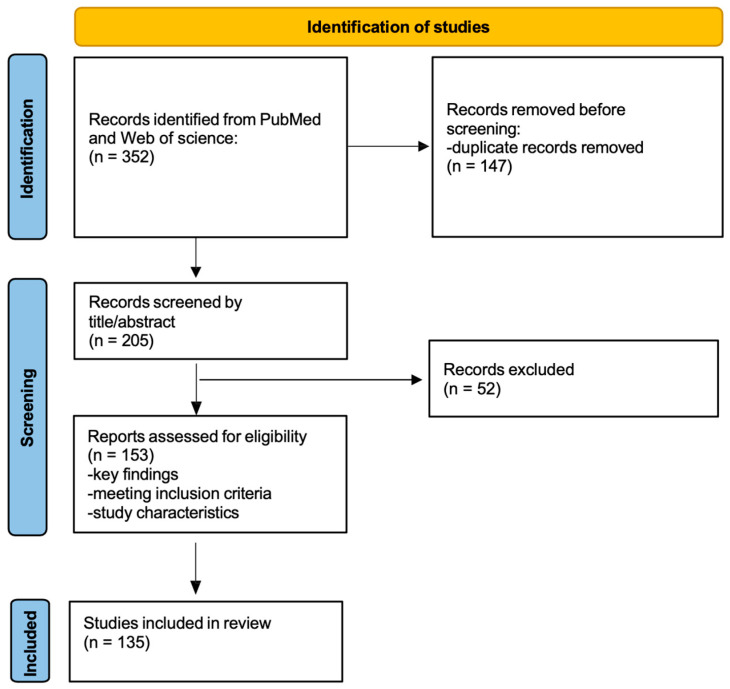 Figure 1
Peer Reviews
No public reviews on file for this paper yet. If you reviewed it on a platform where reviews are public (OpenReview, ICLR, NeurIPS, ICML), you can paste yours below so the community can read it here.
Videos
No videos yet. Explain this paper in a talk, walkthrough, or lecture? Add one.
Taxonomy
TopicsBirth, Development, and Health · Pregnancy and preeclampsia studies · Congenital heart defects research