Assessment of Homologous Recombination System Gene Expression in Chemologically Induced Carcinogenesis In Vivo Models
Matvey M. Tsyganov, Danna Zh. Bulatova, Anastasia A. Fedorenko, Dmitry M. Loos, Pavel E. Nikiforov, Irina A. Tsydenova, Aigerim A. Bayanbayeva, Zhansaya Sharipkhanova, Sofia S. Timoshenko, Marina K. Ibragimova

TL;DR
This study examines how chemical carcinogens affect DNA repair genes in mice, showing that reduced expression of these genes may contribute to tumor development.
Contribution
The study provides new insights into how chemical carcinogens influence homologous recombination gene expression during tumor progression in vivo.
Findings
Tumor formation in mice was associated with a 60% frequency of Brca1 deletions.
Fourteen genes, including Brca1 and Rad50, showed hypoexpression in tumor tissue compared to normal tissue.
Increased tumor mass correlated with higher frequencies of suppressed homologous recombination genes.
Abstract
Understanding the molecular mechanisms of carcinogenesis, including disruptions in the homologous recombination system, is fundamental to understanding malignant transformation. Dysfunction of homologous recombination genes, such as BRCA1 and BRCA2, contributes to genomic instability and the development of more aggressive tumor clones. The use of chemical carcinogens enables the modeling of tumor formation and the monitoring of changes in molecular genetic parameters. This approach is important for understanding how tumor cells adapt to genotoxic stress and for advancing the development of personalized cancer therapies. The objective of this study was to evaluate the expression of key homologous recombination system genes in a model of chemically induced carcinogenesis in mice. Materials and Methods: Male outbred ICR (CD-1) laboratory mice (n = 40) were used to study chemically induced…
Genes, proteins, chemicals, diseases, species, mutations and cell lines named across the full text — each resolved to its canonical identifier and authoritative record.
Click any figure to enlarge with its caption.
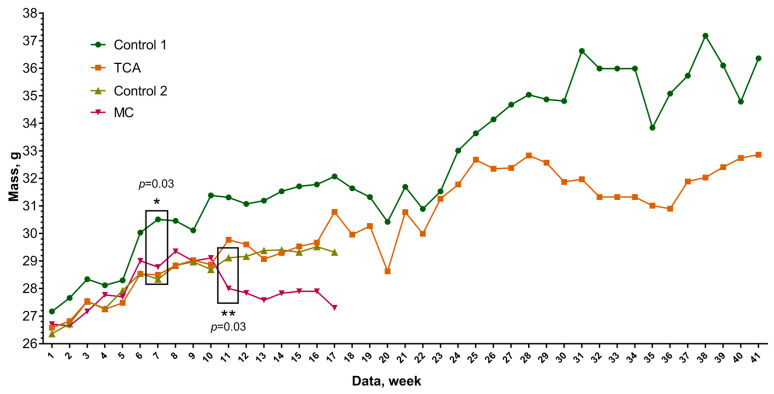 Figure 1
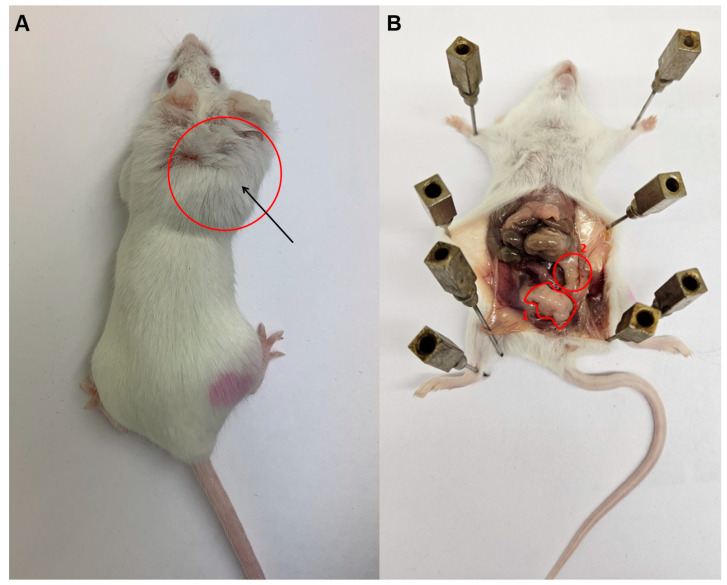 Figure 2
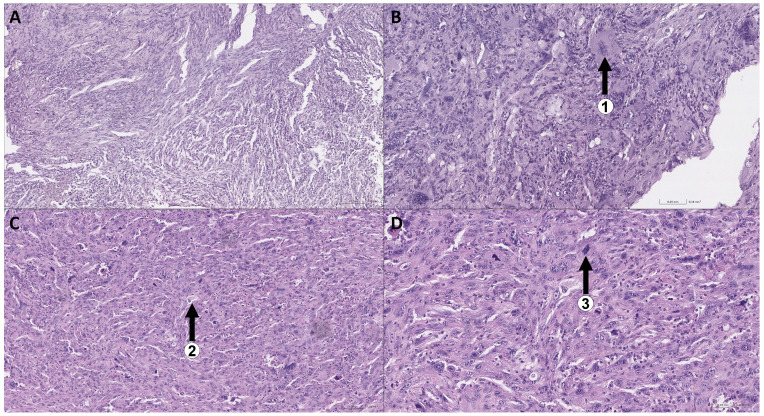 Figure 3
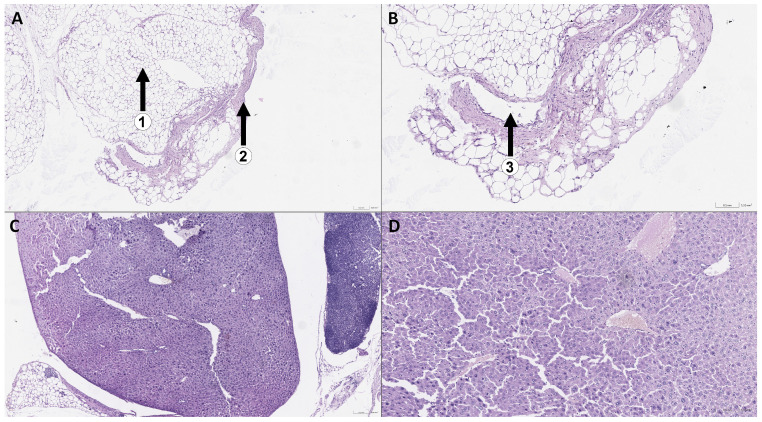 Figure 4
 Figure 5
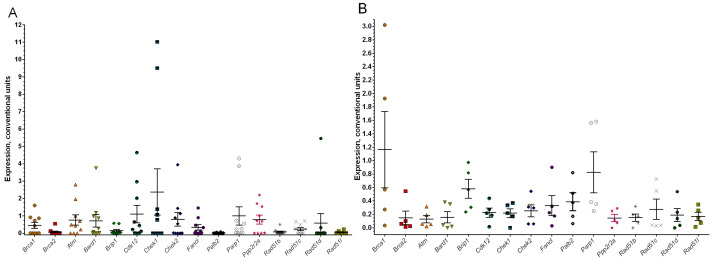 Figure 6
Peer Reviews
No public reviews on file for this paper yet. If you reviewed it on a platform where reviews are public (OpenReview, ICLR, NeurIPS, ICML), you can paste yours below so the community can read it here.
Videos
No videos yet. Explain this paper in a talk, walkthrough, or lecture? Add one.
Taxonomy
TopicsDNA Repair Mechanisms · PARP inhibition in cancer therapy · Carcinogens and Genotoxicity Assessment