Comparative Transcriptomic Analysis Reveals Key Pathways and Genes Involved in Late-Acting Self-Incompatibility in Akebia trifoliata
Huai Yang, Jie Li, Rui Han, Xiaoxiao Yi, Chen Chen, Peigao Luo

TL;DR
This study identifies key genes and pathways involved in late-acting self-incompatibility in Akebia trifoliata, offering insights for improving its breeding efficiency.
Contribution
The study reveals the molecular mechanisms of late-acting self-incompatibility in Akebia trifoliata through comparative transcriptomics.
Findings
Differentially expressed genes were enriched in MAPK signaling, hormone transduction, and ubiquitin pathways.
Self-pollinated pistils showed restricted pollen tube spread and differential gene expression at 48 and 96 hours.
The results suggest late-acting self-incompatibility occurs within the pollen tube and resembles S-RNase-mediated mechanisms.
Abstract
Self-incompatibility (SI) is a key reproductive mechanism in angiosperms that prevents self-fertilization and promotes genetic diversity while limiting breeding efficiency. Akebia trifoliata is a recently domesticated economic crop native to East Asia with medicinal, edible, and oil-producing value. However, its late-acting self-incompatibility (LSI) severely limits genetic improvement and commercial development. To investigate the molecular basis of LSI, we conducted comparative transcriptomic analyses of pistils at 48, 96, 144, 192, and 240 h after self- and cross-pollination, identifying 1552, 2954, 1302, 814, and 1978 differentially expressed genes (DEGs), respectively. DEGs were consistently enriched in mitogen-activated protein kinase (MAPK) signaling, plant hormone signal transduction, and ubiquitin-mediated proteolysis pathways, with clear transcriptional differences before and…
Genes, proteins, chemicals, diseases, species, mutations and cell lines named across the full text — each resolved to its canonical identifier and authoritative record.
Click any figure to enlarge with its caption.
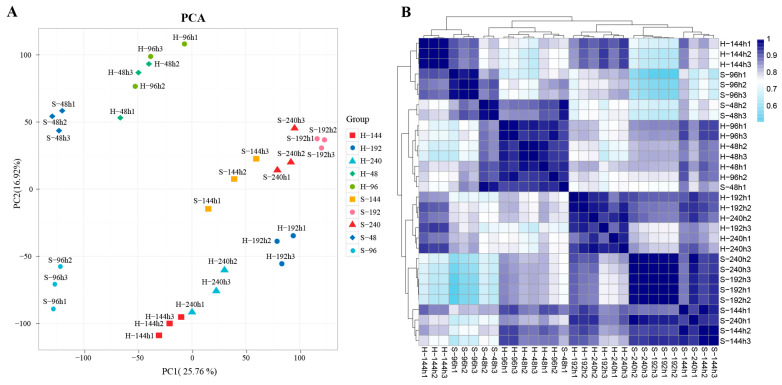 Figure 1
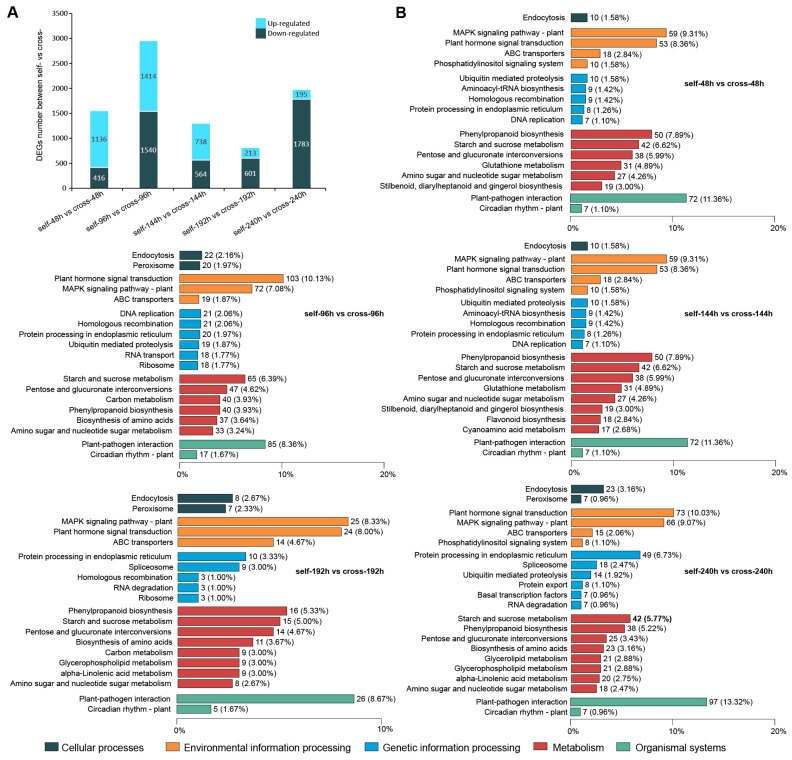 Figure 2
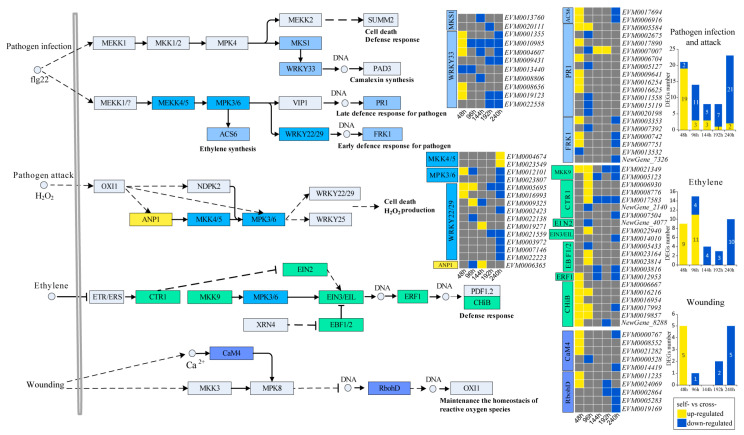 Figure 3
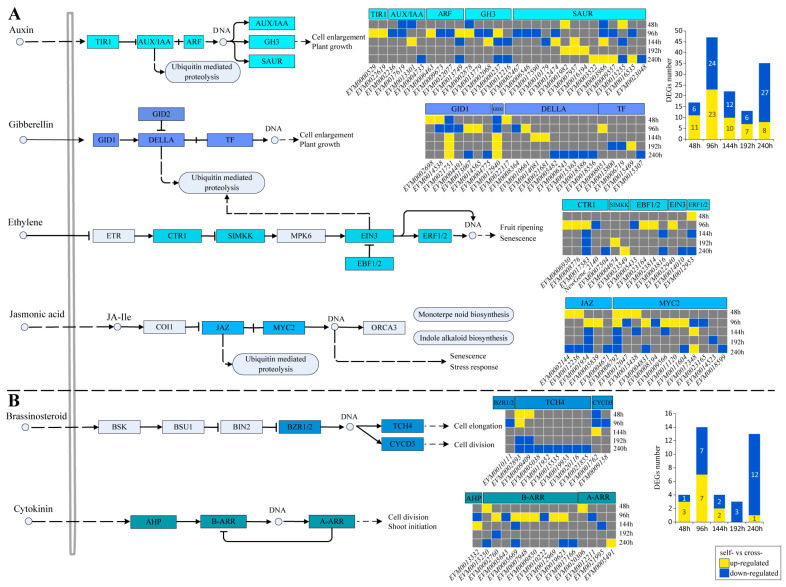 Figure 4
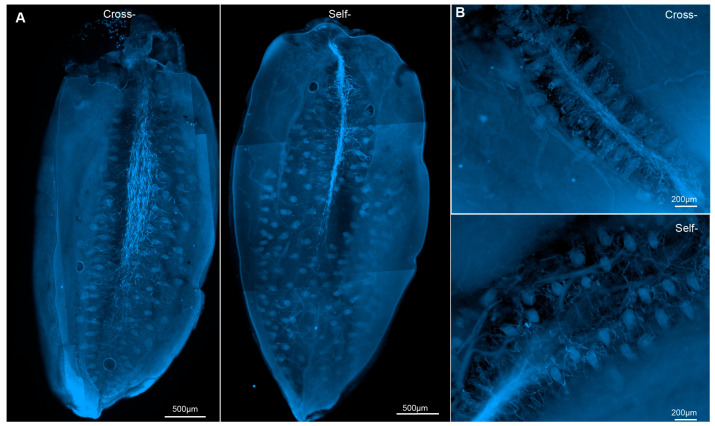 Figure 5
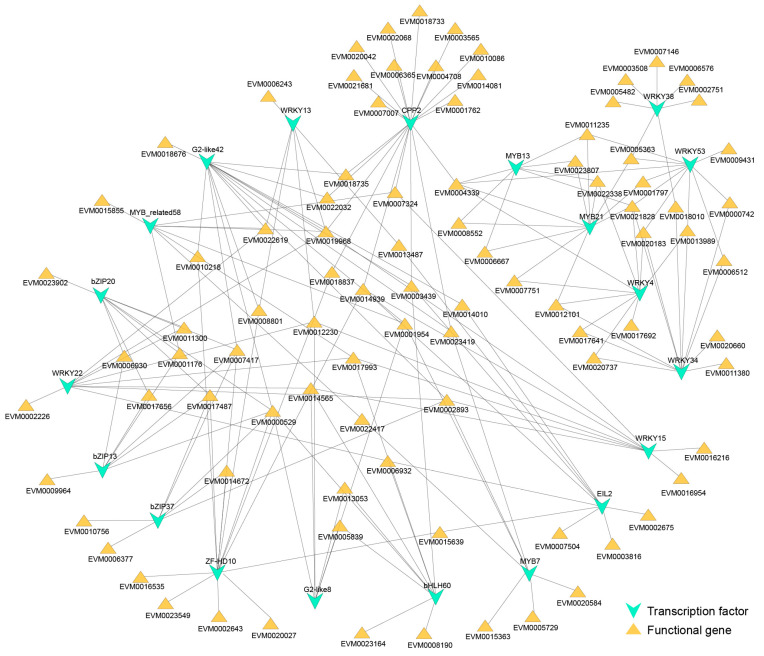 Figure 6
Peer Reviews
No public reviews on file for this paper yet. If you reviewed it on a platform where reviews are public (OpenReview, ICLR, NeurIPS, ICML), you can paste yours below so the community can read it here.
Videos
No videos yet. Explain this paper in a talk, walkthrough, or lecture? Add one.
Taxonomy
TopicsPlant Reproductive Biology · Plant and animal studies · Plant Molecular Biology Research