First Reported Use of Recombinant Parathyroid Hormone in Kenny–Caffey Syndrome Type 2: A Case Report and Literature Review
Maja Djordjevic Milosevic, Anita Skakic, Marina Andjelkovic, Angelica Maria Delgado-Vega, Håkan Thonberg, Kristel Klaassen, Jovana Komazec, Bozica Kecman, Nikola Jocic, Erik Björck, Anna Lindstrand, Maja Stojiljkovic

TL;DR
This paper reports the first use of recombinant parathyroid hormone in a child with Kenny–Caffey syndrome type 2, a rare genetic disorder, and reviews its potential benefits.
Contribution
The first documented use of rhPTH in a child with KCS2 and a novel genetic variant in FAM111A.
Findings
rhPTH was successfully used in a 2-month-old child with KCS2 for 14 months.
A de novo p.Ser541Pro variant in the FAM111A gene was identified as the cause of KCS2 in the patient.
rhPTH may offer therapeutic benefits in KCS2 due to its potential to address parathyroid dysfunction.
Abstract
Background/Objectives: Hypoparathyroidism (HPT) is a disorder caused by the insufficient production of parathyroid hormone (PTH). Its main features include decreased serum calcium, increased serum phosphorus, and abnormal bone modeling. In children, HPT is most commonly due to genetic disorders. Among rare genetic syndromes that can include HPT in their clinical spectrum is Kenny–Caffey syndrome (KCS) type 2. Conventional therapy for HPT primarily consists of oral calcium and active vitamin D metabolites. The major limitation of conventional therapy is hypercalciuria with an increased risk of nephrocalcinosis. However, a subset of patients fails to achieve the desired therapeutic response to conventional treatment; the reasons for this remain incompletely understood in some cases. The failure to achieve therapeutic targets and persistent hypercalciuria are the main indications for…
Genes, proteins, chemicals, diseases, species, mutations and cell lines named across the full text — each resolved to its canonical identifier and authoritative record.
Click any figure to enlarge with its caption.
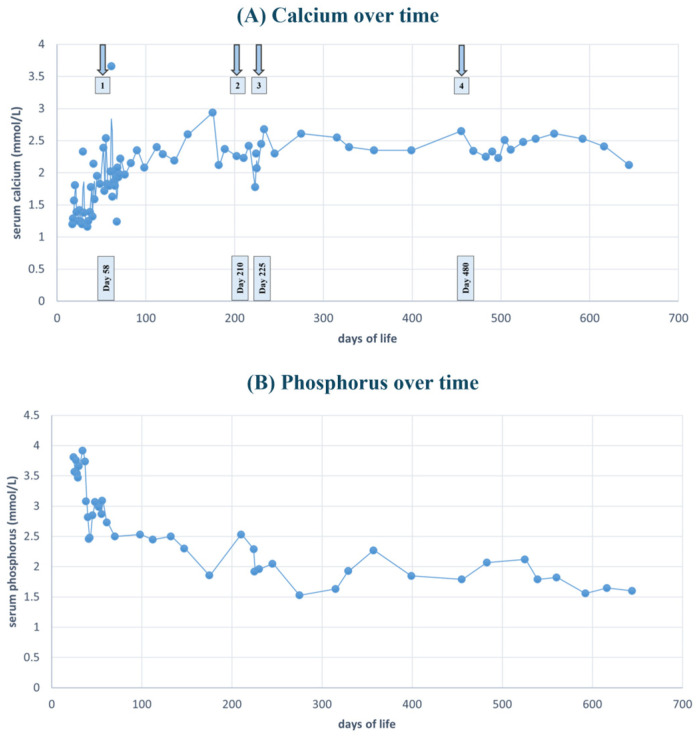 Figure 1
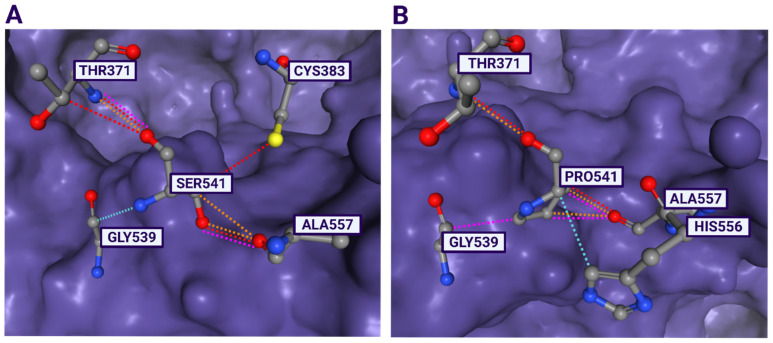 Figure 2
Peer Reviews
No public reviews on file for this paper yet. If you reviewed it on a platform where reviews are public (OpenReview, ICLR, NeurIPS, ICML), you can paste yours below so the community can read it here.
Videos
No videos yet. Explain this paper in a talk, walkthrough, or lecture? Add one.
Taxonomy
TopicsCongenital heart defects research · Congenital Heart Disease Studies · Pectus Deformity Diagnosis and Treatment