Impact of Sustainable Manufacturing Processes on the Rheological and Microstructural Stability of Biopolymer-Stabilized Oil-in-Water Emulsions
Marlène Lartigue, Claire Dang, Céline Saure, Sophie Cambos, Alicia Roso

TL;DR
This study examines how sustainable manufacturing methods affect the stability and flow properties of oil-in-water emulsions stabilized with biopolymers.
Contribution
The study shows that sustainable processes can maintain or even improve emulsion stability compared to traditional methods for several biopolymers.
Findings
Sustainable methods like one-pot and hot-cold processes maintained stability for most biopolymers.
Tara gum, glucomannan, and cross-linked xanthan gum showed beneficial flow profiles with sustainable processes.
The one-pot process should be avoided for co-processed acacia/xanthan gum due to structural degradation.
Abstract
This work investigated the impact of energy-efficient and water-saving manufacturing procedures—specifically one-pot and hot-cold processes—on the rheological and microstructural stability of oil-in-water (O/W) emulsions (emulgels) stabilized by four distinct biopolymers and benchmarked against a synthetic polymer. Emulgels produced using these sustainable methods were directly compared against a traditional hot process. Results demonstrated that for most biopolymers, including tara gum, glucomannan, and cross-linked xanthan gum, the sustainable manufacturing procedures did not compromise overall stability and often provided beneficial polymer-specific flow profiles, such as reduced thixotropy or enhanced shear-thinning. A notable exception was the co-processed acacia/xanthan gum, where rheological data indicated that the one-pot process should be avoided due to structural degradation.…
Genes, proteins, chemicals, diseases, species, mutations and cell lines named across the full text — each resolved to its canonical identifier and authoritative record.
Click any figure to enlarge with its caption.
 Figure 1
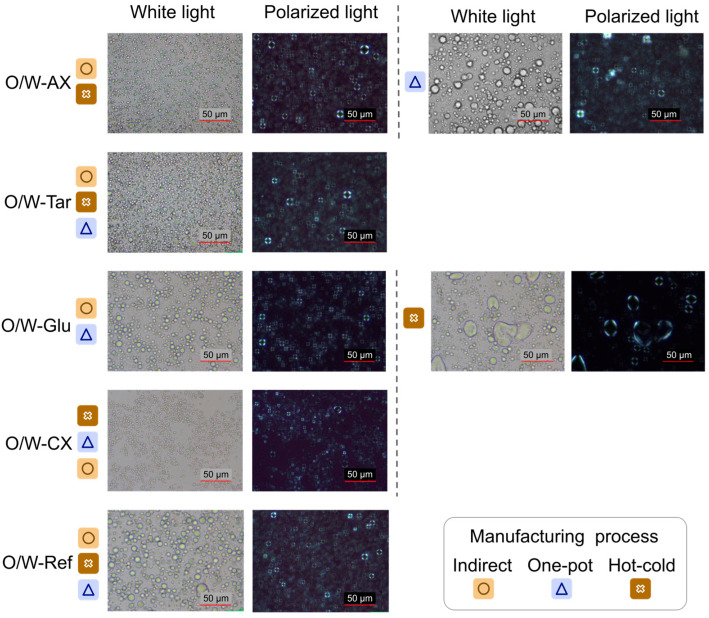 Figure 2
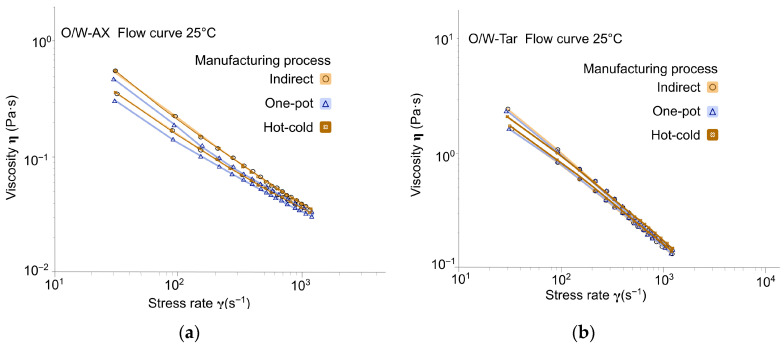 Figure 3
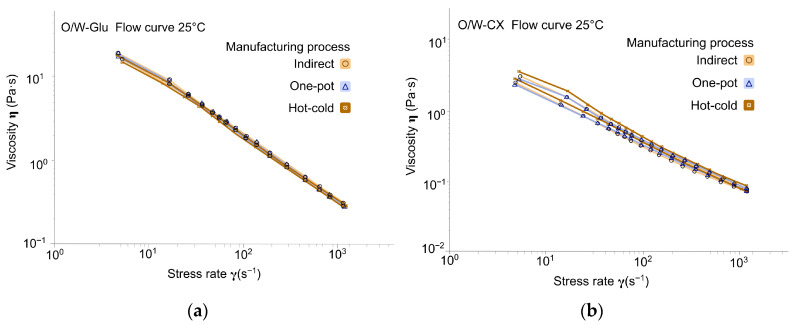 Figure 4
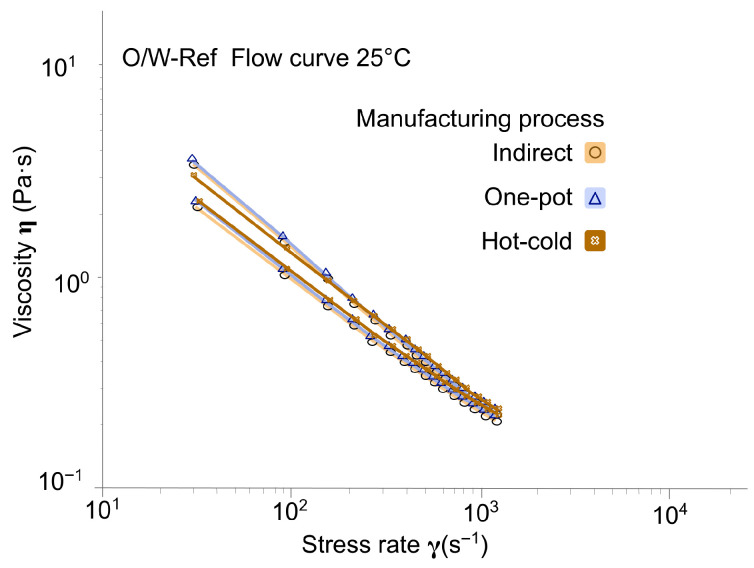 Figure 5
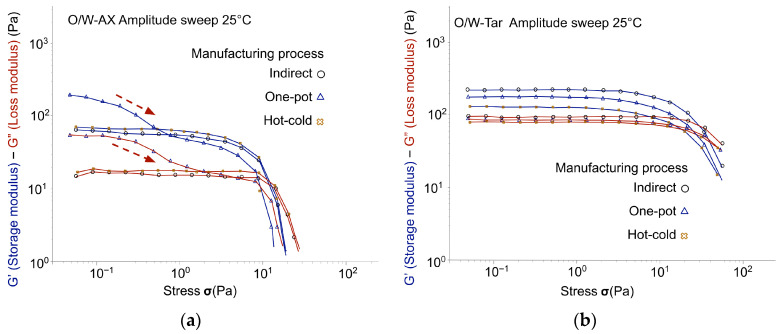 Figure 6
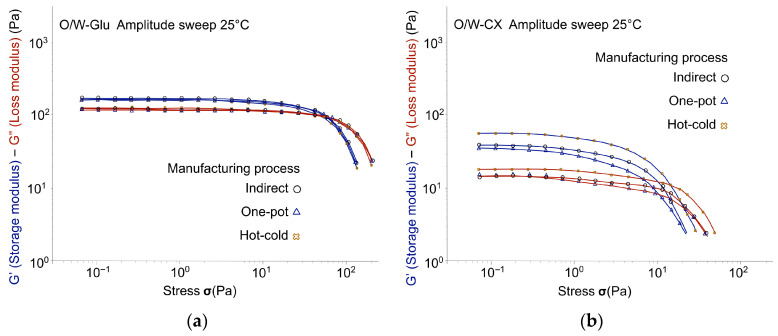 Figure 7
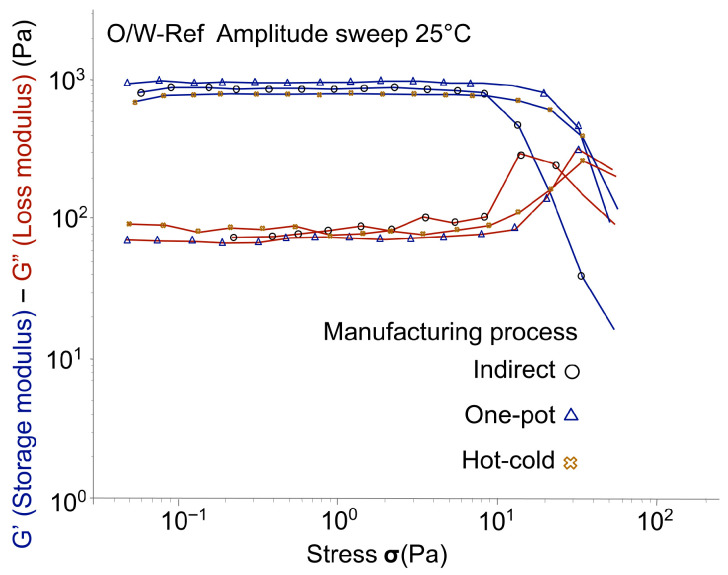 Figure 8
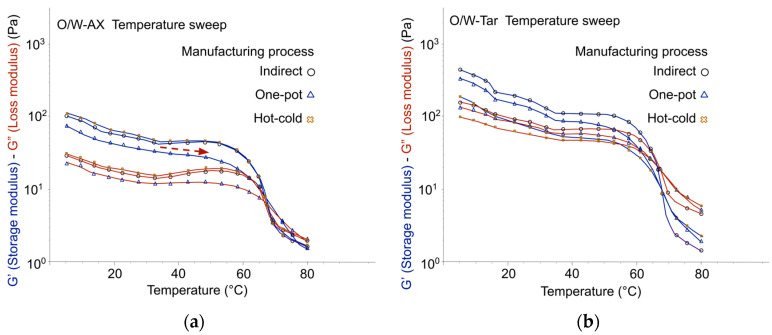 Figure 9
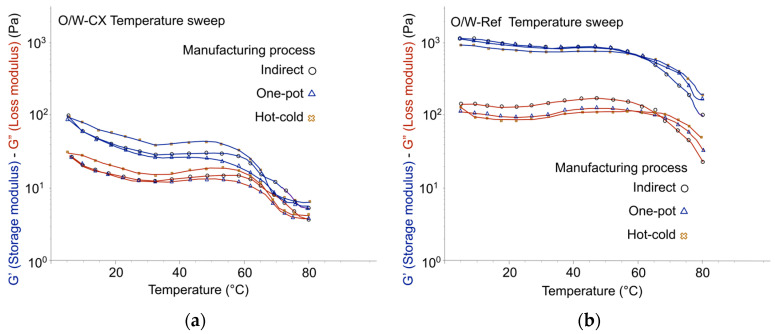 Figure 10
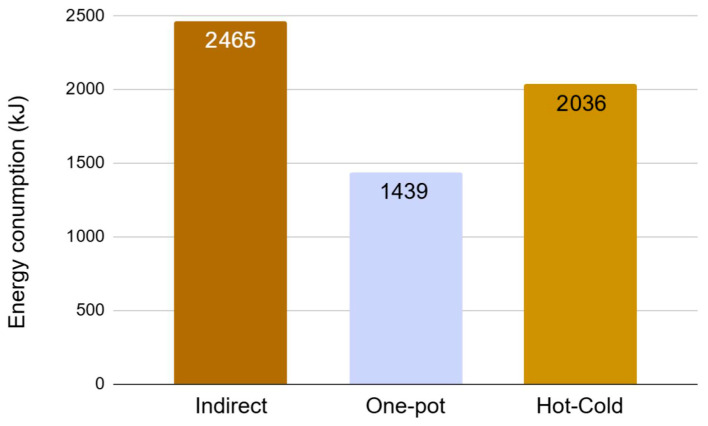 Figure 11
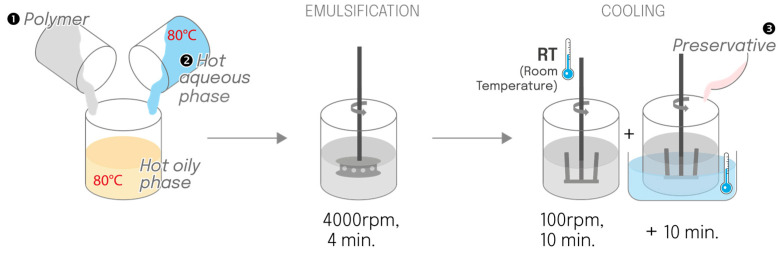 Figure 12
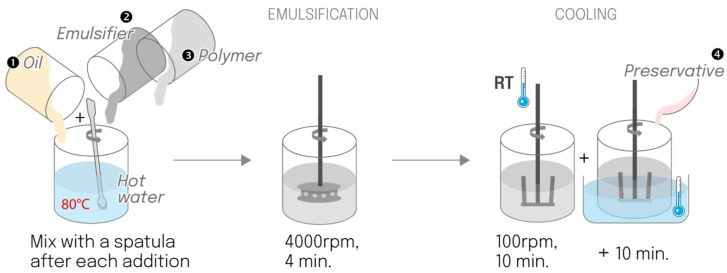 Figure 13
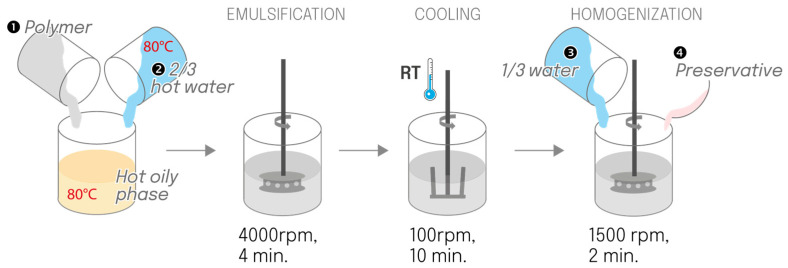 Figure 14
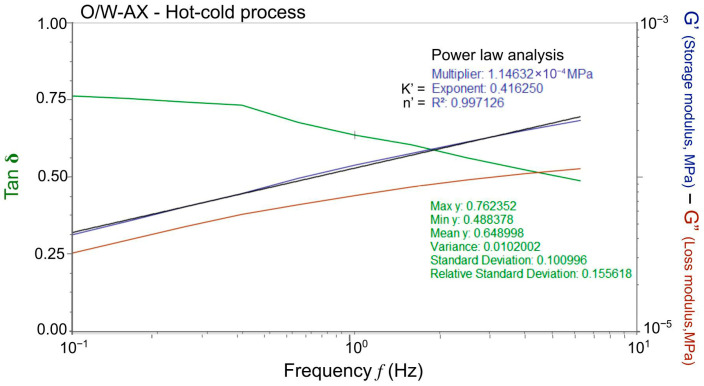 Figure 15
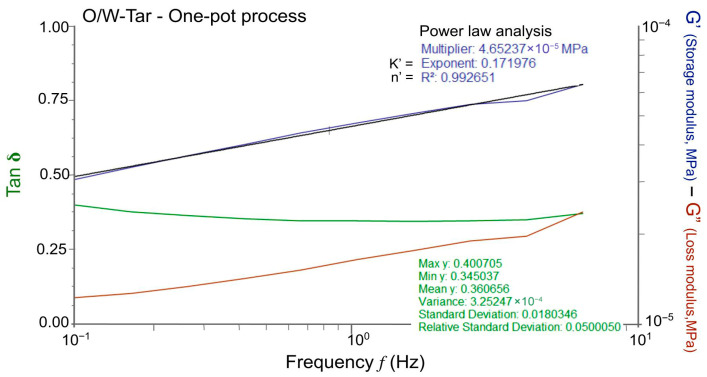 Figure 16
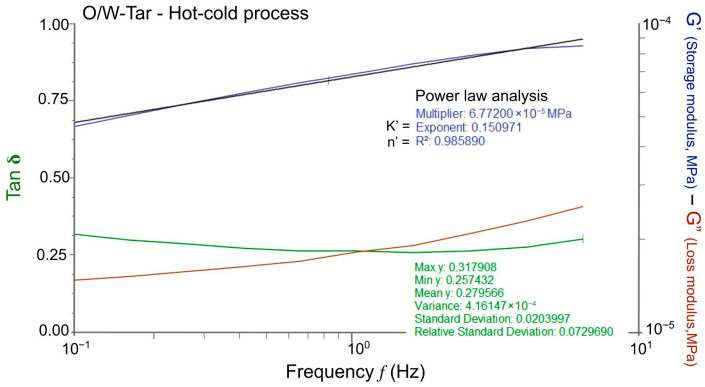 Figure 17
Peer Reviews
No public reviews on file for this paper yet. If you reviewed it on a platform where reviews are public (OpenReview, ICLR, NeurIPS, ICML), you can paste yours below so the community can read it here.
Videos
No videos yet. Explain this paper in a talk, walkthrough, or lecture? Add one.
Taxonomy
TopicsPolysaccharides Composition and Applications · Proteins in Food Systems · Food Chemistry and Fat Analysis