Fully Automated Serum LC-MS/MS Platform and Pediatric Reference Intervals for Organic Acids, Amino Acids, and Acylcarnitines in Children (Ages 0–6 Years): Toward Quantitative Diagnosis of Inborn Errors of Metabolism
Yasushi Ueyanagi, Daiki Setoyama, Tsuyoshi Nakanishi, Yuichi Mushimoto, Vlad Tocan, Hironori Kobayashi, Miki Matsui, Shinya Matsumoto, Akiyoshi Fujishima, Taeko Hotta, Ayumi Sakata, Yuya Kunisaki

TL;DR
A new automated blood test platform can detect metabolic disorders in children by measuring multiple metabolites at once, improving diagnosis speed and accuracy.
Contribution
A fully automated serum-based LC–MS/MS platform with pediatric reference intervals for integrated metabolic profiling in children.
Findings
The platform simultaneously quantifies 54 metabolites with high precision and accuracy.
Pediatric reference intervals enabled effective interpretation of metabolic abnormalities in IEM patients.
Z-score models successfully distinguished major IEM categories like organic acidemias and fatty acid oxidation disorders.
Abstract
Background/Objectives: Conventional diagnosis of inborn errors of metabolism (IEMs) requires multiple specimen types—urine organic acids, plasma amino acids, and serum acylcarnitines—analyzed on distinct analytical platforms. This multi-assay approach is labor-intensive and limits timely clinical decision making. We aimed to develop a fully automated serum-based LC–MS/MS platform for integrated quantitative metabolite profiling and to establish pediatric reference intervals (RIs) to support diagnostic interpretation. Methods: A fully automated LC–MS/MS system integrated with the CLAM-2030 automated pretreatment module was developed to enable simultaneous quantification of 25 organic acids, 8 amino acids, and 21 acylcarnitines. Analytical performance was assessed for linearity, limits of detection and quantification, precision and accuracy. Serum samples from 296 non-IEM children aged…
Genes, proteins, chemicals, diseases, species, mutations and cell lines named across the full text — each resolved to its canonical identifier and authoritative record.
Click any figure to enlarge with its caption.
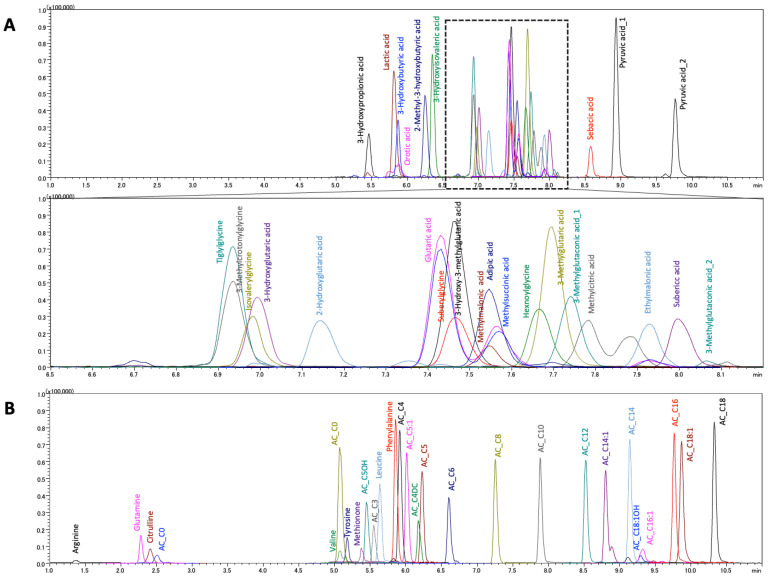 Figure 1
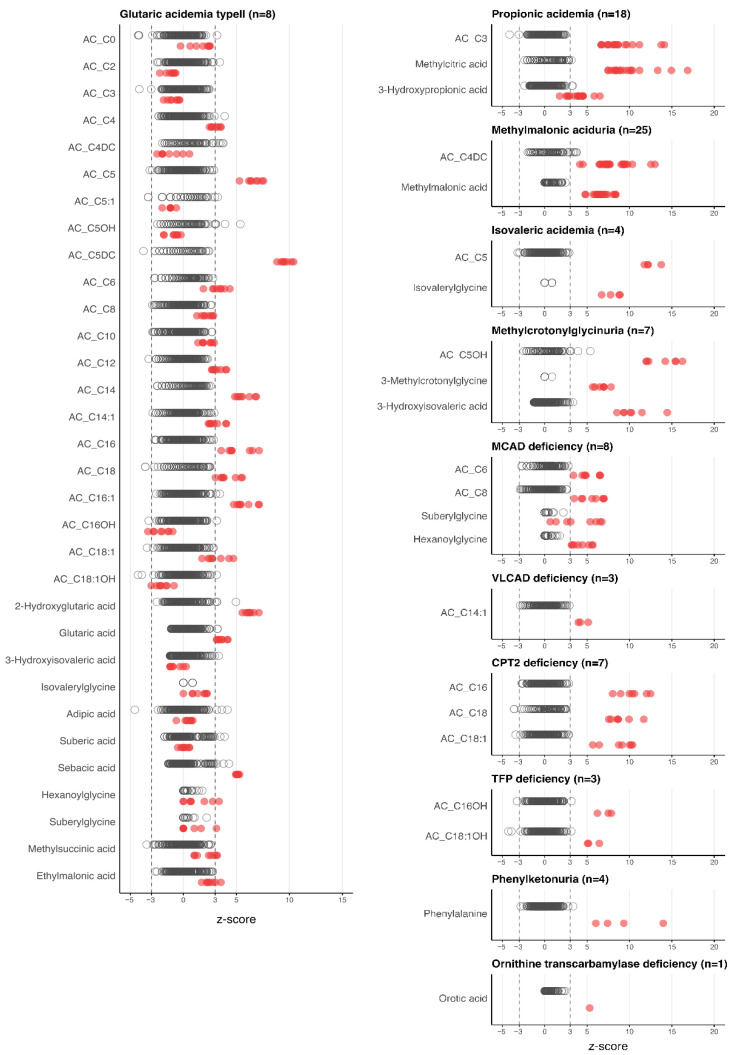 Figure 2
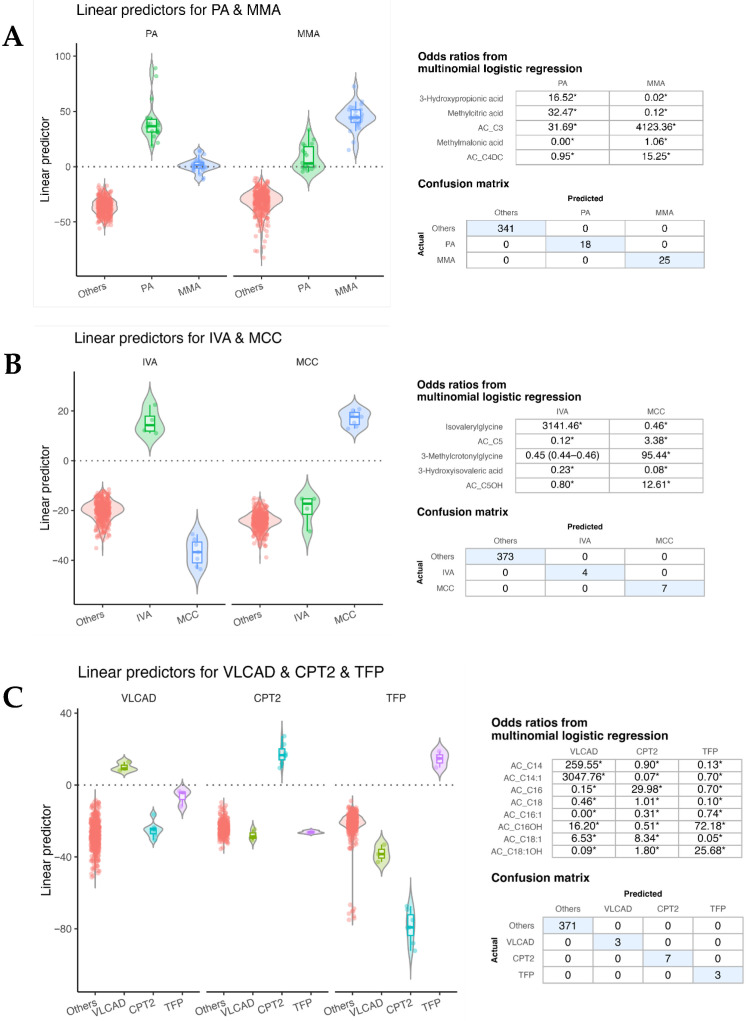 Figure 3
Peer Reviews
No public reviews on file for this paper yet. If you reviewed it on a platform where reviews are public (OpenReview, ICLR, NeurIPS, ICML), you can paste yours below so the community can read it here.
Videos
No videos yet. Explain this paper in a talk, walkthrough, or lecture? Add one.
Taxonomy
TopicsMetabolism and Genetic Disorders · Metabolomics and Mass Spectrometry Studies · Muscle metabolism and nutrition