Force Metrics During the Boyle–Davis Gag in Children Undergoing Adenotonsillectomy
Enriqueta Arevalo Asensio, Anelise Schifino Wolmeister, Thomas Engelhardt, Sam J. Daniel, Samuel D. F. Wasserman, Gianluca Bertolizio

TL;DR
The study found that the force used during a surgical tool called Boyle–Davis Gag in children's throat surgery is not linked to pain or opioid use afterward.
Contribution
This study is the first to measure force metrics during the Boyle–Davis Gag in children and assess their relation to postoperative outcomes.
Findings
Intraoperative force metrics are not associated with opioid requirements, emergence delirium, or hypoactive delirium.
Suspension time is weakly and inversely associated with postoperative pain severity.
Force metrics during the Boyle–Davis Gag are low in children compared to adults.
Abstract
What are the main findings? There is no association between intraoperative force metrics and opioid requirements, emergence delirium, or hypoactive delirium following adenotonsillectomy in pediatric patients.Suspension time is weakly and inversely associated with the severity of postoperative pain. There is no association between intraoperative force metrics and opioid requirements, emergence delirium, or hypoactive delirium following adenotonsillectomy in pediatric patients. Suspension time is weakly and inversely associated with the severity of postoperative pain. What are the implications of the main findings? This study provides initial reference values of force measurements of the Boyle–Davis Gag suspension during adenotonsillectomy in children.Routine monitoring of force during Boyle–Davis Gag suspension may not be useful in decreasing postoperative opioid consumption and pain…
Genes, proteins, chemicals, diseases, species, mutations and cell lines named across the full text — each resolved to its canonical identifier and authoritative record.
Click any figure to enlarge with its caption.
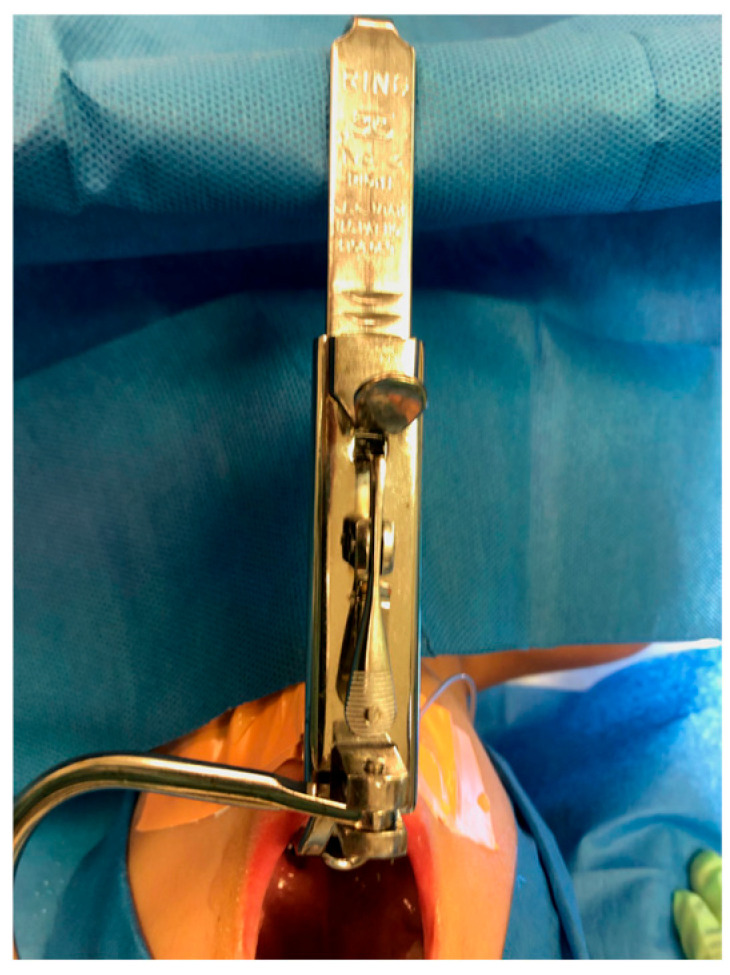 Figure 1
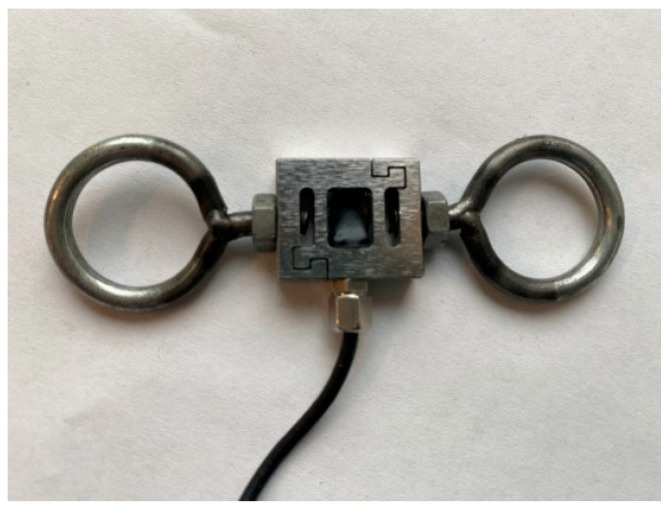 Figure 2
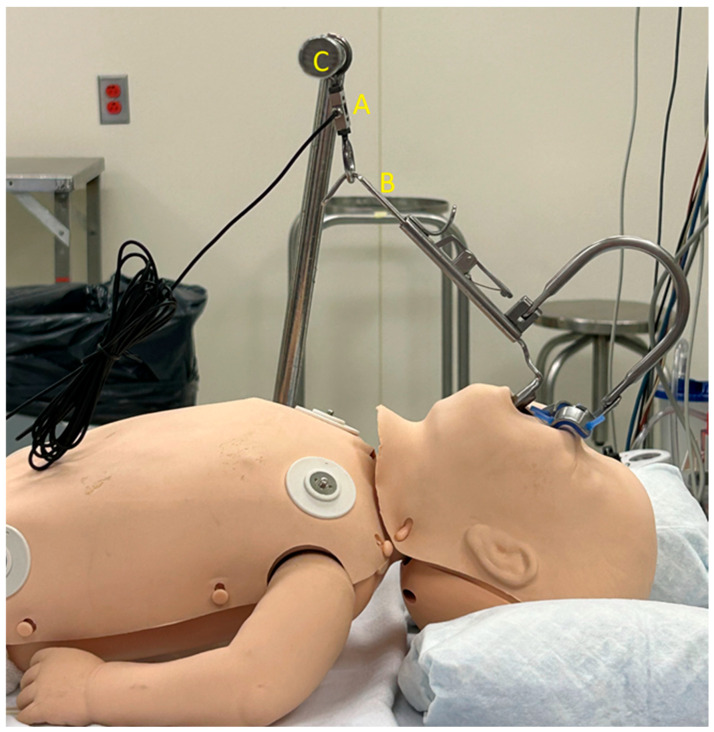 Figure 3
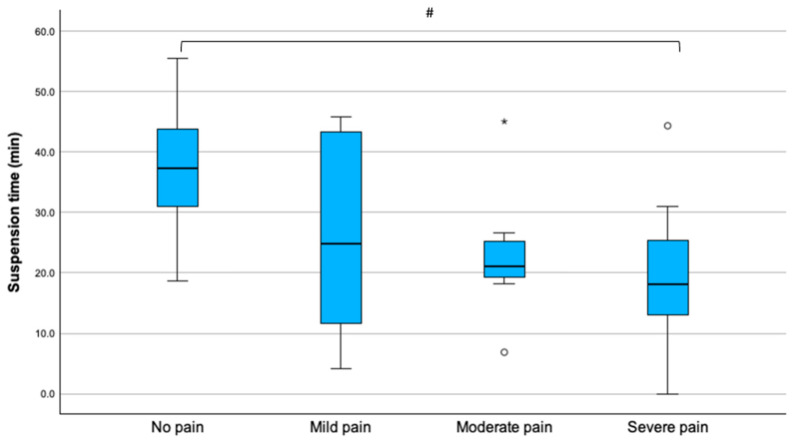 Figure 4
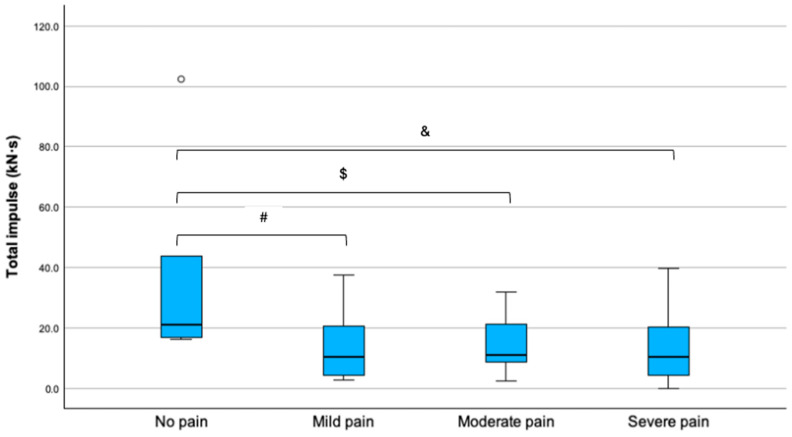 Figure 5
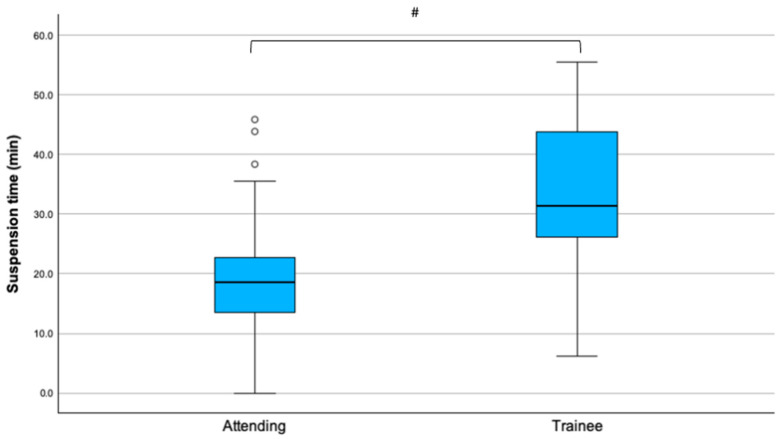 Figure 6
Peer Reviews
No public reviews on file for this paper yet. If you reviewed it on a platform where reviews are public (OpenReview, ICLR, NeurIPS, ICML), you can paste yours below so the community can read it here.
Videos
No videos yet. Explain this paper in a talk, walkthrough, or lecture? Add one.
Taxonomy
TopicsIntensive Care Unit Cognitive Disorders · Pediatric Pain Management Techniques · Anesthesia and Sedative Agents