Targeted Medical Therapy for Vestibular Schwannomas: Evidence, Limits, and Future Directions—A Scoping Review
Athena Eliana Arsie, Carlotta Muneretto, Matteo Seno, Marta Gaffeo, Riccardo Nocini, Luca Sacchetto, Silvia Palma, Daniele Monzani

TL;DR
This review evaluates the effectiveness and safety of targeted drug therapies for vestibular schwannomas, especially in patients with neurofibromatosis 2.
Contribution
The paper provides a comprehensive scoping review of targeted therapies for VSs, highlighting bevacizumab as the most effective option.
Findings
Bevacizumab showed consistent tumor control and hearing improvement with manageable side effects.
Other targeted agents like everolimus and TKIs had limited or variable efficacy.
Stopping treatment often leads to tumor rebound, suggesting the need for long-term strategies.
Abstract
Background: Vestibular schwannomas (VSs) are benign tumors that can cause significant morbidity, particularly in neurofibromatosis 2 (NF2) patients, in whom conventional treatments have important limitations. Merlin is a tumor suppressor protein encoded by the Neurofibromin 2 (NF2) gene, and the loss of its function leads to the activation of multiple signaling pathways, providing a rationale for targeted pharmacological therapies. Agents such as bevacizumab and other receptor tyrosine kinase inhibitors (TKIs) have shown variable efficacy but remain limited by toxicity and inconsistent responses. This review aims to evaluate the efficacy and safety of targeted therapies for VSs. Methods: This study was conducted according to PRISMA 2020 guidelines, using a PICO-based search of PubMed, EMBASE, and Scopus to identify studies on pharmacological therapies for VSs published between 2000 and…
Genes, proteins, chemicals, diseases, species, mutations and cell lines named across the full text — each resolved to its canonical identifier and authoritative record.
Click any figure to enlarge with its caption.
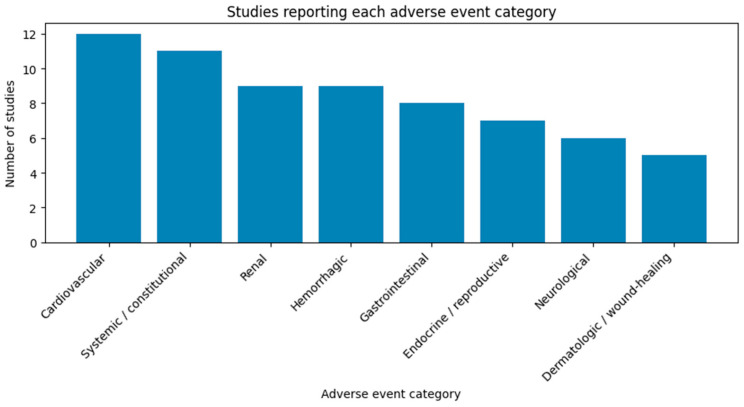 Figure 1
Peer Reviews
No public reviews on file for this paper yet. If you reviewed it on a platform where reviews are public (OpenReview, ICLR, NeurIPS, ICML), you can paste yours below so the community can read it here.
Videos
No videos yet. Explain this paper in a talk, walkthrough, or lecture? Add one.
Taxonomy
TopicsMeningioma and schwannoma management · Neurofibromatosis and Schwannoma Cases · Facial Nerve Paralysis Treatment and Research