Deep Learning-Derived Pathomic Features Predict NCIT Efficacy in Resectable Locally Advanced ESCC: Clinical Utility and Mechanistic Insights
Kunrui Zhu, Jie Tong, Yaqi Duan, Yiming Li, Yanqi Feng, Yuelin Han, Xiangtian Xiao, Zhuoyan Han, Shu Xia

TL;DR
A deep learning model predicts treatment response in esophageal cancer patients and identifies a potential new target to improve immunotherapy effectiveness.
Contribution
A novel AI-driven pathomic model for predicting neoadjuvant chemoimmunotherapy response in ESCC, with mechanistic insights into immunotherapy resistance.
Findings
The integrated model achieved high accuracy (AUC = 0.897) in predicting treatment response using pathomic features and clinical variables.
High ECiT scores correlate with immune activation, while low scores are linked to ER stress and UPR activation, suggesting a role in immunotherapy resistance.
EIF2S3 is identified as a key mediator of UPR activation and poor prognosis, offering a potential therapeutic target.
Abstract
Esophageal squamous cell carcinoma exhibits high mortality and limited therapeutic options. While immune checkpoint inhibitors improve outcomes, identifying non-responders to neoadjuvant chemoimmunotherapy remains urgent. This study developed a predictive model for treatment efficacy using deep learning and real-world cohort data, with mechanism exploration via TCGA datasets. Integrating histopathological images and clinical variables, the model demonstrated a robust performance and revealed associations between treatment response, immune activation, and specific cellular processes. These findings offer insights that may inform personalized therapeutic strategies and improve the understanding of potential mechanisms underlying immunotherapy resistance. Background: Esophageal squamous cell carcinoma (ESCC) is the predominant subtype of esophageal cancer, with poor outcomes following…
Genes, proteins, chemicals, diseases, species, mutations and cell lines named across the full text — each resolved to its canonical identifier and authoritative record.
Click any figure to enlarge with its caption.
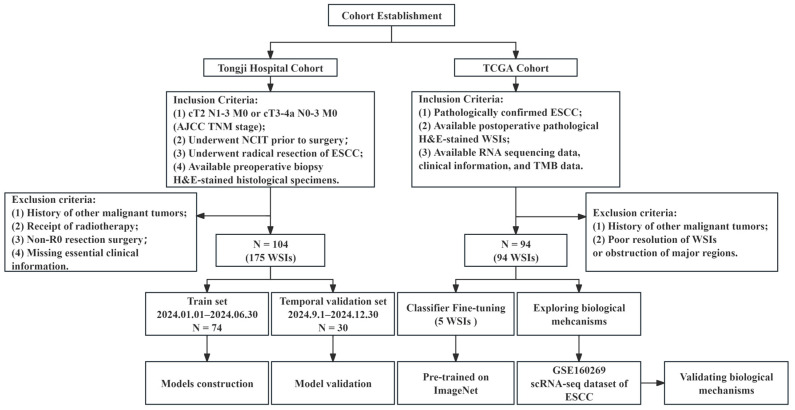 Figure 1
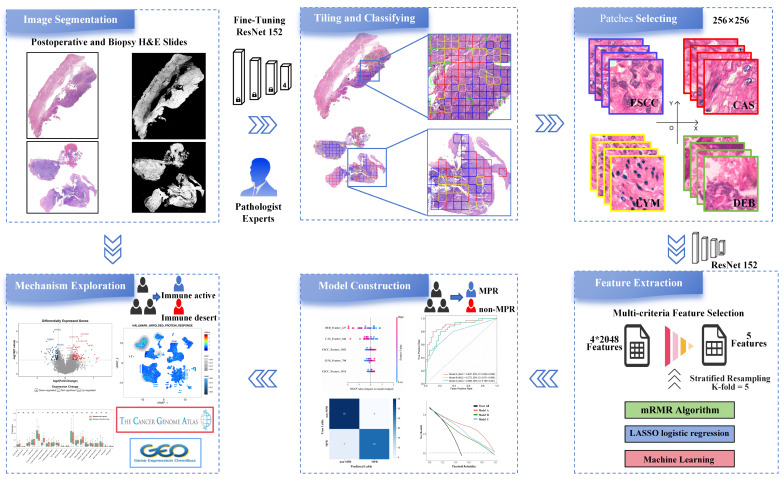 Figure 2
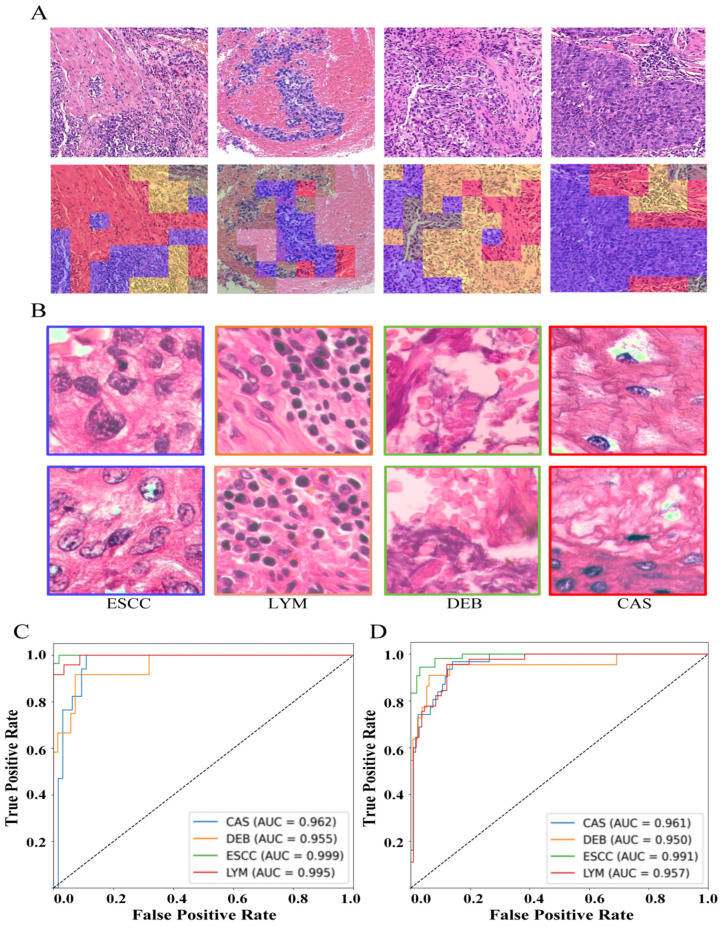 Figure 3
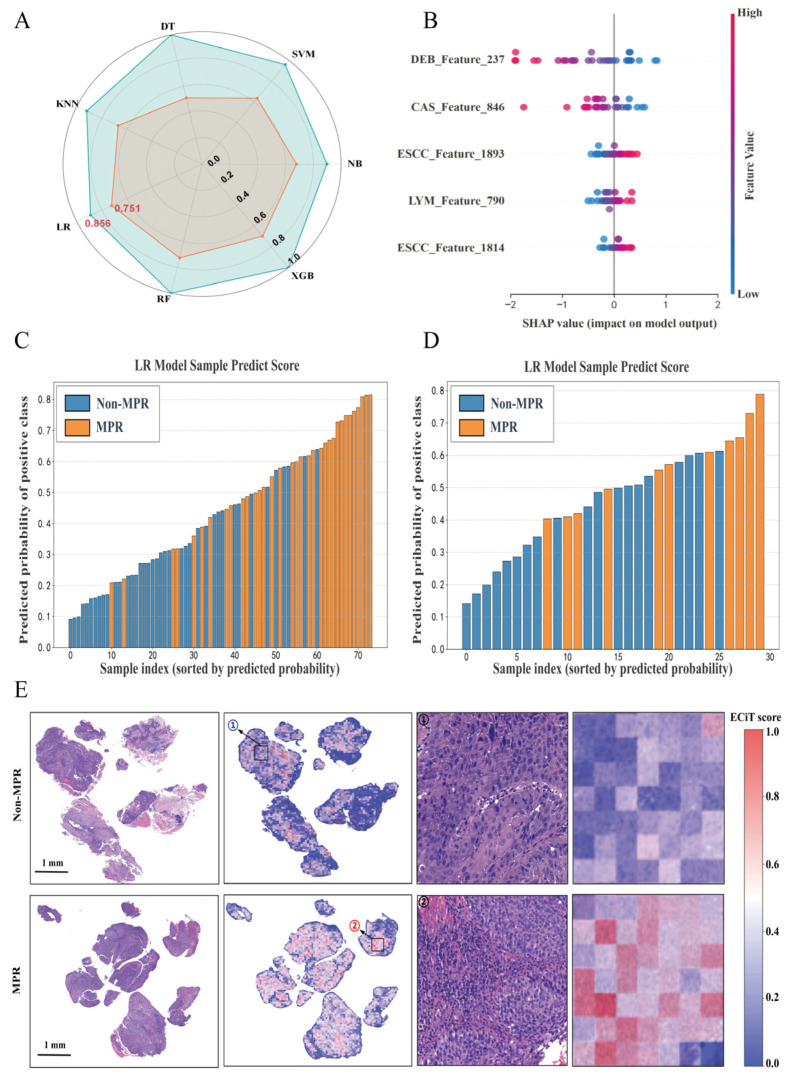 Figure 4
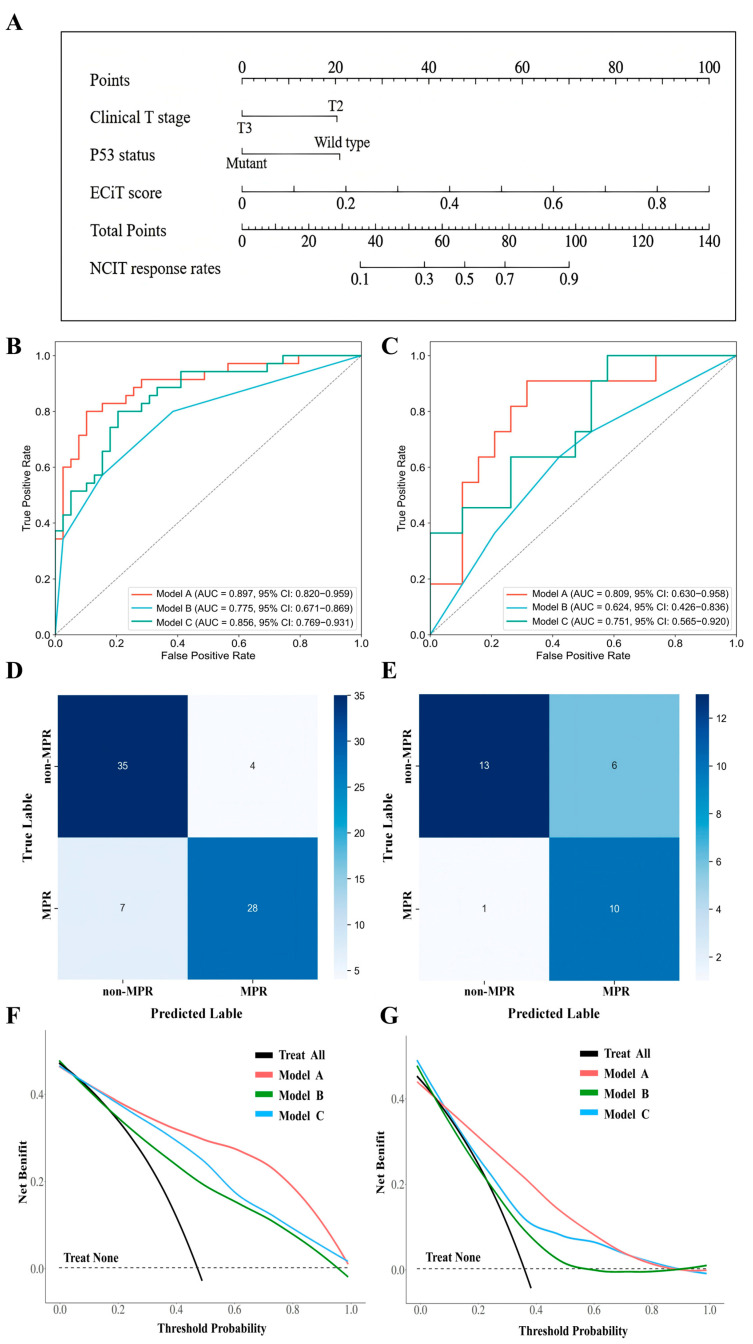 Figure 5
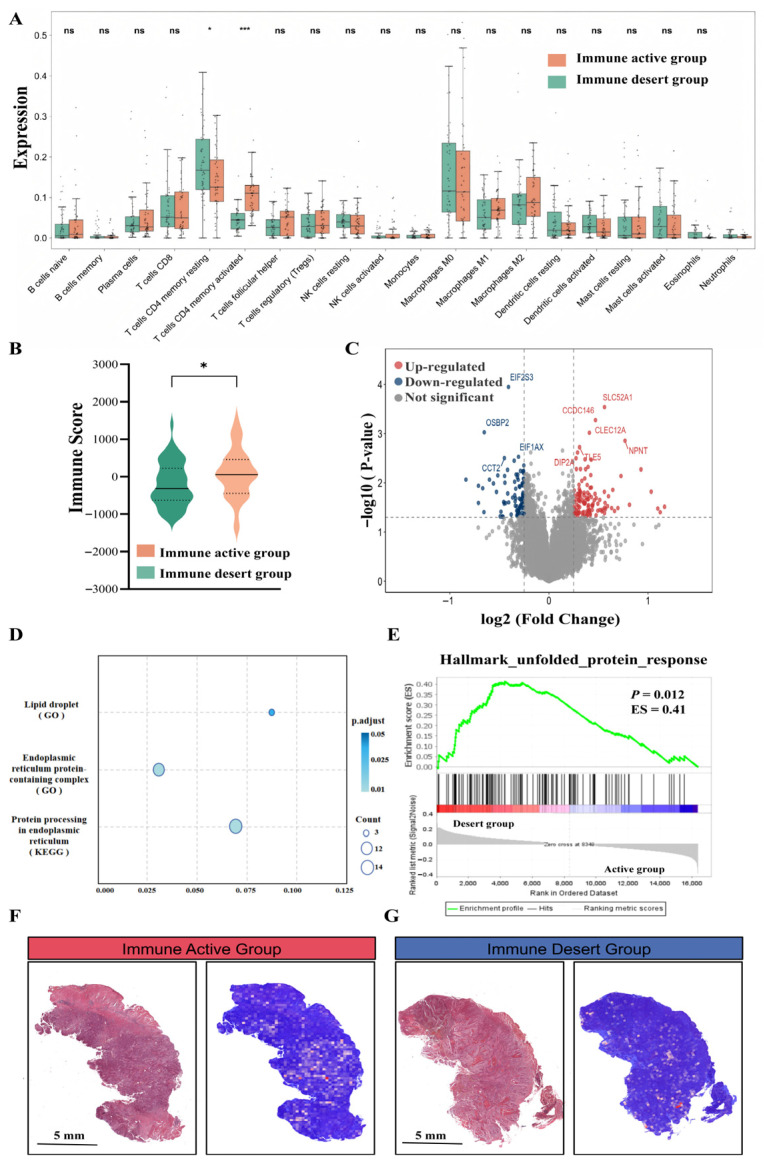 Figure 6
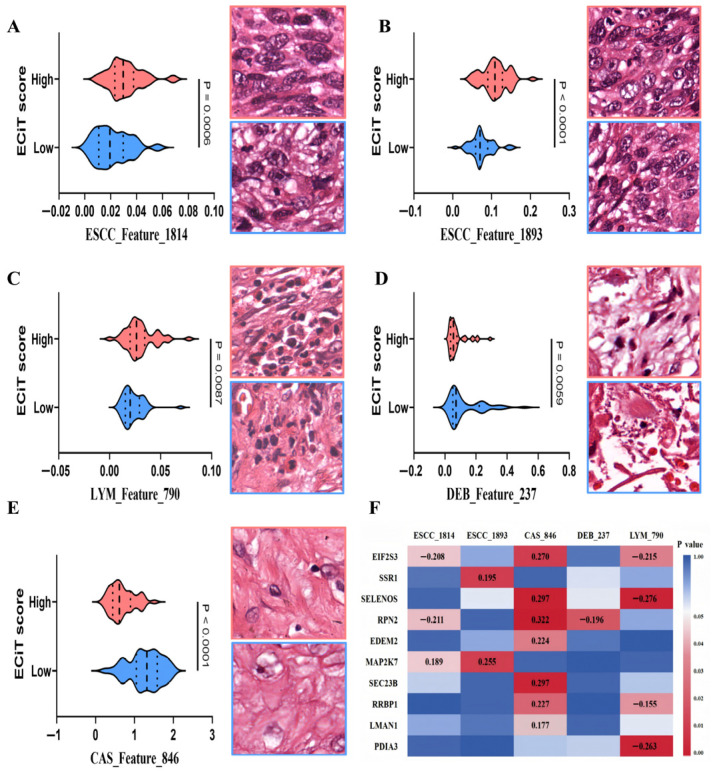 Figure 7
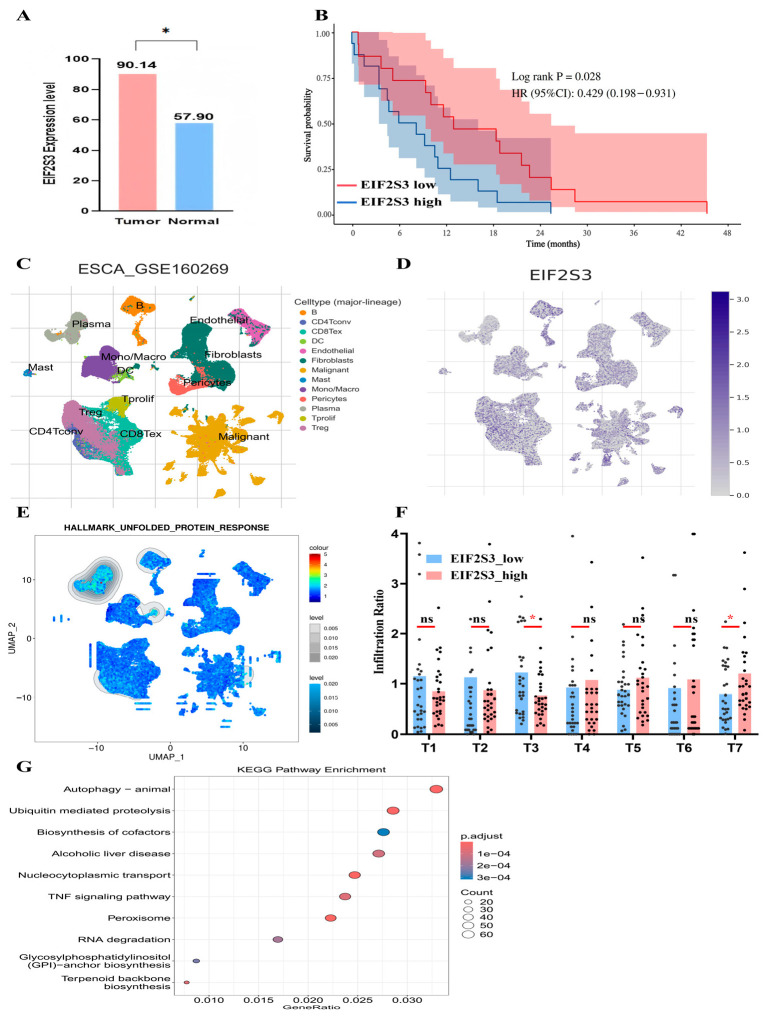 Figure 8
Peer Reviews
No public reviews on file for this paper yet. If you reviewed it on a platform where reviews are public (OpenReview, ICLR, NeurIPS, ICML), you can paste yours below so the community can read it here.
Videos
No videos yet. Explain this paper in a talk, walkthrough, or lecture? Add one.
Taxonomy
TopicsEsophageal Cancer Research and Treatment · Ferroptosis and cancer prognosis · Cancer Immunotherapy and Biomarkers