Prognostic Factors of Survival in Patients with Surgically Treated Penile Squamous Cell Carcinoma: A Retrospective Cohort Analysis
Andrei Andreșanu, Constantin Gîngu, Dragoș Eugen Georgescu, Mihaela Roxana Oliță, Mihai Adrian Dobra, Cristian Mirvald, Bogdan Obrișcă, Mihai-Adrian Eftimie, Ioanel Sinescu

TL;DR
This study identifies three factors that predict survival in penile cancer patients, including a newly recognized factor called urethral invasion, which could improve treatment decisions.
Contribution
The study is the first in Romania to identify urethral invasion as an independent prognostic factor for penile cancer survival.
Findings
Urethral invasion, advanced tumor stage, and extensive lymph node involvement independently predict worse survival in penile cancer patients.
Patients without urethral invasion had significantly longer median overall survival (63 months vs. 11 months).
A three-variable prognostic model demonstrated good discrimination (C-index 0.78) for predicting survival outcomes.
Abstract
Penile cancer is a rare but serious disease. Predicting which patients will have better or worse outcomes after treatment is difficult, especially in eastern Europe, where evidence is limited. We studied 60 patients who underwent surgery for penile cancer at a Romanian tertiary uro-oncology center to identify which factors predict survival. We found that three features independently predicted worse outcomes: advanced tumor stage, extensive lymph node involvement and urethral invasion. Notably, urethral invasion emerged as a newly recognized predictor that is not currently included in standard staging systems. These findings suggest that a three-factor model for predicting survival can be used to counsel patients more accurately, guide treatment intensity and identify individuals at high risk who may benefit from more aggressive therapy. Background/Objectives: Penile squamous cell…
Genes, proteins, chemicals, diseases, species, mutations and cell lines named across the full text — each resolved to its canonical identifier and authoritative record.
Click any figure to enlarge with its caption.
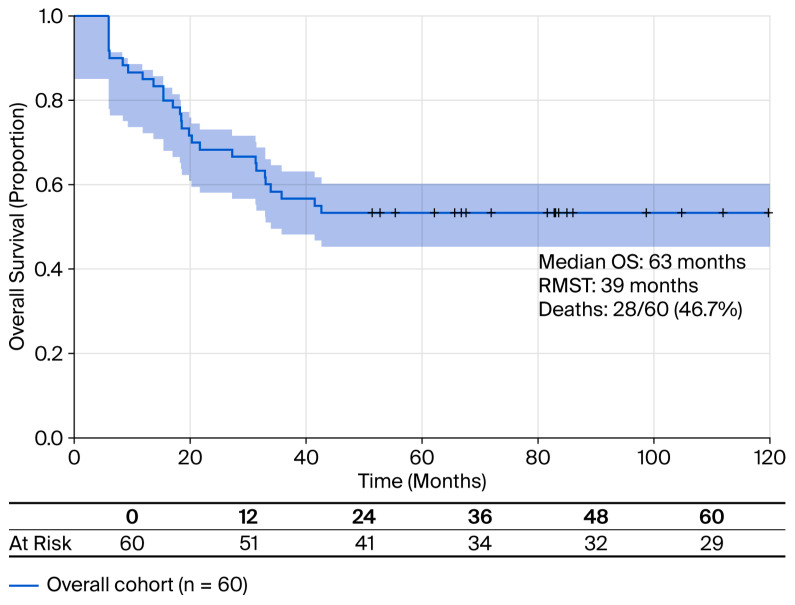 Figure 1
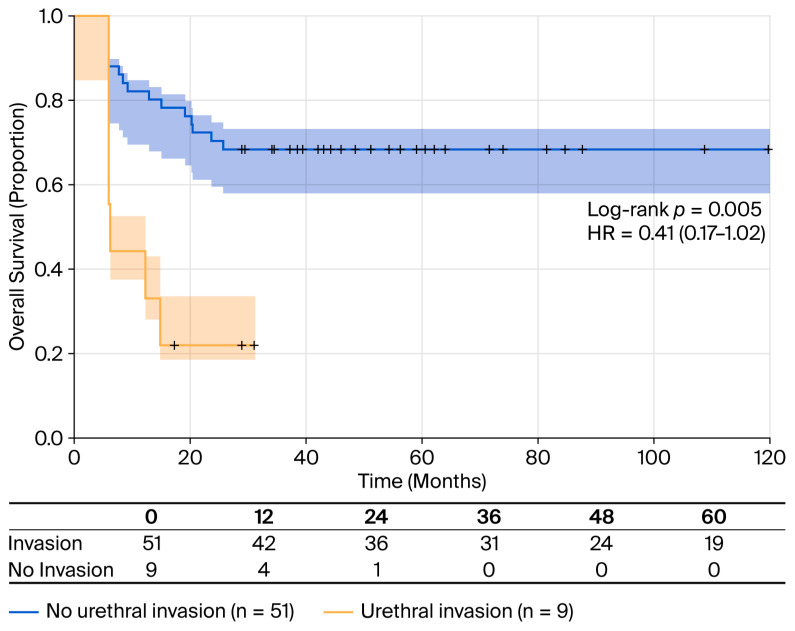 Figure 2
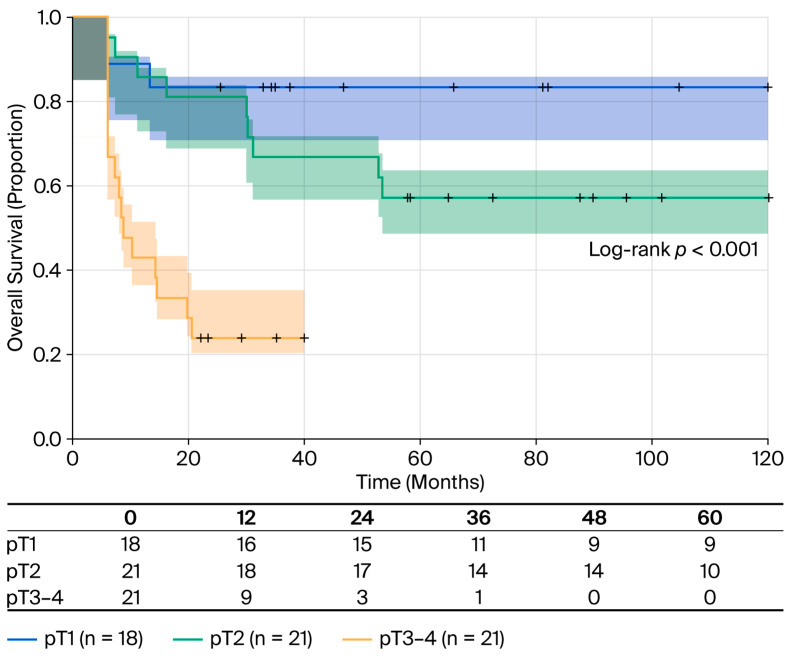 Figure 3
 Figure 4
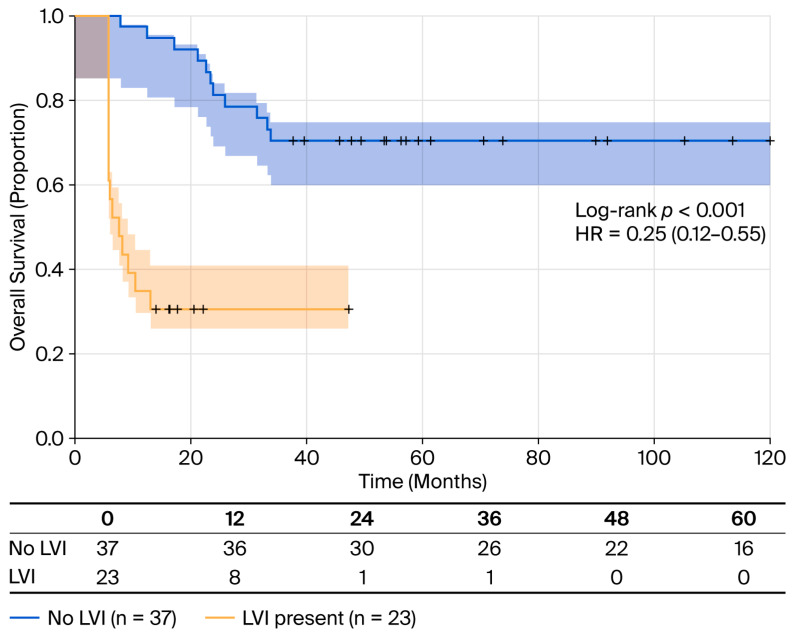 Figure 5
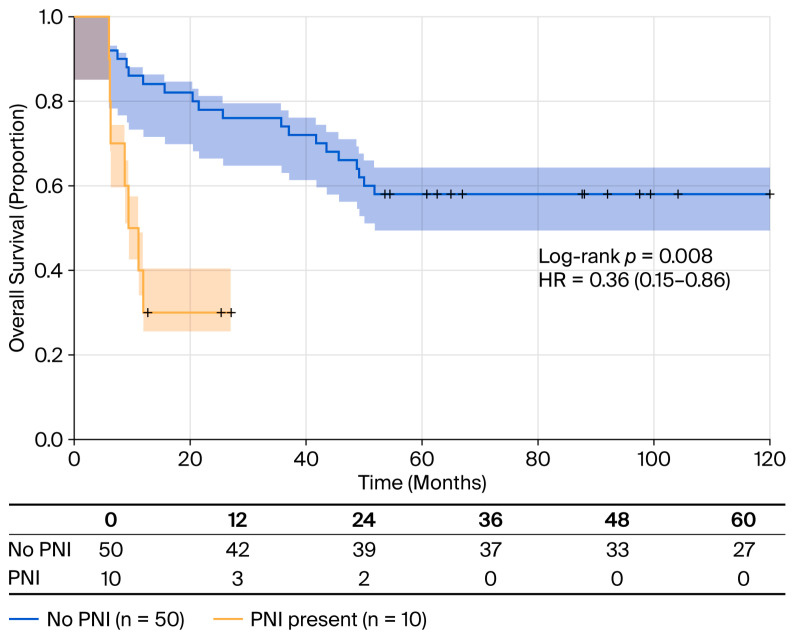 Figure 6
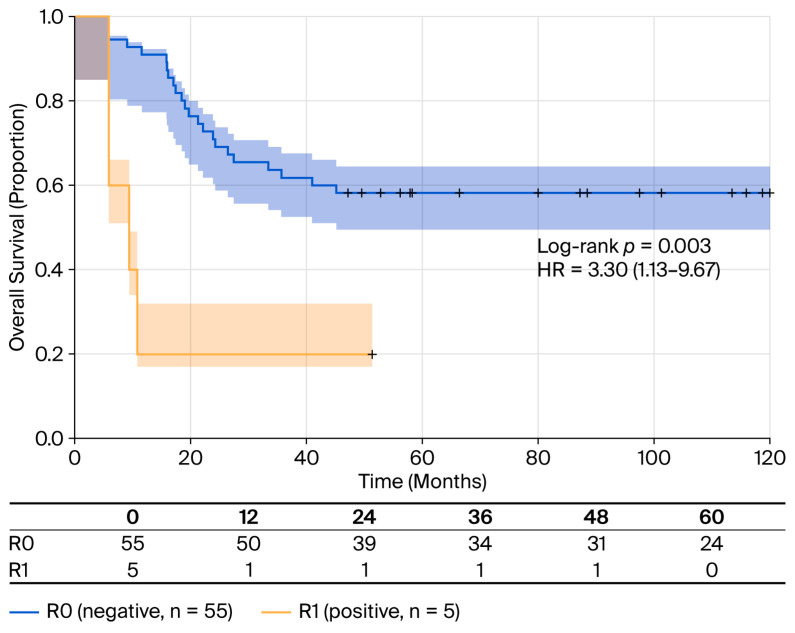 Figure 7
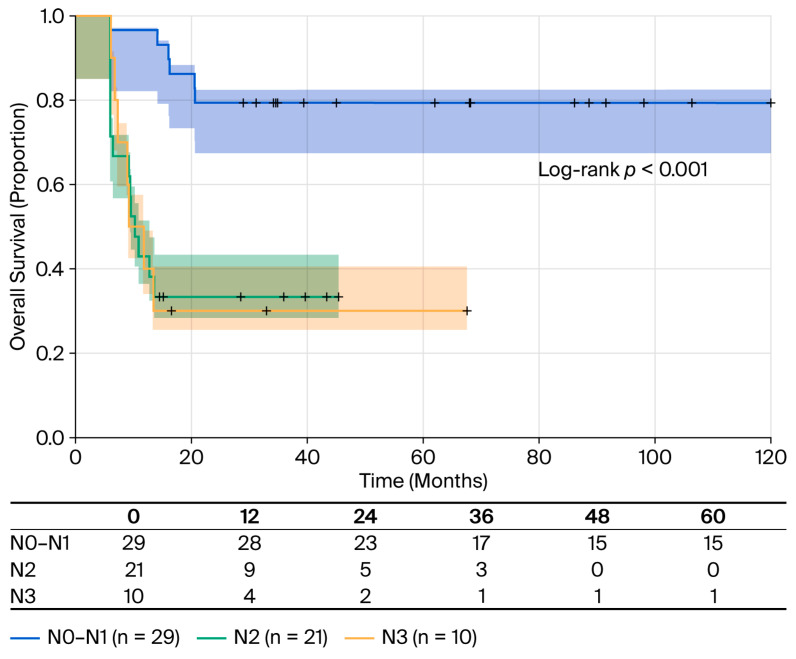 Figure 8
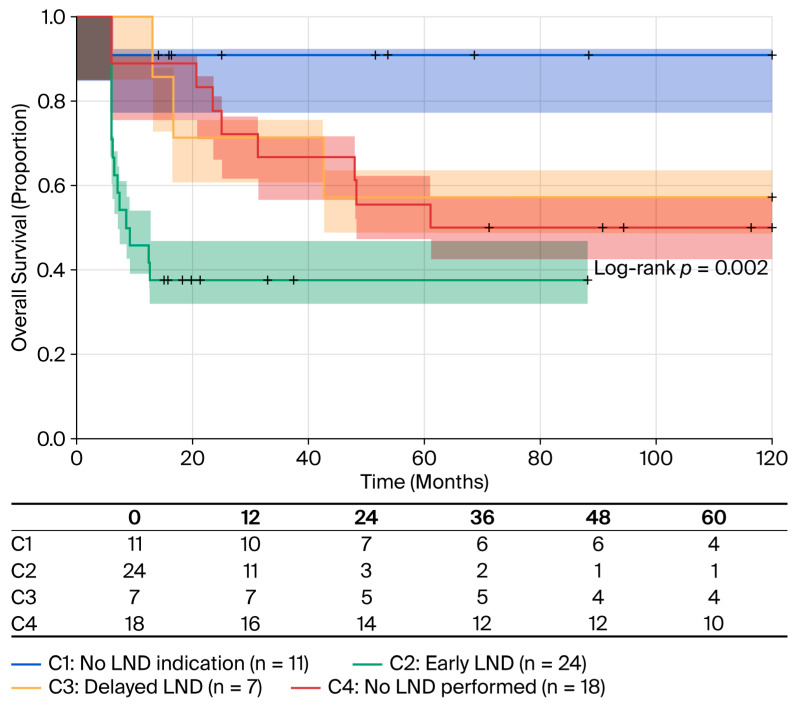 Figure 9
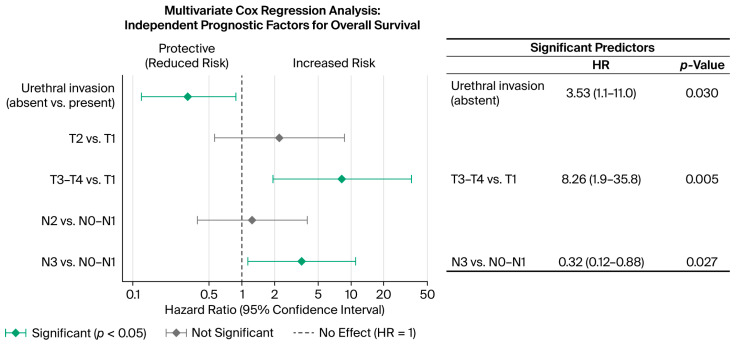 Figure 10
Peer Reviews
No public reviews on file for this paper yet. If you reviewed it on a platform where reviews are public (OpenReview, ICLR, NeurIPS, ICML), you can paste yours below so the community can read it here.
Videos
No videos yet. Explain this paper in a talk, walkthrough, or lecture? Add one.
Taxonomy
TopicsGenital Health and Disease · Bladder and Urothelial Cancer Treatments · Urological Disorders and Treatments