Biophysical and Structural Characterization of Antibody–Drug Conjugates
Isabel P. Mariano, Abhinav Nath

TL;DR
This paper reviews biophysical methods to assess antibody-drug conjugates for cancer treatment, aiming to improve their stability and effectiveness before clinical trials.
Contribution
The paper introduces emerging biophysical techniques and AI/ML approaches for characterizing and developing antibody-drug conjugates.
Findings
Biophysical techniques like DSC, DSF, and MS are essential for assessing ADC stability and developability.
Aggregation and drug-to-antibody ratio are critical parameters measured using scattering and spectroscopic methods.
Future advancements include ex vivo biophysical assays and AI/ML to accelerate ADC development.
Abstract
Common cytotoxic agents used to treat cancers can be accompanied by harsh side effects due to their ability to kill cells and systemic circulation. Antibody–drug conjugates utilize the high target affinity of antibodies to bind and release their cytotoxic payload at the tumor site. However, in order to create an effective treatment, biophysical characterization of antibody–drug conjugates is essential. Antibodies are prone to various undesirable behaviors including aggregation due to misfolding or weak interactions, and poor pharmacokinetics and disposition. The linker and cytotoxic payload add additional potential for misbehavior such as premature linker cleavage. By implementing biophysical characterization early in drug development, the detection of poorly behaved antibody–drug conjugates before expensive clinical trials is possible. Antibody–drug conjugates (ADCs) comprise a…
Genes, proteins, chemicals, diseases, species, mutations and cell lines named across the full text — each resolved to its canonical identifier and authoritative record.
Click any figure to enlarge with its caption.
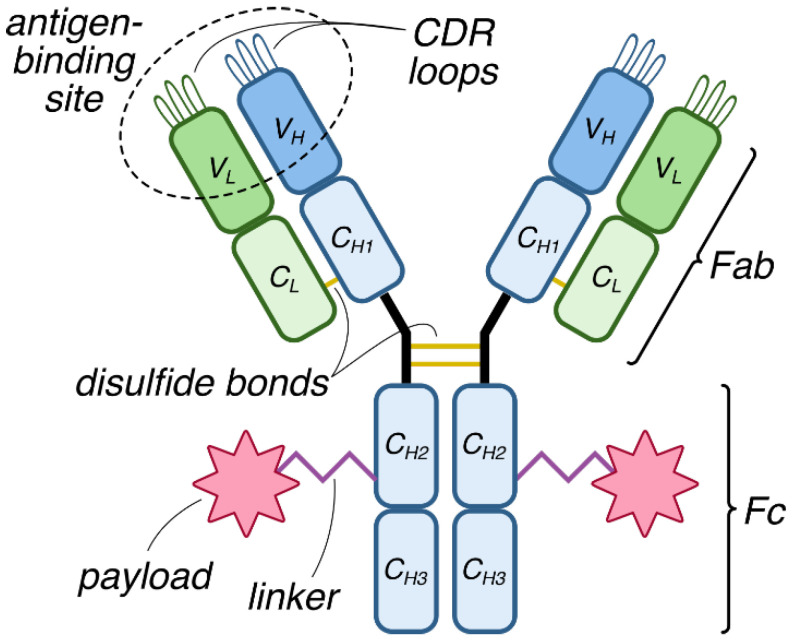 Figure 1
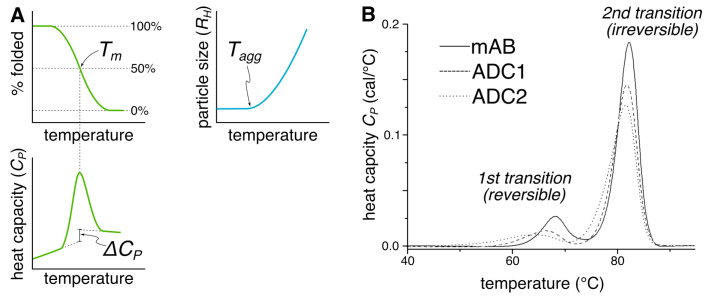 Figure 2
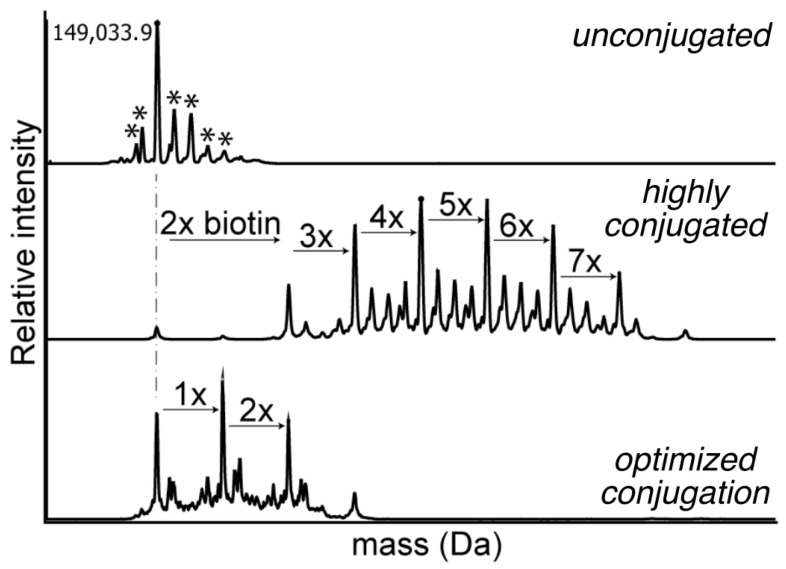 Figure 3
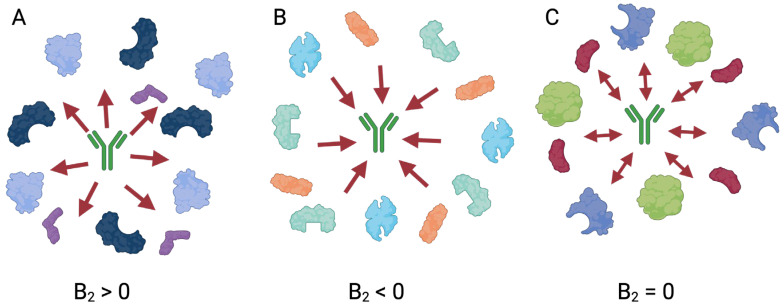 Figure 4
Peer Reviews
No public reviews on file for this paper yet. If you reviewed it on a platform where reviews are public (OpenReview, ICLR, NeurIPS, ICML), you can paste yours below so the community can read it here.
Videos
No videos yet. Explain this paper in a talk, walkthrough, or lecture? Add one.
Taxonomy
TopicsHER2/EGFR in Cancer Research · Monoclonal and Polyclonal Antibodies Research · Advanced Biosensing Techniques and Applications